Drying Off Cows in NZ: How to Prevent Mastitis This Season
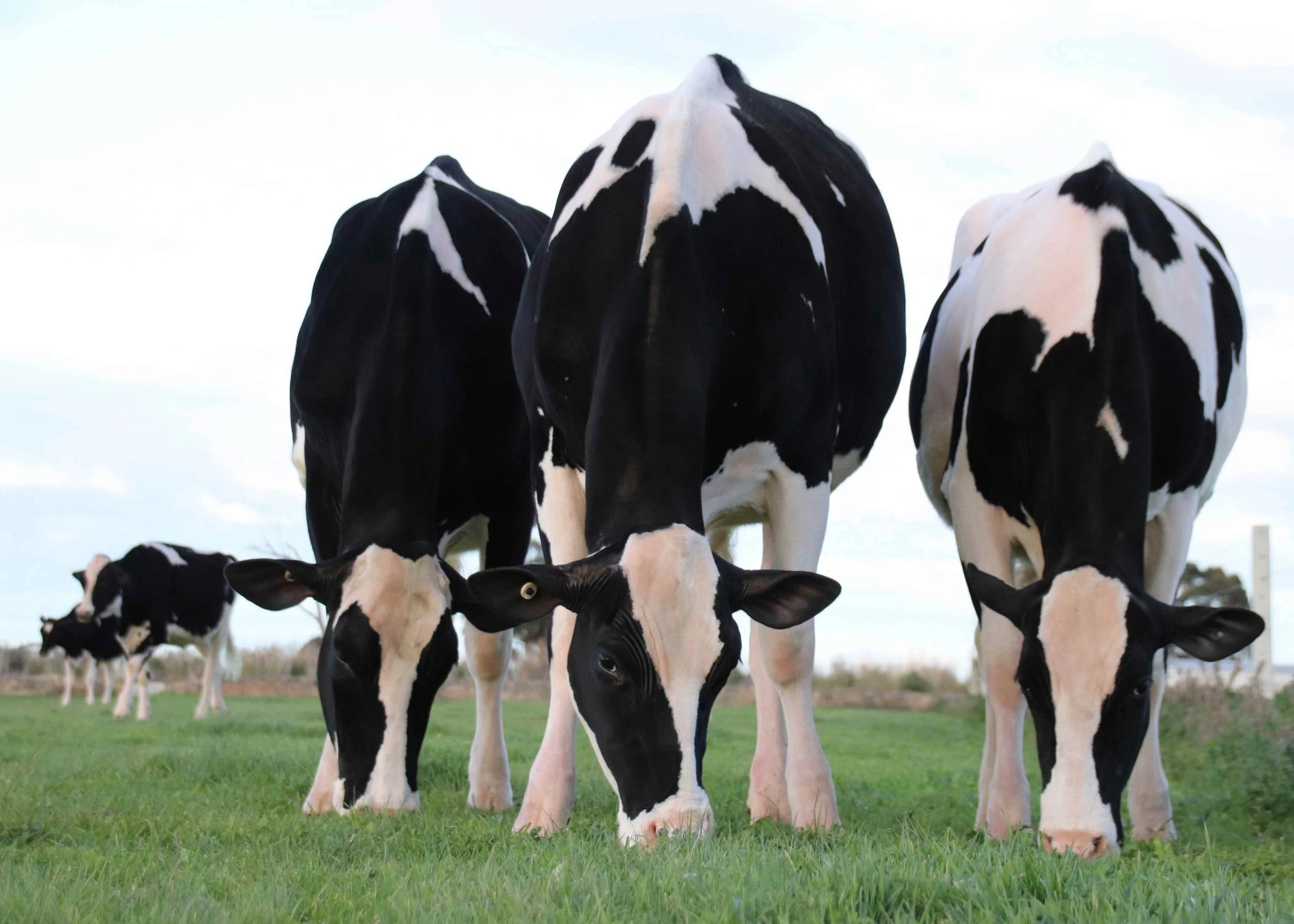
Photo by Sheila Sundborg
Drying off is one of the most critical management periods in the dairy calendar. Done well, it sets cows up for a healthy transition into the next lactation. Done poorly, it can significantly increase the risk of mastitis—both during the dry period and into early calving. In New Zealand’s pasture-based systems, where seasonal calving and environmental exposure are key factors, a thoughtful and structured approach to drying off is essential.
Understanding the Risk Window
The dry period is not a low-risk time for udder health. In fact, cows are most vulnerable to new intramammary infections in two key phases: immediately after drying off and in the weeks leading up to calving. During these times, the udder undergoes physiological changes, and the natural teat canal barrier may not yet be fully formed or has begun to break down.
Environmental exposure plays a large role in New Zealand conditions. Wet paddocks, muddy gateways, and poorly managed feed areas can all contribute to increased bacterial challenge. Therefore, drying off is not simply about stopping milk production—it is about actively protecting the udder.
Pre-Drying Off Preparation
Effective drying off begins at least two weeks prior. Identifying cows with elevated somatic cell counts or a history of mastitis is key. These animals are at higher risk and may require targeted intervention.
Gradually reducing milk production before drying off can help minimise leakage and reduce infection risk. Strategies include:
Reducing energy intake
Once-a-day milking in the final days
Avoiding sudden cessation in high-producing cows
Ensuring cows are in good body condition (typically BCS 4.5–5.0 for mature cows) also supports immune function during the dry period.
Dry Cow Therapy: Selective vs Blanket
Dry cow therapy remains one of the most effective tools for preventing mastitis. New Zealand farms are increasingly moving toward selective dry cow therapy, where only cows at higher risk receive antibiotic treatment, while low-risk cows receive internal teat sealants alone.
Key considerations:
Use herd testing and clinical records to guide decisions
Maintain strict hygiene during administration
Ensure proper technique to avoid introducing infection
Internal teat sealants act as a physical barrier, preventing bacteria from entering the teat canal. Their success depends heavily on correct application and clean conditions.
Hygiene at Drying Off
The drying off process itself is a high-risk moment for introducing bacteria into the teat. Attention to detail is critical:
Clean and dry teats thoroughly before infusion
Use individual alcohol swabs for each teat
Apply products in the correct order (antibiotic first, then sealant if both are used)
Avoid massaging sealant into the udder
Taking the time to get this right pays dividends in reduced mastitis cases later.

Managing the Dry Cow Environment
Once dried off, cows should be managed to minimise exposure to pathogens:
Avoid wet, muddy paddocks, particularly in the first two weeks post-drying off
Provide well-drained areas for lying
Manage feed pads and supplements to reduce contamination
Spring-calving herds often face wetter conditions, so proactive paddock selection and rotation become especially important.
Monitoring Through the Dry Period
Dry cows should not be “out of sight, out of mind.” Regular observation is important:
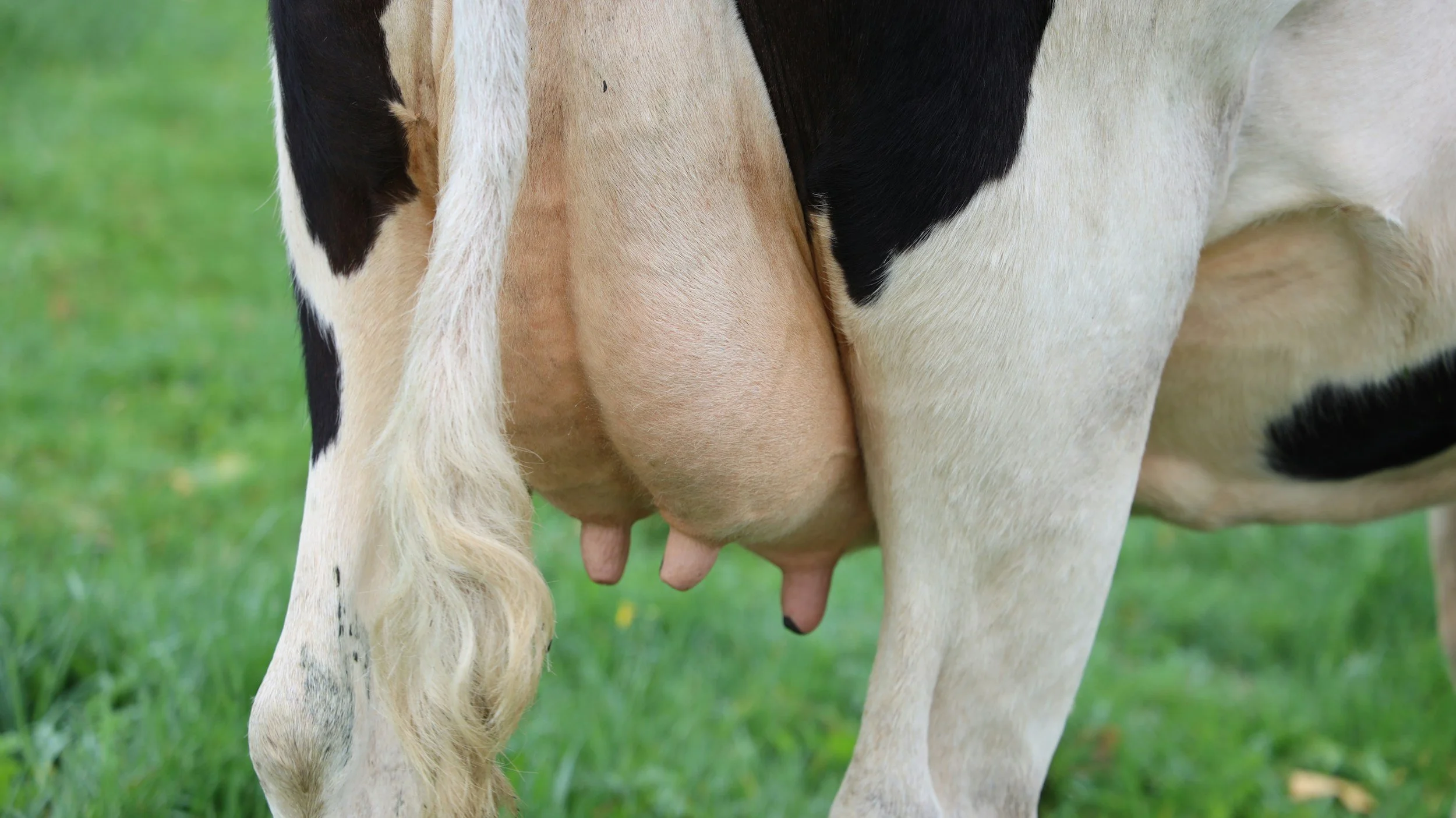
Check for swollen quarters or leaking milk
Identify early signs of infection
Separate and treat affected cows promptly
In the lead-up to calving, attention should increase again as the udder prepares for lactation and vulnerability rises.
Transition Into Lactation
The success of your drying off strategy becomes evident in early lactation. High rates of clinical mastitis or elevated somatic cell counts in the first test are often indicators of issues during the dry period.
Ensuring a smooth transition includes:
Clean calving environments
Prompt colostrum harvesting
Continued attention to milking hygiene
A Systems Approach
Minimising mastitis at drying off is not about a single intervention—it is about a system. From cow selection and preparation through to environmental management and monitoring, each step plays a role.
In New Zealand’s pasture-based systems, where cows are exposed to variable weather and environmental conditions, consistency and attention to detail are the foundations of success. By treating drying off as a critical control point rather than a routine task, farmers can significantly reduce mastitis risk and set their herds up for a productive season ahead.