From guts to glory – Canterbury farmers encourage composting livestock mortalities
Supplied by Environment Canterbury
Canterbury Regional Council (Environment Canterbury), several industry partners and a group of farmers are encouraging their peers to consider composting as an environmentally friendly alternative.
Environment Canterbury is the first regional council to offer practical, in-depth guidance for farmers on how to compost animal mortalities on-farm. The guidance has been developed in partnership with a group of test farmers across Waitaha Canterbury, and with support from DairyNZ, Synlait, and Morven Glenavy Ikawai (MGI) Irrigation Company Ltd.
Lessening environmental impact a key driver
Environment Canterbury senior farm plan advisor and composting project lead, Melissa Gillespie, said the guidance was born out of a clear need.
“We’ve been hearing from farmers that the options for dealing with animal mortalities are increasingly limited. Offal pits can be problematic in terms of environmental impact. And there are less options available for getting carcasses taken away. So, interest in composting has increased a lot in recent years.”
“After a bit of discussion about this at our Farm Environment Plan Audit Reference Group (FEP ARG) hui (meetings), we decided we all needed to work together to develop really practical guidance on how to compost livestock successfully.”
Melissa said collaborating with farmers has been critical for the composting management guidance to come together.
“This guidance is peer-to-peer, farmer-to-farmer. All the learnings and knowledge in the guidance have come from farmers who have experience with composting and have been testing our draft guidance over the last year.”
“The response has been overwhelmingly positive – farmers are excited about it. Composting is a great solution, and it’s pretty straight forward to get going.”
“It pretty much looks after itself”
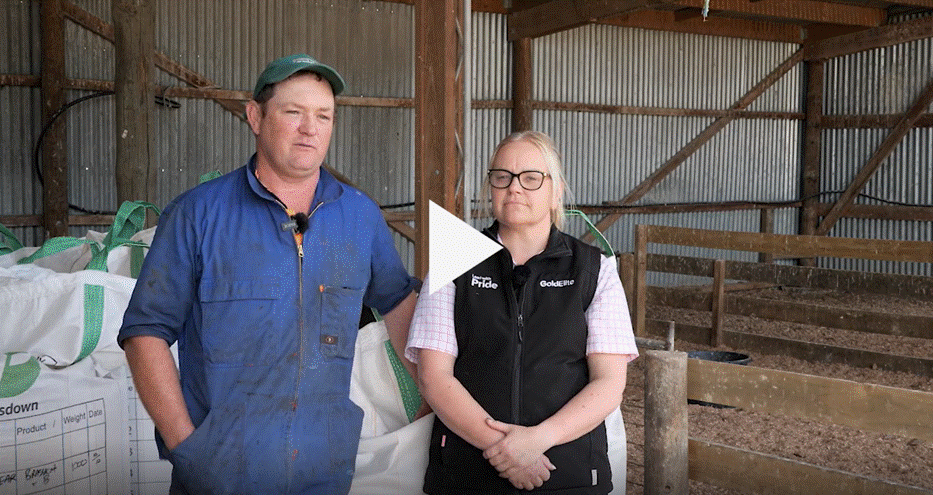
A group of 10 farmers across the region have been testing the guidance, putting it into practice over the past year.
Waimakariri dairy farmer, Gavin Bay, said it’s easy – once it’s set up, it pretty much looks after itself.
“The main reason we started a compost pile was because it’s getting harder every year to get rid of dead stock, and we’re all about lessening our impact on the environment. It’s actually not that hard. Once it’s set up, it pretty much looks after itself. My best advice is to get good contractors to help set it up, and plan well where you’re going to put your pile. It’s a great method of getting rid of your dead stock, and it doesn’t take a huge area.”
Ashburton chicken and calf farmer, Simon Raisbeck, composts his farm’s waste, including mortalities and unsaleable eggs, to improve soil quality.
“It’s a great way to get rid of waste products on the farm, but also to improve the soil structure on the farm. The compost really helps retain the moisture in the soil. I say, use what you’ve got to the best of your ability – compost is a fantastic material. It’s easy to do. Why not use it and improve your soil structure with it?”
Getting the most out of your muck
There are lots of benefits of composting:
combining waste management
reducing contaminant discharge
less visually offensive than an offal pit
less odour than an offal pit
reduced greenhouse gas emissions
reduced costs compared with off-farm animal disposal
fast decomposition of animal carcasses
when applying the finished compost product on-farm – improved soil structure, moisture retention and nutrient availability.
Environment Canterbury senior science advisor for contaminated land and waste science, Jack Grinsted, says the composting process adds a lot of value to your farming practice.
“Composting allows what would otherwise be waste material to be transformed into a valuable resource.”
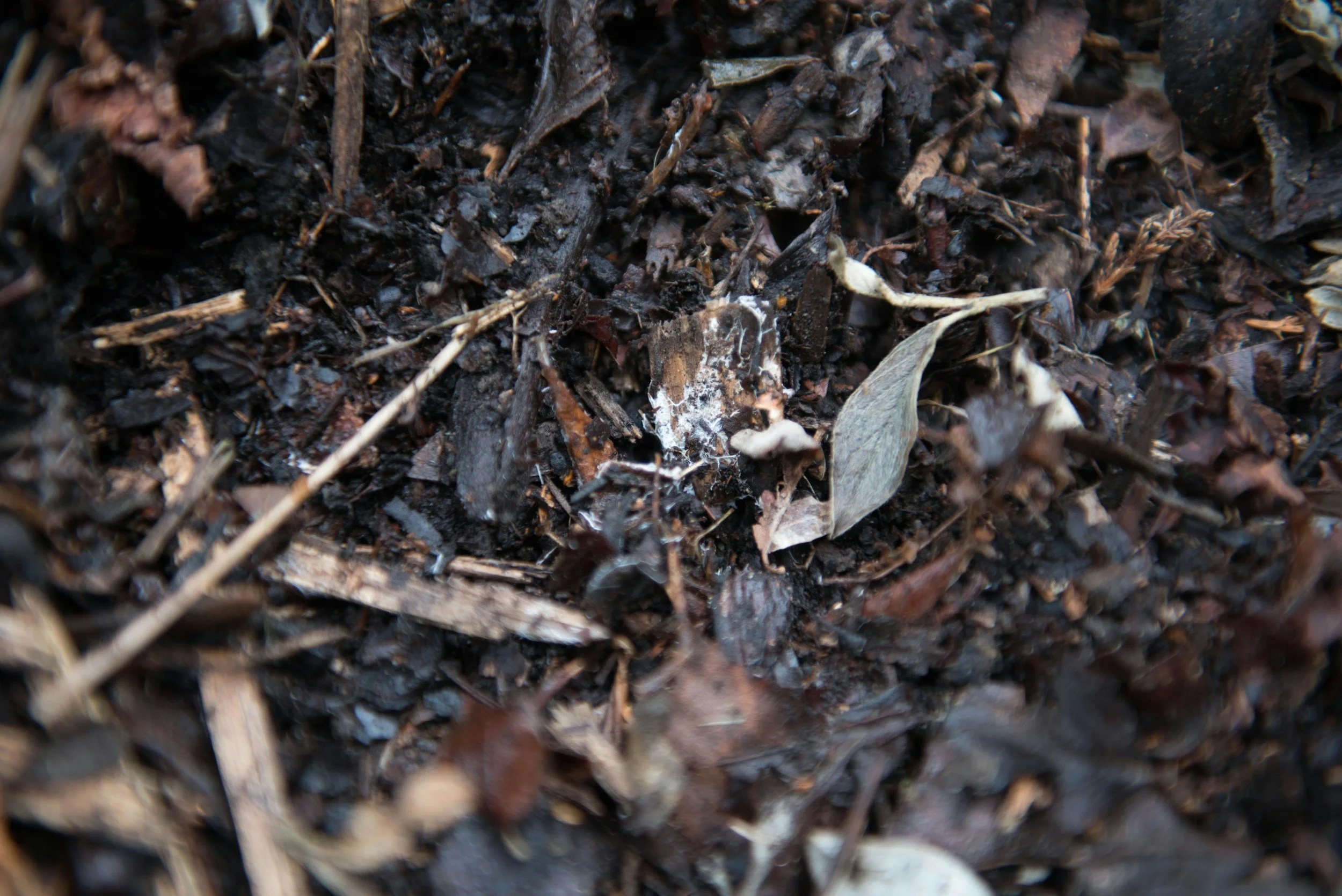
“Composting is the process of using microorganisms to break down organic material including livestock mortalities, vegetation, manure, effluent, spoilt hay, old silage and bedding material (like woodchips, sawdust, and straw) into a valuable soil amendment,” said Jack.
A successful compost pile requires a balance of air, moisture, and a mixture of carbon (woody materials) and nitrogen (green leafy matter, offal, or manure) materials. The compost management guidance includes a ‘recipe’ for successful compost, to make the process easy.
Breaking it down – composting as an alternative to offal pits
An offal pit is a hole in the ground where you dump animal carcasses to decompose. They’re unpleasant to look at and smell. They can also attract pests and leach nasties into the ground and potentially groundwater.
A compost pile is above ground and doesn’t leach (when correctly maintained), considerably reducing environmental impact. It looks like a big mound of dirt – no dead animals in sight, and no offensive smell. At the end of the process, you get a valuable resource that you can apply on your land to improve the quality of your soil.
Field day events showcasing composting in action – autumn 2026
Environment Canterbury, key industry partners and farmers are planning a series of field days to showcase composting on-farm.
Hear from several farmers about their experiences with composting – what’s worked for them, and why they say it’s worth giving it a crack.