Good Housing, Good People: Why Farm Worker Accommodation Matters More Than Ever

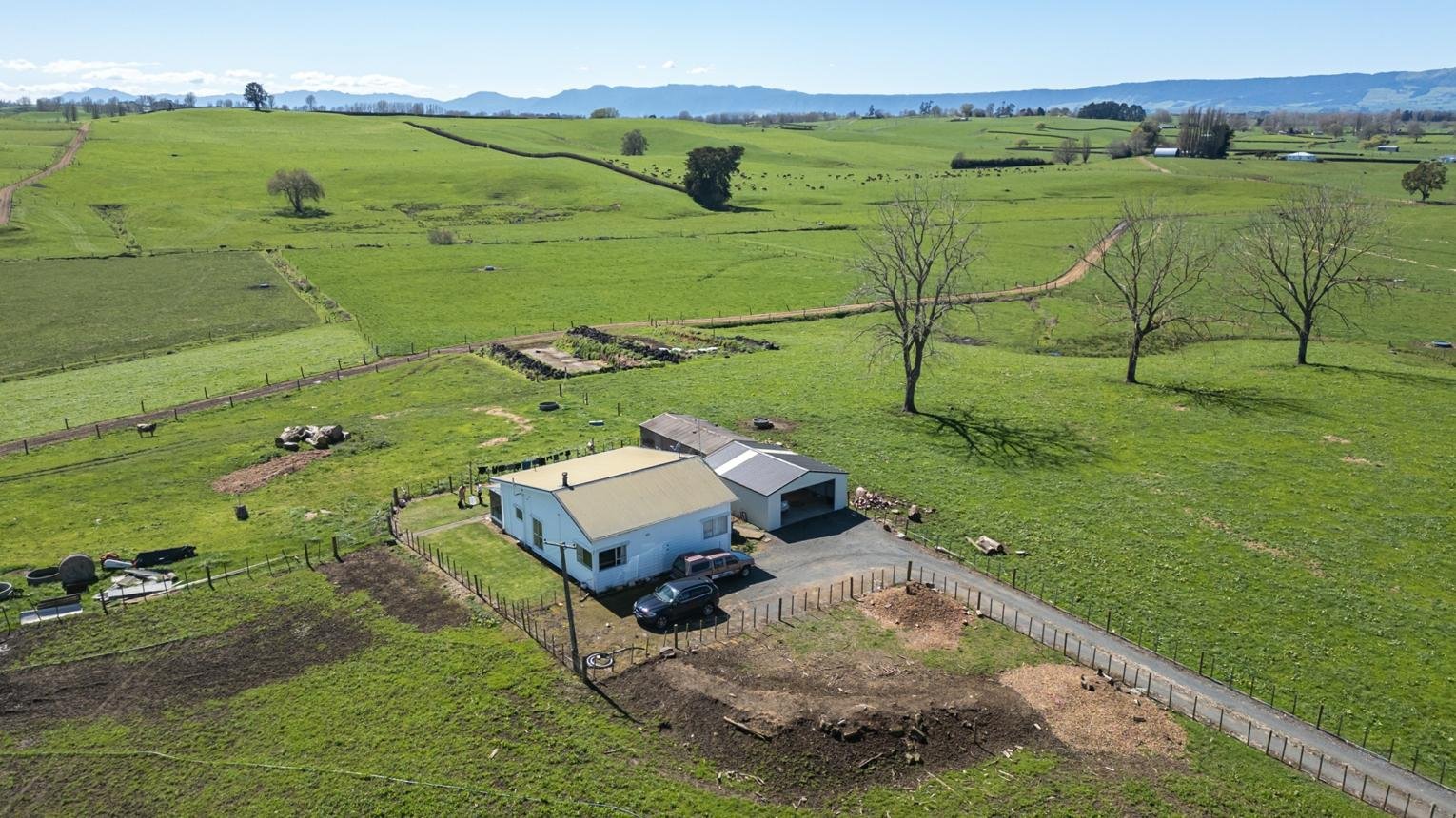
Providing accommodation has long been part of the employment package on many New Zealand dairy farms. For generations it was simply expected that staff would live on-farm, close to the cows and ready for early starts. Today, however, worker accommodation has become far more than just a roof over someone's head. It has become a valuable recruitment tool, a retention strategy, and in many cases, one of the largest investments a farm owner makes outside of core farming infrastructure.
As the dairy industry continues to battle labour shortages, quality housing is increasingly becoming a deciding factor for workers choosing between employers. Yet while many farmers are investing heavily in modern homes, others remain cautious after experiencing the downside of providing accommodation.
Housing Can Be a Powerful Recruitment Advantage
With skilled dairy staff in high demand, employers are looking for every possible advantage when attracting quality applicants.
A warm, dry, well-maintained home can often be the deciding factor between accepting one position over another. For young families, the condition of the house can be just as important as the salary package itself.
Many farms have replaced older accommodation with modern homes featuring insulation, double glazing, heat pumps and improved layouts. These upgrades not only improve comfort but also reflect the value an employer places on the wellbeing of their staff.
Workers who feel respected and comfortable are often more settled, more productive and more likely to remain with the business for several seasons.
In an industry where replacing experienced staff is both costly and time-consuming, retaining good people makes sound financial sense.

The Reality of Property Damage
Unfortunately, not every experience is positive.
Speak with enough farm owners and stories quickly emerge of homes left in poor condition after tenants move on. Damaged walls, broken appliances, neglected gardens, excessive rubbish, stained carpets and missing fixtures are all issues that some employers have faced.
While these situations represent only a small percentage of workers, the financial impact can be significant.
Repairing accommodation between employees often costs thousands of dollars, while serious damage can take weeks to rectify before new staff are able to move in.
For some farm owners, these experiences have made them reluctant to continue investing in housing upgrades, despite recognising how important good accommodation has become.
Many point out that the vast majority of employees care for their homes extremely well, but unfortunately it only takes one poor experience to create hesitation.
Respect Works Both Ways
Like any rental arrangement, maintaining quality accommodation is a shared responsibility.
Employers have an obligation to provide homes that are healthy, safe and compliant with New Zealand's Healthy Homes Standards. Workers, in return, have a responsibility to treat those homes with care and report maintenance issues before they become larger problems.
Open communication is often the difference between small repairs and major expenses.
Simple issues such as leaking taps, damaged gutters or faulty appliances are far easier and cheaper to repair when identified early.
Many successful farm businesses now complete detailed entry and exit inspections, supported by photographs, to ensure both parties understand the condition of the property at the beginning and end of employment.
These processes are not about creating distrust. Instead, they provide clarity and help prevent disputes later.

Housing Reflects the Culture of the Farm
Accommodation often provides prospective employees with their very first impression of a farming business.
A tidy, well-maintained home sends a strong message that the employer values professionalism, safety and people.
Conversely, neglected accommodation can immediately raise concerns about how staff may be treated in other areas of the business.
Today's workforce, particularly younger employees, place increasing importance on work-life balance and living conditions. They are comparing employers not only on wages but also on lifestyle.
Farm owners who invest in comfortable homes are often investing in the long-term stability of their workforce.
Finding the Right Balance
Providing accommodation will always involve an element of trust.
Most employers genuinely want their staff to enjoy living on the farm, while most employees simply want a comfortable place to call home.
Finding the right balance comes through clear expectations from the beginning of employment.
Well-written tenancy or accommodation agreements, regular property inspections, prompt maintenance and mutual respect all contribute to better outcomes.
Some employers also encourage staff to personalise gardens and outdoor areas, creating a stronger sense of pride and ownership while still maintaining agreed standards.
These small initiatives can make a significant difference in how workers care for the property.
Investing Beyond the House
Quality accommodation is ultimately an investment in people.
While the occasional negative experience may discourage some farm owners, allowing poor examples to dictate future decisions risks making recruitment even more difficult.
The majority of dairy workers take genuine pride in both their work and the homes provided to them.
As competition for skilled staff continues, farms offering warm, modern, well-maintained accommodation will remain better positioned to attract and retain quality employees.
The house itself may not milk the cows, manage pasture or operate machinery, but it can play a significant role in attracting the people who do.
When employers and employees share responsibility for maintaining these homes, everyone benefits—from the farm business through to the wider rural community.