Supplied by DairyNZ
On New Zealand dairy farms, fertility doesn’t just affect reproduction – it has a flow‑on effect for milk production, workload, costs and long‑term sustainability.
New research is helping farmers better understand and manage fertility, with clearer tools and measures to support more robust, productive herds.
The Resilient Dairy Programme, a primary growth partnership between DairyNZ and its subsidiary NZ Animal Evaluation, breeding company LIC, and the Ministry for Primary Industries, put the spotlight on ways to improve animal wellbeing and health diagnostics, genetic innovations and genomic advancements.
According to DairyNZ senior scientist Dr Susanne Meier, fertility has a ripple effect across the whole farming system, influencing calving patterns and days in milk, lower replacement and wastage costs, higher lifetime milk production, and greater flexibility related to mating and on-farm business decisions.
“Most New Zealand dairy herds calve seasonally, so timing matters. When cows don’t conceive early in the mating period, they calve later the following season, produce less milk early in lactation, and are more likely to be carried over. The fertility breeding value (BV) estimates how desirable an animal’s traits are when passed down to offspring. Genetics is one of the tools available to farmers to help improve herd reproductive performance. Every season’s mating decisions shape the future of the herd,” she says.
Research has shown that cows with higher fertility breeding values cycle sooner, conceive more reliably, mature faster, and remain productive in the herd for longer, delivering greater lifetime performance.
Over the past decade, this research has grown, with scientists refining fertility measures and exploring new indicators such as pregnancy diagnosis, and to role of wearable technology, accounting for reproductive treatments and the use of heifer puberty.
To keep pushing progress, DairyNZ recently brought together researchers and industry partners involved in the Resilient Dairy Programme to see where gains can be made faster.
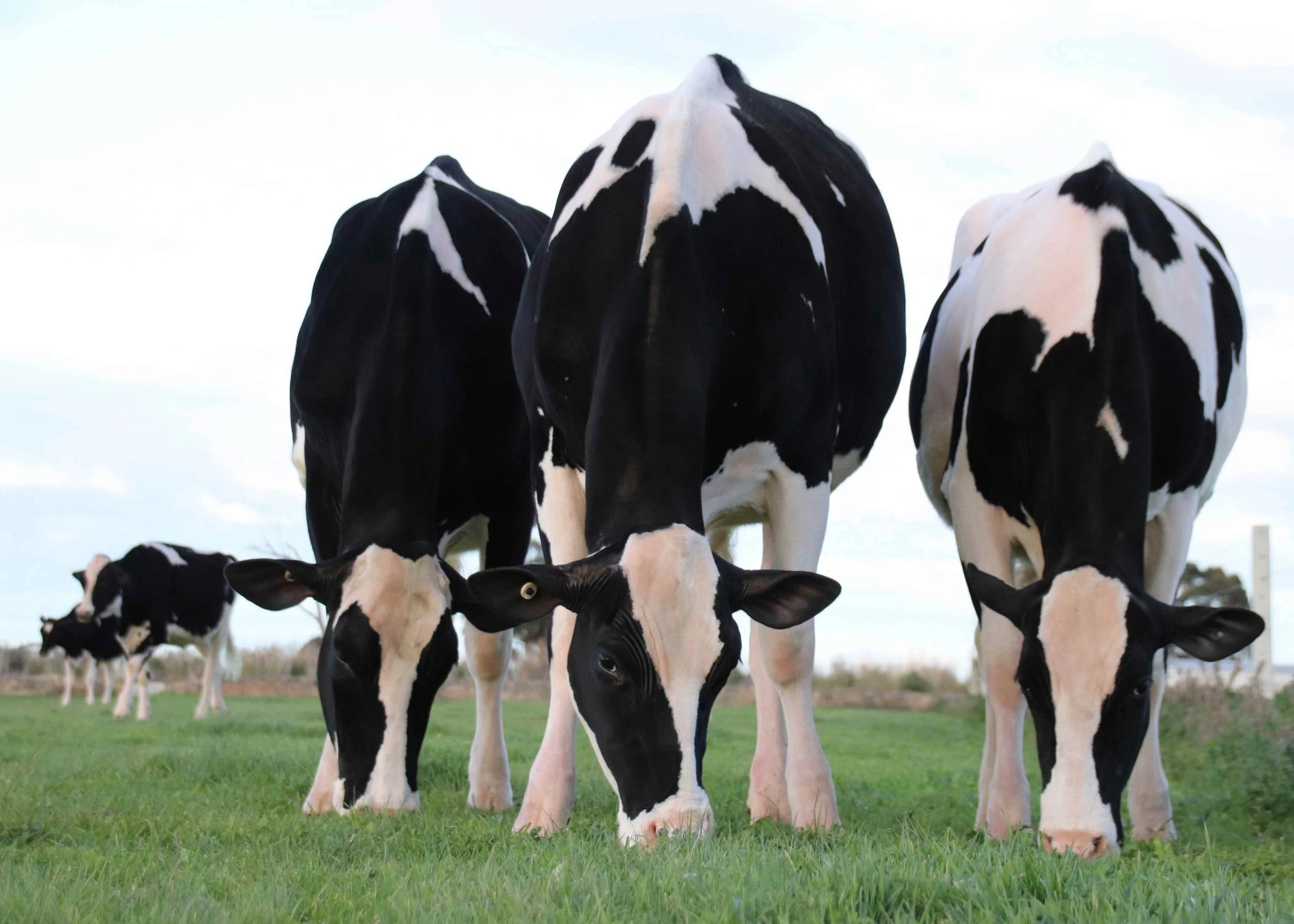
Photo by Sheila Sundborg
Two priority areas stood out: pregnancy diagnosis and measuring the time from calving to first heat (using wearables).
“Both measures show strong potential because they are influenced by genetics, can be measured accurately at scale, and fit more easily into existing farm systems,” says Susanne.
“DairyNZ is well placed to act as a ‘trait development accelerator’, bringing the right people together early on – geneticists, sire selection and sales teams, and data custodians early in the development cycle. By coordinating this work early, it reduces risk, and avoids duplication. Importantly, valuable new traits can be developed faster and are ready to be used on farm, for the benefit of the whole industry,” she says.
For more information on DairyNZ’s fertility research visit www.dairynz.co.nz/research.

Susanne Meier