The anatomy of a feed wedge

This is Day 1 of our seven-day series, Masterclass in pasture & feed management, looking at one of the most important resources on any dairy farm – grazed grass.
Grass is often described as the cheapest feed available to a dairy cow, but getting the most from it is not simply a matter of having plenty of paddocks covered in green. The real skill lies in understanding what is growing, what is ready to graze, what is coming behind it and what the farm is likely to have available in the weeks ahead.
That is where the feed wedge comes in.
A well-managed feed wedge gives a farmer a picture of the pasture situation across the farm at a particular point in time. More importantly, it provides a way of looking ahead rather than simply reacting to what is happening today. When pasture covers are understood properly, grazing decisions become much less of a guessing game and much more of a planned management exercise.
What exactly is a feed wedge?
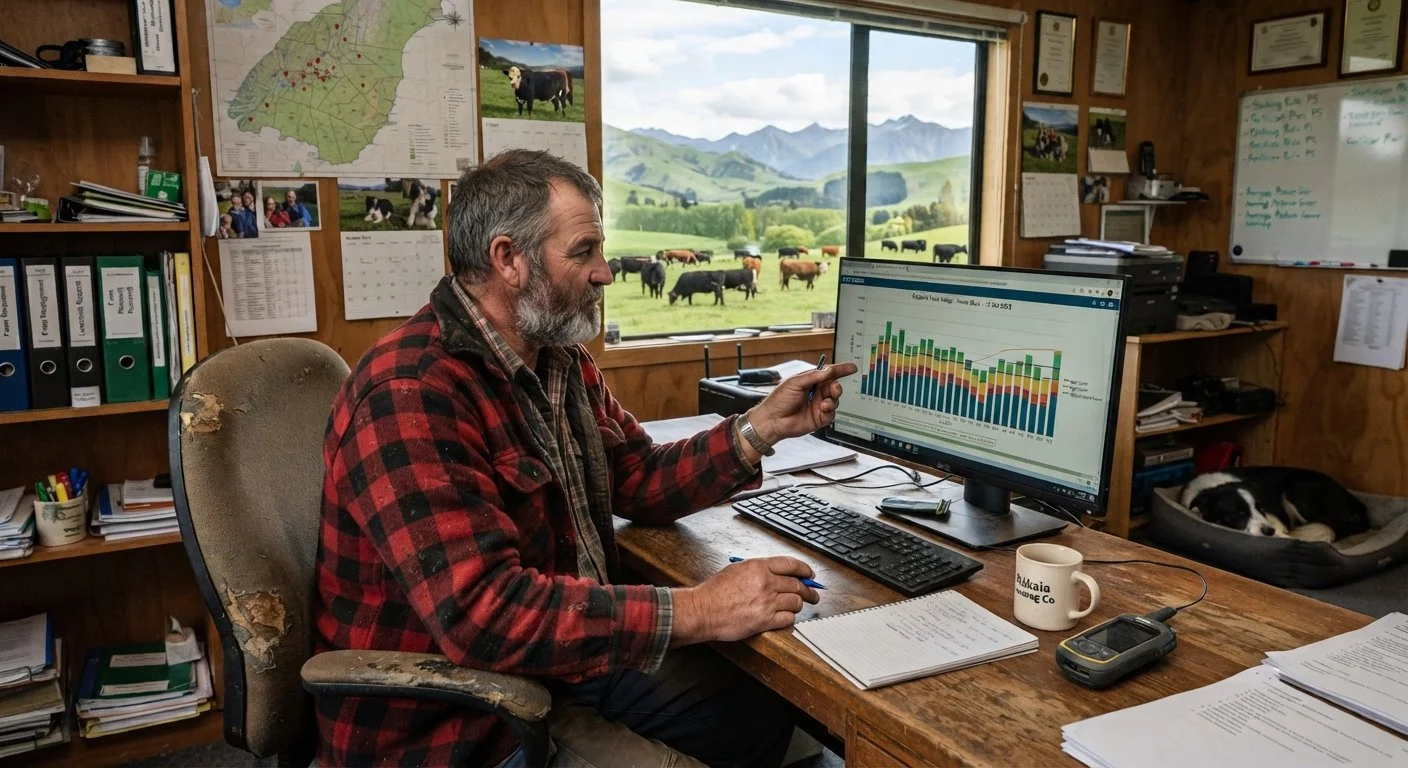
A feed wedge is essentially a visual representation of pasture cover across the farm. Each paddock is assessed for its approximate amount of available dry matter, and those paddocks are then arranged from the highest cover down to the lowest.
When viewed as a whole, the wedge shows the shape of the pasture supply. The paddocks at the top of the wedge represent the heavier covers that are approaching or are suitable for grazing, while those lower down represent paddocks that have recently been grazed or are still developing.
The ideal shape will vary according to the farm system, season, stocking rate and grazing strategy, but the principle remains the same. The farmer wants enough pasture coming forward to maintain a consistent grazing rotation without allowing paddocks to become excessively mature or, at the other end of the scale, running short of feed.
The value is not necessarily in producing a perfect-looking graph. It is in being able to see the direction the farm is heading.
Reading the farm before the cows do
One of the biggest advantages of a feed wedge is that it encourages proactive management.
Without that overview, it can be easy to look at today's pasture and assume tomorrow will look much the same. Grass growth does not work that way. It can change rapidly with temperature, rainfall, soil moisture, sunlight and the time of year.
A farm that looks comfortable today can suddenly be facing a feed deficit a couple of weeks down the track if growth rates slow and the grazing rotation is not adjusted. Likewise, a farm can find itself with too much pasture ahead if growth accelerates and grazing demand does not keep pace.
The feed wedge provides an early warning system.
If the wedge is becoming too thin, the farmer has time to consider the options. The rotation may need to be shortened, supplements may need to be introduced, a crop may need to be brought into the programme or some paddocks may need to be taken out for conservation.
If the wedge is becoming too heavy, there may be opportunities to speed up grazing, take surplus paddocks for silage or adjust the rotation so that pasture does not run past the ideal grazing stage.
The important point is that these decisions can be made before the problem becomes obvious in the cows.
“A feed wedge turns pasture from something you look at into something you can manage.”
Your eyes are still an important tool”
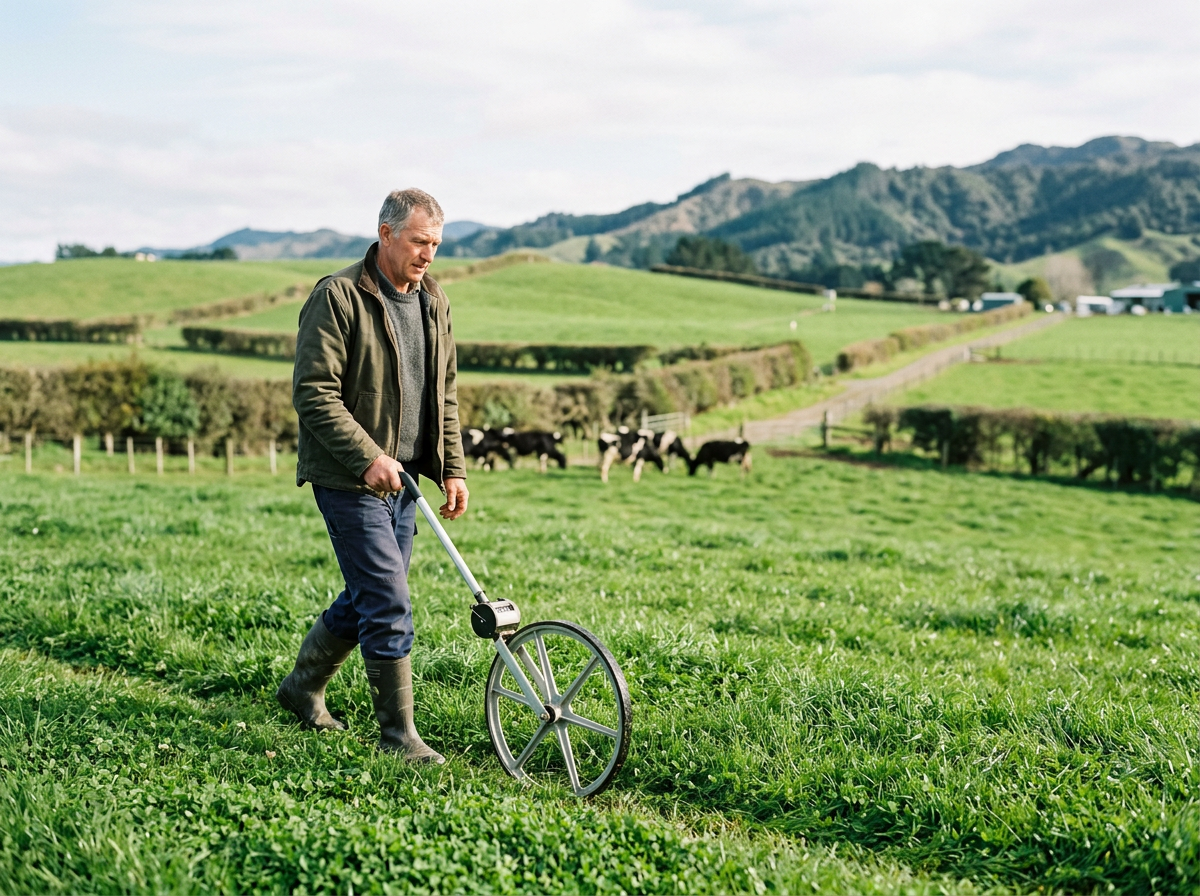
There is plenty of technology available to help measure and monitor pasture, but good pasture management still starts with actually looking at the paddocks.
A farm walk can tell you things a spreadsheet cannot. You can see whether pasture is growing evenly, whether certain paddocks are lagging behind, whether there are areas being affected by pugging, weeds, poor fertility or moisture stress, and whether the pasture looks like it is reaching the desired grazing stage.
The challenge is learning to look beyond the colour of the grass.
A paddock can look impressively green while carrying less usable feed than expected. Another may look less spectacular but have a dense, leafy pasture that is providing excellent grazing. Pasture quality, density, species composition and grazing history all influence what is actually available to the cows.
That is why regular measurement becomes increasingly valuable. The more familiar a farmer becomes with the relationship between what the pasture looks like and what it actually contains, the more useful those visual observations become.
Know where the farm is heading
The feed wedge becomes particularly useful when it is compared over time.
One measurement tells you what the farm looks like today. A series of measurements tells you what is happening.
If average pasture cover is falling, that is a signal that demand is exceeding growth. If it is increasing rapidly, growth is getting ahead of demand. Neither situation is automatically good or bad. The important thing is whether the pasture supply matches the grazing plan and the needs of the herd.
This is where experienced pasture managers often have an advantage. They are not simply asking, “How much grass have I got?”
They are asking, “What will I have?”
That difference is significant.
A feed wedge is most useful when it is used to anticipate the next part of the grazing rotation. If growth rates are slowing, the farmer needs to know before the cows arrive at the point where the farm is short. If growth is accelerating, they need to know before paddocks become over-mature.
The objective is to stay ahead of the cows rather than constantly trying to catch up with them.
Making better grazing decisions
Once the feed wedge has been established, it can help guide decisions about the grazing rotation.
If there is a strong wedge of suitable pasture ahead, the farm may have the flexibility to maintain or extend the rotation. If covers are falling, the grazing area and rotation may need to be reconsidered.
The same information can also help identify potential surplus. If several paddocks are moving beyond the desired grazing stage, those paddocks may be candidates for conservation rather than allowing the pasture to become too mature.
This is where pasture management becomes closely connected to feed budgeting. The farmer is not managing each paddock in isolation. They are managing the whole farm as a feed-producing system.
Every paddock has a job.
Some are being grazed. Some are recovering. Some may be building towards a future grazing. Others may be identified as surplus and harvested as silage. The feed wedge helps bring those different stages together into one overall picture.
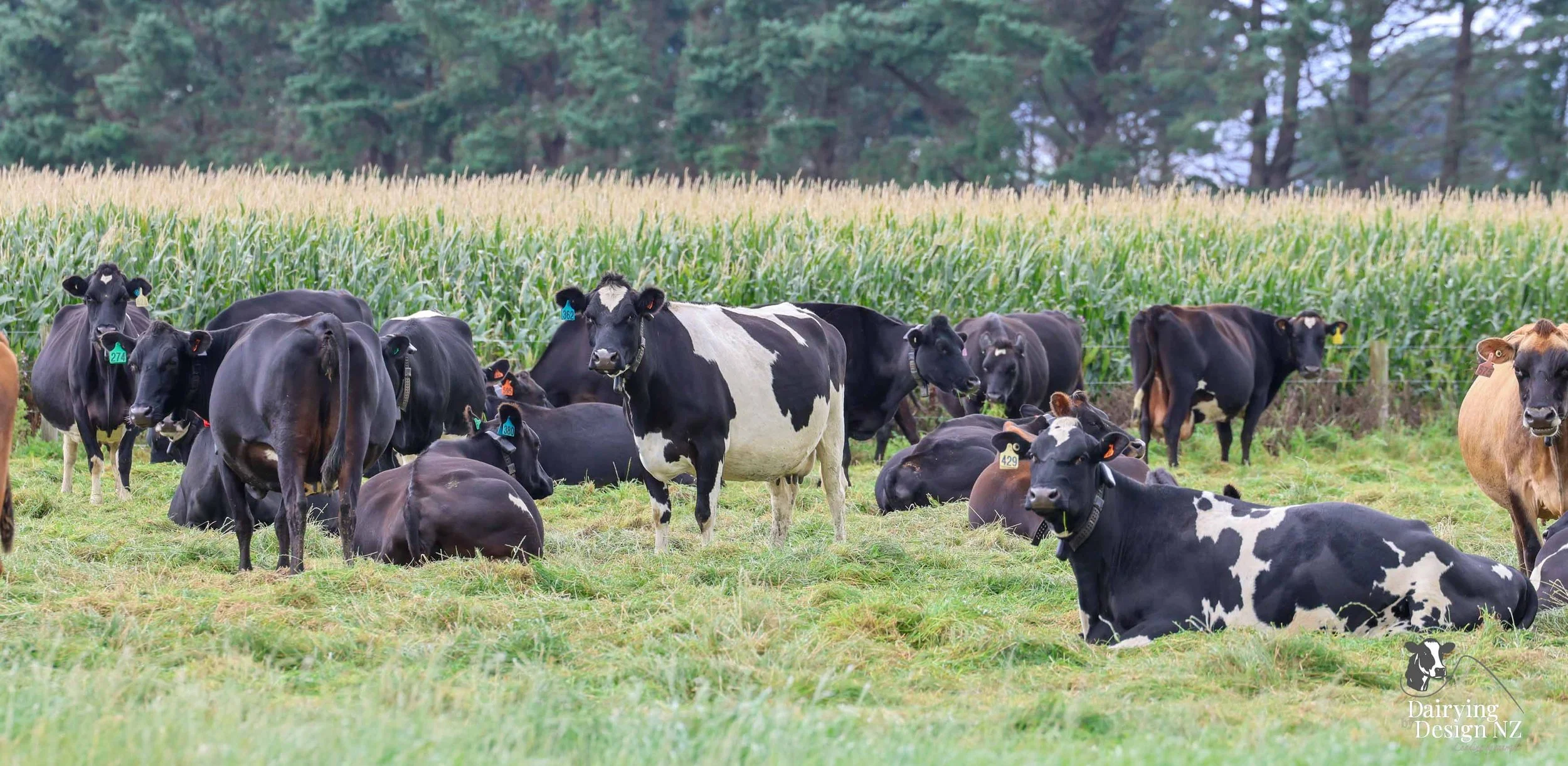
Photo by Dianna Malcolm
Don't let the numbers replace common sense
Pasture measurement is valuable, but it should not become an exercise in blindly following a number.
A calculated pasture cover is an estimate, and conditions can vary considerably between paddocks. The same average cover across two farms does not necessarily mean they have the same pasture quality, growth potential or grazing opportunity.
Farmers also know their own properties. They know which paddocks tend to perform well in spring, which ones struggle in dry weather, where fertility issues may show up and which areas need careful management after wet conditions.
The best pasture management combines measurement with observation and experience.
The feed wedge provides the bigger picture. Walking the farm helps explain what is behind it.
The real value is in acting early
Perhaps the biggest mistake with any form of pasture monitoring is collecting information without using it.
A feed wedge only becomes useful when it changes a decision.
If the wedge shows that pasture supply is tightening, what will you do about it? If growth is running ahead of demand, where is the surplus going? If one part of the farm is consistently behind the rest, what is causing it?
Those questions turn pasture measurement into pasture management.
And that is ultimately the purpose of the feed wedge. It is not about creating a pretty graph or producing another set of figures to add to the farm records. It is about giving the farmer enough information to make a better decision while there is still time to make it.
Looking beyond today's pasture
Grazed grass can be an incredibly efficient feed source, but only when the pasture is managed with some forward thinking.
The feed wedge provides that forward view. It allows farmers to see how the paddocks are lining up, recognise changes in growth, identify potential shortages or surpluses and adjust the grazing plan accordingly.
The cows will always tell you when the farm has run short. The trick is to know before they do.
A good feed wedge helps make that possible.
The most useful feed wedge is not necessarily the most complicated one. It is the one that gives you a clear picture of where the pasture is today and, just as importantly, where it is heading.
Walk the farm, measure consistently, look at the whole grazing platform and use the information to make decisions early. When pasture supply is understood as a moving picture rather than a snapshot, managing grass becomes much more proactive.
And remember, the cheapest feed on the farm still has to be grown, managed and harvested by the cow at the right time.
See you tomorrow for Day 2 of our Masterclass in pasture & feed management, when we look at the habits that separate consistently good pasture managers from those who are always chasing the grass.