
This is day 1 of our 7-day series on the farm characters. Not the people, the machinery or the buildings, but the animals that somehow manage to develop personalities all of their own. Every farm has them. The cow that appears the moment something interesting is happening. The one that seems to know when a gate is about to open, a trailer is about to arrive or someone is doing something they normally never do. Today, we are starting with the cow that always seems to know when something is happening.
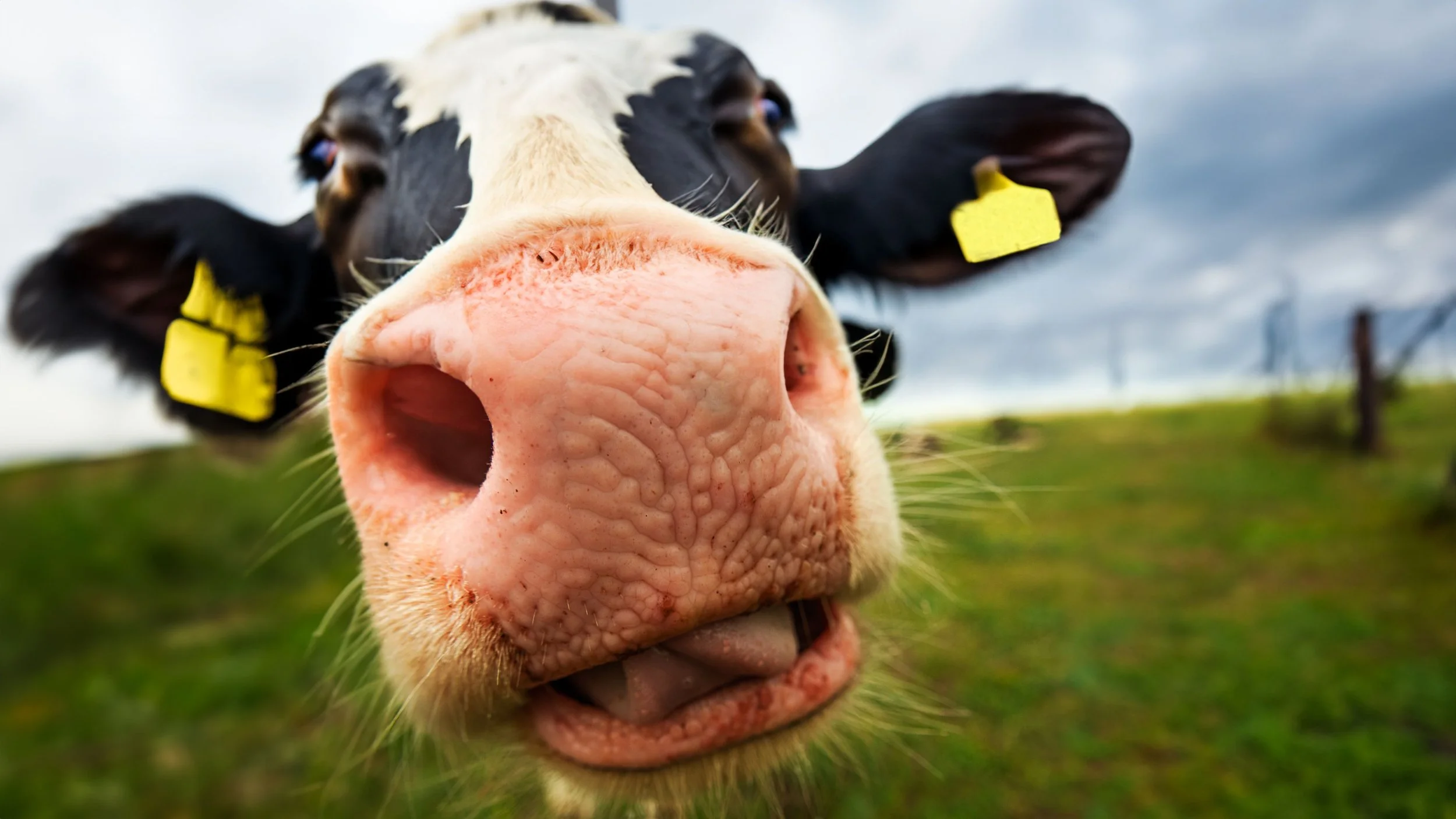
There is always one
Every farmer will know the type. You can be doing something completely ordinary, something that has absolutely nothing to do with the cows, and suddenly there she is. She has appeared from somewhere, usually with a level of interest that seems slightly excessive for whatever you are doing.
Perhaps you are shifting a piece of machinery. Maybe someone has arrived at the farm. A gate is being moved. A fence is being repaired. A contractor is doing a job in a paddock. Something has changed, and before long there is a cow standing nearby, watching proceedings with the sort of concentration you might expect from someone who has been specifically invited to supervise.
It is tempting to imagine that she knows exactly what is going on. Of course, we cannot know what a cow is thinking, and it would be a mistake to turn every curious behaviour into evidence of some remarkable sixth sense. Cattle are observant animals and they respond to changes in their surroundings, but that does not mean they understand the purpose behind what humans are doing.
Still, when the same cow repeatedly turns up whenever something different happens, it is hard not to notice.
The unofficial supervisor
Some cows seem particularly interested in anything outside the normal routine. They might approach a new object cautiously, stand watching when machinery is operating nearby or investigate something that has appeared where it normally would not be.
Perhaps the most entertaining part is the way farmers recognise these individual personalities. It is not necessarily something that can be measured or written down. It is simply something you notice after seeing the same animals day after day, season after season.
You begin to know which cow will be first to investigate a new bale feeder. You know which one will be standing at the gate when someone arrives. You know which cow will wander over to look at the trailer that has been sitting in the paddock for five minutes, even though every other cow has decided it is not worth their attention.
She becomes the farm's unofficial supervisor.
There is often no obvious reward for the job. She does not receive a clipboard. Nobody pays her. She is simply there, apparently determined to keep an eye on things.
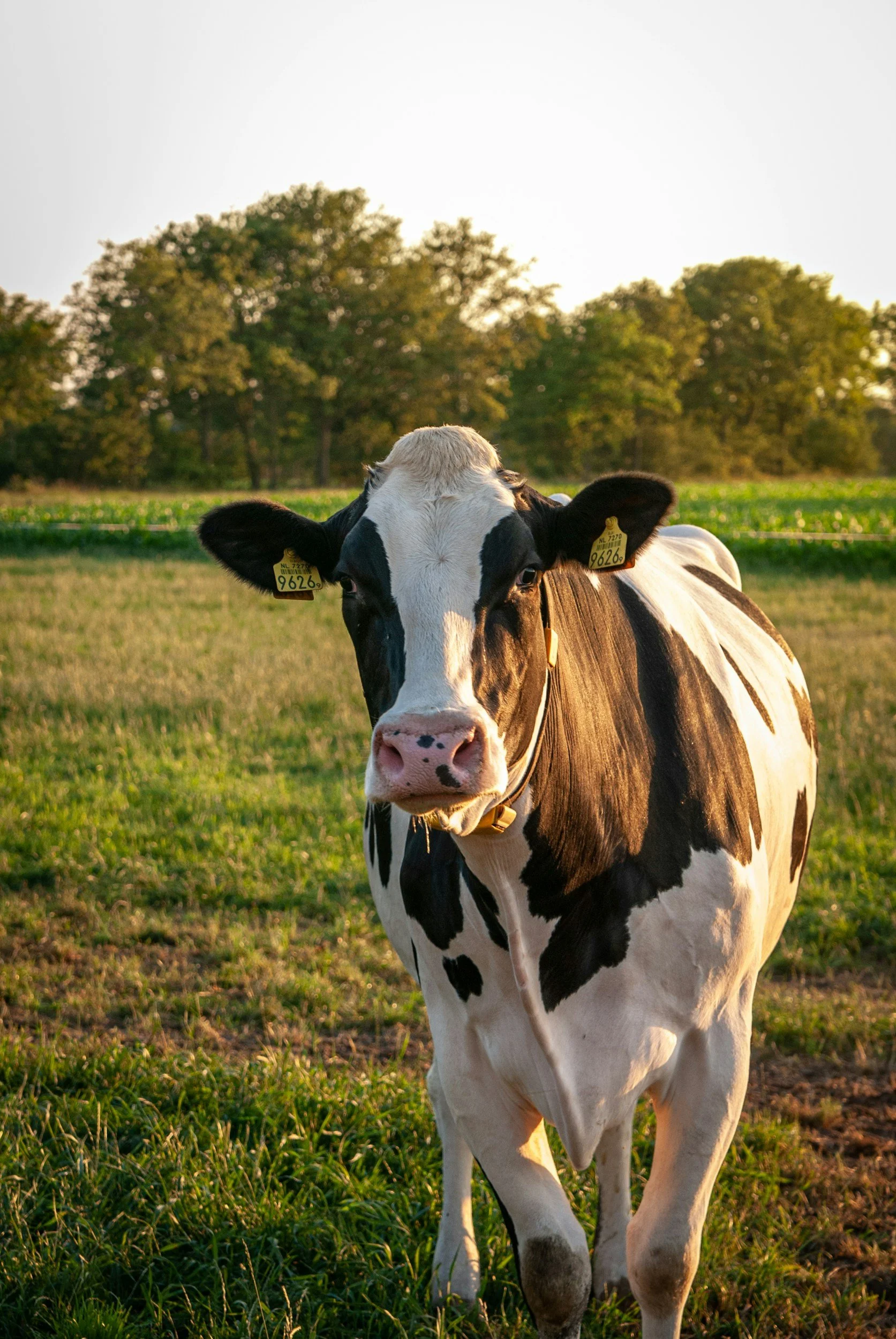
When routine changes
One reason these cows are so noticeable is that dairy farming involves a tremendous amount of routine. Cows become familiar with the places, movements and activities that make up their everyday environment. Farmers do too.
That is why a change can stand out.
Put something unfamiliar in a familiar place and it can suddenly become the most interesting thing on the farm. Open a gate that normally stays shut and somebody will notice. Park a vehicle somewhere unusual and it may attract attention. Have people working in an area where they normally do not work and suddenly there are eyes watching from the paddock.
The curious cow does not necessarily understand what the change means. She may simply be responding to something different in her surroundings.
But from the farmer's point of view, the result is often the same: there she is again.
The cow with a memory
Farmers also tend to build up a surprisingly detailed mental picture of individual cows over time. Not necessarily because they have deliberately studied them, but because repeated encounters create familiarity.
You might know that one cow is always among the first to come forward. Another is inclined to hang back. Another has a habit of appearing whenever a gate is opened. These observations become part of the background knowledge of running the farm.
That does not mean every behaviour has a complicated explanation. Sometimes a cow is simply where she happens to be.
But sometimes patterns become difficult to ignore.
A cow that repeatedly shows interest in particular situations becomes recognisable, not because she has been given a formal personality assessment, but because the people around her have noticed her doing the same sorts of things again and again.
It is one of those aspects of farming that is difficult to capture in a spreadsheet.
You start talking about them
This is where farm characters become particularly interesting. Once an animal develops a reputation, she can become part of the farm's unofficial history.
People talk about her.
"That's the one."
"She'll be over here in a minute."
"Wait until she sees that."
The comments are usually made with complete confidence because someone has seen it happen before.
New staff might not understand what is so remarkable about a particular cow. They may simply see another animal in the herd. Give it a little time, however, and they start recognising the characters for themselves.
That is how farm knowledge is often passed on. Not through a formal document, but through hundreds of small observations and conversations.
Not everything needs an explanation
There is also something rather nice about leaving some of these behaviours unexplained.
Farming can be an intensely practical occupation. There are figures to watch, jobs to complete, decisions to make and problems to solve. There is always something that needs attention.
Then there is the cow standing at the fence, watching a person repair something she has absolutely no business being interested in.
Perhaps she is curious. Perhaps she has noticed a change in her surroundings. Perhaps she is hoping something interesting might happen. Perhaps she is simply in exactly the right place at exactly the right time.
We do not need to know.
Part of the charm of farming is that not everything has to be turned into a technical explanation. Some things are simply observations that become familiar because you see them often enough.
And once you know the characters on your farm, you start noticing them without even thinking about it.

Photo by Dianna Malcolm
Every farm has its characters
The cow that always seems to know when something is happening is rarely famous beyond her own farm gate. She will not appear in a report or make the agricultural news. There will probably never be anything particularly remarkable recorded about her.
Yet she can become one of those animals that people remember.
Years later, someone might mention her name and immediately remember exactly which cow they mean. They will remember the way she always appeared when something was going on, the places she liked to stand and the occasions when she somehow managed to be right in the middle of proceedings.
That is the thing about farm characters. They become part of the fabric of the place.
And perhaps that is why farmers notice them so much. When you spend enough time around the same animals, you stop seeing a herd as simply a group of cows. You begin to recognise individuals, habits and quirks. You know who is who, who does what and who is likely to turn up when something unusual happens.
Tomorrow, we meet another farm character altogether: the escape artist, the cow who seems to regard every fence, gate and boundary as nothing more than a suggestion.
See you tomorrow for day 2 of the farm characters.