The First 100 Days
How Calf Rearing Creates Tomorrow's Fertile Cow
When a replacement heifer finally walks into the dairy shed for her first lactation, it's easy to judge her on what she has become. But the reality is that much of her future was shaped long before she joined the milking herd.
The foundations of fertility are established during the earliest stages of life. Every feed, every kilogram of liveweight gained and every management decision made during those first 100 days contributes to the animal she will eventually become.
While genetics certainly influence reproductive performance, they can only deliver their full potential when supported by excellent calf rearing. A well-bred calf that experiences nutritional setbacks or poor early management can struggle to achieve the performance expected of her later in life.
It All Starts With Colostrum
The first feed a calf receives is arguably the most valuable meal of her lifetime.
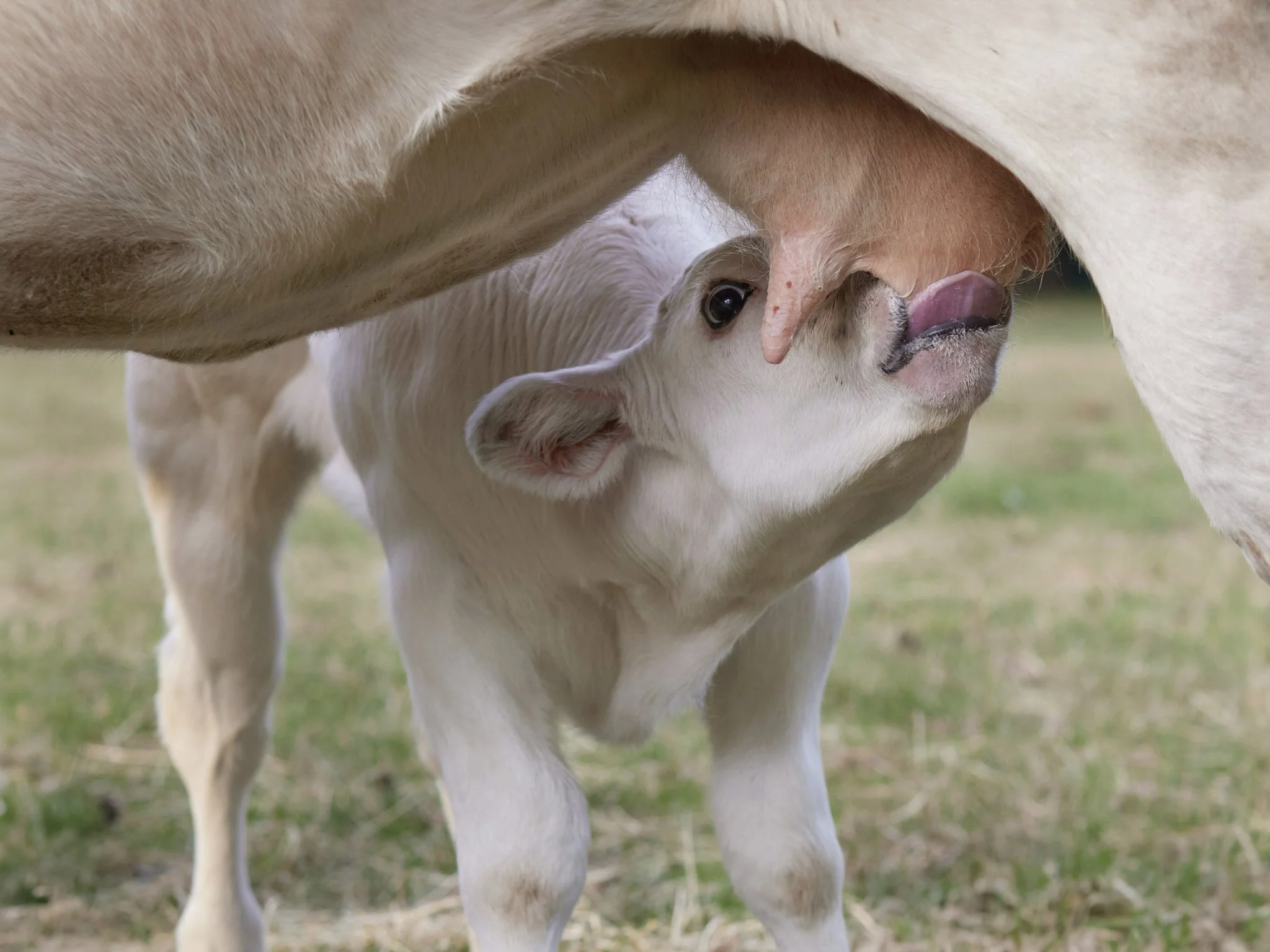
Quality colostrum delivers antibodies that help protect newborn calves against disease during those critical early weeks when their own immune system is still developing. Without that protection, calves become more vulnerable to illness, treatment and growth checks that may have lasting consequences.
Successful colostrum management is about far more than simply feeding enough. Timing, quality and cleanliness all influence how effectively those valuable antibodies are absorbed. Every hour of delay reduces the calf's ability to utilise them, making prompt feeding one of the simplest yet most important management decisions on the farm.
Healthy calves spend less time recovering from illness and more time growing.
“The first 100 days don’t just shape the calf in front of you—they help determine the fertility and productivity of the cow she’ll become.”
Growth Today Influences Fertility Tomorrow
One of the strongest indicators of future reproductive performance is consistent growth throughout the rearing period.
Replacement heifers that achieve target liveweights on time are more likely to reach puberty earlier, cycle normally and be ready for mating at the desired age. Those that experience growth checks often spend months trying to catch up, and some never fully do.
Steady growth isn't about pushing calves as hard as possible. Instead, it reflects a balanced nutritional programme that provides enough energy, protein and essential nutrients to support healthy skeletal development, muscle growth and organ function.
Every kilogram gained during the rearing period is another step towards a productive adult cow.
Building the Engine Room
As calves transition from milk to solid feed, another remarkable process is taking place.
Their rumen is developing.
A well-developed rumen allows young stock to efficiently utilise pasture and supplementary feeds as they mature. Encouraging early intake of quality calf starter and forage stimulates rumen development, helping calves make a smoother transition through weaning and reducing setbacks.
Poor rumen development, on the other hand, can limit feed efficiency long after calves leave the rearing shed.
It's an investment that pays dividends well into adulthood.
The Cost of Cutting Corners
Every farming business looks for opportunities to manage costs, particularly during busy calving periods.
However, calf rearing is one area where short-term savings can become long-term expenses.
Reducing milk intake too early, feeding inconsistent diets, delaying treatment of illness or compromising housing conditions may lower immediate costs, but the impact often reappears months or years later through slower growth, delayed mating, poorer conception rates or increased replacement losses.
What appears to be a saving today can quietly reduce profitability for years to come.
Why Weaning Weight Matters
Weaning is an important milestone, but the number on the scales often tells a much bigger story.
Heavier, well-grown calves generally continue along a stronger growth curve, making it easier to reach target weights before mating. Those that are underweight at weaning frequently require additional time and resources to recover, placing ongoing pressure on the replacement programme.
The objective isn't simply to achieve a particular weaning date.
It's to produce calves that are physically prepared to continue growing without relying on milk.
Good preparation before weaning makes that transition far smoother.
Looking Beyond the Calf Pen
Calf rearing shouldn't be viewed as a separate enterprise operating alongside the dairy herd.
Instead, it represents the beginning of the next generation of productive cows.
Every replacement heifer carries years of future milk production, genetic improvement and reproductive potential. Protecting that investment starts on day one.
The farms achieving consistently strong fertility often share one common trait. They don't see calf rearing as a cost of doing business—they see it as one of the most important investments they'll ever make.
Investing in Tomorrow's Herd
There are very few opportunities in farming where relatively small management decisions can have such long-lasting effects.
Good colostrum management strengthens immunity.
Consistent nutrition supports growth. Healthy rumen development prepares calves for life on pasture. Steady liveweight gains help heifers reach mating targets on time.
Together, these seemingly small decisions build healthier, more fertile cows capable of remaining productive within the herd for many years.
Because when it comes to fertility, tomorrow's results often begin with the calves being fed today.