The First 24 Hours: How One Day Can Shape a Cow's Entire Lifetime
Welcome to the second feature article in our calf rearing series. In this article, we look at the critical first 24 hours of a calf’s life and how the decisions made during this short window can influence her health, growth, immunity and future productivity for years to come.
From the first moments after birth through to colostrum intake, bonding and early care, those first hours provide the foundation for the cow she has the potential to become.
There are very few days in a dairy cow's life that carry as much importance as her first. It is just 24 hours out of what could become a productive life spanning six or seven years, yet those first precious hours can influence everything from growth rates and disease resistance to fertility, longevity and ultimately milk production.
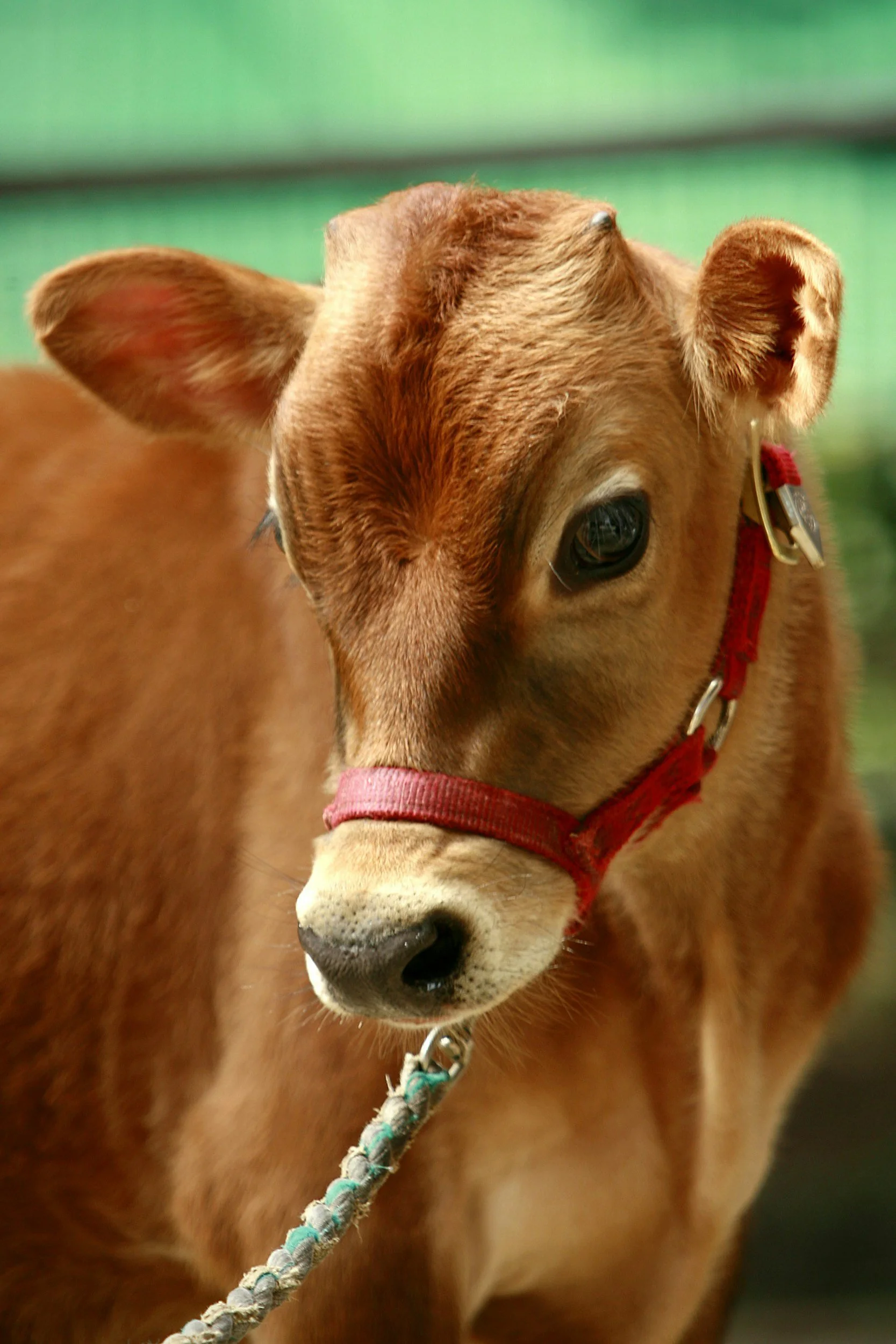
“The first 24 hours are not simply another day in the calving calendar — they are the foundation upon which an entire lifetime of productivity is built.”
For New Zealand dairy farmers, calving season is one of the busiest times of the year. With dozens or even hundreds of calves arriving in quick succession, it can be tempting to focus on simply getting calves fed, tagged and settled before moving on to the next arrival. But science and practical experience continue to show that what happens during a calf's first day can have effects that last a lifetime.
It all begins the moment the calf takes its first breath.
A normal calving should produce a calf that is alert and attempting to stand within an hour. Those first wobbly attempts at finding its feet are more than just a reassuring sight. Standing encourages circulation, improves lung function and helps the calf begin searching for its first and most important meal.
No feed will ever equal the importance of colostrum.
Often referred to as "liquid gold", colostrum provides the antibodies that calves are unable to receive before birth. Unlike humans, calves are born with virtually no protective immunity because antibodies do not pass across the placenta during pregnancy. Their first defence against disease comes entirely from the colostrum they consume after birth.
Timing is critical. The calf's intestine is specially designed to absorb these antibodies immediately after birth, but this ability declines rapidly. Within six hours, absorption has already reduced significantly, and by around 24 hours the gut effectively closes to these large protective molecules. Delayed feeding means valuable immunity is simply lost.
Quantity matters just as much as timing. A generous first feed of high-quality colostrum gives calves the greatest opportunity to absorb the antibodies they need to fight disease during those vulnerable first weeks of life.
The quality of that colostrum is equally important. Cows that are well managed during the transition period, receive balanced nutrition and experience minimal stress generally produce better-quality colostrum. Good dry cow management doesn't simply prepare the cow for lactation—it prepares the calf for life.
While colostrum often receives most of the attention, another simple task performed during those first hours can prevent significant health issues later on.
The umbilical cord is effectively an open doorway into the calf's bloodstream. Dipping the navel in a suitable iodine solution soon after birth helps reduce the risk of bacteria entering the body and causing infections in the joints, liver or bloodstream. It is a quick job that can prevent expensive veterinary treatment and poor growth later on.
Warmth is another factor that is sometimes underestimated.
New Zealand winters can be unforgiving, particularly in the lower South Island and elevated inland districts. A newborn calf has limited body fat and must use valuable energy simply to maintain its body temperature. Every unit of energy spent keeping warm is energy that cannot be used for growth or supporting the immune system.
Providing deep, dry bedding and shelter from wind and rain allows calves to conserve energy during those critical first days. In particularly cold conditions, calf jackets may provide additional protection, especially for smaller or weaker calves.
Hydration also deserves attention. Farmers often assume milk provides all the fluid calves require, yet access to clean drinking water from an early age encourages feed intake and supports rumen development. Calves that begin drinking water sooner often transition onto solid feed more successfully.
Although calves are born with an undeveloped rumen, introducing small amounts of quality calf starter feed during the first week encourages rumen microbes to establish and begin fermenting feed. This process stimulates rumen growth and helps prepare calves for weaning several weeks later.
The environment calves enter during those first 24 hours also plays an important role.
Good ventilation without cold draughts reduces the build-up of moisture and airborne bacteria. Clean bedding helps minimise exposure to disease-causing organisms while still allowing calves to develop their own healthy gut microbiome. As explored earlier in this series, cleanliness is essential, but complete sterility is neither practical nor desirable. Calves need exposure to normal environmental microbes to help their immune systems mature.
Stress should also be kept to an absolute minimum during the first day.
Excessive handling, prolonged transport, overcrowding or frequent movement between pens all place additional strain on a calf that is already adapting to life outside the womb. Quiet, consistent handling allows calves to settle, feed well and conserve energy for growth.
The effects of getting these early management decisions right often extend far beyond the calf-rearing shed.
Numerous studies have shown that calves achieving higher daily weight gains before weaning frequently enter the milking herd earlier, produce more milk during their first lactation and remain in the herd longer. Healthy calves experience fewer setbacks, require fewer treatments and often become more productive cows throughout their working lives.
Conversely, calves that suffer illness during those first few weeks frequently spend months trying to catch up. Even when they appear healthy later, the lost growth and early damage to the digestive or respiratory systems may continue to affect future performance.
This is why experienced calf rearers often say that every healthy calf represents an investment rather than an expense. The time spent ensuring prompt colostrum intake, clean housing, adequate warmth and careful observation pays dividends years later when those calves enter the dairy herd.
Modern dairy farming continues to adopt new technologies, nutritional products and management systems, but the fundamentals remain remarkably consistent. Good stockmanship, close observation and attention to detail during the first day of life still deliver some of the greatest returns.
As this seven-part calf rearing series comes to a close, one message stands above all others. There is no single silver bullet that guarantees healthy, productive cows. Instead, success comes from consistently getting the small things right, day after day, calf after calf.
The first 24 hours are not simply another day in the calving calendar. They are the foundation upon which an entire lifetime of productivity is built. When farmers invest their time and care during those precious first hours, they are not just raising healthier calves—they are building the future of their herd.