
What a cow can smell that we can’t
A cow puts her nose to work long before most of us realise there is anything there to smell. What seems like an ordinary paddock, a familiar race or a feed trough that has been in exactly the same place for months is not necessarily an uneventful landscape to a cow’s nose. It is full of chemical information that humans simply cannot detect in the same way.
We tend to think of smell as something fairly straightforward. If something smells strongly of silage, manure, fresh grass, smoke or rain, we notice it. If there is no obvious smell, we assume there is not much happening. For a cow, that is a very different story. Her sense of smell gives her access to an enormous amount of information about her surroundings, and some of it is far beyond the limits of the human nose.
This is particularly interesting on a dairy farm because cows live in an environment where smells are constantly changing. Freshly grazed pasture, another cow, a feed source, wet soil, a recently cleaned area, a familiar shelter and even the scent left behind by other animals can all provide information. To us, many of those smells blend into the general background of farm life. To a cow, they can be much more noticeable.
A nose built for information
A cow's sense of smell is not simply about detecting whether something smells pleasant or unpleasant. Smell is one of the ways she gathers information about her environment, and her nose is closely connected to the way she investigates the world around her.
When a cow raises her head and draws in a breath, she is taking in airborne molecules that can carry information about what is nearby. Some of those molecules are familiar and others may signal something new. Her brain interprets the information arriving through her olfactory system, allowing her to distinguish between different smells and respond accordingly.
This is one reason cows will often stop and sniff something that appears completely uninteresting to a person. A new object might have little visual significance, but it can carry an unfamiliar scent. A recently moved piece of equipment, a different feed ingredient or another animal passing through an area can all alter the chemical landscape around the cow.
What looks like a cow simply standing there with her nose in the air may actually involve a considerable amount of information gathering.
The smell of another cow
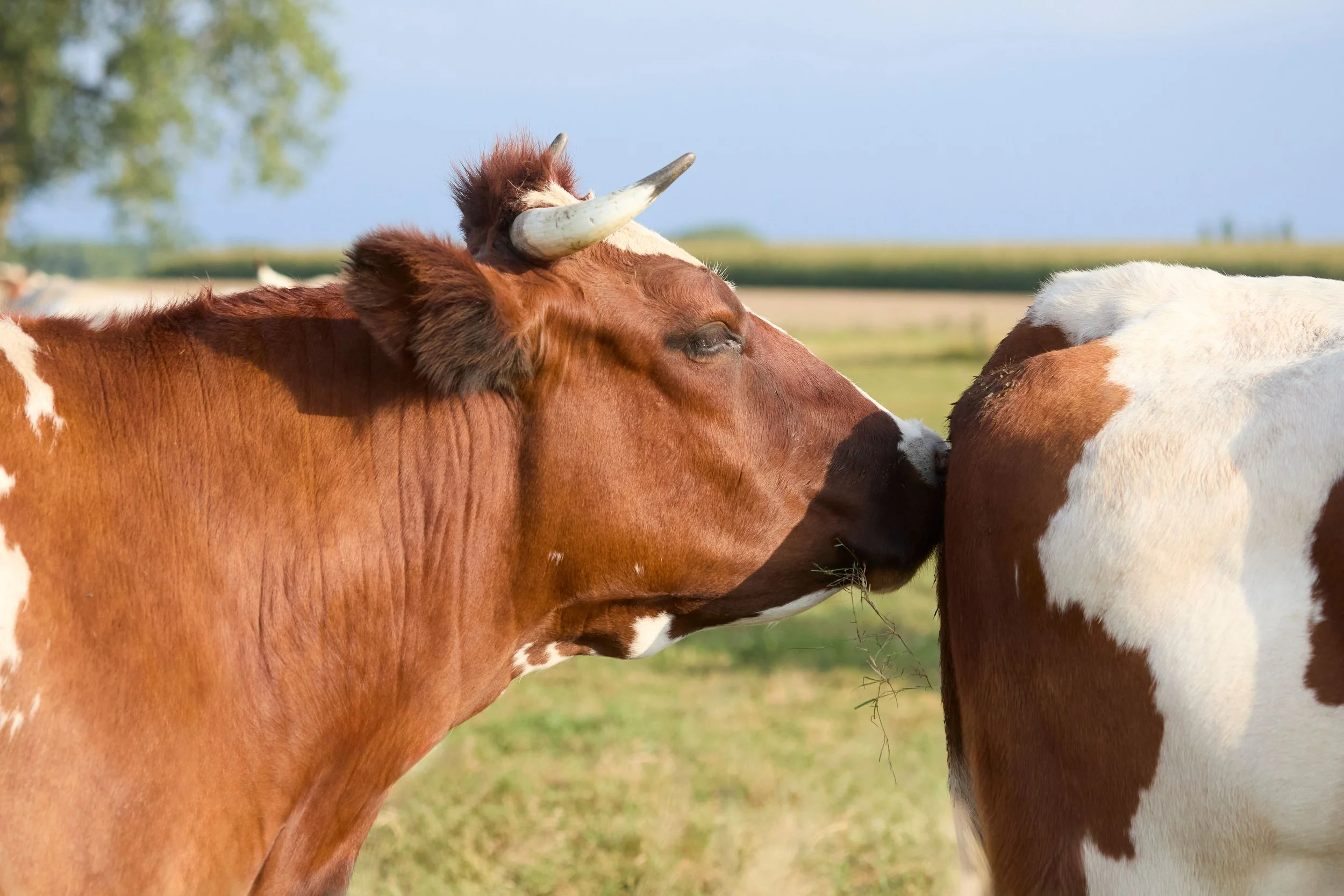
One of the most useful things about smell is that it can provide information about other animals. Cows live socially, and individual animals have their own combination of odours. A cow does not need to see another animal to know that something has been nearby.
The scent left by another cow can remain in an area after she has moved away. Urine, faeces, saliva, skin oils and other natural body secretions all contribute to an animal's individual odour. The surrounding environment can also carry traces of that animal.
Humans are generally poor at identifying individual cows by smell. We might notice the general smell of cattle, particularly in a shed or yard, but we are not equipped to pick apart the subtle differences in the way another cow's nose can.
For a cow, however, scent can be part of recognising what is familiar and what is unfamiliar. This becomes particularly interesting when calves and their mothers are involved, because smell contributes to the recognition process between them.
A cow does not rely on one sense alone. Sight, sound, touch and smell all contribute, but smell can continue providing information when an animal is out of sight.
What fresh grass smells like to a cow
Fresh pasture has a smell that most farmers recognise, particularly after rain or when a paddock has been recently grazed. Humans can detect the familiar green, earthy smell of growing vegetation, but a cow is likely to experience that pasture as a much more complicated collection of chemical signals.
Plants release volatile compounds into the air. These compounds contribute to what we perceive as the smell of vegetation, but the cow's nose can detect and interpret many of those airborne chemicals. The smell of one plant is not necessarily identical to another, and the scent of pasture can change with plant maturity, weather conditions, damage to leaves and other environmental factors.
When a cow lowers her head and begins investigating a patch of pasture, smell is part of the process. She is not simply looking for something green. Her senses are helping her assess what is around her, with smell working alongside taste and touch as she decides what to investigate and eat.
This is one reason a paddock can smell completely ordinary to us while still providing a cow with a wealth of information.
Rain has a smell before it arrives
One of the most fascinating questions is whether cows can smell rain before humans know it is coming. The answer is not quite as simple as saying that cows have a special ability to smell rain itself.
Rain changes the environment in ways that create smells, and animals with a sensitive sense of smell can detect some of those changes. Before or during a weather change, humidity, wind direction, soil conditions, plant compounds and airborne particles can all alter the smells reaching a cow's nose.
The familiar earthy smell that people associate with rain is partly produced when rainfall interacts with the ground and releases compounds into the air. But a cow may also be detecting other environmental changes associated with an approaching weather system.
That does not mean every cow knows it is going to rain hours before it happens. Weather folklore can sometimes get carried away with claims about what animals supposedly predict. What is more realistic is that a cow's highly sensitive nose can detect changes in the environment that humans may not notice.
For an animal that spends much of its life outdoors, being able to detect subtle environmental changes is useful information.
Smells we cannot separate
Perhaps the biggest difference between a cow and a human nose is not that cows can detect one magical smell that humans cannot. It is that cows can detect and process a much broader range of chemical information, including scents that are too faint for us to notice.
Think about standing in a paddock after a busy day. A person might notice grass, manure, soil and perhaps the smell of feed. A cow is effectively living inside a much more detailed version of that same smellscape.
There are countless compounds moving through the air at any given time. Some are produced by plants, some by animals, some by soil and some by the wider environment. We experience many of them as one general background smell because our noses and brains do not separate them particularly well.
A cow's olfactory system is better suited to detecting subtle differences. This gives her access to information that is effectively invisible to us.
It is a little like looking at a landscape through a window. Two people may be looking at exactly the same view, but one has a much more powerful set of binoculars. The landscape has not changed; the amount of information available to each observer has.
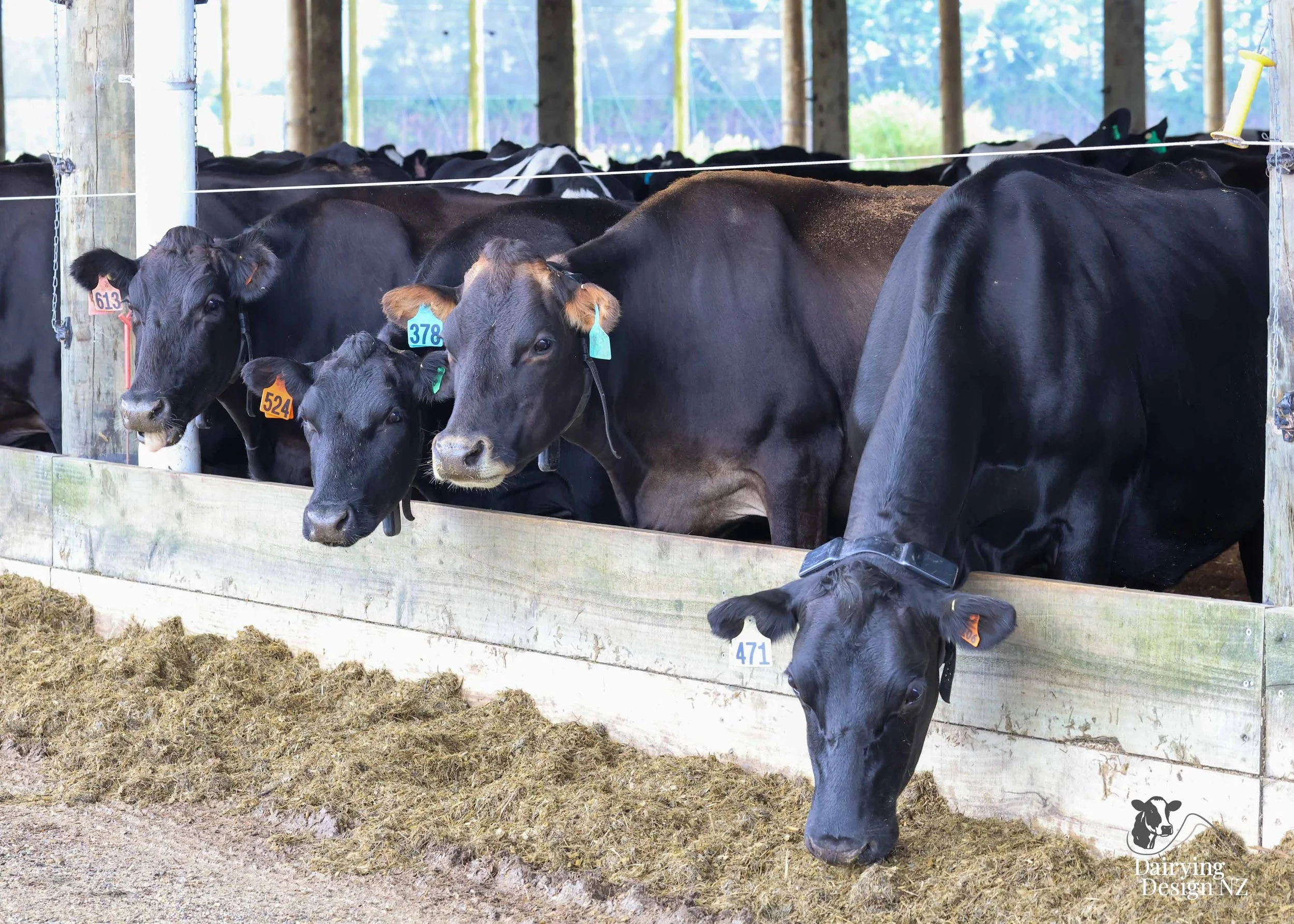
Photo by Dianna Malcolm
The smell of feed
Feed is another area where the difference between human and bovine smell becomes particularly interesting. Cows are constantly exposed to the scents of pasture, silage, hay, crops, minerals and other feed ingredients.
Humans can certainly smell whether silage is fresh, sour, sweet, earthy or unpleasant. But a cow's nose is gathering information from the individual volatile compounds that make up those smells. Her response is also connected to taste and previous experience.
That means the smell of feed can influence what attracts a cow's attention before she even takes a mouthful.
A familiar feed may have a recognisable scent, while something new can be immediately noticeable. If a ration changes, the smell may change with it. Cows do not need someone to explain that a different ingredient has been added. Their noses are already receiving information about the change.
This does not mean a cow will automatically reject anything that smells different. Curiosity and previous experience also play a part. But smell gives her an early indication that something in front of her is not quite the same as usual.
Smelling danger
Smell can also help animals identify situations that deserve caution. Smoke is an obvious example. Humans can smell smoke, but animals may detect environmental odours and changes before we do, depending on the circumstances.
The same principle applies to unfamiliar animals or changes in an environment. A cow does not have to see something to know that a new scent has entered her surroundings.
This can be especially useful at night or when visibility is poor. A familiar environment does not necessarily become scentless simply because it is dark. The cow's nose continues working regardless of whether she can see clearly.
That gives her another way of gathering information when her other senses are limited.
Why cows sniff each other
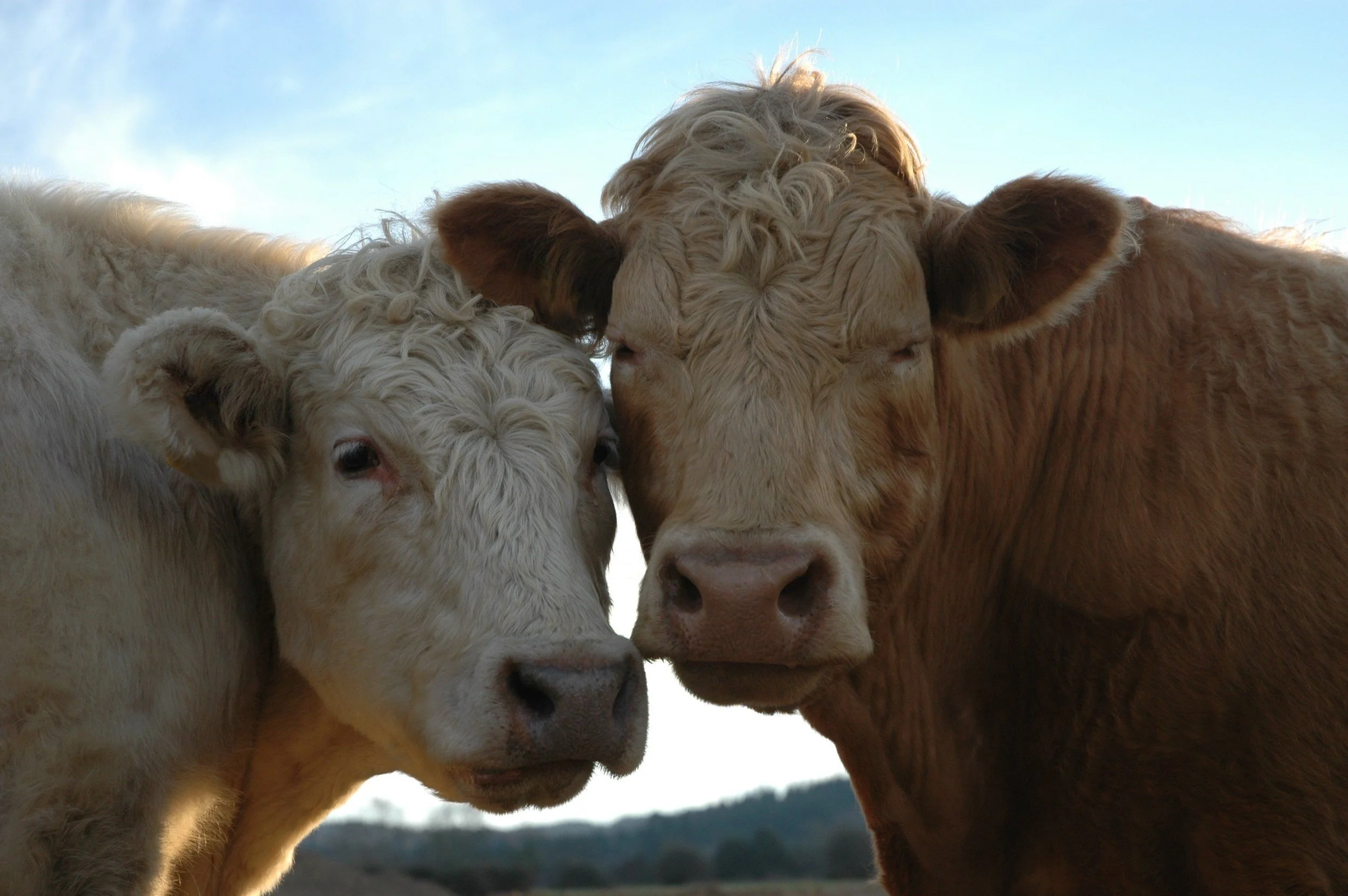
Anyone who has watched cows being introduced to one another will have seen the familiar nose-to-nose investigation. It can look almost comical, particularly when two cows stand with their muzzles touching as though they are having a very serious conversation.
In a way, they are.
Smell is part of how cows gather information about one another. The scent of another animal can tell them that she is present and may contribute to recognising familiarity. Body odour, secretions and the smells associated with feeding and recent activity all contribute to the information available through the nose.
Cows also use smell in social situations involving calves. A calf has a distinctive scent, and the smell of the calf is part of the collection of cues a cow uses when identifying and responding to it.
This is one reason the nose is such an important part of a cow's interaction with the rest of the herd.
There is a whole world in the air
Perhaps the most remarkable thing about a cow's sense of smell is how much information is invisible to us.
Humans tend to judge the world primarily through what we can see. If something is not visible, it can be easy to forget that it is still there. But the air around a cow is carrying thousands of different molecules, and some of those molecules contain useful information.
A cow's nose gives her access to part of that hidden world.
She can detect smells from plants, other animals, feed and changes in her surroundings. Some smells will be familiar and reassuring, while others may signal something new. Her brain combines that information with what she sees, hears, tastes and feels.
This is why the seemingly simple act of a cow stopping to sniff can be more significant than it appears. She is not just smelling something. She is gathering information.
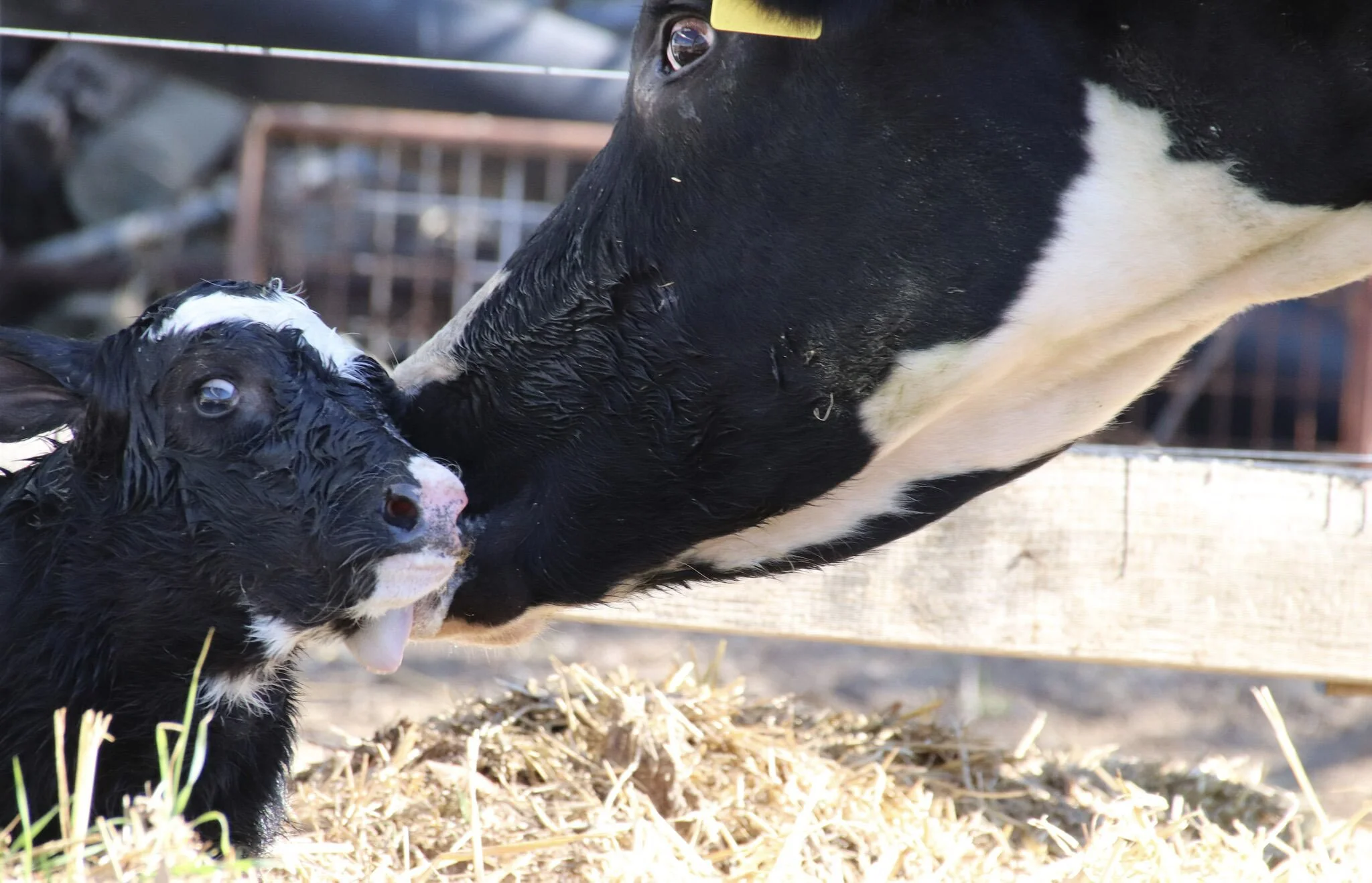
Photo by Dianna Malcolm
The smellscape of a dairy farm
For farmers, perhaps the most interesting way to think about this is to imagine the farm from the cow's perspective. We see paddocks, races, yards, sheds, water troughs, fences and feed. The cow experiences all of those things too, but she is also moving through an ever-changing landscape of smells.
The paddock she enters today does not smell exactly the same as it did yesterday. The weather has changed. Different plants are releasing different compounds. Other cows have grazed through it. The soil may be wetter or drier. Fresh feed may have arrived. A gate may have been moved. Another animal may have passed through.
None of those changes needs to be obvious to a person for the cow to notice that something is different.
Her nose is effectively giving her another map of the farm, one that humans cannot see and only partly understand.
A cow lives in a world we cannot smell
So, what can a cow smell that we cannot? The honest answer is that there is no single list of secret cow smells that humans are completely incapable of detecting. The difference is more interesting than that.
A cow can detect many airborne chemical signals at concentrations and levels of detail that are beyond our own sensory abilities. She can pick up subtle differences between animals, plants, feed and environmental conditions, and she can combine those smells with information from her other senses.
For an animal whose head spends so much time close to grass, soil, feed and other cattle, that ability makes perfect sense.
The next time a cow suddenly lifts her head, sniffs the air or stops to investigate something that appears completely ordinary, it is worth remembering that she may be noticing a world that simply does not exist for our noses. The paddock may look exactly the same to us, but to her, the air could be carrying a fresh set of messages.
We just do not have the equipment to read them.