
This is Day 2 of our seven-day series on summer feed, and today we are looking at the other half of the equation. Yesterday we talked about making every kilogram of feed count. Today, we are getting closer to the cow and looking at what happens when that feed reaches the paddock.
Because having plenty of grass in front of the herd does not automatically mean cows are going to eat plenty of it.
Summer pasture can change quickly, and the difference between a paddock that looks green and a paddock that provides high-quality, highly digestible feed can be surprisingly significant. For dairy farmers, understanding that difference is important because cow intake sits right at the heart of milk production, body condition and overall herd performance.
Green does not always mean good
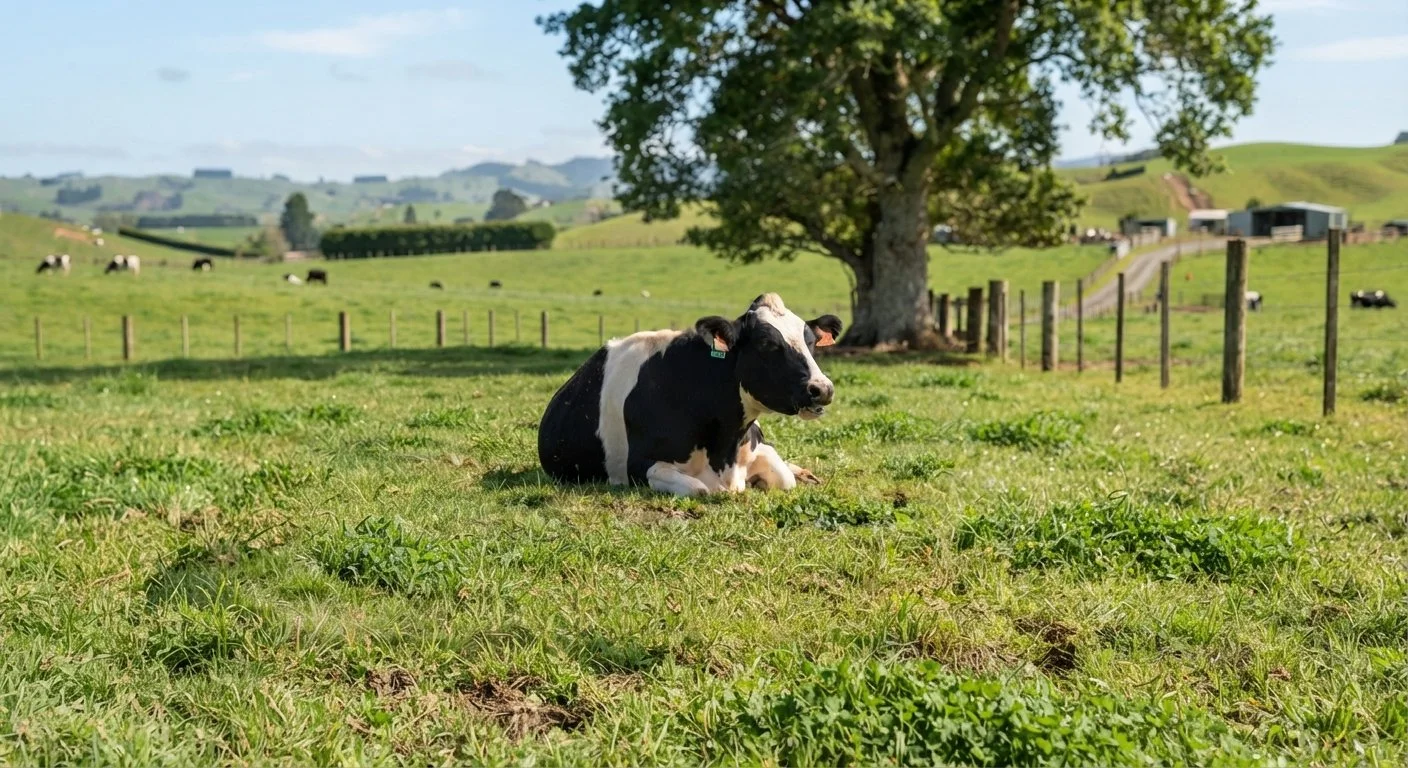
It is easy to look across a paddock in summer and feel reassured when everything is still looking green. But pasture colour tells only part of the story.
As pasture matures, the proportion of stem and reproductive material can increase, while the amount of highly digestible leafy material available to the cow decreases. The result can be a paddock that looks substantial but does not provide the same feeding value as a younger, leafy pasture.
Cows are also remarkably good at making their own decisions about what they want to eat. Given the opportunity, they will generally select the more palatable and nutritious parts of the pasture first. That means the pasture available to the cow and the pasture she actually consumes can be two quite different things.
This is why summer grazing management needs to look beyond pasture quantity and consider pasture quality as well.
Intake is the engine room
A high-producing dairy cow needs to consume enough feed to support her energy requirements. If intake falls, there can be consequences for production and condition, particularly when the herd is already facing the additional challenges that summer can bring.
The challenge for the farmer is that reduced intake is not always immediately obvious. There may still be plenty of pasture in the paddock, but if it is mature, stemmy or less palatable, cows may not be able to achieve the intake they need.
This is where pasture management becomes closely connected to herd management. A grazing plan that consistently presents cows with good-quality pasture can help encourage intake, while poor-quality or poorly managed pasture can make the cows work considerably harder for the same amount of useful feed.
The aim is not simply to fill the paddock. It is to fill the cow.
Watch the grazing behaviour
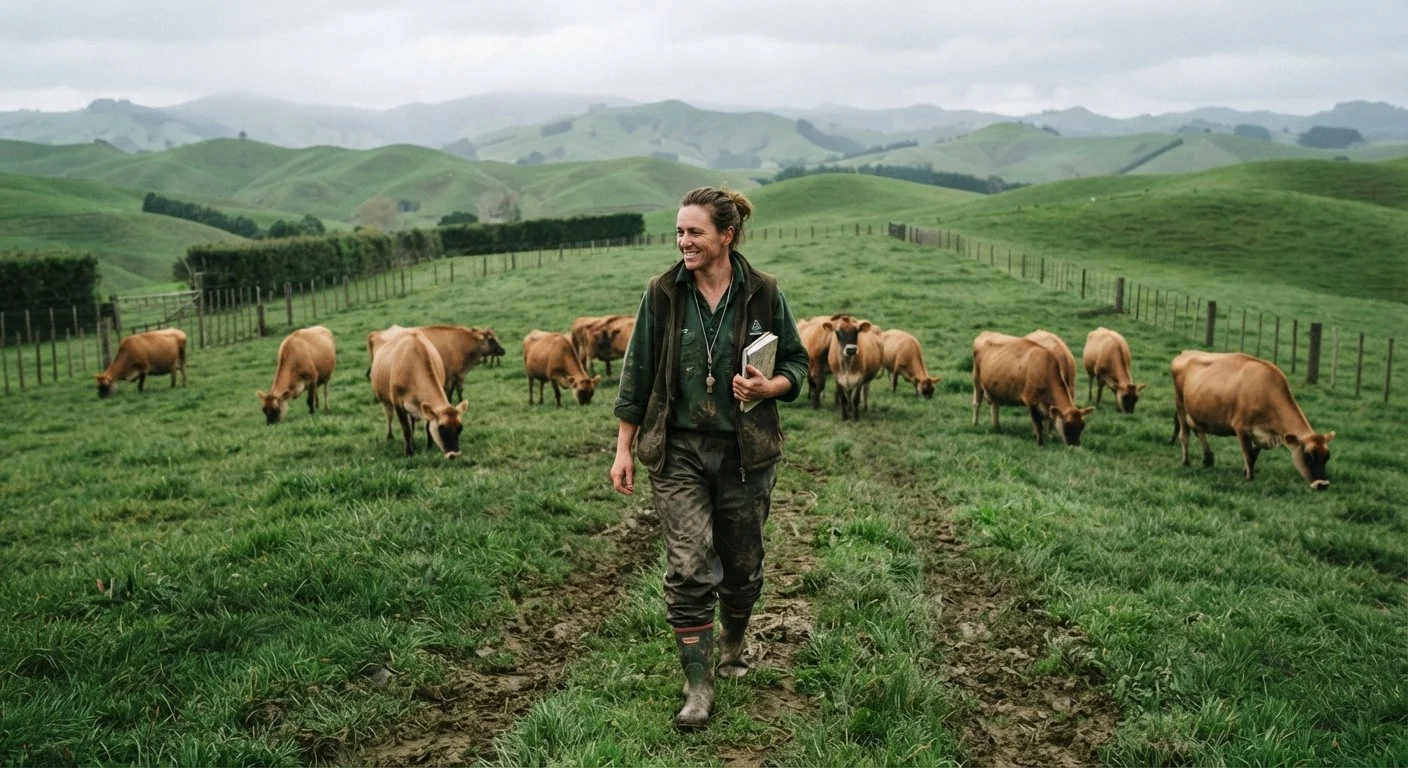
One of the best ways to understand what is happening in the paddock is to watch the cows.
Are they settling into grazing soon after entering the paddock? Are they actively searching through the pasture? Are they spending a lot of time walking around? Are they leaving behind large amounts of material that looks unappealing? Are they appearing hungry when they leave the paddock?
These observations can provide useful information that a pasture measurement alone cannot always tell you.
Cows that are keen to graze and settle quickly into eating are giving you one sort of message. Cows that are spending more time searching, sorting and moving around are giving you another.
Summer conditions can make this even more noticeable because heat, flies, water availability and walking distances can all influence grazing behaviour. If cows are uncomfortable, they are unlikely to perform at their best from a feeding perspective either.
Pasture quality affects utilisation
There is a strong relationship between pasture quality and pasture utilisation.
If the pasture is leafy and palatable, cows are more likely to consume a greater proportion of what is offered. If it is mature and contains large amounts of less desirable material, selective grazing becomes more pronounced.
That can create a difficult cycle. Cows eat the best material first, leaving poorer-quality material behind. The next grazing then has to contend with what remains, and the pasture can become increasingly uneven.
Good grazing management helps break that cycle by aiming to present cows with pasture at a stage where a high proportion can be effectively utilised.
It is not about making cows eat every last blade of grass. There needs to be an appropriate residual to allow the plant to recover and continue growing. But there is a big difference between a sensible grazing residual and a paddock containing large areas of mature material that cows have deliberately avoided.
Summer pasture requires more observation
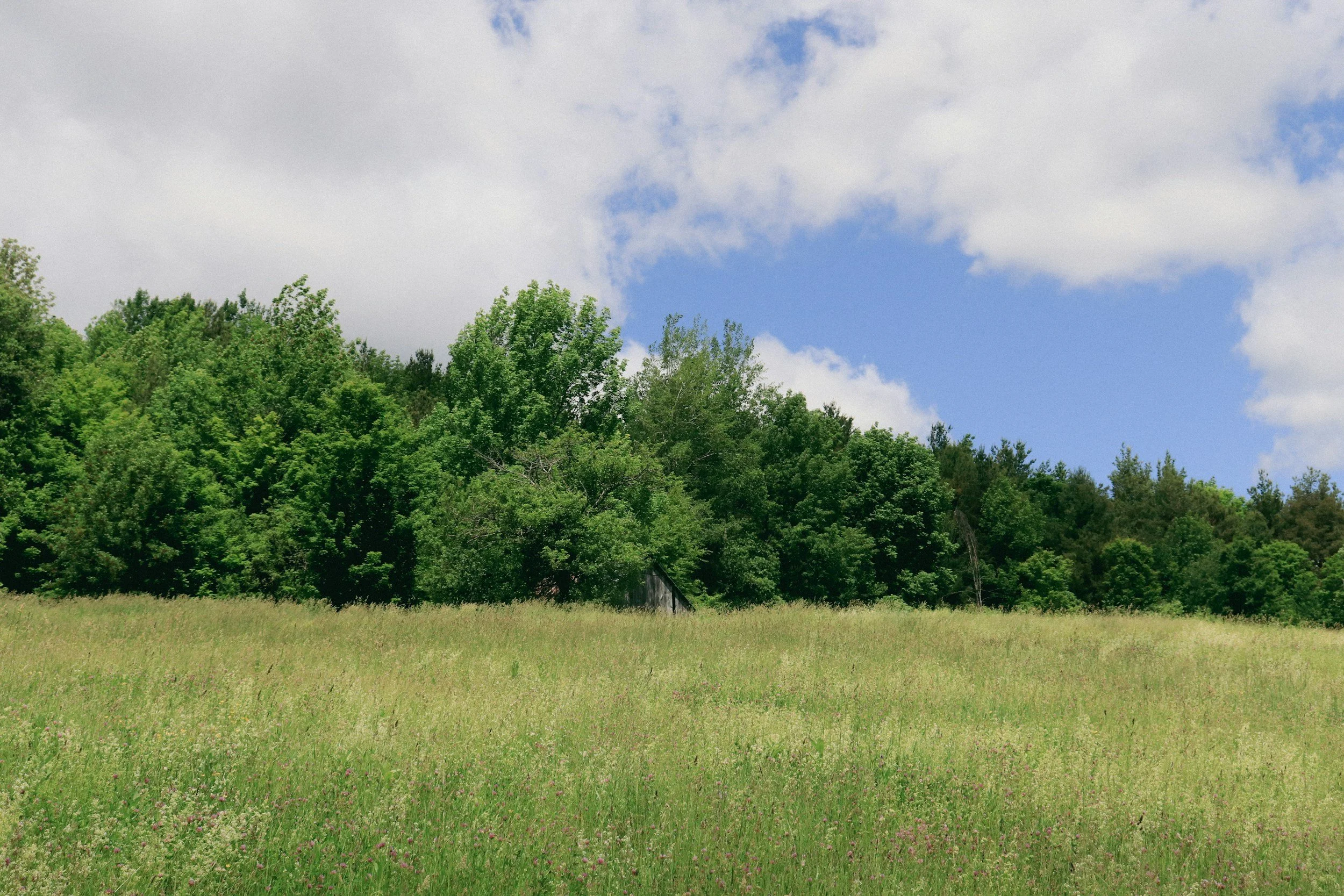
During periods of strong spring growth, the challenge can be managing an abundance of pasture. Summer can turn that situation around, particularly when rainfall becomes less reliable.
Growth rates can slow, pasture quality can change and the recovery period between grazings can become less predictable. That means the grazing plan that worked beautifully a few weeks earlier may no longer be the right plan.
This is where regular pasture monitoring earns its keep.
Walking paddocks, assessing covers, checking residuals and keeping an eye on how quickly grazed paddocks are recovering can help build a much clearer picture of what the farm is actually producing.
The numbers are important, but so is what you see. A pasture walk is not just about measuring grass. It is about understanding the condition of the farm and recognising changes before they become problems.
Give cows the best opportunity to eat
There are several factors beyond pasture quality that can influence summer cow intake.
Water is an obvious one. Dairy cows need reliable access to clean, adequate drinking water, particularly during hot weather. If water supply is restricted or cows have to travel too far to drink, intake and cow comfort can both be affected.
Shade and shelter can also matter. Cows experiencing heat stress may reduce grazing activity and spend more time standing or seeking cooler conditions. Providing opportunities for cows to manage heat can therefore support their ability to maintain normal eating and resting behaviour.
Walking distance is another consideration. If cows are travelling significant distances between paddocks, water and the shed, that energy expenditure needs to be considered as part of the overall summer management picture.
None of these factors operate in isolation. The best pasture in the world cannot deliver its full value if cows are too hot, thirsty or uncomfortable to make good use of it.
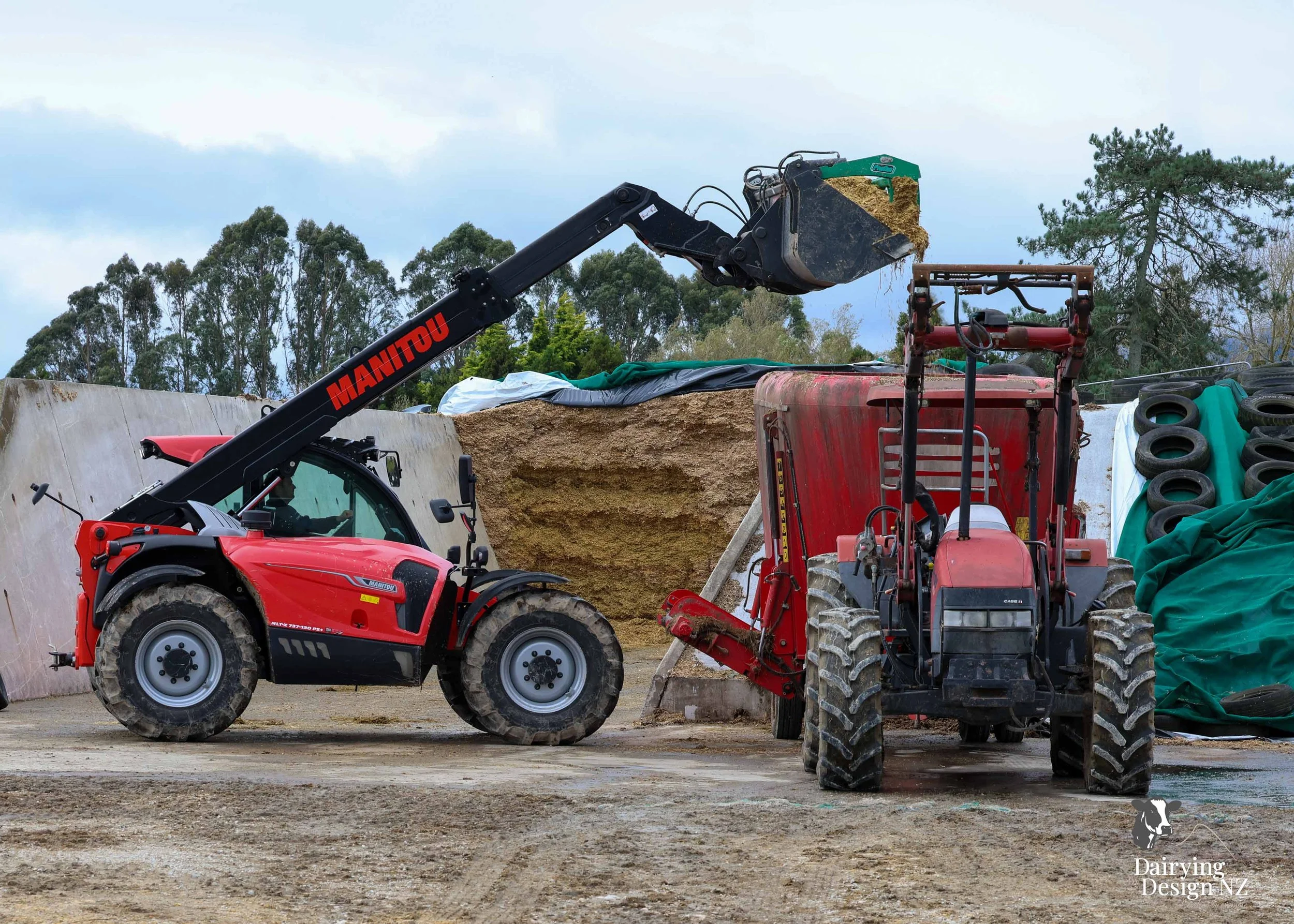
Photo by Dianna Malcolm
Know when pasture is no longer enough
There will be times during summer when pasture alone cannot comfortably meet herd demand. Recognising that situation early is important.
The temptation can be to keep stretching the rotation and hope for rain. Sometimes that works. Sometimes the rain arrives too late and the herd has already started paying the price through reduced intake, declining production or loss of condition.
Bringing in supplementary feed can provide a useful buffer, but the decision should be based on the actual feed situation rather than simply reacting to a calendar date.
If pasture quality is falling and growth is not keeping pace with demand, supplementation may help maintain intake and protect the pasture base. The earlier the likely deficit is identified, the more opportunity there is to make a considered decision about what feed is required and when.
Do not forget the next rotation
One of the easiest traps in summer feeding is concentrating entirely on getting through the current grazing.
Every grazing decision also affects what happens next.
If paddocks are grazed too hard, recovery can be slowed. If they are allowed to become too mature, pasture quality can suffer. If the rotation is continually adjusted without considering the longer-term effect on pasture growth, the farm can find itself chasing its tail.
The objective is to keep the pasture plant growing while providing cows with feed they want to eat. That requires looking at today's grazing while also considering where the next grazing is coming from.
Good summer feed management is therefore a balancing act between the cow, the pasture and the weather.
The cow is the final measure
Ultimately, the success of a summer feeding strategy is not measured by how green the paddocks look. It is measured by how effectively the cows are able to turn available feed into useful production while maintaining appropriate condition and wellbeing.
That means paying attention to pasture quality, cow behaviour, grazing residuals, milk production and body condition rather than relying on any single measurement.
The more closely farmers observe the relationship between what is offered and what the cows actually consume, the easier it becomes to identify where feed is being lost and where improvements can be made.
Summer is not the time to put the grazing plan on cruise control. Conditions can change too quickly for that.
Tomorrow, in Day 3 of our summer feed series, we will look at another important part of the equation: managing supplements and conserved feed so they support the pasture system rather than simply adding to the feed bill.
See you tomorrow for Day 3.