When Hay Gets Wet: How to Salvage Rain-Damaged Hay and Still Make It Pay
Hay making is one of farming’s great exercises in optimism. You plan the cut, check the forecast, fuel the tractor, and tell yourself this is the year everything will go smoothly. Then, right on cue, the rain arrives — usually just as the hay is nearly ready.Wet hay is frustrating, costly, and sometimes unavoidable. But while rain-affected hay might never reach premium quality, it doesn’t have to become a total write-off. With good management, realistic expectations, and a willingness to adapt, wet hay can still be stored safely, used effectively, and turned into value on farm.This article looks at what happens when hay gets wet, the risks that come with it, and practical ways to salvage and utilise rain-affected hay — while keeping both feed quality and farmer morale intact.
What Rain Does to Hay — And Why It Matters
When rain hits cut hay, quality begins to decline almost immediately. Water washes away soluble nutrients such as sugars, proteins, and minerals, leaving behind forage that is lower in energy and less digestible. Leaves, which hold the highest nutritional value, are more likely to break off during handling after repeated wetting and drying cycles. What remains is often coarser, more fibrous, and less palatable.Rain also slows the drying process, which keeps hay in the field longer and increases its exposure to sun, wind, and further rainfall. The longer hay sits, the more quality it tends to lose, gradually shifting from productive feed to maintenance ration.Moisture creates the perfect environment for bacteria and fungi to thrive. These microbes consume plant sugars and generate heat, which can lead to mold development, spoilage, heating in storage, and in extreme cases, fire risk. Wet hay is not just a feed quality issue — it can become a safety concern if not managed carefully.
Knowing When Hay Is Safe to Bale
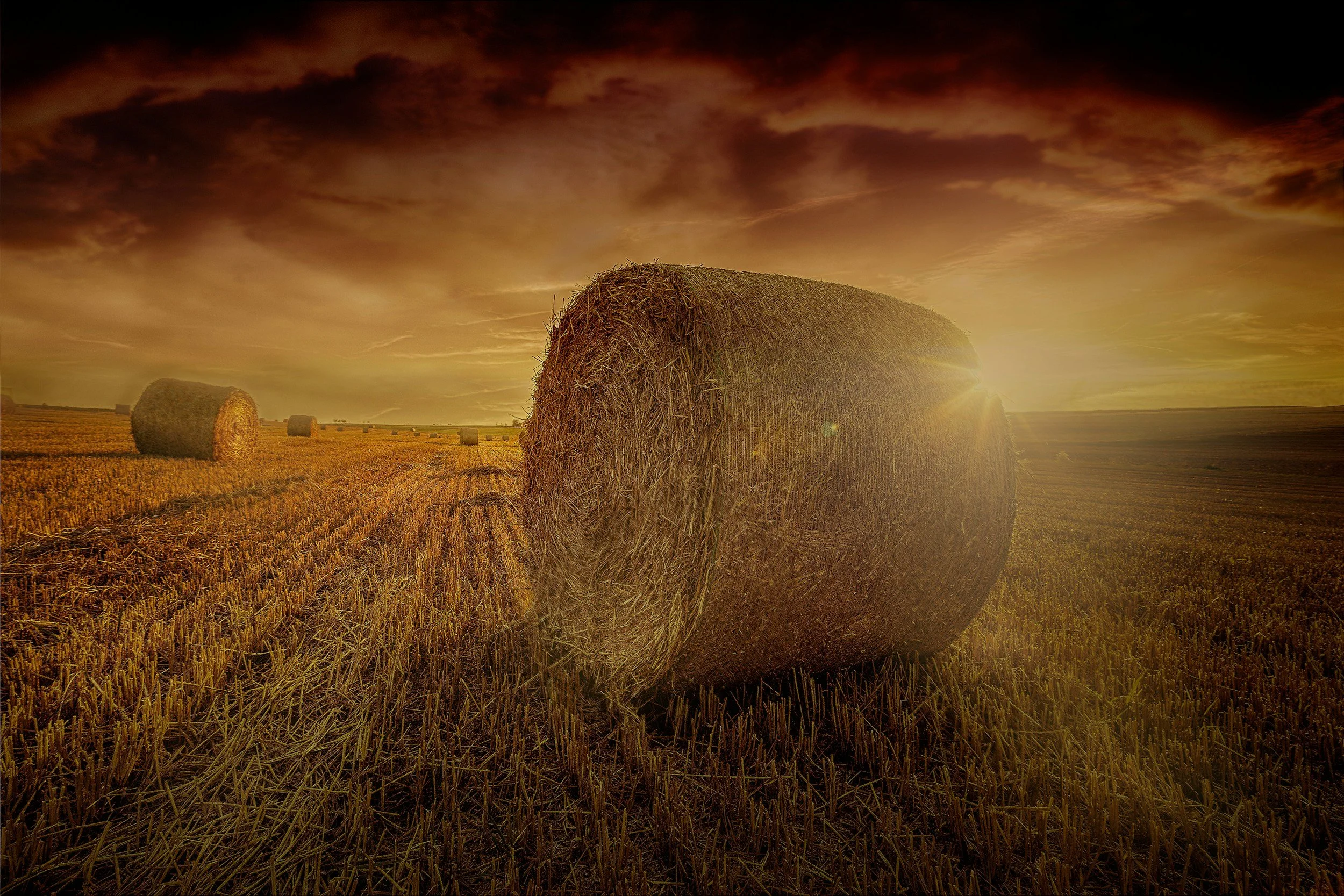
One of the most critical decisions in wet conditions is when to bale. Hay that is baled too wet is far more likely to mold, heat, and deteriorate in storage. Small square bales are generally safest below around eighteen percent moisture, while large round and large square bales require even lower moisture levels to store safely. Baleage, by contrast, is intentionally baled wetter but must be wrapped airtight to preserve quality through fermentation.When hay has been rained on, it often dries unevenly. Stems may remain damp even when the outer layers appear dry, making moisture testing an essential step before baling. Guesswork at this stage can turn a salvageable crop into a liability.
If Hay Gets Rained On in the Field — What Next?
The first reaction to rain-damaged hay is often frustration, but panic rarely improves feed quality. Once the rain stops, the priority becomes getting air through the crop and restarting the drying process.Tedding or fluffing the hay helps spread it out, allowing trapped moisture to escape and speeding drying. The timing of this step matters. Handling hay while it is still damp helps preserve leaf material, while excessive handling once it becomes brittle can result in valuable leaves being lost.Raking should also be done thoughtfully. Gentle handling at moderate moisture levels protects forage quality far better than aggressive raking when hay is overly dry. The goal is to help hay dry evenly without shattering the most nutritious parts of the plant.At this stage, farmers also need to decide on the most realistic end use for the crop. Some hay will dry well enough for conventional baling, while other crops may be better redirected toward baleage or lower-value uses. Accepting a quality downgrade early can sometimes prevent larger losses later.
“The smartest move is often not chasing perfect hay — but making the best of the hay you’ve got.”
Preservatives: Buying Time When Weather Windows Are Tight
Organic acid preservatives can offer valuable flexibility when drying conditions are less than ideal. These products inhibit mold growth and allow hay to be baled at slightly higher moisture levels than would otherwise be considered safe. For farmers trying to capture narrow weather windows, preservatives can reduce spoilage risk and make the difference between salvaging feed and losing it.Preservatives are not a miracle cure, and they cannot turn poor hay into premium feed. However, they can help stabilise marginal crops and reduce storage losses when used correctly.
When Dry Hay Isn’t an Option — Switching to Baleage
In seasons where drying conditions remain stubbornly poor, converting hay into baleage can be a highly effective salvage strategy. Baleage preserves forage at higher moisture levels through controlled fermentation, provided bales are wrapped quickly and sealed well.Compared with rain-damaged dry hay, baleage often retains more nutrients and palatability. For many farms, making the early decision to switch to baleage can protect feed quality and reduce the risk of mold and heating associated with forcing wet hay into dry storage.
Storage Risks: Where Wet Hay Can Cause the Most Trouble
Wet hay that makes it into storage brings a new set of challenges. Mold is one of the most common issues, reducing feed intake and posing health risks for livestock, particularly horses, calves, and young stock. Musty smells, dusty texture, or visible fungal growth are signs that hay quality has deteriorated.Heating is another major risk. Microbial activity inside damp bales can generate significant heat, sometimes leading to dangerously high internal temperatures. Early signs include warm bales, caramel-like odours, or condensation within stacks. If temperatures climb too high, spontaneous combustion becomes a real possibility, turning feed into a fire hazard.Separating wetter bales from dry ones, ensuring good ventilation, and monitoring temperatures during the early storage period can reduce these risks. When in doubt, it is often safer to feed questionable hay sooner rather than storing it long-term.
“If wet hay smells like dessert, it’s probably cooking — and not in a good way.”
Making Wet Hay Work on Farm
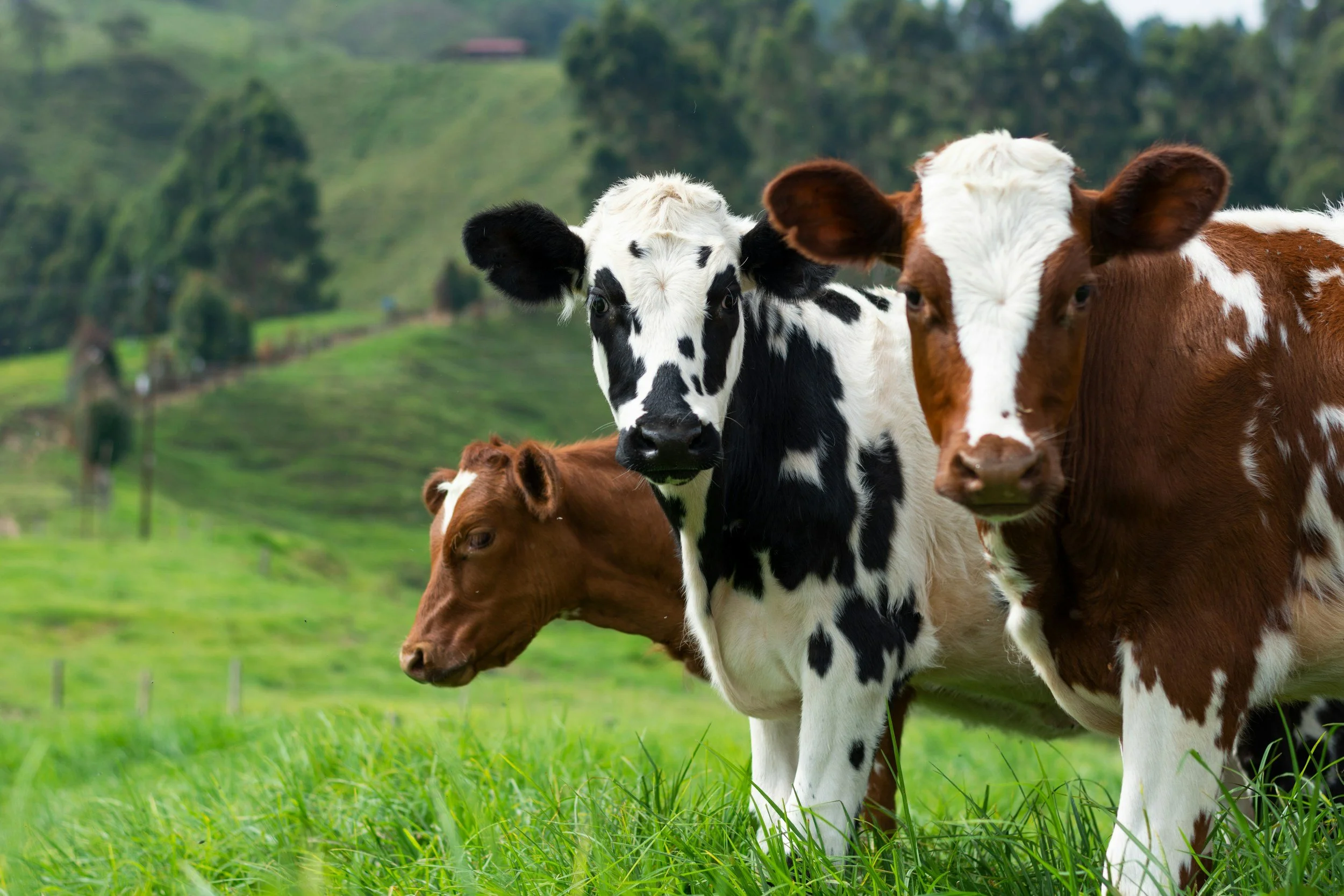
Rain-affected hay may not deliver peak production, but it can still serve a valuable role in farm feed systems. Lower-quality hay is often well suited to dry cows, beef cattle, sheep, or maintenance feeding, where the goal is to keep animals full and healthy rather than pushing performance.Blending wet hay with higher-quality feed can balance nutrient levels and improve overall ration value. It can also help stretch premium silage or pasture reserves during periods of feed shortage. While it may not be gourmet dining, most livestock are content as long as there is something in front of them.In cases where feed quality is too low, wet hay can still be useful as bedding, ground cover in sacrifice paddocks, or organic matter returned to soil through composting. Even hay that cows refuse can still contribute value elsewhere in the farm system.
Animal Health and Feeding Considerations
Feeding wet-affected hay requires extra attention to animal health. Moldy hay should be avoided for horses and vulnerable stock, and all animals should be monitored for respiratory or digestive issues when lower-quality feed is introduced.Because rain-damaged hay often contains less energy and protein, rations may need supplementation to maintain condition and performance. Mineral balance can also shift, making it important to review overall diet composition when using poorer forage.A good rule of thumb is simple: if hay looks or smells questionable, it probably is.
The Real Cost of Wet Hay — And How to Reduce It
Rain-damaged hay can reduce feed value, increase handling costs, and limit marketing opportunities. But strategic management can soften the financial impact. Using preservatives, switching to baleage early, prioritising feed-out of wet hay, and planning harvests around realistic weather windows can all help reduce losses.Perfect hay seasons are rare. Successful farmers are often those who adapt quickly, manage risk well, and focus on getting the best outcome from imperfect conditions.
“You can’t control the weather — but you can control how much it costs you”
Final Thoughts: Turning a Setback Into a Strategy
Wet hay is one of those farming challenges that tests patience, planning, and occasionally language. It is frustrating when the forecast lets you down, and it can feel like hard work is being undone by a passing shower.But wet hay does not have to be wasted hay. With the right approach, it can still feed stock, support farm systems, and deliver value — even if it never becomes premium feed. And at the very least, it adds another chapter to the long tradition of farming stories that begin with the words, “The forecast said it would be fine.”