Why Cows Hate Sudden Changes

Routine is one of a cow's greatest comforts
Anyone who has worked with dairy cows for long enough has seen it happen.
A gate is left open where it usually isn't. A temporary fence appears overnight. The milking routine changes because of machinery repairs. A contractor parks a ute in an unfamiliar place.
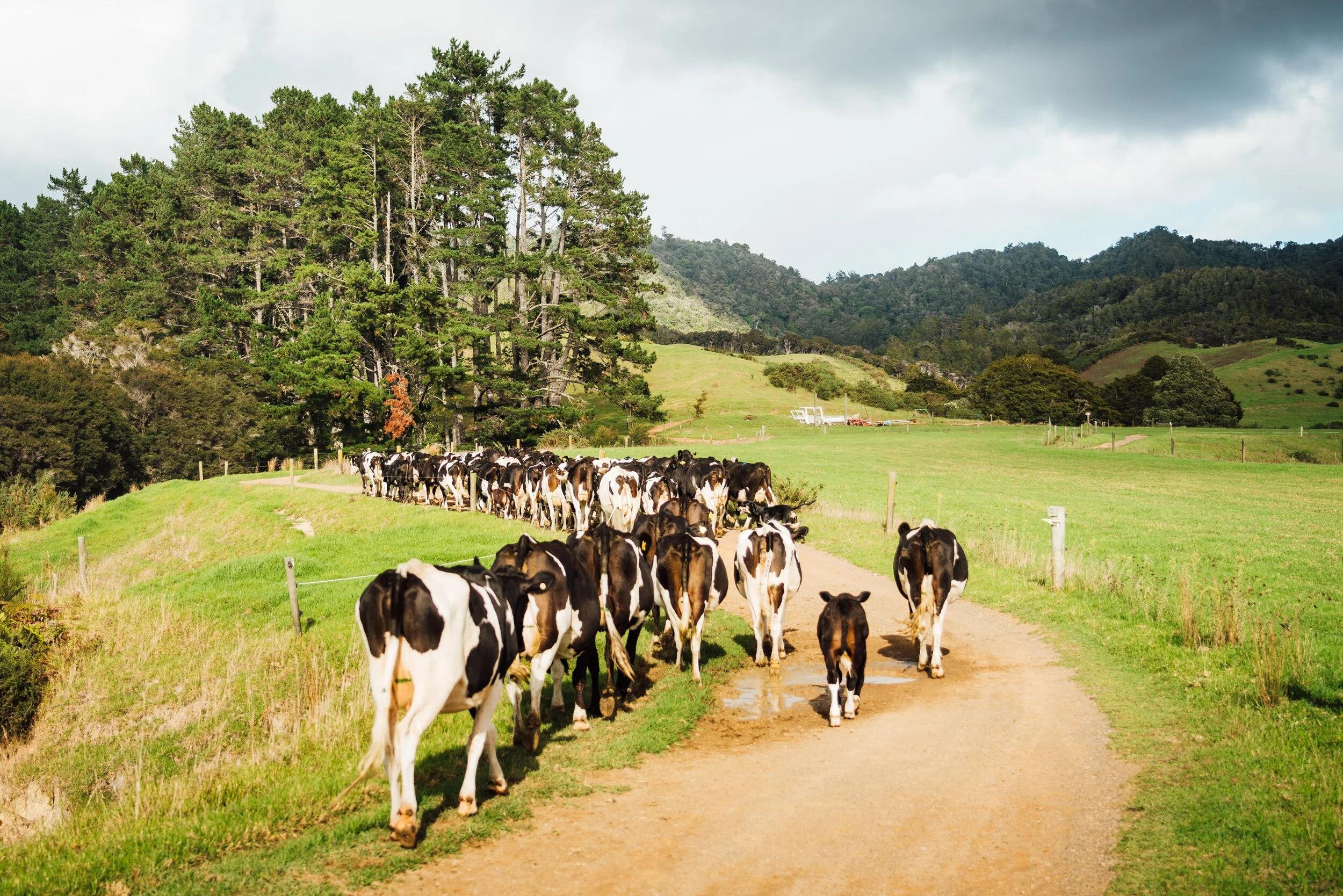
Suddenly the herd slows down. Some cows hesitate. Others bunch together, stop walking or become unsettled for no obvious reason.
It's easy to assume they're simply being stubborn.
The reality is quite different.
Cows are creatures of habit, and there's a good biological reason for it. Their natural survival instincts have evolved to favour predictability. When something changes unexpectedly, their first response is caution rather than curiosity.
Understanding this behaviour isn't just interesting science. It can have real implications for milk production, animal welfare and the smooth running of every dairy farm.
Their world is built on predictability
Unlike people, cows don't analyse change logically.
Instead, they constantly assess whether something could represent danger.
In the wild, hesitation kept animals alive. An unfamiliar object, unexpected movement or altered environment might have indicated the presence of a predator. Although today's dairy cows live in a safe farming environment, those instincts haven't disappeared.
A shadow across a race, a brightly coloured raincoat hanging on a fence or an unfamiliar piece of machinery can all cause hesitation because they break the pattern the cows expect.
To us, they're insignificant.
To a cow, they're worth investigating before moving forward.
“What looks ordinary to us may look completely unfamiliar to a cow.”
Small changes can have surprising effects
Modern dairy farming depends on efficiency and consistency.
When cows move calmly through the dairy, eat well and settle quickly afterwards, the entire system operates more smoothly.
Sudden disruption can interrupt that rhythm.
Changing milking times dramatically, moving feed locations, introducing unfamiliar noises or rushing stock through yards can increase stress levels. While one isolated event may have little impact, repeated disruptions can influence feed intake, rumination and, ultimately, milk production.
Researchers studying dairy cow behaviour have consistently found that predictable routines contribute to calmer animals and lower stress levels. Reduced stress benefits not only the cows but also the people working alongside them.
The quiet stock handler often achieves more
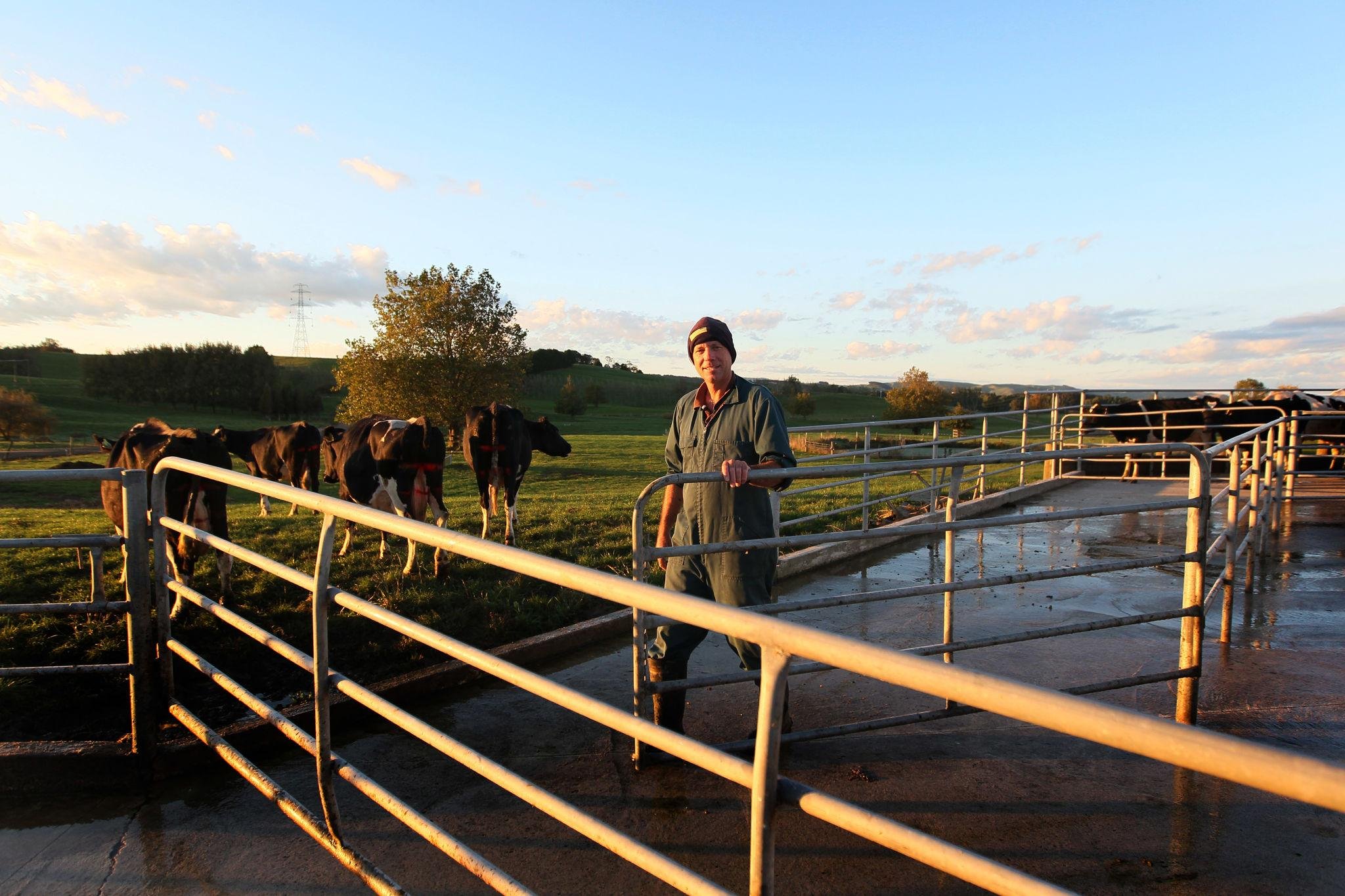
Experienced farmers rarely need to raise their voices.
They understand that patience usually saves time.
Allowing cows to move at their own pace, maintaining familiar routines where possible and giving animals time to investigate something unfamiliar often results in smoother movement than forcing them through.
The same principle applies whether moving cows to the dairy, introducing them to a new paddock or loading stock for transport.
Good stockmanship isn't about speed.
It's about understanding behaviour.
“Calm cows don’t happen by accident. They happen because someone understands how they think.”
When change is unavoidable
Of course, farming isn't static.
Pastures change. Infrastructure is upgraded. New technology arrives. Seasonal conditions require flexibility.
The key isn't avoiding change altogether but introducing it thoughtfully.
If gateways need altering, allowing cows time to become familiar with the new layout can reduce hesitation. When installing new equipment near the dairy, minimising unnecessary noise during the adjustment period may help maintain normal behaviour.
Even something as simple as ensuring races remain clear of unexpected obstacles can make daily movements more efficient.
Small considerations often deliver surprisingly positive results.
It's a lesson beyond the dairy farm
Although this behaviour is particularly noticeable in dairy cows, the principle applies across much of agriculture.
Sheep respond differently when handled calmly rather than under pressure. Beef cattle also benefit from consistent routines. Horses, alpacas and even working dogs become more confident when their environment is predictable.
Understanding animal behaviour rather than simply reacting to it creates better outcomes across the farm.
Perhaps that's one reason experienced farmers seem to make difficult jobs look easy.
They aren't necessarily working harder.
They're working with the animals rather than against them.
Looking at your farm through a cow's eyes
The next time your herd unexpectedly stops at the same place every day, resist the temptation to blame the cows immediately.
Walk back.
Look around.
Has something changed?
Is there a shadow, reflection, unfamiliar vehicle or piece of equipment creating hesitation?
Sometimes the smallest details are the ones we never notice because we've stopped seeing the farm from the animals' perspective.
The cows haven't.
Successful dairy farming isn't just about feeding cows well or investing in better infrastructure. It's also about understanding behaviour.
When farmers appreciate why cows react to sudden changes, they can reduce unnecessary stress, improve herd flow and create a calmer working environment for everyone involved.
After all, consistency isn't only good management.
It's something cows have valued for thousands of years.
Have Your Say
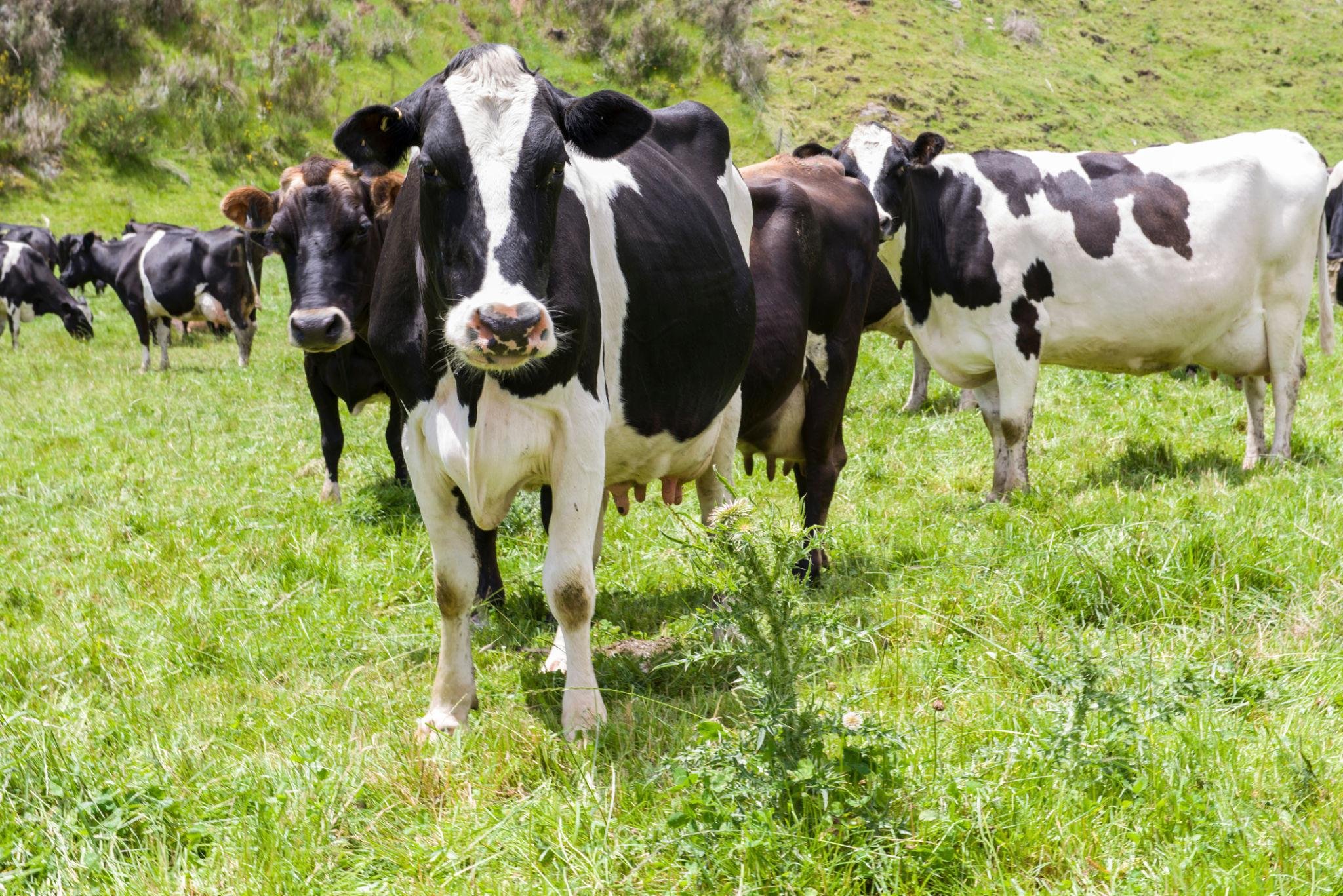
Have you ever discovered something surprisingly small that caused your cows to stop or hesitate? We'd love to hear your stories. Share your experiences in our Facebook and Instagram posts and let's learn from each other