This is day 1 of our seven-day series, The Future-Proof Dairy, where we look at the changes, ideas and technologies that could shape the next generation of New Zealand dairy farming.
For generations, dairy farmers have bred cows with some very clear goals in mind. Production, fertility, udders, longevity, temperament and overall functionality have all played an important role in determining which animals remain in the herd and which genetics are carried through to the next generation.
Those priorities are not disappearing, but the list is getting longer.
As climate pressures, environmental expectations and changing seasonal conditions begin to influence the way farms operate, breeding decisions are increasingly being viewed through a wider lens. The dairy cow of the future may still need to produce well and get back in calf, but she may also need to produce less methane, cope better with periods of heat stress and remain productive in conditions that are becoming less predictable.
For farmers, this raises an important question. If the environment around the dairy cow is changing, should the way we breed the dairy cow change too?
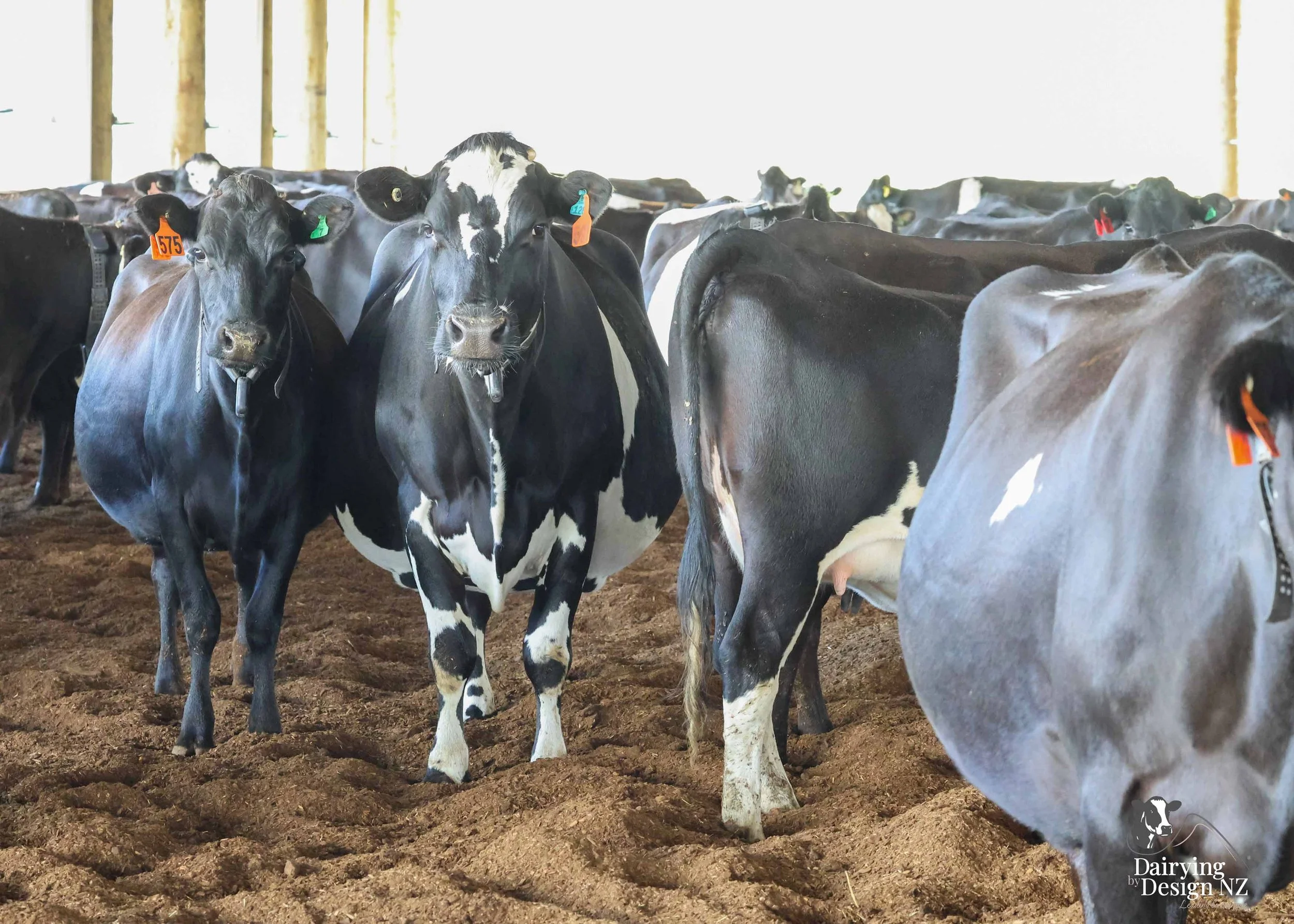
Photo by Dianna Malcolm
Breeding for the farm of tomorrow
Genetic gain has always been one of the most powerful long-term tools available to dairy farmers. Changes made through breeding do not happen overnight, but once a desirable trait is established in the herd, the benefits can continue through future generations.
That makes genetics particularly interesting when considering challenges such as methane emissions and heat tolerance.
Unlike a change in feed, infrastructure or farm management, breeding is a long game. The decisions made when selecting bulls today may influence the type of cows milking on the farm many years from now.
The challenge is to ensure that farmers are not simply chasing the newest trait at the expense of the fundamentals.
A low-emissions cow that struggles to get in calf is unlikely to be the answer. Neither is a heat-tolerant cow that cannot maintain production, walk long distances or remain sound in a pasture-based system.
The future herd will need to combine a range of strengths.
The dairy cow of the future may need to do more than produce milk. She may need to remain efficient, resilient and productive in a changing environment.
This is where breeding for multiple traits becomes increasingly important. Farmers are not necessarily being asked to completely rethink what makes a good dairy cow. Instead, they may need to consider whether their definition of a good cow should continue to evolve.
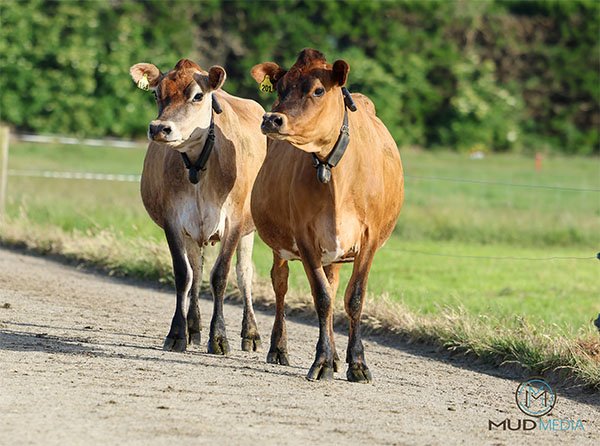
Photo by Dianna Malcolm
The methane question
Methane has become one of the major conversations surrounding the future of pastoral farming. Dairy cows naturally produce methane as part of the digestive process, and reducing emissions without reducing productivity is one of the challenges facing the sector.
Breeding offers one possible long-term pathway.
Research and genetic selection are continuing to explore differences between animals and how efficiently they convert feed into production. If some cows can naturally produce less methane while maintaining strong production and performance, those traits could eventually become part of wider breeding decisions.
For the average dairy farmer, the key point is not that every breeding decision suddenly needs to be based solely on methane. It is that methane efficiency is becoming another characteristic that may sit alongside the more traditional traits already considered when selecting genetics.
The opportunity lies in stacking desirable traits together.
Imagine a cow that produces efficiently, maintains fertility, has good functional conformation, remains in the herd for longer and also has a lower methane profile. Over time, selecting for a combination of these characteristics could help create a herd that is better suited to both the commercial and environmental expectations of the future.
That will not happen in one breeding season.
Genetic progress takes time, and the gains from each generation are often incremental. However, dairy farming has always been built on cumulative improvement. Small gains in fertility, production, animal health or longevity can become significant when multiplied across an entire herd and over many years.
Methane may simply become another part of that equation.
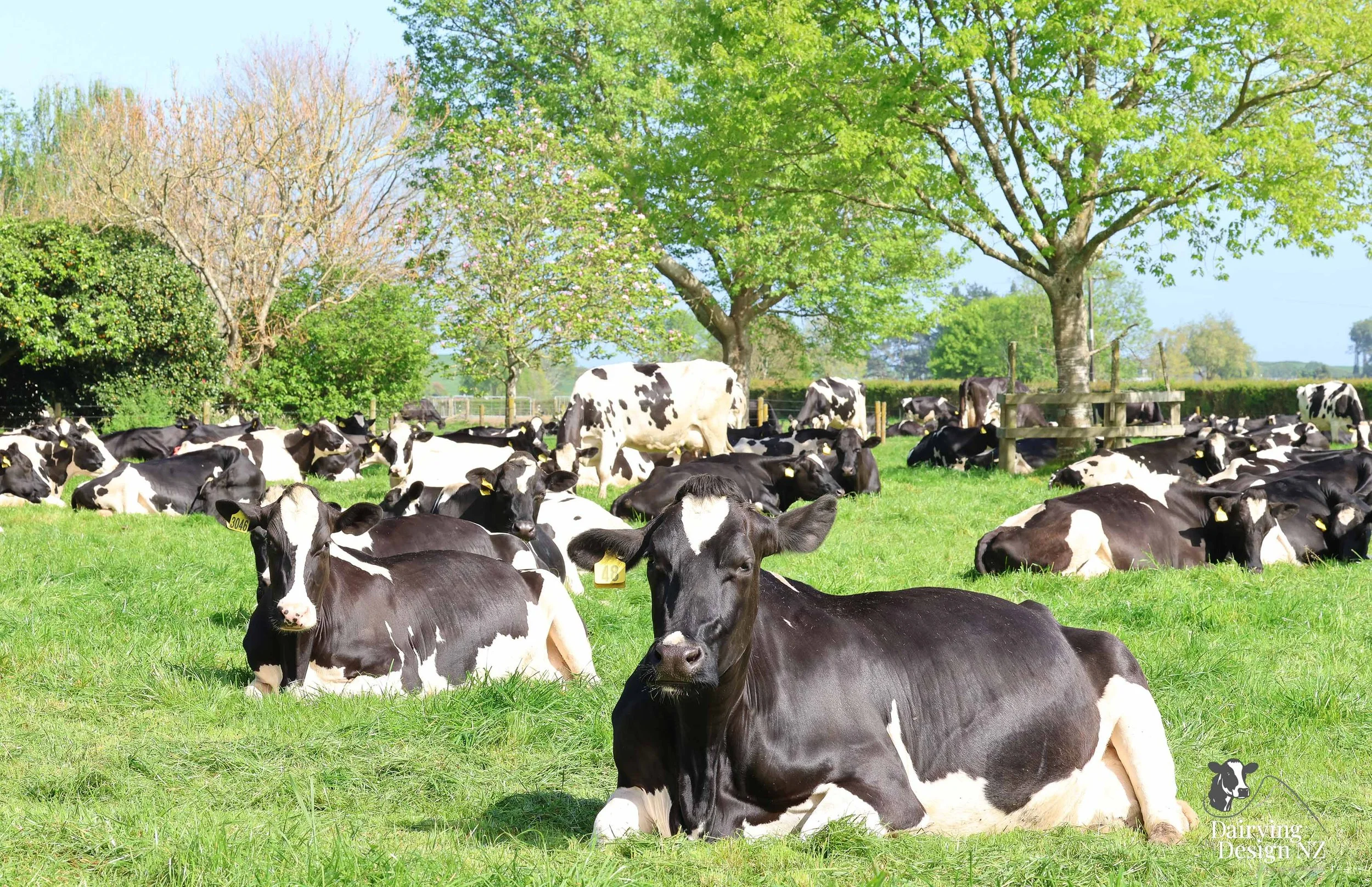
Photo by Dianna Malcolm
When the heat is on
While methane is one part of the future-proofing conversation, another issue is becoming increasingly relevant for dairy farmers: heat.
New Zealand dairy farming has traditionally benefited from a relatively temperate climate, but many farmers are already familiar with periods when cows struggle to remain comfortable during hot conditions.
Heat stress can influence feed intake, milk production, fertility and general animal wellbeing. A hot day may not necessarily cause major problems on its own, but several days of high temperatures, particularly when combined with warm nights, can place additional pressure on the herd.
The impact can also be influenced by factors such as humidity, access to shade, water availability, walking distances and the timing of milking.
Management will always play an important role in helping cows cope with heat. Access to plenty of clean water, suitable shade and thoughtful farm routines can all make a difference.
However, genetics may also have a role to play.
Some animals appear better able to cope with warmer conditions than others. Physical characteristics, coat traits, body size and the way an individual animal responds to heat may all influence how well she continues to perform when temperatures rise.
As breeding technology and understanding continue to develop, heat tolerance could become a more important consideration for dairy farmers in regions experiencing hotter or more variable summers.
That does not mean New Zealand farmers should expect every future cow to look dramatically different. It means the industry may increasingly look for animals that can continue to function effectively when the conditions around them are less forgiving.
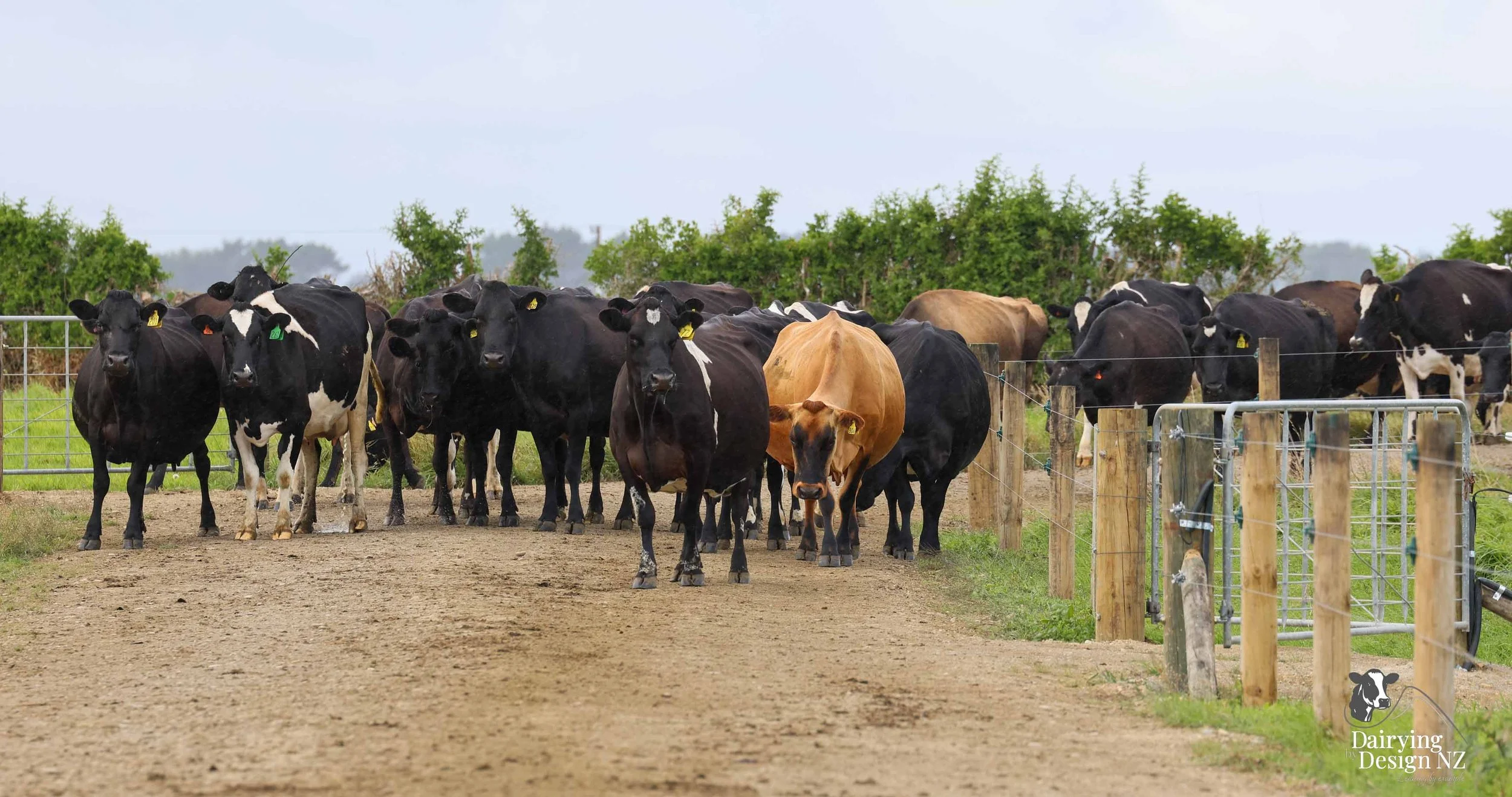
Photo by Dianna Malcolm
The danger of breeding for one thing
Whenever a new breeding trait gains attention, there is a risk of becoming too focused on one characteristic.
Dairy farming has seen plenty of examples over the years of the importance of balance. Selecting heavily for one outcome can sometimes create unintended consequences elsewhere.
That is why the future of breeding is unlikely to be about choosing between production or fertility, methane or longevity, heat tolerance or conformation.
The real opportunity lies in balance.
A future-proof dairy herd will need cows that are suited to the farming system they are expected to work in. For New Zealand's pasture-based farms, that still means cows capable of walking, grazing, converting feed efficiently and reproducing consistently.
Environmental traits may become increasingly important, but they need to complement the practical realities of farming.
The goal is not to create a completely different dairy cow. It is to breed a better-equipped one.
This may require farmers to think carefully about where their own herd is heading.
A farm facing regular summer dry periods may place greater value on resilience and heat tolerance. Another farm may be focused on reducing its environmental footprint while maintaining production. A third may be looking for cows that can remain productive for longer, reducing the number of replacements required.
There may not be one perfect dairy cow for every farm.
Instead, the future could involve more targeted breeding decisions based on the challenges and opportunities of individual farming systems.
Looking beyond next season
One of the most important things about genetics is that the results are rarely immediate.
A decision made today may not fully reveal its value for several years. That can make breeding difficult to prioritise when there are more immediate challenges demanding attention, from milk price and feed costs to staff shortages and weather events.
However, this is exactly why breeding deserves attention as part of long-term farm planning.
Farmers regularly make decisions about infrastructure, pasture renewal and business development with future years in mind. Genetics should be viewed in much the same way.
Each generation provides an opportunity to make gradual improvements.
The question for farmers is not necessarily whether they should suddenly abandon their current breeding strategy. It may simply be whether the strategy they have in place today will still deliver the type of cow they want to milk in 10 or 15 years' time.
The answer could depend on where farming is heading, what the climate is doing and what future markets and regulations expect.
The most successful breeding programmes are likely to remain flexible enough to adapt as new information becomes available.
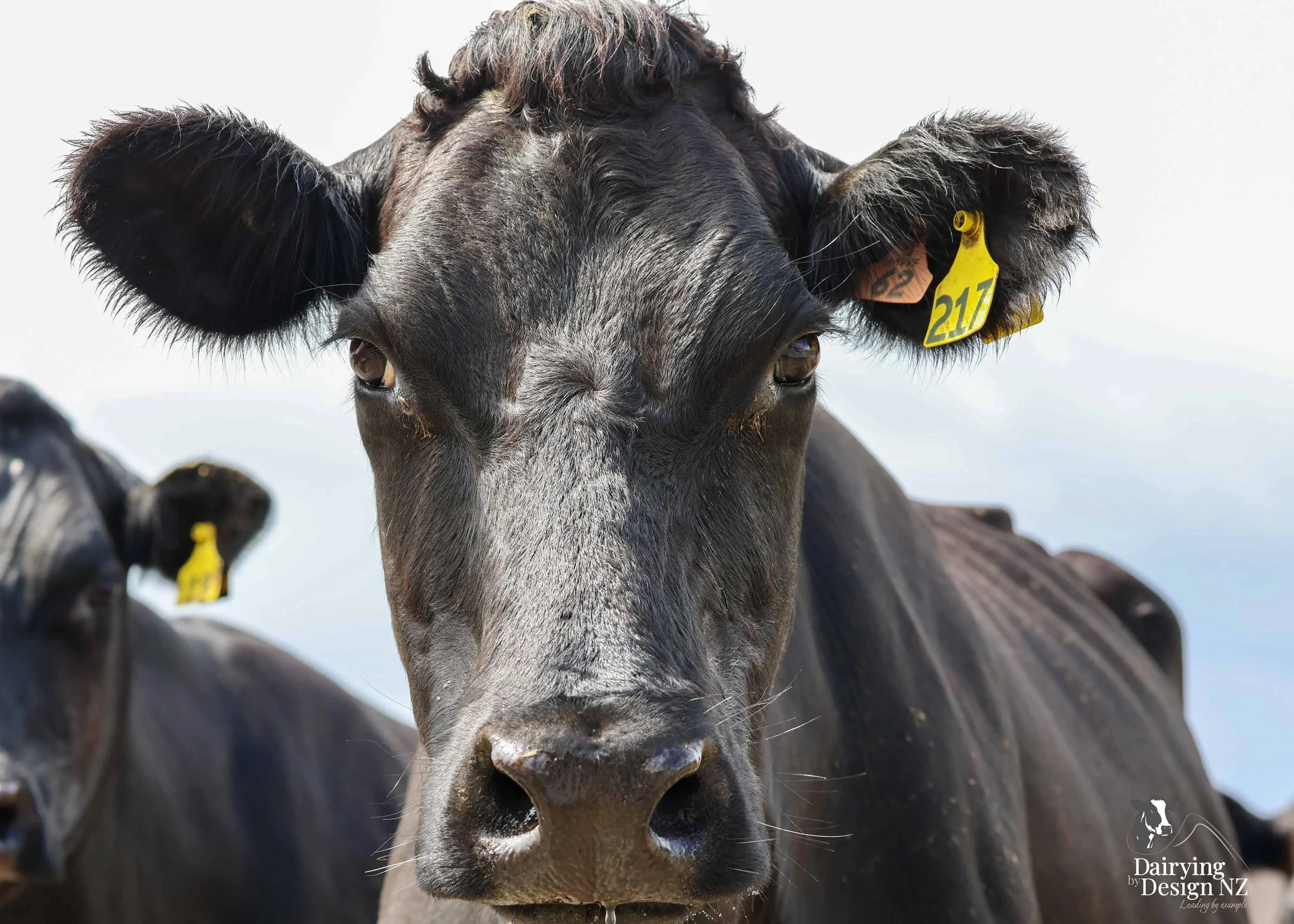
Photo by Dianna Malcolm
Building resilience into the herd
Future-proofing is ultimately about resilience.
No one can predict exactly what New Zealand dairy farming will look like in the coming decades. Technology will change. Environmental expectations will continue to develop. Weather patterns may become increasingly unpredictable, and consumer expectations may influence how food production is measured and valued.
What farmers can do is build resilience into the decisions they make today.
Breeding is one of those decisions.
By continuing to select for productive, fertile and functional animals while also paying attention to emerging traits such as methane efficiency and heat tolerance, farmers can begin preparing their herds for challenges that may become more significant in the years ahead.
The future dairy cow may not look dramatically different from the cows standing in New Zealand paddocks today.
But the genetics behind her could tell a very different story.
She may be more efficient with the feed she eats, better able to cope with heat, capable of producing strongly while maintaining fertility and selected with a broader understanding of what sustainability and productivity mean.
The changes may be gradual, but that is often how the biggest shifts in agriculture happen.
One generation at a time.
Future-proofing the dairy herd starts with recognising that breeding decisions made today are investments in the cows that will be working on the farm tomorrow. Methane efficiency and heat tolerance may become increasingly important traits, but they should be considered alongside the fundamentals that have always mattered in New Zealand dairy farming.
The strongest breeding decisions will continue to focus on balance. Productive, fertile, functional and resilient cows are likely to remain the foundation of successful dairy systems, with new traits gradually becoming part of the wider picture.
For farmers, now may be the right time to look beyond the next mating season and consider what type of herd will be needed for the next decade.
Tomorrow in day 2 of our Future-Proof Dairy series, we step out of the genetics paddock and into the world of virtual fencing, exploring how GPS collars could change the way dairy farmers manage cows, pasture and farm boundaries.