This is day 2 of our seven-day series, The Future-Proof Dairy, where we explore the ideas, technology and changing approaches that could help shape the future of New Zealand dairy farming.
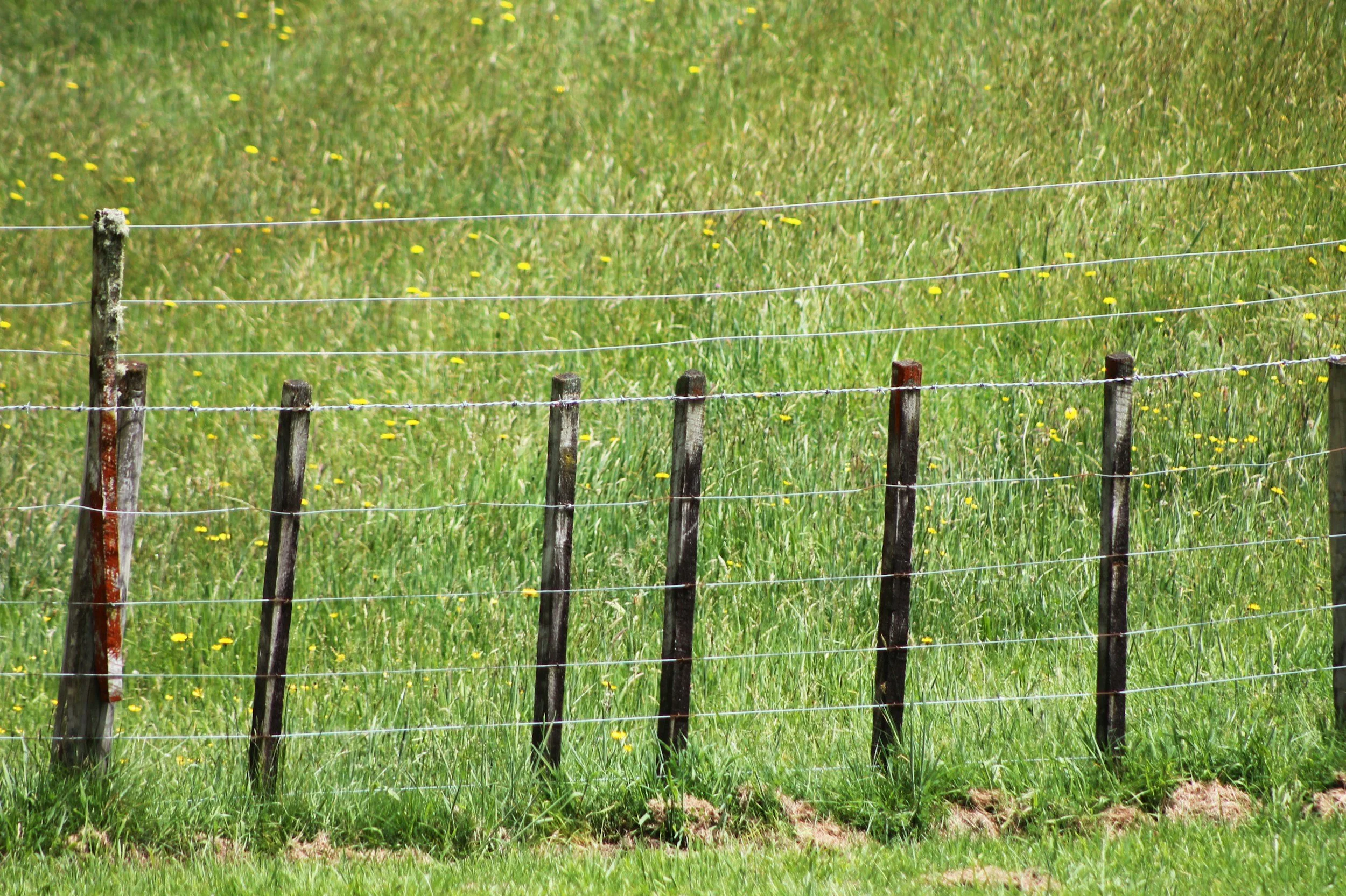
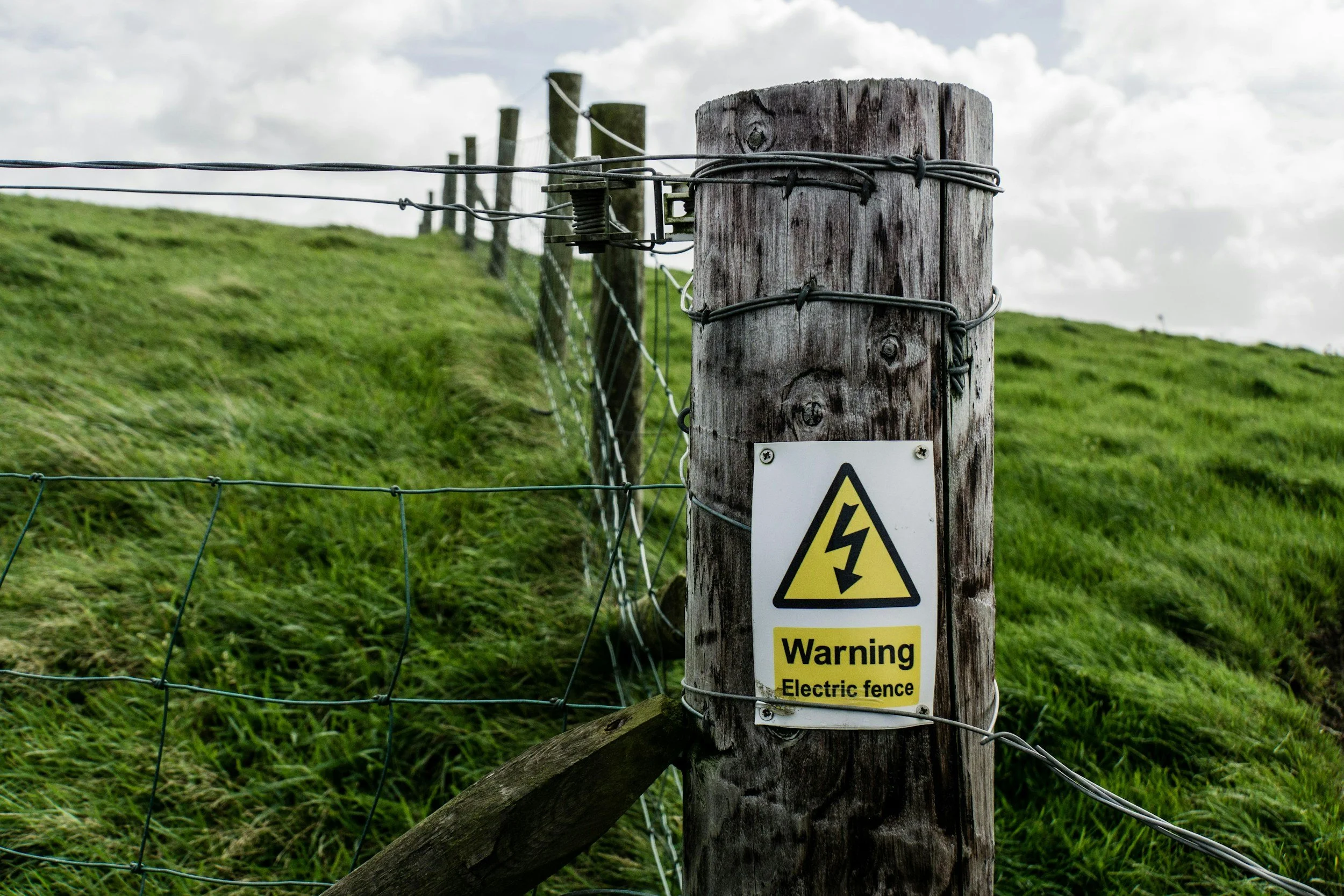
For generations, fencing has been one of the most familiar features of a New Zealand dairy farm.
Permanent fences have defined paddock boundaries, temporary electric fences have helped farmers control grazing, and reels, standards and pigtails have become part of everyday life during break feeding and pasture management.
But what if a fence did not need a wire?
What if a farmer could create a grazing break, shift a mob, protect a sensitive area or redirect cows simply by using a digital boundary?
That is the idea behind virtual fencing, and while it may once have sounded like something from a science fiction film, the technology is increasingly becoming part of conversations about the future of livestock and pasture management.
Using GPS technology and collars worn by animals, virtual fencing allows farmers to create boundaries without physically putting up a fence. The cows learn to respond to cues from the collar, helping guide them within a designated area.
For dairy farming, where pasture allocation and stock movement are central to everyday management, the potential is significant.
However, like any new technology, the real question is not whether it is clever.
The question is whether it can genuinely make farming easier, more efficient and better suited to the challenges ahead.
A fence without the wire
The basic concept of virtual fencing is relatively simple.
Each animal wears a collar that communicates with GPS technology. The farmer can create a virtual boundary or grazing area using a digital system rather than installing physical wires and standards.
As an animal approaches the boundary, the collar provides a cue. Over time, the animal learns to associate that cue with the location of the boundary and adjusts its movement accordingly.
The idea is not simply to replace every fence on the farm.
Permanent fencing will continue to have an important role, particularly around roads, waterways, property boundaries and areas where a secure physical barrier is essential.
Instead, the greatest opportunity may lie in the flexibility virtual fencing can offer inside the farm system.
Temporary grazing areas can potentially be created and changed without walking across the paddock with a reel. Stock can be guided away from certain areas, and boundaries can be adjusted as pasture conditions, weather or farm priorities change.
That flexibility is where the technology becomes particularly interesting for dairy farmers.
The future fence may not always be made of posts and wire. Sometimes, it could be a line drawn on a screen.
Rethinking pasture allocation
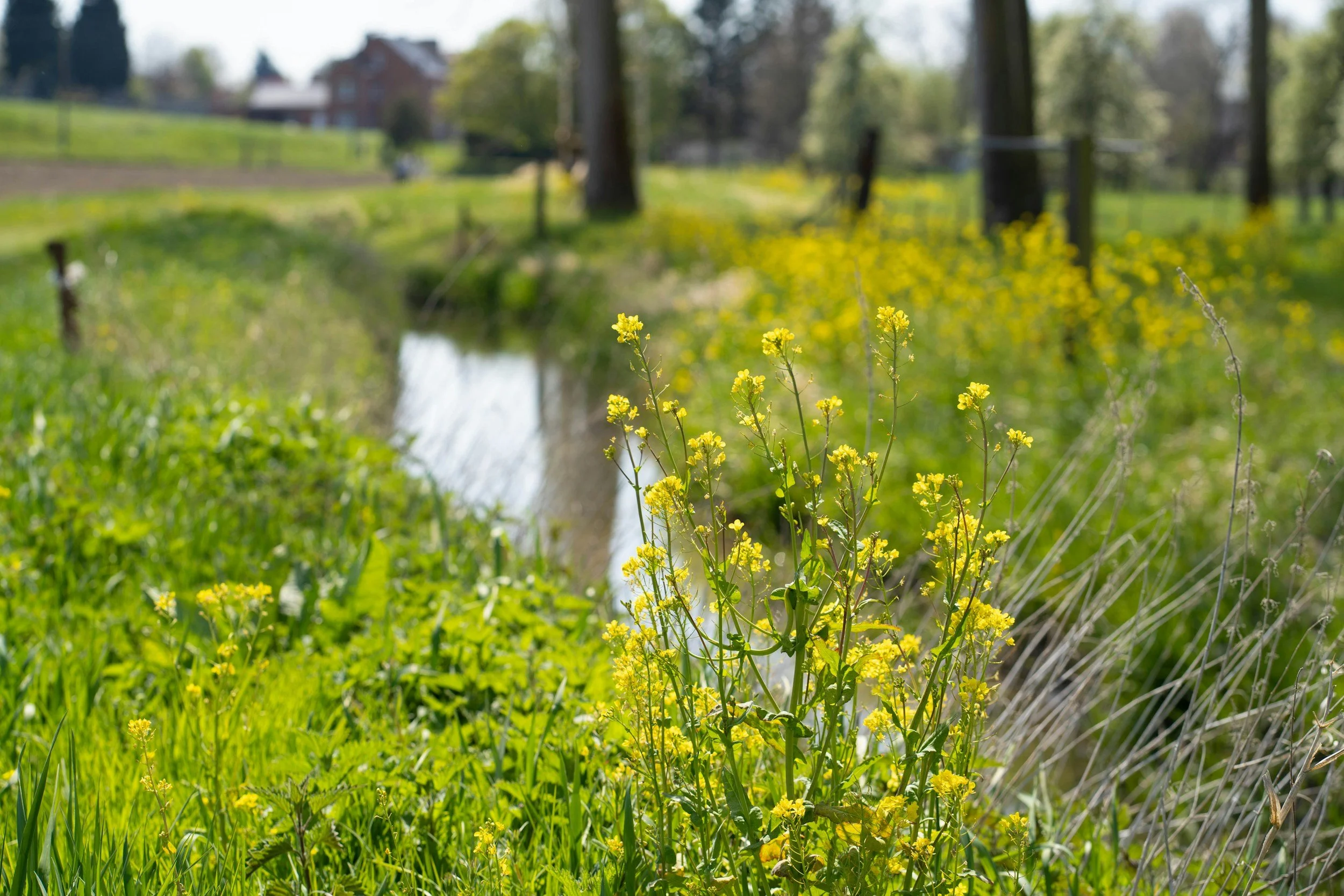
Pasture management is one of the areas where virtual fencing could have a significant impact.
Traditional break fencing requires time. Someone has to walk out, put up the fence, move it when required and eventually pack it away again.
On a busy dairy farm, those jobs can become part of an already crowded day.
Virtual fencing offers the possibility of changing grazing areas digitally.
A farmer could create a boundary that allows cows access to a particular area of pasture and then adjust that boundary when it is time to move them on. Rather than physically shifting a wire, the grazing allocation could potentially be changed through the digital system.
This could allow for more precise control over how pasture is allocated.
Instead of being limited by where a fence can easily be placed, grazing areas could be shaped around the contour of the paddock, the location of a wet area, pasture quality or another management objective.
A farmer might choose to exclude a section of pasture that needs more time to recover while allowing cows to continue grazing around it. A wet area could be temporarily avoided following heavy rain. A freshly established area could be protected without requiring additional physical fencing.
The ability to adjust boundaries quickly could make pasture management more responsive.
That does not mean the farmer suddenly needs to change the entire grazing system. In fact, one of the biggest advantages may be the ability to use the technology where it makes the most sense.
Some farms may see value in using virtual boundaries for particular paddocks, while others may eventually integrate the technology more widely.
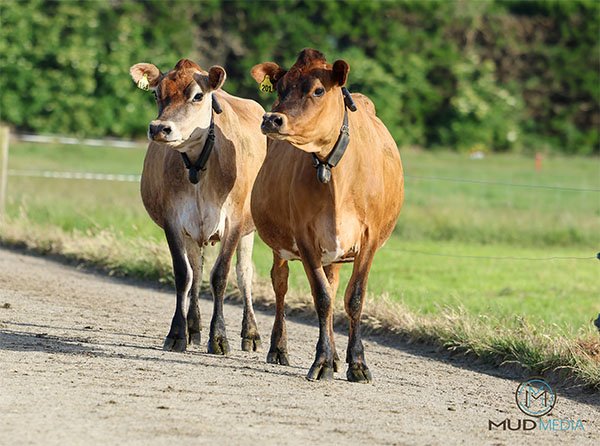
Photo by Dianna Malcolm
Moving cows with technology
One of the more interesting possibilities is the ability to influence the movement of cows around the farm.
Dairy cows already operate within routines. They learn where the dairy shed is, recognise gateways and quickly understand daily patterns.
Virtual fencing could add another layer to that system.
Rather than simply containing animals within a fixed space, digital boundaries may be used to guide movement and create changing zones throughout the day.
This could potentially help farmers manage access to pasture, direct stock away from sensitive areas or gradually move animals towards a particular location.
For large mobs, long walks and farms with complicated layouts, the ability to manage stock movement remotely could eventually change how some daily tasks are carried out.
There may also be opportunities to reduce unnecessary pressure on staff.
Finding time to put up and move temporary fencing can be challenging when staff are already dealing with milking, animal health, maintenance and the many unexpected jobs that appear throughout a farming day.
Technology that removes or reduces repetitive tasks could allow people to spend more time on jobs that require judgement, experience and hands-on attention.
More flexibility around sensitive areas
Environmental management is another area where virtual fencing could play a role.
Dairy farms contain areas that may need to be protected at different times of the year. These could include wet patches, waterways, newly planted areas, vulnerable soil or paddocks recovering after damage.
Physical fencing can provide a long-term solution, but there are situations where the need for exclusion is temporary.
Virtual boundaries could potentially give farmers another option.
Following a period of heavy rain, for example, a particularly wet area could be excluded from grazing while the rest of the paddock remains available. A section of ground that is prone to pugging could be avoided until conditions improve.
The ability to change those boundaries as conditions change could offer a more flexible approach to managing land and animals.
A paddock does not always need to be managed as one fixed space. Technology could allow farmers to respond to what is happening on the ground.
This may become increasingly valuable as weather patterns become more unpredictable.
A paddock that is perfectly suitable for grazing one week may require a different approach after several days of rain. Having the ability to respond quickly could help farmers make better use of the land while reducing pressure on vulnerable areas.
The potential for better data
The collar itself is only one part of the bigger picture.
Digital livestock systems can also create opportunities to collect information about where animals are spending time, how they are moving and how they respond to changes in their environment.
Over time, that information could provide farmers with another layer of understanding about how their herd interacts with the farm.
Are cows spending more time in one area than expected? Are they avoiding another part of the paddock? Are there changes in movement that could indicate a problem?
Data will never replace the farmer walking through the herd and observing cows. However, it could provide another tool to support decision-making.
For farmers already dealing with information from milk records, mating performance, pasture measurements and financial systems, the challenge will be making sure technology simplifies the picture rather than adding another screen to watch.
The best technology is likely to be technology that provides useful information without creating more work.
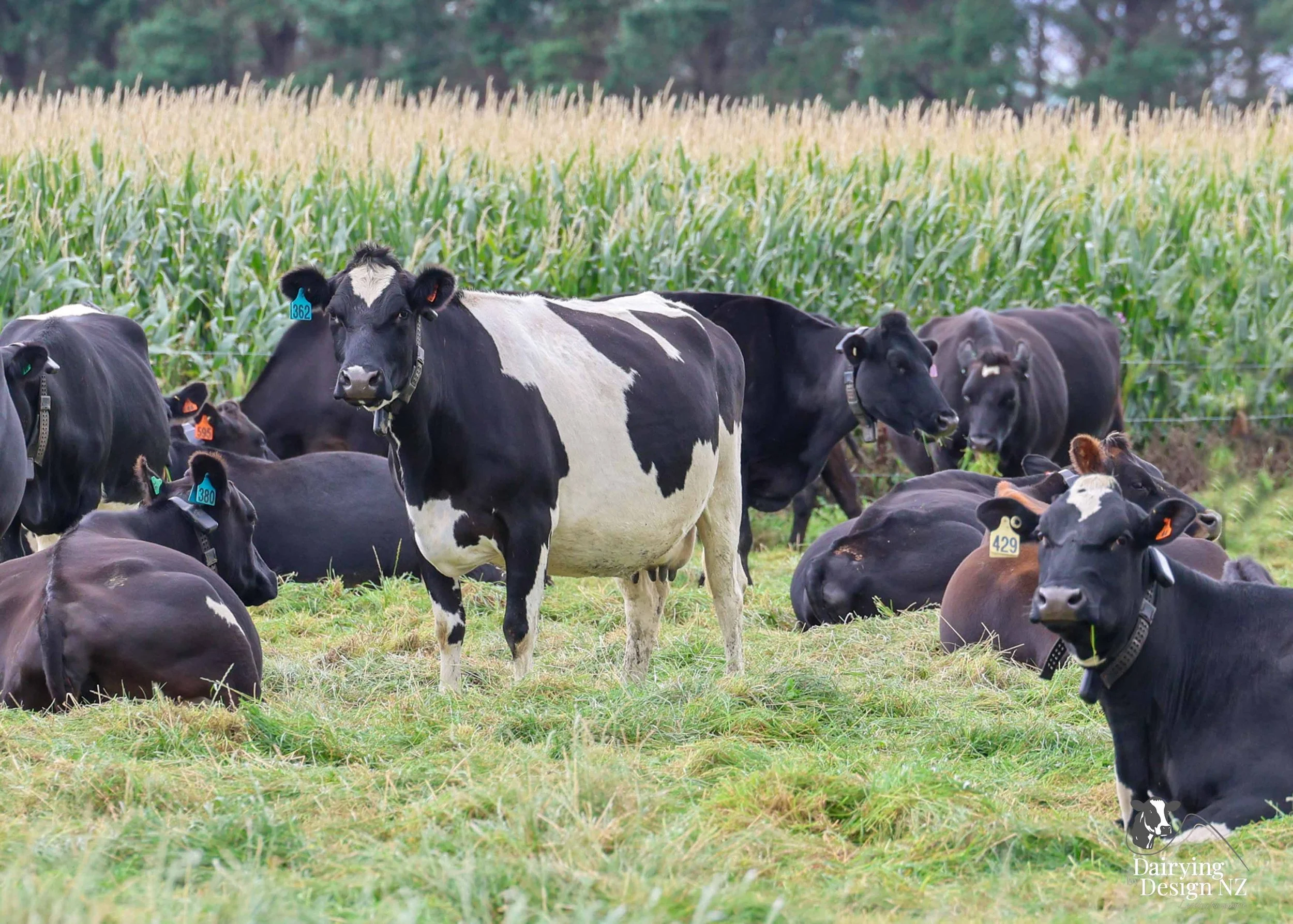
Photo by Dianna Malcolm
There will still be challenges
Virtual fencing is not likely to be an instant solution for every dairy farm.
Cost will be an important consideration. Any new technology needs to demonstrate a clear benefit before farmers can justify investing in it.
There will also be practical questions around collar management, charging, connectivity and how the system performs across different landscapes.
New Zealand dairy farms are not all flat, simple blocks with perfect mobile coverage. Many have rolling country, remote areas and weather conditions that can challenge even the most reliable technology.
Animal behaviour and welfare will also remain central to the conversation.
Cows need time to learn how the system works, and the technology must be used in a way that supports good animal management.
Farmers will need confidence that the system is reliable and that there are appropriate backup plans if technology fails.
A physical fence does not lose signal.
That reality should not be ignored.
The future of farming technology will not be about blindly replacing everything that already works. It will be about identifying where new tools offer genuine advantages and where traditional methods remain the better option.
Could it change the role of fencing?
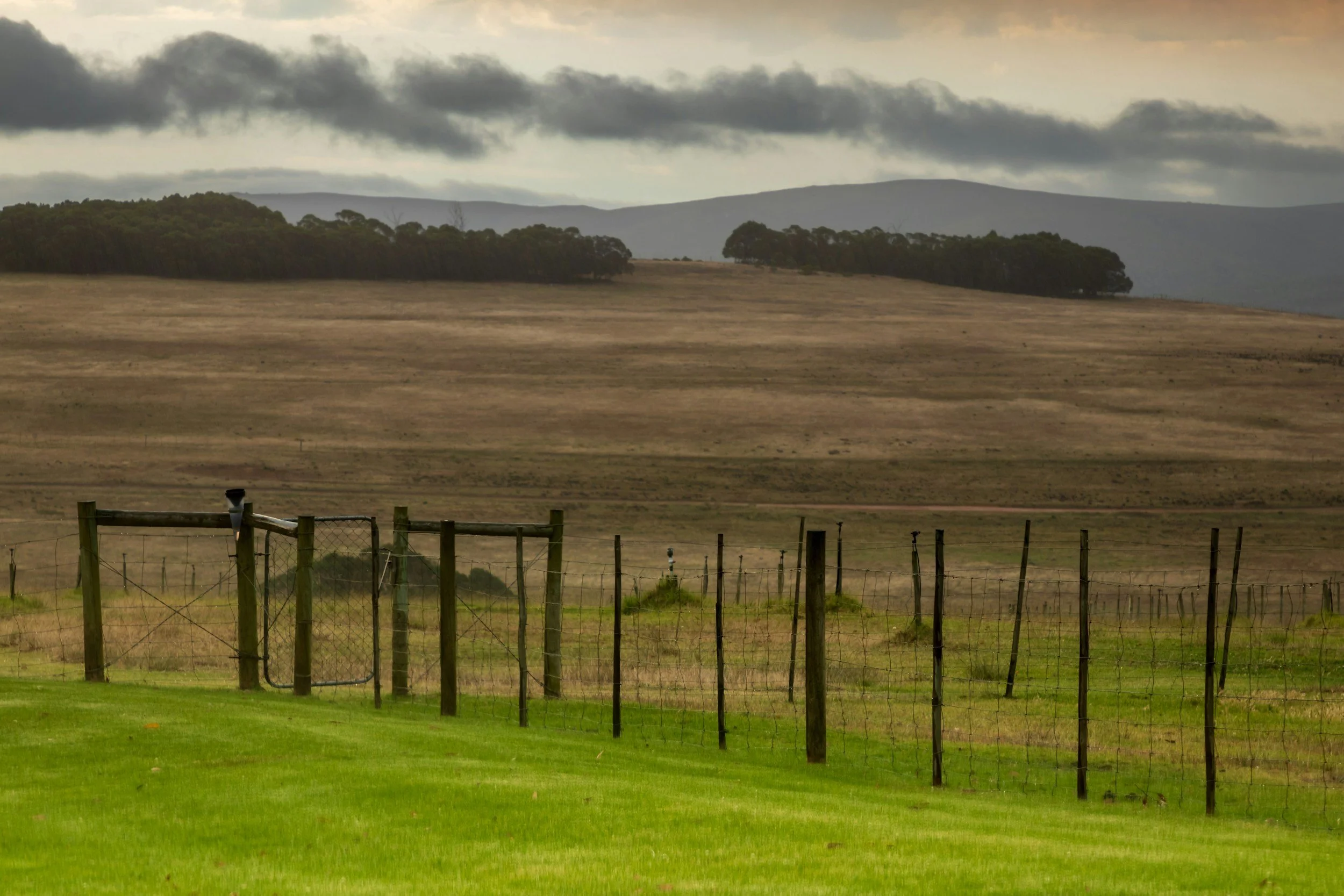
Virtual fencing is unlikely to mean that posts, battens and electric wires disappear from New Zealand dairy farms.
There will always be places where a physical barrier is necessary.
But temporary fencing could look very different in the future.
Instead of a farmer spending part of the morning putting up a break fence, that task may increasingly involve setting a digital boundary. Instead of waiting until someone is available to shift a mob, the movement of stock could potentially be managed in a more flexible way.
The greatest change may not be the removal of fences.
It may be the removal of some of the limitations created by them.
Physical fences are fixed until someone physically changes them. Virtual boundaries could be adjusted much more easily as farm conditions change.
For a farming system that depends heavily on timing, flexibility could become one of the technology's greatest strengths.
A different way of thinking about the paddock
Perhaps the most significant change virtual fencing could bring is not technological at all.
It could change the way farmers think about space.
Traditionally, a paddock has clear physical boundaries. Grazing breaks are created with temporary fences, and management decisions are often influenced by the practical realities of where those fences can be placed.
Virtual fencing has the potential to make those boundaries more flexible.
A paddock could become a series of changing management zones rather than one fixed area.
Cows could be given access to one part of a paddock while another is protected. Boundaries could move according to pasture growth, soil conditions or the requirements of the farm system.
This could allow for more precise management without necessarily increasing the amount of physical work required.
For dairy farmers already accustomed to adapting to changing weather, pasture covers and animal requirements, the ability to make quicker changes could be a valuable tool.
The future farm may still have fences.
But some of the most important ones may no longer be visible.
Virtual fencing is not about replacing good farming judgement with technology. Its potential lies in giving dairy farmers another way to manage animals, pasture and sensitive areas with greater flexibility.
For some farms, the greatest benefit may be reducing the time spent putting up and shifting temporary fences. For others, it could be the ability to protect vulnerable areas, manage grazing more precisely or better understand how animals move around the farm.
Like any new technology, it will need to prove that the benefits outweigh the cost and complexity.
However, the idea of managing a dairy farm using boundaries that can be changed with a few taps rather than a reel and a set of standards is a reminder of how quickly traditional farming systems can evolve.
The future of pasture management may still begin in the paddock.
But increasingly, some of the decisions shaping that paddock could begin on a screen.
Tomorrow in day 3 of our Future-Proof Dairy series, we look beyond the milk cheque and explore how alternative revenue streams, from carbon opportunities and agri-tourism to niche dairy products, could help farmers diversify the future of the farm business.