Bull management and serving capacity
Welcome to Day 4 of our seven-day series on better mating results. We have looked at cow condition, heat detection and the role technology can play in identifying cows ready for mating. Today, we turn our attention to the other half of the equation: the bull.
The bull still matters
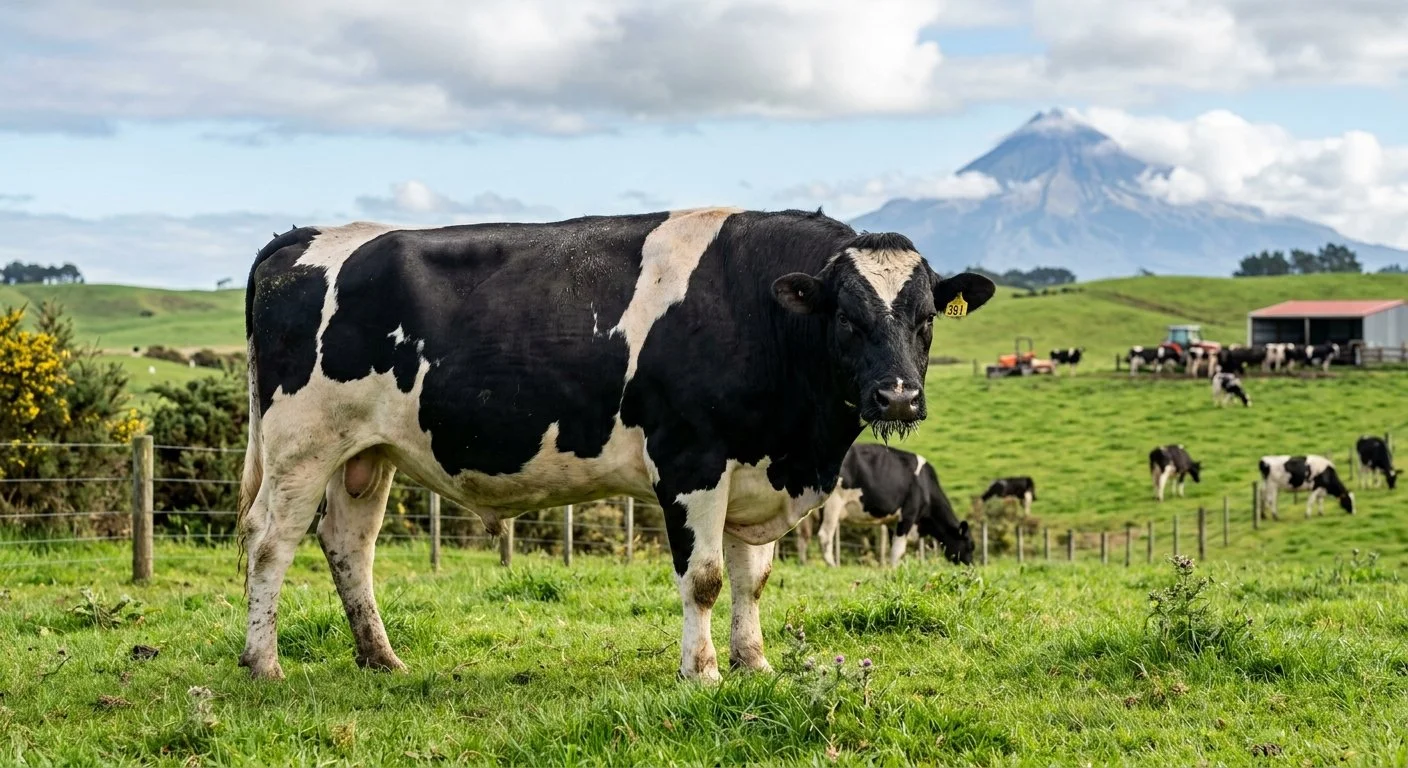
With so much focus placed on cow management, it can be easy to overlook the importance of the bull team.
A bull may only spend a relatively short period with the herd, but his performance during that time can have a significant influence on submission, conception and ultimately the number of cows that are in calf.
A bull that is fertile, healthy, mobile and capable of serving the required number of cows is an essential part of a successful mating programme.
“A bull can only do his job if he is fit, fertile and ready to work when the herd needs him.”
Start before the bull goes out
Bull preparation should begin well before mating.
Waiting until the day bulls are due to join the herd to discover a problem leaves very little time to find a solution. Bulls need to be checked early enough for any concerns around health, feet, legs, body condition or general fitness to be addressed.
This is particularly important for young bulls, which may have less experience and physical maturity than older animals.
The aim is to have every bull entering the mating period in a condition where he can work effectively without being compromised by poor fitness or an underlying problem.
Fertility is not something to assume
A bull can look impressive and still have a reproductive problem.
Breeding soundness assessment can provide valuable information before mating, particularly where bulls are being relied upon to serve a large number of cows. Checking reproductive soundness gives farmers an opportunity to identify potential issues before a bull is placed under pressure during the mating period.
This is especially important because a problem with one bull can have consequences beyond a single animal.
If a bull is unable to serve effectively, the cows assigned to him may not receive the mating opportunities expected. If the problem is not recognised quickly, valuable time can be lost.
Feet and legs are part of fertility
A bull needs to be physically capable of finding cows, mounting them and completing a service.
Feet and leg problems can therefore have a direct impact on mating performance. A bull may have normal reproductive organs and good semen quality, but if he is lame or uncomfortable moving around the paddock, his ability to work effectively can be compromised.
Farmers should therefore look at the whole animal rather than treating fertility as simply a semen issue.
Mobility, body condition, feet, legs and general health all contribute to a bull's ability to perform.
Serving capacity matters
It is not enough to know that bulls are fertile. Farmers also need to consider whether there are enough suitable bulls for the number of cows being mated.
Serving capacity can be influenced by bull age, experience, fitness, weather, paddock conditions, cow numbers and the length of the mating period.
A bull working hard in a large mob may have very different demands placed on him compared with a bull running with a smaller group.
The mating plan should therefore consider the workload expected of the bulls rather than relying on a simple assumption that one bull will manage regardless of circumstances.
Watch the bulls during mating
Putting bulls out and assuming the job is done can be a costly mistake.
Bulls should continue to be observed during mating. Farmers can look for signs that they are actively working, moving normally and showing interest in cows.
A bull that suddenly becomes lame, injured, unwell or reluctant to work can potentially leave a group of cows without adequate mating opportunities.
Observation also gives farmers an opportunity to identify problems early, when there may still be time to respond.
Bull behaviour can provide clues
The behaviour of the bulls can tell farmers plenty.
An active bull that is repeatedly seeking out cows and showing normal serving behaviour is giving a very different picture from a bull that is spending long periods away from the mob or appears reluctant to move.
Likewise, unusual aggression or fighting can create its own management risks. Bulls can injure each other, and injuries sustained during the mating period may affect their ability to work.
Good bull management therefore involves balancing reproductive performance with animal safety and practical handling.
Have a backup plan
One of the simplest ways to protect mating performance is to have a plan for what happens if a bull becomes unavailable.
A bull can become lame, injured or sick unexpectedly. If there is no suitable replacement available, the impact can extend well beyond the individual animal.
Knowing which bulls are available, where they are located and how they can be introduced if required can save valuable time.
The same principle applies when monitoring bull performance. If something does not look right, investigate it promptly rather than waiting to see whether the problem resolves itself.
Don't forget the records
Bull identification and mating records can help farmers understand how the mating period has progressed.
Knowing which bulls were used, where they were used and for how long can become particularly useful when reviewing reproductive results later.
Good records can also help identify recurring issues. If a particular group consistently performs differently, there may be management factors worth investigating.
The information gathered during mating is valuable well beyond the end of the season.
Bull management deserves the same level of preparation and attention as cow management. Fertility, feet and legs, body condition, health, mobility and serving capacity all matter when bulls are expected to get a large number of cows in calf.
Assess bulls before mating, monitor them while they are working and have a backup plan if one becomes unavailable. Do not assume that a healthy-looking bull will automatically perform well under pressure.
The goal is to make sure the bull team is fit, fertile and capable of doing the job when it matters most.
Tomorrow, we turn back to the feed budget and look at nutrition and trace elements before mating, and why what cows receive in the lead-up to mating can influence reproductive performance.