Nutrition and trace elements before mating
Welcome to Day 5 of our seven-day series on better mating results. We have looked at cow condition, heat detection, activity monitoring and bull management. Today, we look at nutrition and trace elements, because reproductive performance is closely connected to how well cows are being supported nutritionally in the lead-up to mating.
Reproduction needs resources
A cow's first priority after calving is not getting in calf. She has a calf to momentarily feed, milk to produce and a body to recover.
That means the nutritional demands of early lactation can be substantial, particularly when pasture supply or quality is under pressure. If cows are unable to consume enough energy to meet those demands, they draw on body reserves and lose condition.
As we discussed on Day 1, some condition loss after calving is expected. The concern is when cows continue to lose significant condition as mating approaches.
Nutrition is therefore not simply about feeding cows well because mating is coming. It is about supporting the cow through the entire transition from calving towards the breeding period.
“A reproductive programme cannot be separated from the nutritional programme. The cow needs the resources to produce milk, maintain herself and resume reproductive function.”
Feed intake comes first
When considering nutrition before mating, it can be tempting to focus immediately on individual nutrients, minerals or supplements.
The starting point, however, is the overall diet.
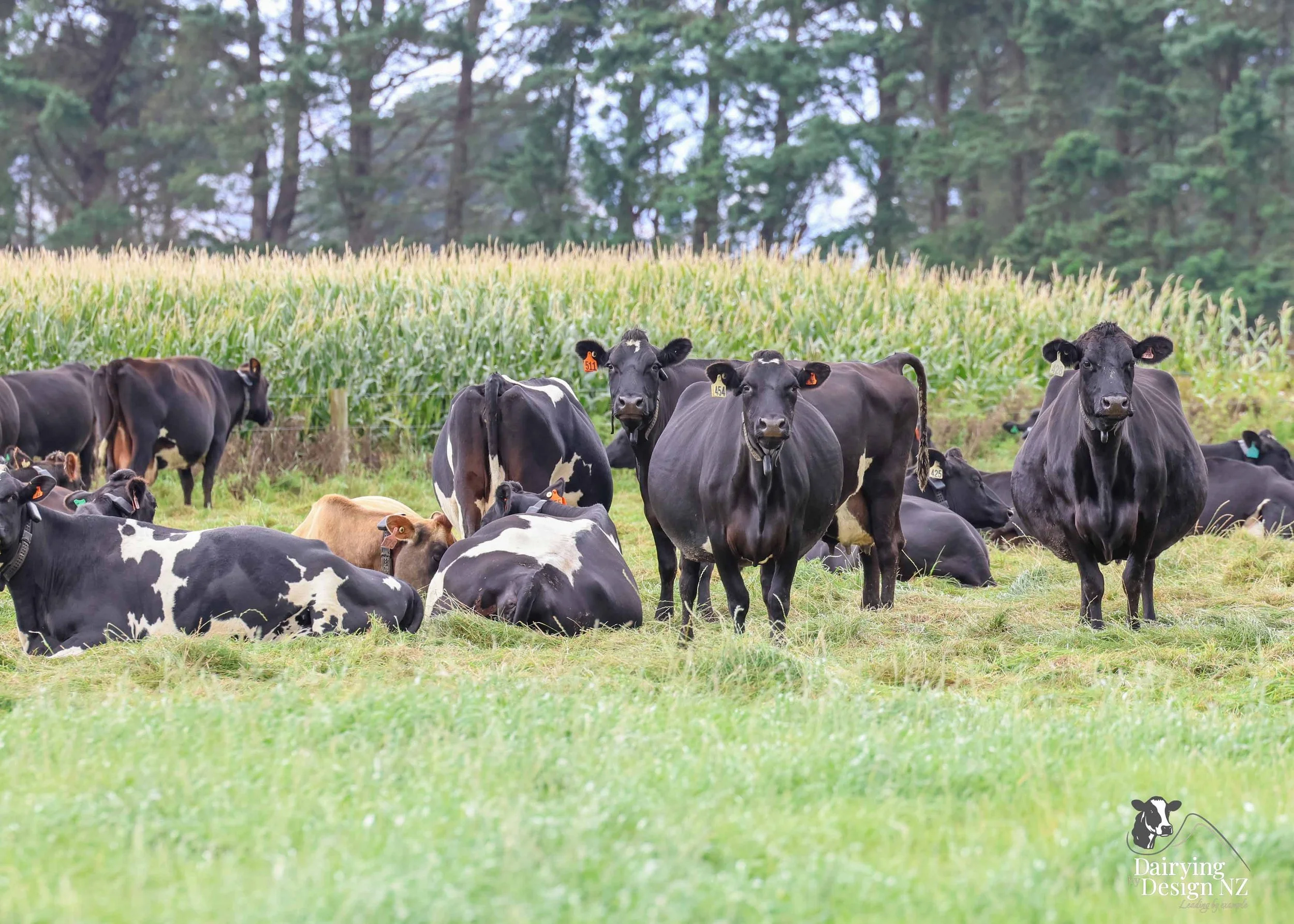
Cows need enough feed and enough usable energy to support their requirements. If pasture intake is restricted, pasture quality is poor or cows are struggling to maintain condition, adding an individual supplement will not necessarily solve the underlying problem.
Understanding pasture covers, feed quality, allocation and utilisation gives farmers a clearer picture of what cows are actually receiving.
The goal is to maintain intake and reduce unnecessary nutritional stress during a period when reproductive performance is already under pressure.
Don't overlook protein
Protein is another important part of the nutritional picture.
Lactating cows require protein for milk production and maintenance, while the rumen also relies on an appropriate supply of nutrients to support microbial activity and digestion.
Pasture quality can change significantly through the season, so farmers need to consider what the herd is actually consuming rather than relying on assumptions about feed value.
A balanced diet supports the rumen and helps cows make better use of the feed available to them.
What about trace elements?
Trace elements are often discussed in relation to fertility, but this is an area where more is not necessarily better.
Trace elements are required in small amounts, and deficiencies can affect animal health and performance. However, supplementation should be based on the likely needs of the herd and, where appropriate, supported by professional advice and testing.
Blindly adding multiple mineral products without knowing whether a deficiency exists can be an expensive approach and may create its own risks.
The important question is not simply whether cows are receiving a mineral supplement. It is whether the herd has an appropriate supply of the nutrients required for health and reproductive performance.
Know what your farm needs
Trace element requirements can vary between farms, regions, soil types, pasture systems and animal groups.
Previous farm history can provide useful clues, but it should not replace current assessment. If there are concerns about deficiencies, farmers can work with their veterinarian or nutritional adviser to determine whether testing is appropriate and what supplementation strategy makes sense.
This is particularly important because several nutrients interact within the animal. A problem may not always be as straightforward as identifying one missing mineral and adding it to the diet.
A targeted approach is generally more useful than simply increasing everything.
Don't leave nutrition until mating starts
The weeks before mating are not the time to discover that cows have been struggling nutritionally.
Monitoring body condition, pasture supply and animal performance throughout the lead-up gives farmers a better opportunity to make changes early.
If cows are losing more condition than expected, the sooner the cause is identified, the more opportunity there is to respond.
Nutrition should also be considered across different groups of cows. First-calvers may have different requirements from mature cows, while cows that have experienced health problems or difficult calvings may need closer attention.
Water matters too
It is easy to concentrate on pasture and supplements while overlooking one of the most basic requirements of the dairy cow: clean, accessible water.
Water intake supports feed intake, milk production and normal body function. During periods of high demand, access to an adequate water supply becomes particularly important.
Checking troughs, water flow, cleanliness and access is a relatively simple part of the overall pre-mating preparation.
A cow cannot make the most of a good feed supply if other basic requirements are limiting intake.
A balanced approach beats a quick fix
There is no single feed, mineral or supplement that guarantees better mating results.
Reproductive performance is influenced by a combination of cow condition, nutrition, health, heat detection, genetics, bull performance and management.
The most useful approach is therefore to look at the whole system.
Ask whether cows are maintaining appropriate condition, whether feed supply is meeting demand, whether there are signs of nutritional stress and whether any suspected trace element issues have been properly assessed.
Good reproductive management is rarely about one dramatic intervention. It is usually the result of getting many smaller things right.
Nutrition before mating should start with the basics: adequate feed intake, suitable pasture quality, good water access and cows that are maintaining an appropriate level of body condition.
Trace elements have an important role where deficiencies exist, but supplementation should be targeted rather than based on the assumption that more is better. If there are concerns, investigate them and seek appropriate advice before making major changes.
The aim is to have cows approaching mating well supported nutritionally, with condition loss under control and no obvious nutritional issues standing in the way of reproductive performance.
Tomorrow, we bring everything together and look at reducing empty rates, including the practical factors that can make the difference between cows getting in calf and cows carrying over.