Calf Housing and Bedding: Building Healthy Calves from the Ground Up

Part Three of Dairying by Design NZ's Calf Rearing Series
A healthy calf is the result of many small decisions made well. Colostrum management, nutrition and hygiene are all critical, but the environment calves live in during their first weeks can have just as much influence on their future performance.
Housing is no longer simply about getting calves out of the weather. Today's calf facilities are being designed to improve animal welfare, reduce disease pressure and create conditions where calves can consistently grow and develop into productive replacement heifers.
Whether you're using a converted implement shed or a purpose-built calf barn, creating the right environment should be one of the highest priorities during the rearing season.
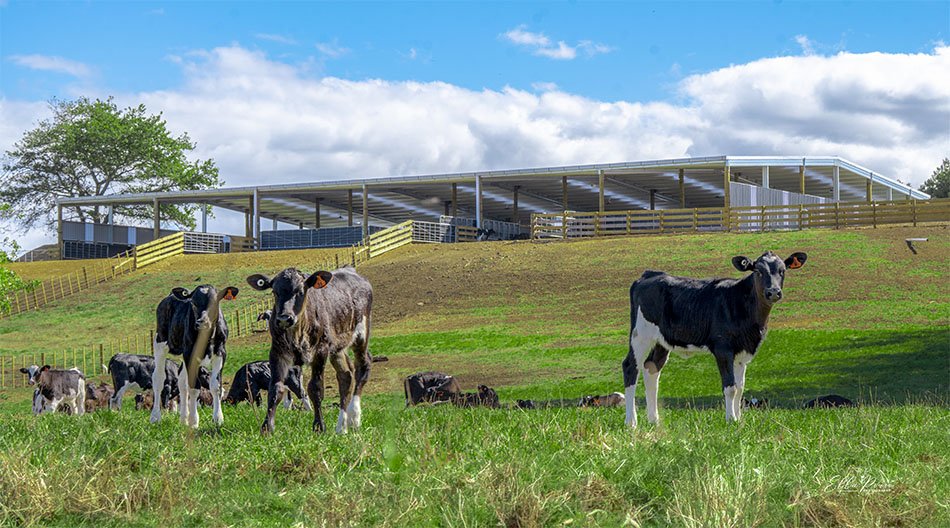
Photo Ella Pirie Photography
“The best calf sheds don’t just protect calves from the weather—they create an environment where every day supports healthy growth.”
Every Degree Matters
Unlike mature cows, newborn calves have very little capacity to cope with sudden changes in temperature. During the first few weeks of life they rely heavily on the environment around them to stay comfortable.
If calves become cold, much of the energy supplied through milk is diverted into maintaining body temperature rather than supporting growth. Over time this can slow weight gains and place additional pressure on the developing immune system.
Providing shelter from cold winds, heavy rain and rapidly changing weather allows calves to put more energy into growing instead of simply coping with the conditions.
Ventilation Is About Air Quality
Fresh air is essential inside every calf shed, but airflow needs to be carefully managed.
Good ventilation removes moisture, stale air and airborne bacteria while helping maintain a healthier environment. However, ventilation should never mean cold air blowing directly onto resting calves.
Many modern calf sheds now incorporate ridge ventilation, adjustable wall openings and higher rooflines that encourage natural air movement throughout the building. These simple design features help control humidity while still providing excellent protection during poor weather.
Even older sheds can often be improved with relatively simple modifications that increase airflow without exposing calves to chilling winds.
A Comfortable Calf Is Usually a Resting Calf
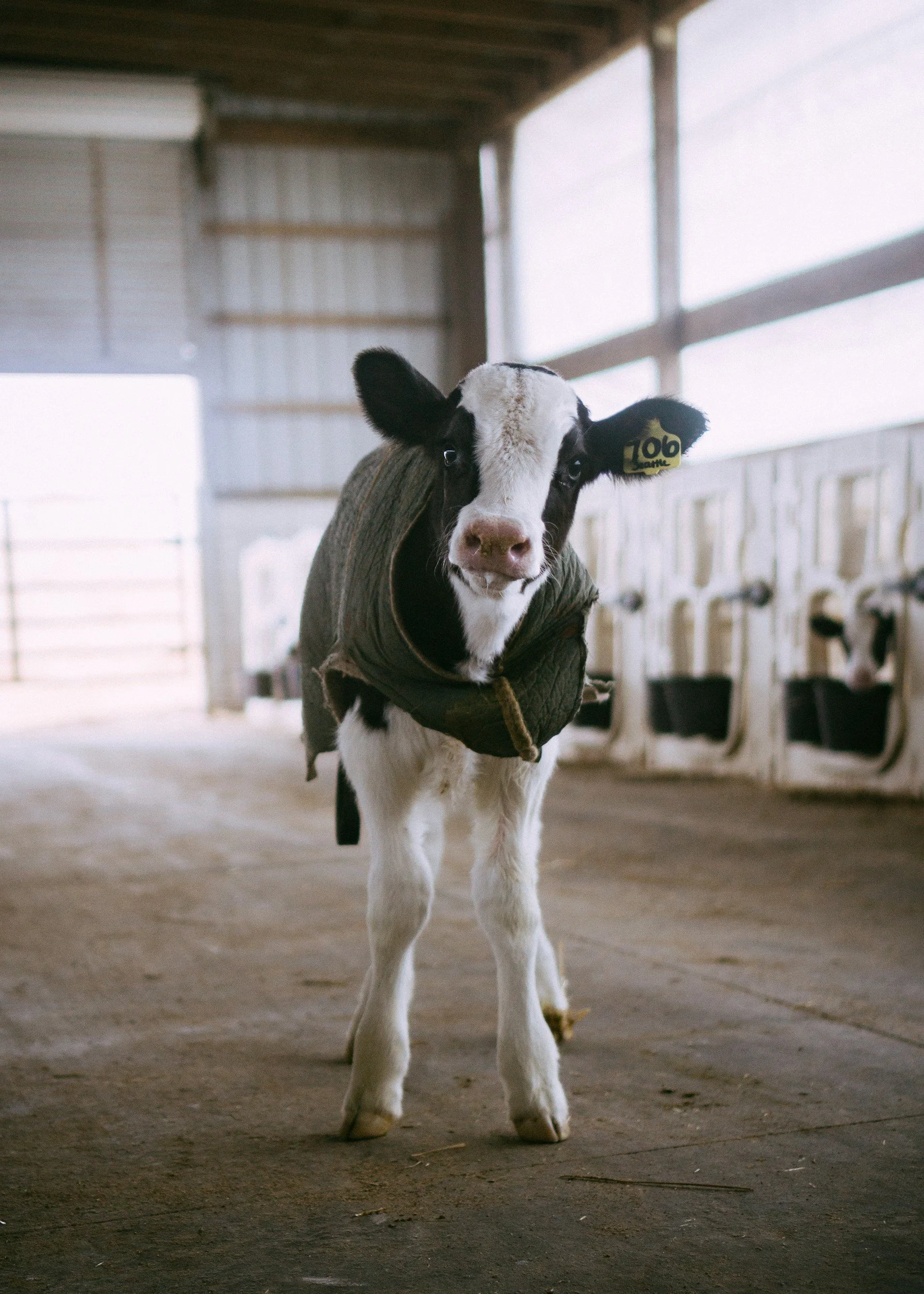
Young calves spend much of each day resting. Comfortable calves are generally quieter, settle more quickly after feeding and make better use of the nutrients they consume.
Providing sufficient space allows calves to lie naturally, move around without disturbance and avoid unnecessary competition within the pen.
Overcrowding quickly creates additional challenges. Bedding becomes contaminated sooner, moisture levels rise, cleaning becomes more difficult and disease can spread more rapidly through the group.
Allowing adequate space is one of the simplest ways to improve calf comfort while making day-to-day management easier.
Choosing Bedding That Suits Your Farm
No single bedding material is perfect for every dairy farm.
The best choice often depends on local availability, cost, labour requirements and the type of housing being used.
Straw remains one of the most effective options for insulating young calves during colder weather. Its ability to trap air creates a warm resting area and encourages calves to nest comfortably.
Wood shavings continue to be popular because they absorb moisture well and provide a soft lying surface when regularly maintained.
Other materials, including bark, rice hulls and processed fibre products, may also perform well where they are readily available.
Regardless of the material chosen, the objective remains the same—providing calves with a consistently clean, dry and comfortable place to rest.
Bedding Needs Constant Attention
Good bedding management is not something that happens once a week.
Conditions inside a calf shed change every day as calves grow, weather patterns shift and moisture gradually accumulates.
Areas around drinkers, gateways and popular sleeping spots often require attention first. Replacing damp bedding promptly helps maintain calf comfort while reducing the conditions that allow disease-causing organisms to multiply.
Adding fresh bedding regularly throughout the season is usually far more effective than waiting until conditions have noticeably deteriorated.
Natural Light Plays a Bigger Role Than Many Realise
Modern calf shed design is placing increasing emphasis on natural light.
Well-lit sheds create a more pleasant working environment while making it easier to identify calves that may be slower to feed or showing early signs of illness.
Sunlight also assists in keeping sheds drier by helping reduce dampness in well-designed facilities.
Where practical, allowing natural daylight into calf housing can improve both animal management and overall shed conditions.
Good Drainage Protects Your Investment
The most expensive bedding in the world cannot perform properly if moisture is trapped underneath it.
Effective drainage allows water to leave the shed quickly before it soaks into bedding.
Checking for leaking drinkers, blocked drains or areas where water pools after heavy rain can prevent ongoing problems that affect calf comfort throughout the season.
A dry floor provides the foundation for every successful bedding system.
Hygiene Is About Consistency
Successful calf sheds are rarely the result of one major clean-up.
Instead, they reflect consistent daily management.
Removing manure, refreshing bedding, cleaning feeding equipment and monitoring calf behaviour all contribute to reducing disease pressure throughout the rearing period.
Attention to these small daily jobs helps create an environment where calves can remain healthy without unnecessary setbacks.
Building Better Replacement Heifers
Every improvement made to calf housing is an investment in the future of the herd.
Healthy calves generally grow more consistently, experience fewer health challenges and enter the milking herd better prepared to reach their genetic potential.
As New Zealand dairy farming continues to evolve, calf housing is increasingly recognised as an essential part of whole-farm performance rather than simply another farm building.
The sheds that produce the best results are not always the newest or the most expensive. They are the ones designed around the needs of the calf—providing warmth, fresh air, comfort, cleanliness and protection every single day.
When those foundations are in place, calves are given the opportunity to thrive from the very beginning, setting the platform for healthier, more productive cows in the years ahead.