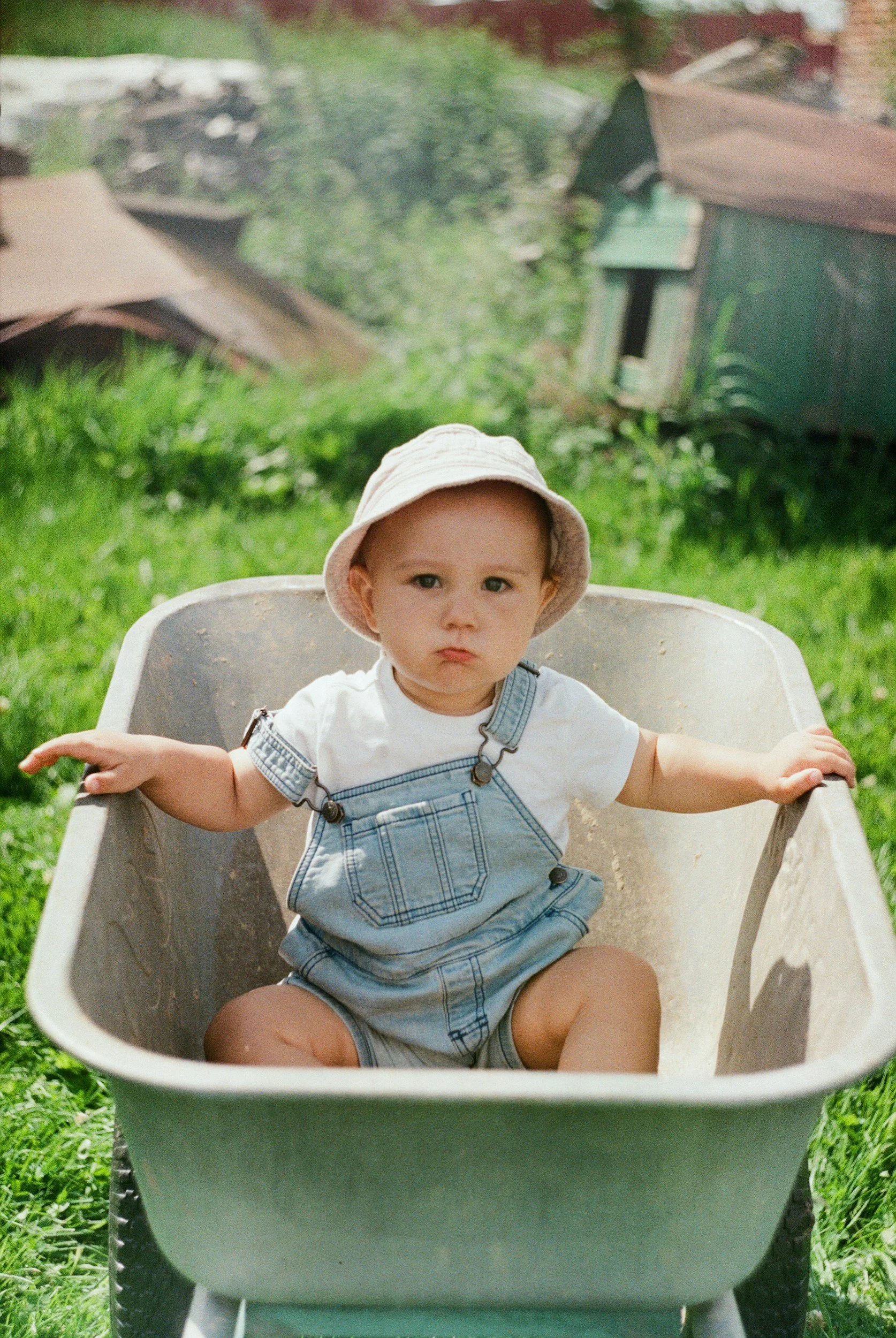
Raising Farm Kids Who Love the Land

A childhood that can't be manufactured
There is something quietly remarkable about growing up on a farm. It isn't something that can be bought or scheduled into a weekend activity, and it certainly isn't something children fully appreciate while they're living it. It is only years later, when they have families and careers of their own, that many realise just how fortunate they were.
For generations, New Zealand farms have raised more than livestock and crops. They've raised children who understand that life doesn't always run to plan, that hard work has purpose, and that success is usually earned rather than expected. Whether it's a dairy farm in Southland, a sheep and beef property in Hawke's Bay, a kiwifruit orchard in the Bay of Plenty or a lifestyle block on the outskirts of town, rural life has a unique way of shaping character.
That doesn't mean it's always easy. Modern farming looks very different from the childhood many parents remember. Farms have grown larger, businesses have become more complex, compliance demands more attention and health and safety rightly sits at the forefront of every decision. At the same time, children face a world of digital distractions that previous generations never had to compete with.
Yet despite all those changes, one thing remains the same. A farm is still one of the best classrooms a child could ever have.
“The greatest crop any farm will ever produce isn’t found in the paddock. It’s the next generation.”
Learning without realising it
Children have an incredible ability to absorb lessons simply by being involved.
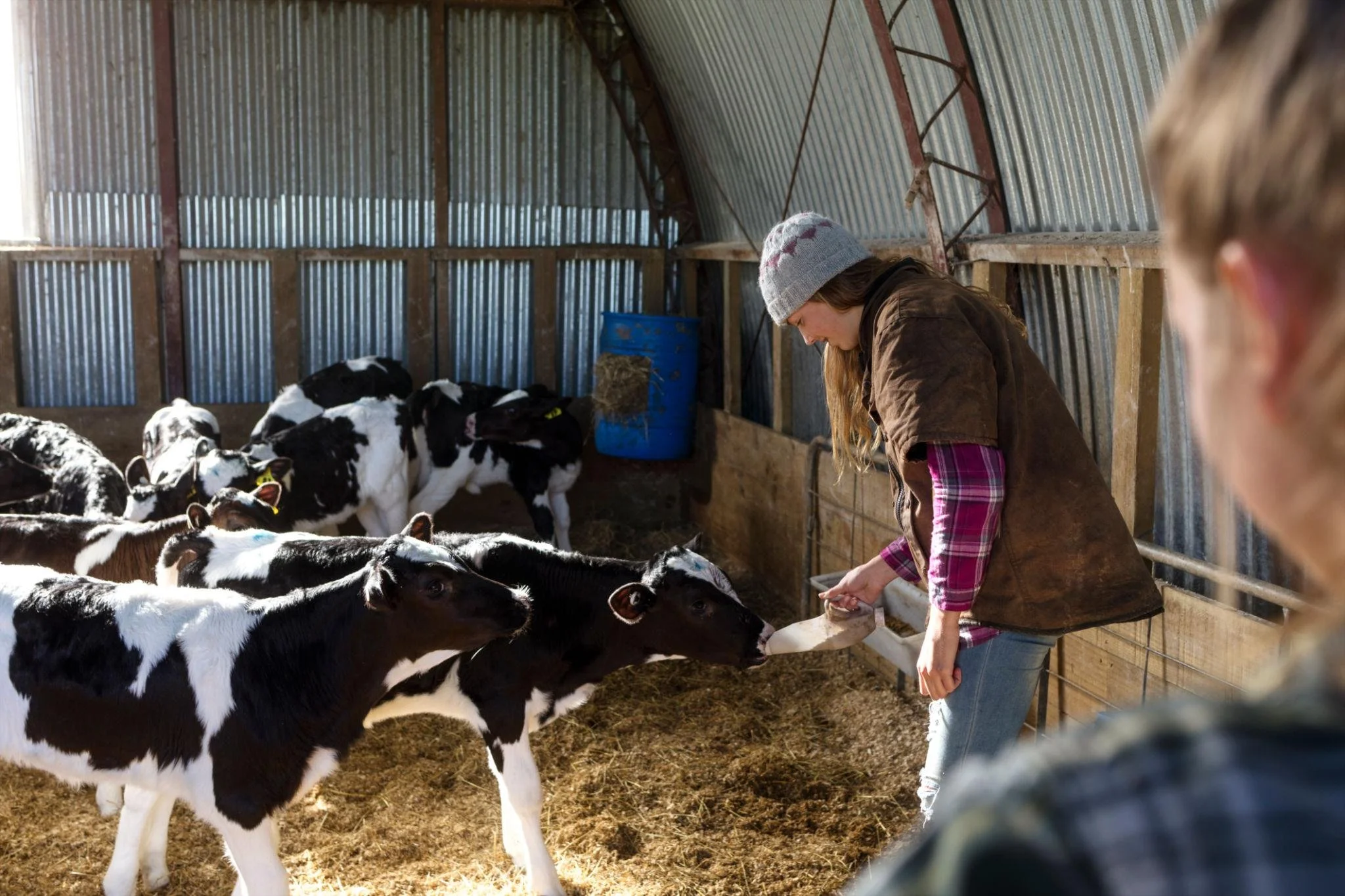
A youngster helping to feed calves isn't just carrying a bucket. They're learning that animals rely on people every single day. A teenager riding along while a parent shifts stock is listening to conversations about weather, pasture management, animal welfare and making difficult decisions when conditions change. Even sitting quietly in the ute during morning rounds teaches observation. They begin to notice which paddocks are growing well, which cows are close to calving and how quickly circumstances can change after a few days of rain.
Those lessons aren't taught from a textbook. They become part of everyday life, and they often stay with children long after they've left home.
Perhaps more importantly, children begin to understand that every member of the family contributes in different ways. Younger children might collect eggs or help wash the farm bikes, while older siblings take on more responsibility as they mature. None of those jobs are glamorous, but together they build a sense of belonging that many children never experience.
The value of seeing life unfold
One of the greatest gifts farming gives children is an understanding that not everything can be controlled.
There will be seasons when grass grows faster than anyone can keep up with and others when every drop of rain is watched with hope. Machinery breaks down, calves become sick and carefully made plans sometimes unravel in a matter of hours. Children witness these moments as they happen, but they also see something equally important. They watch adults adapt, rethink the plan and keep moving forward.
That quiet resilience is difficult to teach in any other setting. It develops naturally because farming demands it.
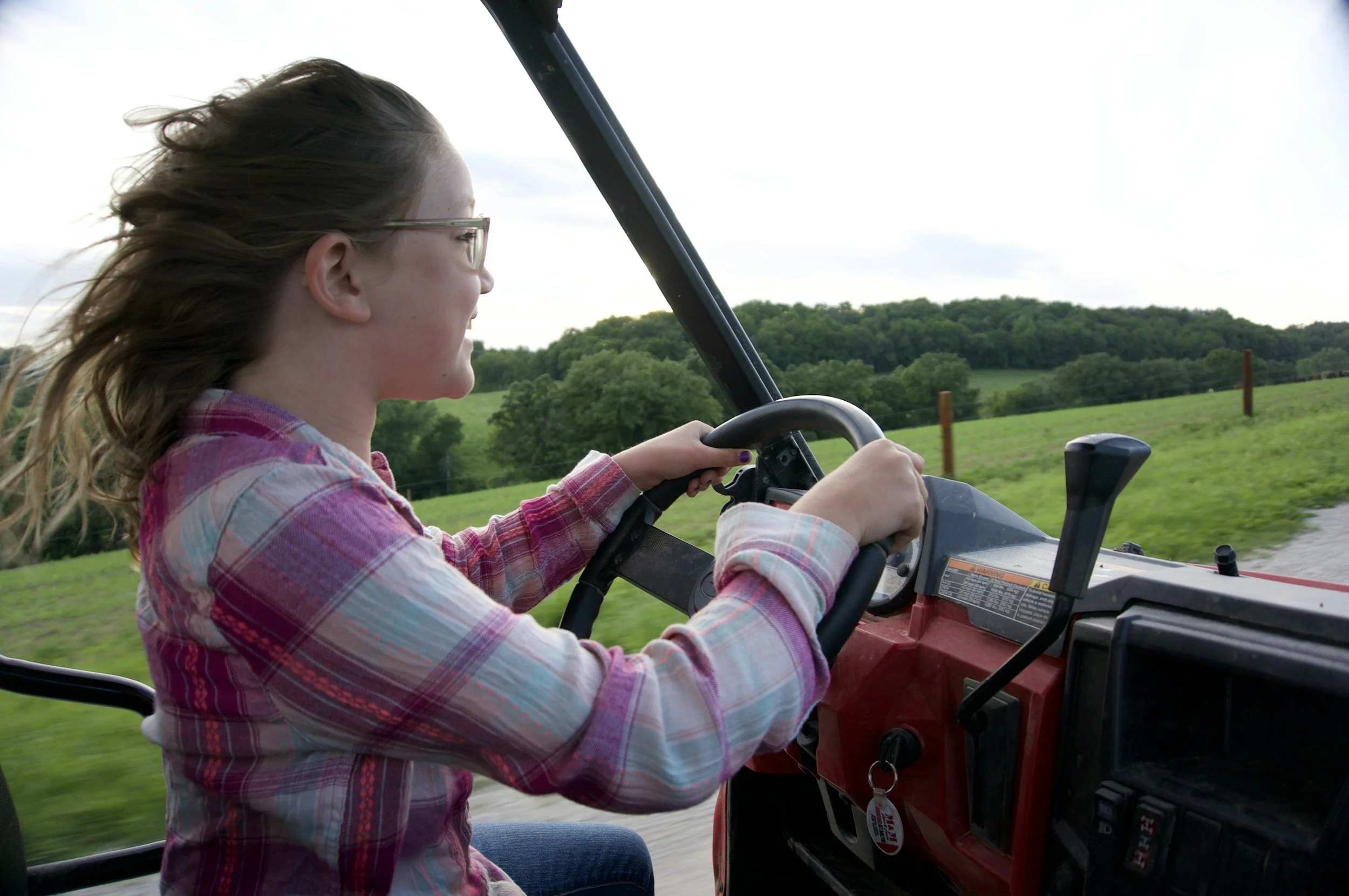
Many parents worry they aren't spending enough time with their children because farm work never really stops. Yet children often remember things differently. Years later they rarely talk about how tidy the house was or whether every weekend was free. They remember riding in the tractor during silage, helping with calf feeding before school, watching the sunrise on frosty mornings or sharing smoko in the shed after everyone had been working together.
Those ordinary moments become extraordinary memories.
Finding balance in a changing world
Of course, today's farming families face challenges that previous generations never imagined.
Technology is part of everyday life, and it isn't going away. Nor should it. Modern agriculture depends on innovation, and many young people are fascinated by GPS-guided machinery, drones, electronic identification systems and farm management software. The key isn't choosing between technology and the outdoors but finding ways for the two to complement each other.
The same applies to safety. Children can no longer roam every corner of the farm unsupervised, and that's a positive step. Safe farms protect everyone. What matters is making sure sensible precautions don't prevent children from experiencing the joy of rural life altogether. With guidance and age-appropriate responsibility, there are still countless opportunities for young people to become involved and develop confidence.
Not every child raised on a farm will choose farming as a career, and that shouldn't be the measure of success. Many will become veterinarians, teachers, mechanics, engineers, scientists or business owners. What they take with them is often far more valuable than practical farming skills. They leave with an appreciation of where food comes from, respect for animals and the environment, and an understanding that worthwhile achievements usually require patience and persistence.
“The greatest crop any farm will ever produce isn’t found in the paddock. It’s the next generation.”
Looking beyond the farm gate
Perhaps the greatest legacy a farming family leaves isn't measured in hectares, milk solids or stock numbers. It's measured in the people they raise.
Children who grow up surrounded by honest work, changing seasons and strong community values carry those experiences for the rest of their lives. They understand commitment because they've seen it every day. They appreciate teamwork because they've lived it. They know that success is rarely instant and that some of life's most rewarding moments come from simply working alongside the people who matter most.
In a world that seems to move faster every year, perhaps that is one of farming's greatest strengths. It reminds children that some things can't be hurried. Trust, responsibility, resilience and character all take time to grow, much like the land itself.
Every farming family has its own stories. We'd love to hear yours. What lessons did you learn growing up on a farm, or what values are you hoping to pass on to the next generation? Share your thoughts on Facebook and Instagram and continue the conversation with rural families across New Zealand.