Canterbury Dairy Conversion Boom
Analyzing the Shift from Arable Crops to High-Value Dairy Farming
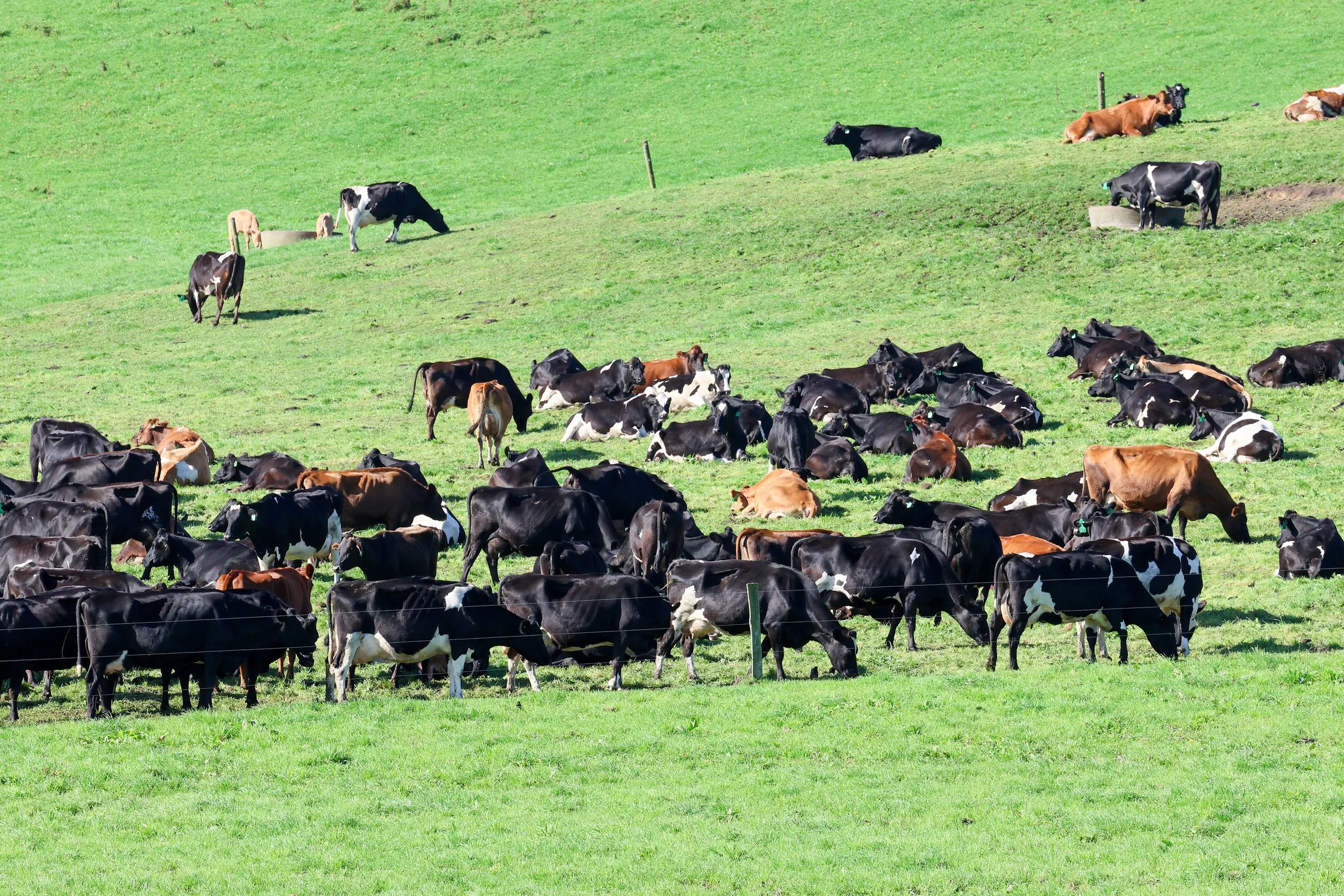
Picture this: vast golden fields of wheat swaying in the Canterbury Plains wind, feeding New Zealand's bakeries and breweries for decades. That image defined the region as the nation's top spot for grain crops like wheat, barley, and oats. Yet lately, more farmers are swapping those crops for cows, sparking a dairy conversion boom that's reshaping the land.
Drivers Fueling the Canterbury Dairy Conversion Surge
Farmers in Canterbury aren't switching to dairy on a whim. Strong forces push them toward this path. It's a mix of money, land fit, and outside help that makes the move appealing.
Economic Incentives Over Arable Farming
Dairy pays better than grains right now. Milk solids bring steady cash, unlike the ups and downs of wheat or barley prices. For example, recent forecasts show dairy payouts hitting around NZ$8 per kg of milk solids in 2025, way above what crop yields offer after costs.
You see, grain farming faces wild market swings from global weather or trade deals. Dairy, tied to big buyers like China, feels more secure. Farmers who convert often double their income in the first few years. This edge draws in landowners tired of slim margins on oats and barley.
Plus, government support for high-value exports favors dairy. It creates a clear winner over traditional crops in tough times.
Land Suitability and Resource Availability
Canterbury's flat plains and mild climate suit cows well. The soils hold water and nutrients needed for pasture grass. Irrigation systems, built for crops, now feed dairy herds too.
Think about the rivers and aquifers here. They provide ample water for sprinkling fields, unlike drier spots in New Zealand. Grain crops need deep roots and less water, but dairy thrives on quick-growing feeds like ryegrass.
This setup lets farmers irrigate year-round for steady milk production. It's a natural fit that speeds up conversions without huge overhauls.
Infrastructure Investment and Industry Support
Big players like Fonterra lead the charge. They build new milk processing plants and offer contracts to new dairy farmers. This support lowers the risk for those converting land.
Local farm consultants pop up everywhere, guiding sales and setups. You can find real estate deals tailored for dairy shifts, with prices reflecting quick returns. In 2025 alone, reports show over 10,000 hectares converted, backed by these investments.
The Future Outlook for Canterbury Agriculture
What's next for this dairy wave? Experts predict shifts, but balance is key. Sustainability will shape the path ahead.
Projections for Dairy Saturation Point
Growth slows as land fills up. By 2030, models suggest 70% of suitable plains in dairy. Regulations on water might cap it sooner.
Some areas hit limits already. Councils plan zones to protect crop lands. The boom eases, but doesn't stop.
Farmers adapt by intensifying yields on existing farms.
Innovation in Sustainable Dairy Practices
Tech steps in to help. Precision tools track cow health and water use. Drones spot dry patches for targeted irrigation.
Effluent systems recycle waste into fertilizer. Feed mixes cut methane from cows. These keep output high with less harm.
Canterbury leads in trials. By 2025, half of new farms use such gear.
Actionable Takeaways for Landowners and Investors
Check water rights first if you eye conversion. Talk to councils about permits early.
Study soil tests for dairy fit.
Watch market trends. Diversify a bit to spread risks. It's smart planning for success.