
Eradicating pasture weeds on NZ dairy farms
Eradicating Pasture Weeds on New Zealand Dairy Farms
Weed management is a critical component of successful dairy farming in New Zealand. With the right strategies in place, farmers can maintain healthy pastures that are not only productive but also resilient against invasive weeds. Implementing an Integrated Weed Management (IWM) approach, which combines non-chemical methods with timely herbicide applications, is crucial for eradicating pasture weeds effectively.
Key Principles for Weed Eradication
To begin, the first step in weed management is accurate identification. Different weeds require specific control methods, and understanding their unique characteristics is vital for selecting the right approach. Resources such as the Massey University Weeds Database can be invaluable for farmers looking to upskill their identification capabilities.
Another essential principle is targeting weeds when they are small. Seedling weeds are significantly easier to control using "softer" herbicides that are safe for clover, such as MCPB, Bentazone, and Flumetsulam. Timely intervention can help prevent the weeds from maturing and going to seed, which is critical for reducing the seed bank in the soil.
Maintaining a competitive pasture is also pivotal. A dense and healthy pasture will out-compete weeds for light, water, and nutrients, creating a natural barrier to their establishment. This emphasizes the importance of good pasture management practices to enhance pasture health.
Lastly, rotating herbicides and control methods can prevent herbicide resistance. Incorporating cultural controls like mowing and crop rotations diversifies the management strategy and minimizes reliance on chemicals alone.
Management Strategies Before Sowing New Pasture
Before resowing pasture, farmers should consider a full spray-out of existing vegetation using comprehensive herbicides like glyphosate. This method effectively eliminates perennial weeds and prepares the land for a new, healthier pasture. Incorporating crop rotation with summer or winter crops, such as fodder beet or brassicas, can also break weed cycles, providing opportunities to use non-pasture-safe chemicals.
Good seedbed preparation is crucial to ensure even emergence of the new pasture. A well-prepped seedbed gives the new establishment its best chance to thrive and out-compete any remaining or emerging weeds.
Management Strategies in Established Pasture
Once the pasture is established, regular monitoring is essential. Farmers should walk through their pastures to identify emerging weeds and their growth stages, ensuring timely intervention. In the early stages of the new pasture, clover-safe sprays like MCPB and Bentazone can be applied to target broadleaf weeds without damaging the new clover and grass seedlings.
Timely boom spraying is effective for established pasture management, with applications in autumn, winter, or early spring to take advantage of active weed growth without letting them mature. For hard-to-kill perennial weeds such as Californian Thistle, multi-season programs with specific herbicides such as Tordon PastureBoss or MCPA follow-ups are necessary to effectively target root systems.
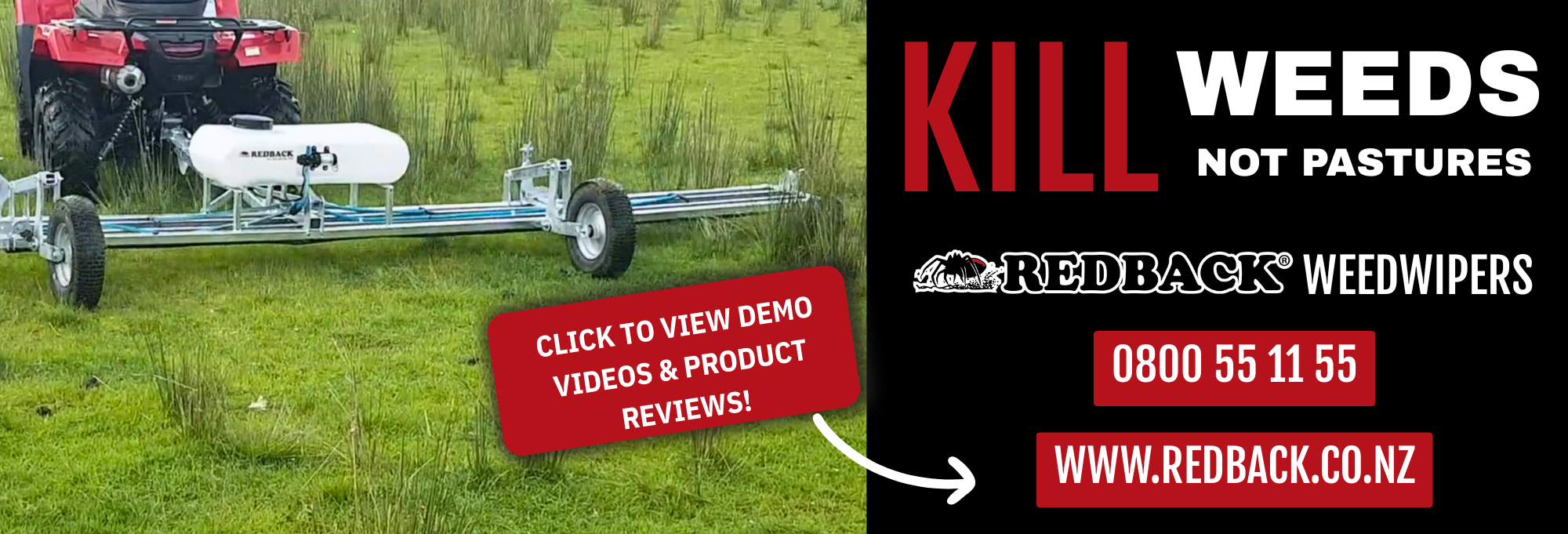
In addition, spot spraying or using a weed wiper can be cost-effective solutions for managing scattered or particularly tough weeds while minimizing damage to valuable pasture species. Combining these strategies with sound grazing management practices—like avoiding overgrazing in the summer and utilizing stand-off areas in winter—will help maintain pasture density and deter weed establishment.
In conclusion, effectively eradicating pasture weeds on New Zealand dairy farms requires a comprehensive and integrated approach. By utilizing these management strategies, farmers can foster robust pastures that support their dairy operations and contribute to overall productivity.