Feeding Dairy Cows Through the Dry Period: Investing in Next Season's Success
For many dairy farmers, the dry period can feel like a welcome opportunity to take a breath after a busy season. However, while cows may not be producing milk, this stage of the production cycle is one of the most important times to focus on nutrition and management.
The weeks leading up to calving have a significant influence on cow health, milk production, fertility and overall herd performance. A well-fed dry cow is far more likely to transition smoothly into lactation, while nutritional shortcomings during this period can create challenges that carry through the entire season.
More Than Just a Rest Period
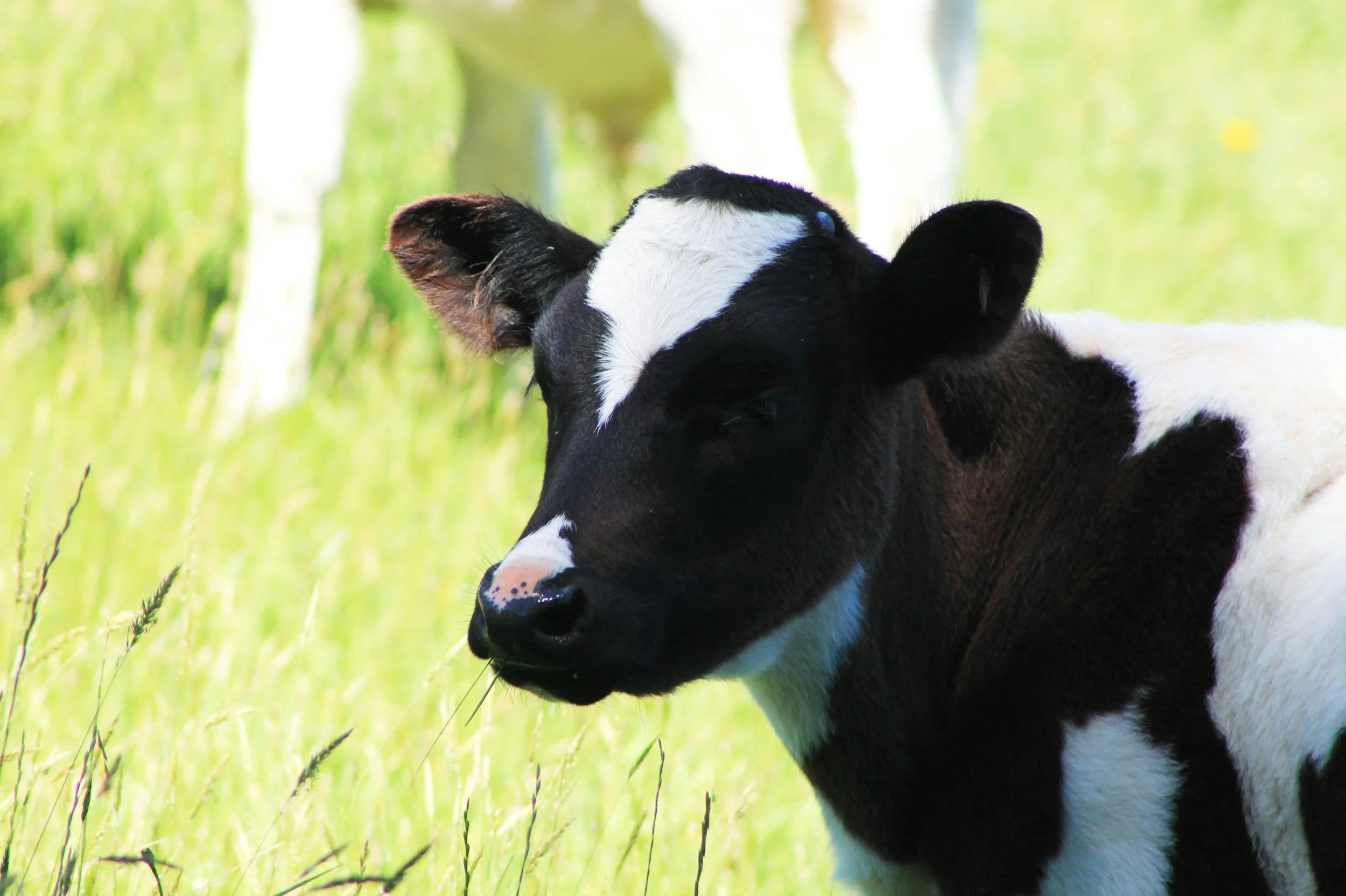
The dry period is often viewed as a time for cows to recover, but there is much more happening beneath the surface. During these six to eight weeks, the udder undergoes essential tissue regeneration, the unborn calf experiences rapid growth, and the cow prepares for the major physiological demands that come with calving and the start of lactation.
As calving approaches, nutrient requirements increase considerably. The growing calf places greater demands on the cow, while her body begins preparing for milk production. Ensuring cows receive the right balance of energy, protein, fibre and minerals during this time is critical.
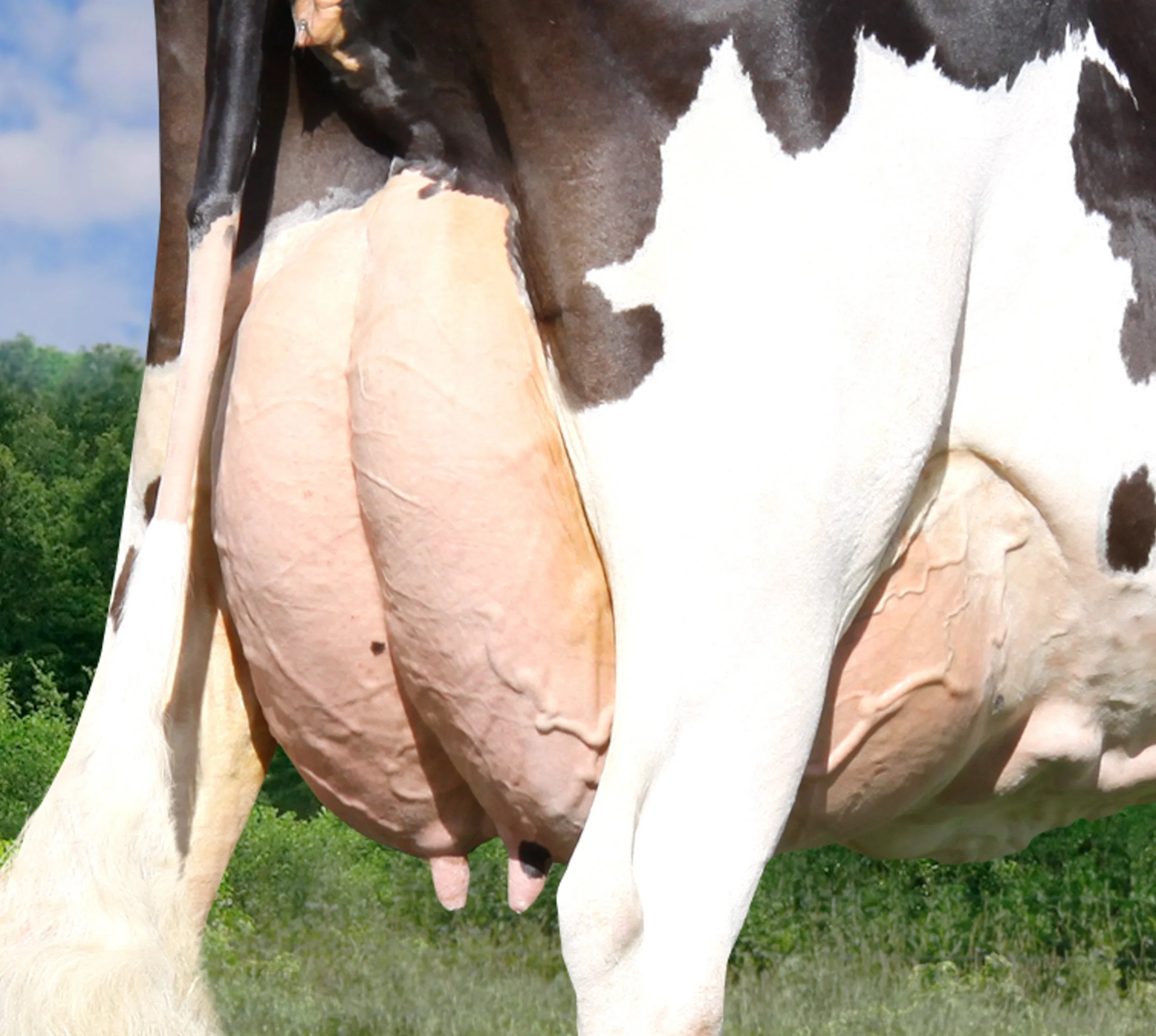
Photo by Dianna malcolm
Getting Body Condition Right
One of the primary goals during the dry period is to manage body condition effectively. Cows that calve at the appropriate body condition score are generally better positioned to achieve strong production and reproductive performance.
Cows that are too thin may struggle to reach their milk production potential and can have difficulty maintaining condition after calving. On the other hand, cows carrying excessive condition are often at greater risk of metabolic disorders such as ketosis and fatty liver.
Regular body condition scoring throughout the dry period allows farmers to identify cows that may require additional attention and helps ensure the herd is on track heading into calving.
Balancing Feed Intake
Providing enough feed without overfeeding is often a balancing act. Dry cows need sufficient energy to support maintenance, pregnancy and condition requirements, but excessive energy intake can create problems later on.
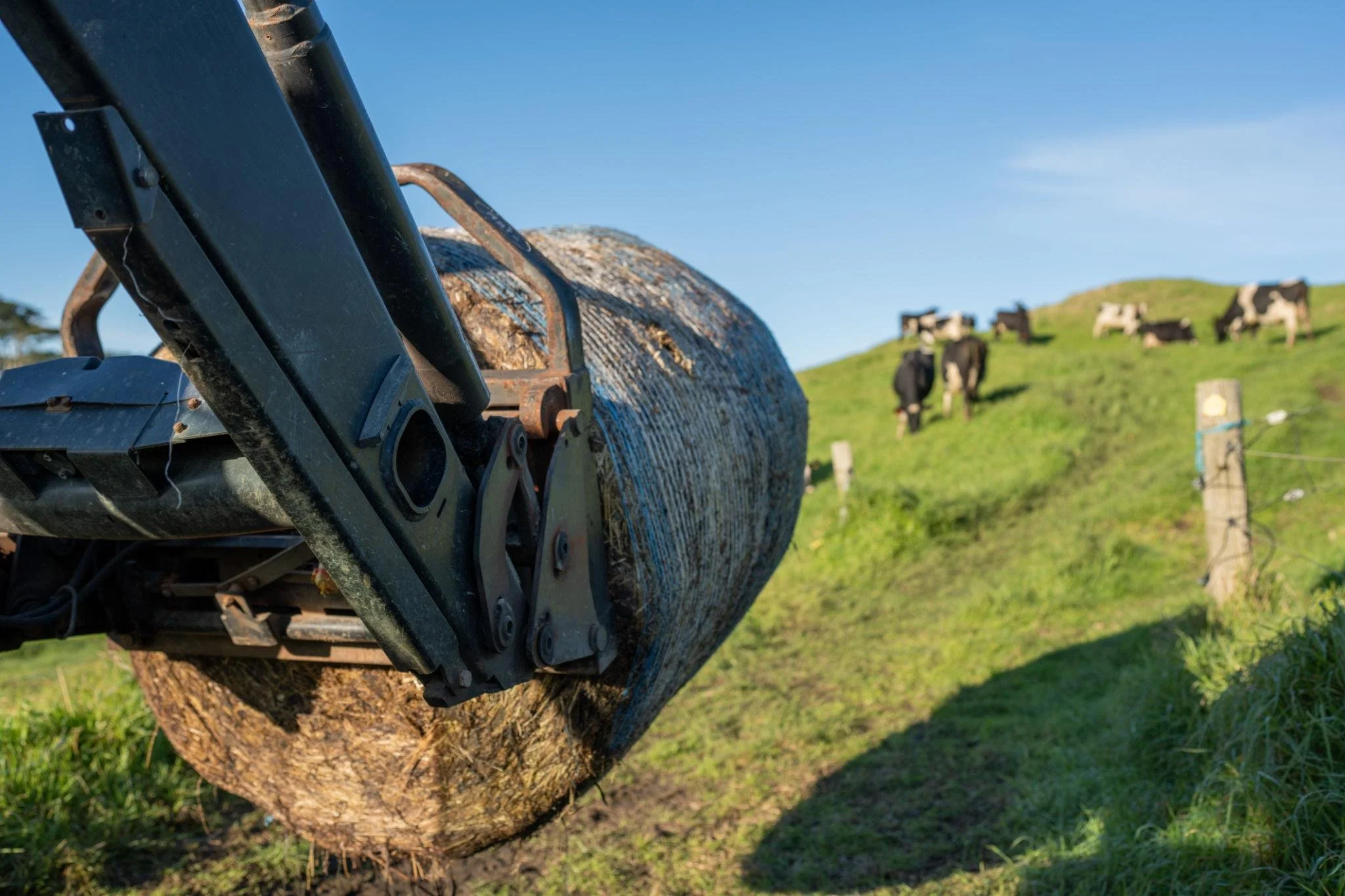
The ideal feeding programme will vary from farm to farm depending on feed availability, pasture quality and seasonal conditions. Whether cows are grazing pasture, winter crops, silage, hay or a combination of feeds, maintaining consistency is important.
Good-quality feed encourages intake and supports rumen health, helping cows adapt more easily as they transition into lactation. Feed quality can have a major impact on performance, making regular feed assessment a worthwhile investment.
“The weeks before calving can shape the entire season ahead. Well-fed, well-managed dry cows are more likely to calve smoothly, transition successfully into lactation, and deliver stronger production and reproductive performance.”
The Importance of Mineral Nutrition
Minerals play a particularly important role during the weeks leading up to calving. Adequate levels of calcium, magnesium, phosphorus and essential trace elements help support metabolic function and reduce the risk of common transition disorders.
Milk fever remains a concern for many dairy farmers, particularly among older cows, and appropriate mineral management can significantly reduce the likelihood of issues occurring around calving. Many farmers work alongside their nutritionist or veterinarian to develop a mineral programme tailored to their herd and feed system.
The final few weeks before calving are often when mineral supplementation becomes especially important, helping prepare cows for the substantial demands of early lactation.
Preparing for a Smooth Transition
The transition period, generally considered the final two to three weeks before calving, is a critical stage in the dairy production cycle. During this time, cows are preparing to shift from a non-lactating state to producing large volumes of milk.
Minimising stress and maintaining consistent feed availability can make a significant difference. Introducing feeds that will be part of the post-calving diet can also help cows adapt more easily after calving, reducing digestive upsets and encouraging feed intake.
Access to clean water, comfortable lying areas and adequate space at the feed face are equally important considerations during this period.
Small Decisions, Big Results
Successful dry cow feeding is about more than simply filling the feed wagon. It involves careful planning, regular monitoring and understanding the changing nutritional requirements of cows as calving approaches.
While every farming system is different, the principles remain the same. Cows that enter calving healthy, well-conditioned and nutritionally prepared are more likely to experience fewer health problems, produce more milk and return to calf more successfully.
The dry period may be one of the quieter stages of the season, but the management decisions made during these weeks can deliver benefits that last well beyond calving. By giving dry cows the attention they deserve, farmers are making an investment not only in the health of their herd but also in the productivity and profitability of the season ahead.