
Waikato Plan Change 1: Call for Pause Amid Regulatory Reform
Supplied by Federated Farmers

Federated Farmers is urging the Government to delay implementation of Waikato Regional Council’s Plan Change 1 (PC1) until ongoing reforms to resource management, freshwater regulation and local government are finalised.
Waikato Federated Farmers President Chris Woolerton says the proposed changes represent one of the most significant regulatory shifts ever faced by farmers in the Waikato and Waipā catchments.
“Plan Change 1 introduces extensive compliance requirements and restrictions that could fundamentally alter the way farming businesses operate across the region,” says Woolerton.
“Many farmers would be required to obtain resource consents and maintain highly detailed farm plans simply to continue carrying out existing farming activities. There are concerns this will increase costs, add complexity and create duplication.”
The PC1 process began in 2012 and has undergone an extended period of submissions, hearings and appeals. Following a recent Environment Court decision, Waikato Regional Council has been directed to make a number of amendments before the plan is finalised.
Woolerton believes the lengthy timeframe highlights a key challenge with the current regulatory process.
“Over the past 14 years, farming systems and environmental practices have continued to evolve. Farmers have made significant investments in environmental improvements, often at a faster pace than the regulatory process itself.”
He says the timing of the decision coincides with major Government reforms currently underway.
“With changes proposed to the resource management framework, freshwater policy and local government structure, there is a real risk of uncertainty and duplication for farmers, councils and industry professionals.”
Federated Farmers is calling for a temporary pause to allow alignment between regional requirements and the emerging national framework.

Potential Impact on Farming Businesses
Once implemented, PC1 will introduce new land-use rules affecting more than 4,500 farming properties within the Waikato and Waipā River catchments.
The changes could limit flexibility around land-use decisions and make transitions between different farming systems more difficult. Farmers operating within specific catchments may also be required to obtain resource consents to continue existing activities.
Waikato Federated Farmers Meat & Wool Chair Reon Verry says farmers support environmental progress but want to ensure resources are directed where they can deliver the greatest benefit.
“Many farmers have already invested heavily in fencing, planting programmes, farm environment plans and catchment initiatives,” says Verry.
“The concern is that additional compliance requirements could divert time and investment away from practical on-farm environmental improvements.”
Verry says farmers remain committed to improving environmental outcomes and supporting the health of waterways and landscapes.
“Environmental stewardship remains a priority for farming businesses. A pause would simply provide time for greater clarity around how regional requirements align with the wider reforms currently being developed at a national level.”
Federated Farmers believes a measured approach will help avoid duplication, reduce uncertainty and ensure future regulations are practical, effective and aligned with New Zealand’s evolving resource management framework.
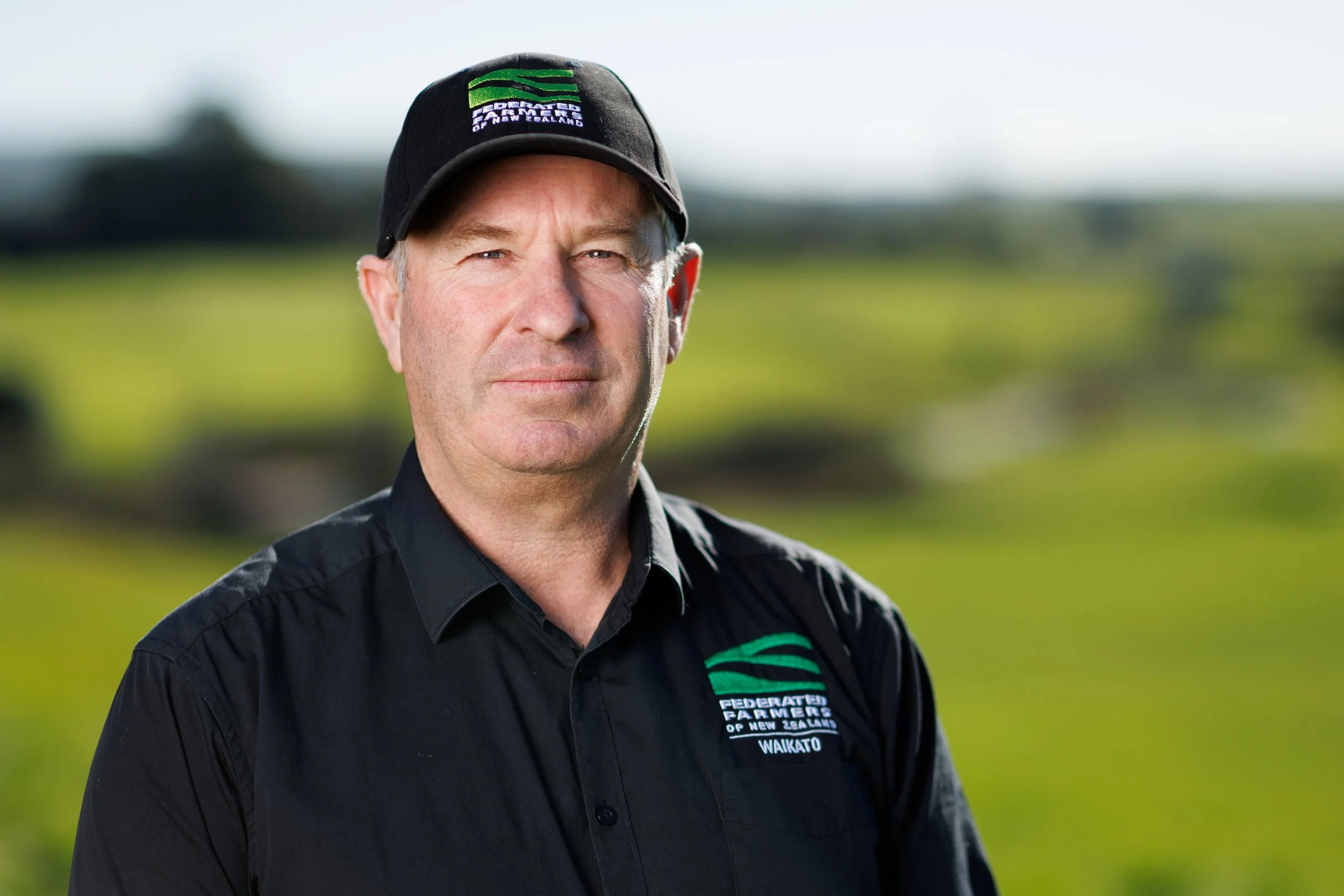
Chris Woolerton