
This is day 6 of our 7-day series on summer feed: making every kilogram count. We have covered the value of pasture quality, grazing management, protecting the feed base and helping cows make the best possible use of the feed in front of them.
But even the best summer feed plan has one unavoidable weakness.
It depends on the weather.
And as every New Zealand dairy farmer knows, the weather does not always read the plan.
Have a plan before you need one
When summer is tracking beautifully, it is easy to feel as though the feed situation will look much the same tomorrow.
Then the rain stops.
Temperatures climb. Pasture growth slows. Covers begin to fall and suddenly decisions that seemed comfortably weeks away are sitting firmly on this week's to-do list.
This is why having a Plan B is so valuable.
It does not need to be complicated. The important thing is knowing what you will do if pasture growth drops, if a dry spell continues, if summer feed runs short or if the quality of the available pasture declines faster than expected.
Making those decisions while there is still time to consider the options is considerably easier than trying to make them when the cows are already short of feed.
Know your warning signs
Every farm has its own signals that tell the farmer when things are starting to tighten.
It might be a shortening rotation, declining pasture covers, cows becoming more unsettled, milk production starting to soften, body condition slipping or the feed inventory looking rather less impressive than it did a fortnight ago.
The trick is recognising the warning signs early.
A feed shortage rarely appears out of nowhere. There is usually a progression. The pasture wedge changes, the rotation becomes harder to maintain and the gap between what the cows require and what the farm is producing gradually widens.
If you are watching closely, there is often an opportunity to act before the situation becomes critical.
That is where good summer feed management can save a lot of stress.
Do not wait for the grass to disappear
One of the hardest decisions during a dry period can be accepting that pasture growth has changed and the original plan needs to change with it.
There can be a natural tendency to keep stretching the rotation, hoping the next rain will arrive and everything will bounce back.
Sometimes it does.
Sometimes the rain takes its time.
If the pasture base is already under pressure, continually grazing harder may simply make recovery more difficult when moisture does finally arrive.
Protecting the plant and protecting future feed supply can therefore be more valuable than squeezing another kilogram out of the paddock today.
It is a classic summer balancing act: feed the cows in front of you without sacrificing the feed you will need further down the track.
Know what feed you have available
When summer becomes difficult, knowing exactly what feed is available becomes increasingly important.
This includes pasture, conserved feed and purchased supplements. It is easy to overestimate how much feed is sitting on the farm, particularly when a stack, bunker or shed looks substantial.
The more useful figure is how much usable feed you actually have and how long it is likely to last.
Taking stock early can reveal whether you have enough to bridge a short dry spell or whether a more significant adjustment is going to be required.
It can also prevent panic buying.
There is nothing quite like discovering you have less feed than expected when everyone else is suddenly looking for the same thing.
Protect the feed you cannot replace quickly
Some feed decisions can be reversed. Others cannot.
Once a paddock has been grazed too hard, you cannot simply put the grass back tomorrow. Once a conserved feed reserve has been used, it takes time to replace. Once cows have lost significant body condition, rebuilding it also takes time.
This is why summer decisions should consider the value of the resource being used.
If the farm is facing a prolonged dry period, protecting the pasture base can be more important than maintaining exactly the same grazing pattern as you would in a normal season.
The same applies to conserved feed.
A reserve is there for a reason. It does not need to be treated as untouchable, but it should be used deliberately.
Make the tough decisions early
Sometimes the right summer feed decision is not particularly exciting.
It may involve reducing demand, changing stock policy, altering production targets or making other adjustments to keep the system within its feed supply.
These are not necessarily signs that the farm has failed.
They are management decisions.
Trying to maintain a particular production level long after the feed supply has changed can come at a cost. Sometimes accepting a different short-term target protects cow condition, pasture recovery and the overall profitability of the system.
The earlier the decision is made, the more options there tend to be.
Waiting until every option has disappeared is rarely the preferred strategy.
Don't let pride make the feed decision
Farmers are understandably proud of what they can achieve.
Keeping cows milking well through a difficult summer can feel like a badge of honour.
But there is no prize for making a difficult season harder than it needs to be.
If the farm is genuinely running short of feed, recognising the situation and responding accordingly is good management.
There is no shame in changing the plan.
In fact, one of the strengths of a good farm system is its ability to adapt when conditions change.
The best decision is not always the one that protects today's production figure. Sometimes it is the one that protects the farm's ability to perform well next month, next season and next year.
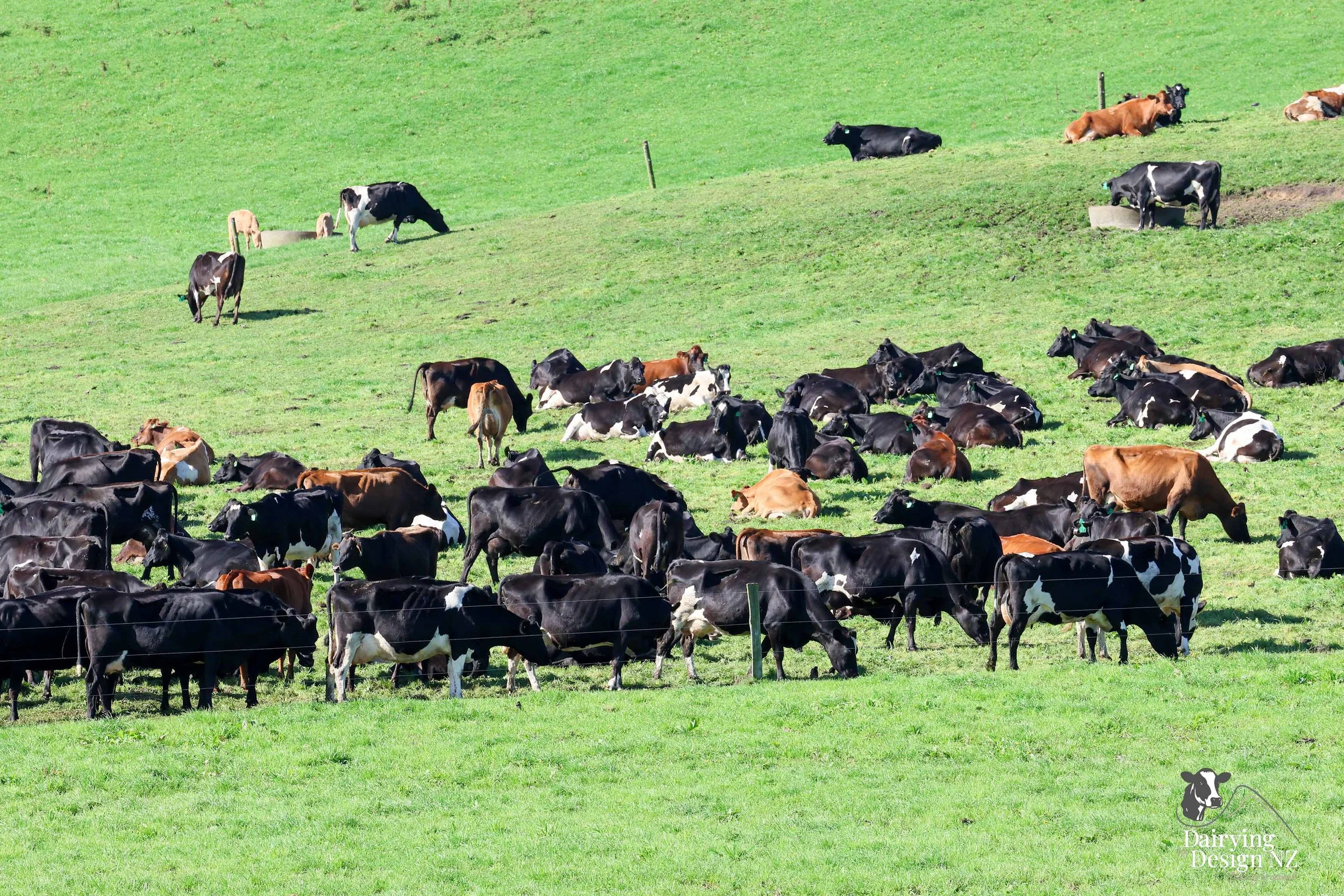
Photo by Dianna Malcolm
Think about the whole herd
When feed becomes limited, the herd itself becomes an important part of the decision-making process.
Not every cow has exactly the same requirements or contributes equally to the system. This is where knowing your cows and having good records can help inform decisions.
The important point is to consider the herd as more than one big group of mouths to feed.
If feed is becoming scarce, decisions about which animals are retained, dried off or otherwise managed differently can influence the amount of feed available to the rest of the herd.
These are individual farm decisions, but the principle remains the same: when the feed supply changes, demand may need to change too.
Do not forget the next season
Summer can feel like a self-contained chapter, but what happens now can influence the months ahead.
Cow condition, pasture cover and feed reserves all have consequences beyond the current weather pattern.
A farm that finishes summer with a healthy pasture base and cows in appropriate condition is starting the next stage of the season from a much stronger position than one that has extracted everything possible from the system.
This is why making every kilogram count is not about chasing every last kilogram.
It is about getting the best overall result from the feed resource available.
Sometimes that means using more feed today. Sometimes it means holding something back.
Good management is knowing which one the farm needs.
“A kilogram saved today can be worth more than a kilogram chased tomorrow.”
Keep your options open
Flexibility is one of the most valuable assets in summer.
If the weather turns dry, you want options. If pasture growth suddenly improves, you want options. If feed prices change, you want options.
That might mean having some conserved feed available, maintaining relationships with feed suppliers, keeping the feed budget current or simply having a clear idea of what adjustments could be made if conditions deteriorate.
You do not need to act on every option.
Sometimes knowing it is there is enough to take some pressure off.
And when a decision does need to be made, you can make it because it fits the plan rather than because there is no alternative left.
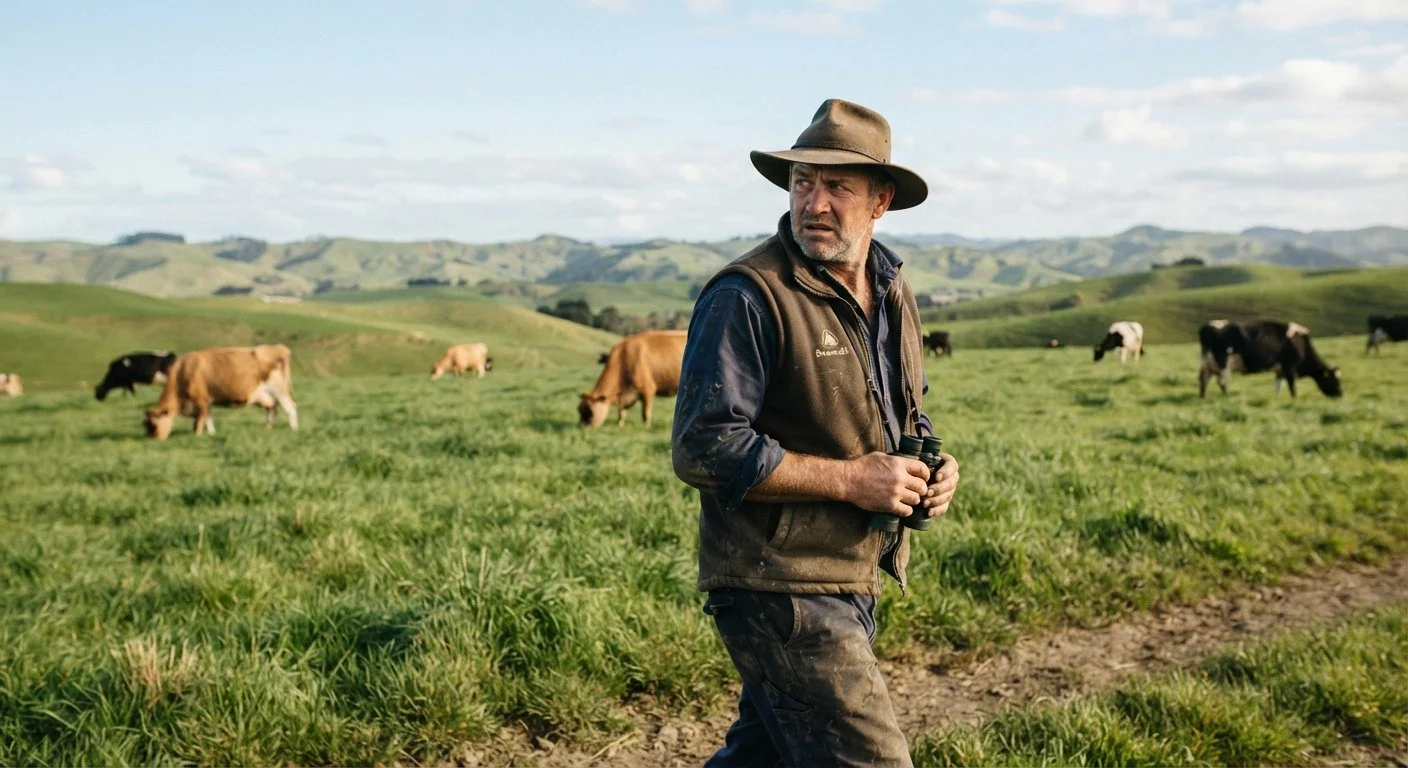
Keep looking over your shoulder
Summer feed management is a moving target.
The decision that was right on Monday may need adjusting by Friday.
That is not poor planning. It is farming.
Keep checking the pasture, keep watching the cows, keep looking at the weather and keep updating the feed position.
The more frequently you check, the less likely you are to be surprised by a problem that has been developing quietly for several weeks.
It also means you can take advantage of the good news.
If rainfall arrives and pasture growth responds, you can adjust accordingly. If a paddock recovers better than expected, that becomes another option.
Feed management is not only about responding to bad news. It is about recognising opportunities as well.
See you tomorrow
That brings us to day 6 of our 7-day series on summer feed: making every kilogram count. Tomorrow is our final day, when we will pull everything together and look at how to turn the lessons of summer feed management into a practical approach that can keep working right through the season.
See you tomorrow for day 7.