
This is day 5 of our 7-day series on summer feed: making every kilogram count. We have looked at pasture quality, grazing management, protecting the feed base and planning ahead when summer conditions start to put pressure on the system.
Today, we are turning our attention to the other half of the equation: what happens to the feed once it is in front of the cows.
Because growing plenty of feed is only half the job. The real win comes when the cows can eat it efficiently, digest it well and turn it into milk, while keeping themselves in good nick for the season ahead.
The feed on offer is only part of the story
It is easy to think of a paddock in terms of kilograms of dry matter and assume that if the feed is there, the cows will eat it.
Cows, however, are rather more discerning than that.
They will select the tastiest and most nutritious parts of a pasture first, particularly when there is plenty of choice. They are also affected by heat, moisture, pasture structure, walking distance, water access and how the feed is allocated.
That means the amount of feed measured in a paddock does not necessarily equal the amount the cow actually consumes.
This is where summer management becomes particularly interesting. When pasture is growing well, there may be enough feed to absorb a little inefficiency. When supply becomes tighter, every kilogram left behind becomes more noticeable.
The goal is therefore not simply to grow more. It is to capture more of what you have already grown.
Give cows a reason to keep grazing
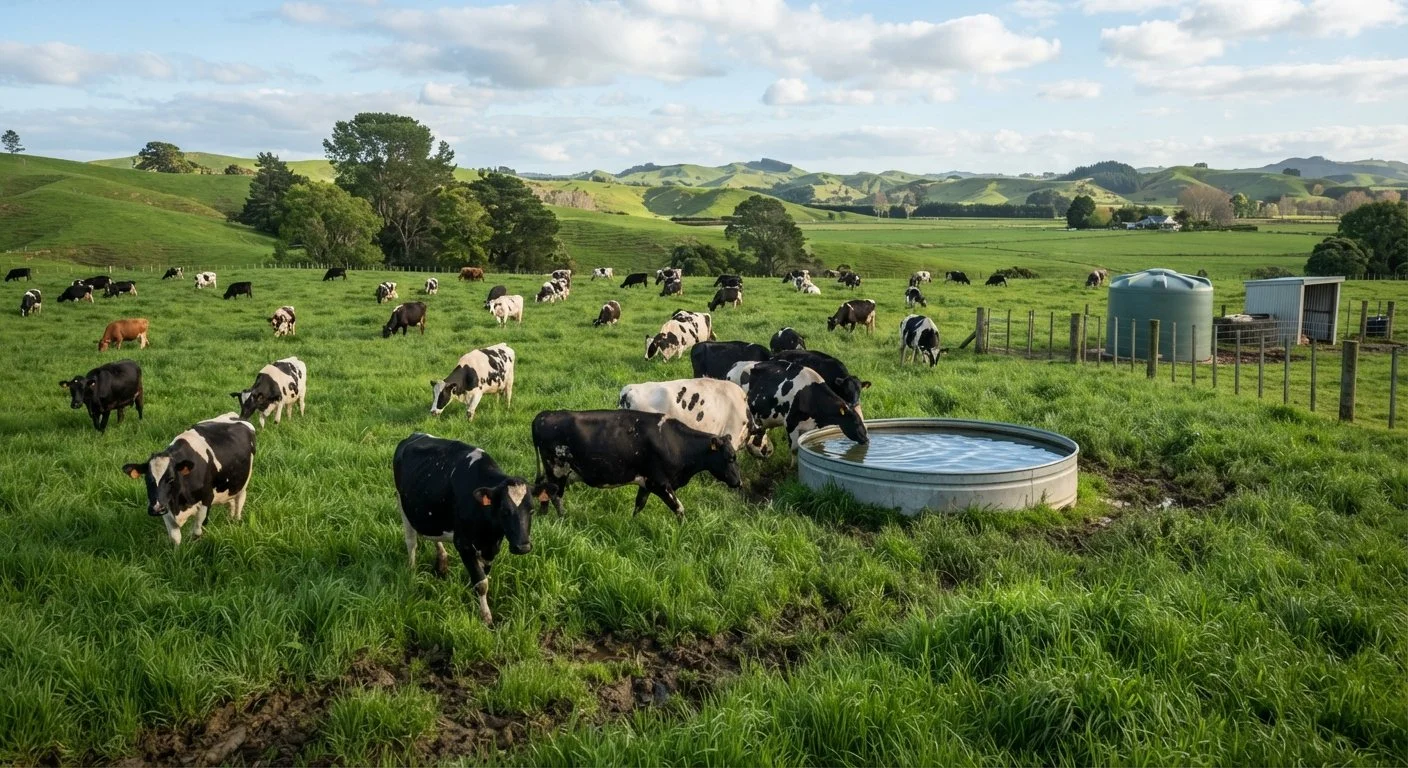
During a normal day, cows spend a considerable amount of time grazing, but summer conditions can interfere with that routine.
Hot weather can change grazing behaviour. Cows may spend more time standing, seeking shade or water and less time actively grazing during the hottest part of the day.
This is one reason why understanding the cows' daily routine can be so useful.
If cows are grazing strongly during the cooler parts of the day, that information can help when considering paddock movements and feed allocation. There is no point designing a feed system around the assumption that cows will graze exactly the same way at midday in 30-degree heat as they do on a cool spring morning.
Sometimes the cows are telling you that the timetable needs a rethink.
Water is part of the feed equation
It can be easy to separate water from feed management, but the two are closely connected.
Cows need reliable access to good-quality water, particularly when temperatures rise and they are producing milk. If access is restricted, poorly positioned or inconvenient, it can influence how cows use their time and where they spend it.
Think about the distance cows have to travel to water and whether the troughs are coping with demand. A trough that seems perfectly adequate under normal conditions can become a bottleneck when a large group of cows arrives at once.
Water intake matters to the cow, but it also matters to the efficiency of the whole system.
A cow that is comfortable, well hydrated and able to move easily between feed and water is in a much better position to make use of the feed being offered.
Heat can change feed intake
Summer heat is not simply an animal comfort issue. It can also affect feed intake and therefore production.
When cows are uncomfortable, they may alter when and how much they graze. They may spend more time standing and less time eating, particularly during the hottest periods.
That means managing the environment around the herd becomes part of getting value from the feed.
Shade, water access, sensible stock movements and avoiding unnecessary stress can all help cows cope with hot conditions.
The aim is not to eliminate every challenge that summer throws at the herd. That would require negotiating with the weather, and most farmers know how well that usually goes.
It is about removing the avoidable problems.
Look at the cow, not just the paddock
One of the simplest ways to work out whether cows are making good use of the feed is to observe them.
Are they settled after entering the paddock? Are they grazing actively? Are they lying down and ruminating? Are they constantly walking around looking for something better? Are they leaving large amounts of pasture behind?
These observations can provide useful information alongside pasture measurements.
The cows are effectively giving you a running commentary on the feed system. It might not always be the commentary you were hoping for, but it is worth listening to.
A herd that settles quickly and grazes with purpose is giving you a very different message from a herd that spends much of its time walking, bunching or searching.
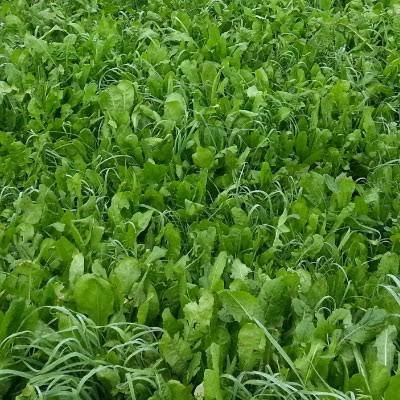
Image supplied by Cridge Seeds
Don't overlook pasture structure
Two paddocks can have similar dry matter figures and deliver very different grazing experiences.
Pasture structure influences how easily cows can harvest the feed. Leafy material is generally easier for cows to select and eat efficiently than large amounts of mature stem or other less desirable material.
This is why looking beyond the number on the pasture meter is useful.
What does the pasture actually look like? How dense is it? How much leaf is available? Is there a lot of mature material? Are cows likely to be able to harvest it efficiently?
These observations help turn a pasture measurement into a more realistic picture of what the cows are being offered.
Be realistic about residuals
Residuals are another useful piece of the puzzle.
If cows consistently leave behind large amounts of poorer-quality material, it is worth asking why. Perhaps they were offered more than they needed. Perhaps the pasture had become too mature. Perhaps the allocation did not encourage an even grazing pattern.
On the other hand, chasing extremely tight residuals simply because they look tidy can create its own problems.
There is a difference between efficient grazing and making the paddock look as though it has been mown with a very enthusiastic lawnmower.
The objective is to achieve a grazing outcome that supports cow intake while allowing the pasture to recover and continue producing.
Think about where feed is being lost
Feed wastage does not always look dramatic.
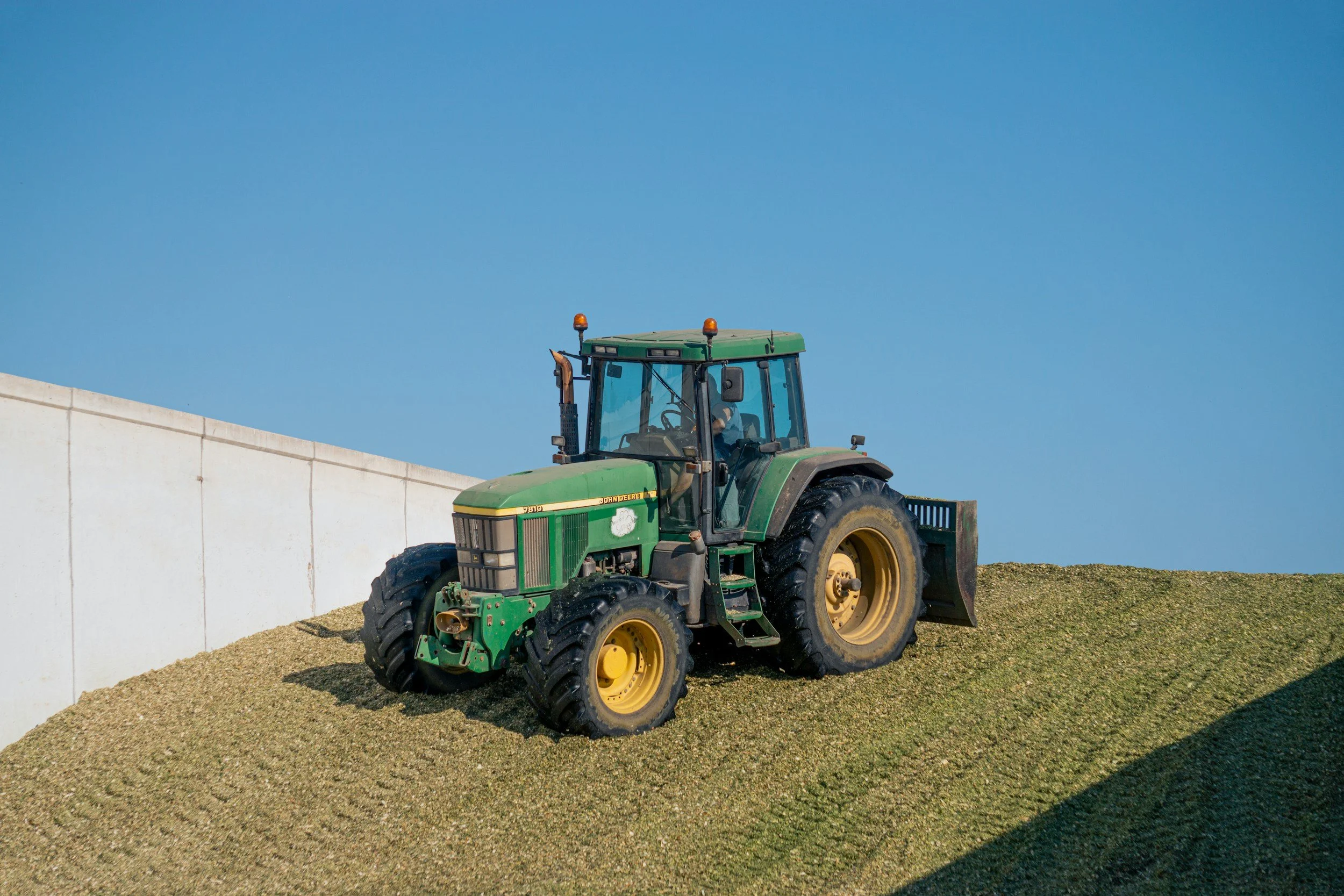
It can be a little pasture trampled into the ground. It can be silage left exposed to the weather. It can be feed pushed into a muddy area. It can be a bale that has spoiled around the edges. It can be cows spending time walking rather than eating because of poor paddock access.
Individually, each loss might seem insignificant.
Across a season, however, those kilograms add up.
This is particularly relevant when feed prices are high or pasture growth is under pressure. The less feed that is wasted, the more of the feed grown on the farm actually contributes to the farming operation.
Make supplement feeding count
The same thinking applies when feeding supplements.
How the feed is presented can influence how effectively cows use it. Good access, appropriate allocation and sensible timing can help reduce wastage and competition.
If cows are being fed in a way that encourages pushing, bunching or uneven access, some animals may get more opportunity than others.
Again, observation is valuable.
Stand back and watch what happens when the feed arrives. Do cows settle and eat? Is there excessive competition? Is feed being pushed out of reach? Are some cows being left at the back of the queue?
Sometimes the most useful feed management information comes from simply watching the herd for five minutes.
Protect the rumen, protect the production
Summer feed changes can also mean changes in what cows are consuming.
Rapidly changing from one feed source to another or making large changes without considering the overall diet can upset the balance of the system.
Consistency has value.
Cows generally perform better when their feed supply and daily routine are reasonably predictable. That does not mean nothing can ever change. It means changes should be deliberate rather than happening accidentally because the farm has suddenly run out of one option.
The more stable the overall feeding pattern, the easier it can be to identify when something genuinely is not working.
Every kilogram needs a destination
A useful way to think about summer feed is to imagine that every kilogram grown on the farm has a destination.
Some will go into the cow. Some will be left behind to support pasture recovery. Some will inevitably be lost.
The goal is to keep the unavoidable losses as low as practical and make sure the feed that is available is being used where it creates the greatest value.
That might mean adjusting grazing allocations. It might mean changing when cows move. It might mean improving water access. It might mean protecting cows from excessive heat. It might mean using conserved feed more strategically.
None of these decisions has to be revolutionary.
Sometimes the biggest improvements come from several small changes that all point in the same direction.
“You cannot milk a kilogram of feed that never makes it into the cow.”
Small inefficiencies become big losses
This is perhaps the most important point when feed is tight.
A few kilograms wasted here and there can seem too small to worry about. But multiply those losses by the number of cows, the number of days and the number of weeks in a season, and the picture changes.
The same applies to feed quality.
A small decline in quality may not be immediately obvious, but if cows are eating less or selecting more heavily, the consequences can build over time.
Summer therefore rewards attention to detail.
Not necessarily complicated detail. Just paying attention to the things that are happening every day and asking whether they are helping or hindering the cows' ability to use the feed available.
See you tomorrow
That brings us to the end of day 5 in our 7-day series on summer feed: making every kilogram count. Tomorrow, we will look at keeping the summer feed plan on track when conditions become challenging, and why having a few options up your sleeve can make all the difference when the grass does not quite cooperate.
See you tomorrow for day 6.