High-Tech Dairy in the Desert: How Israel Is Redefining Milk Production
When nature limits the resources available, innovation becomes the most powerful farming tool.
When most people picture a productive dairy farm, they imagine green pastures, reliable rainfall and a climate naturally suited to growing feed.
Israel challenges that traditional picture.
Here, dairy farmers are producing some of the highest milk yields in the world in an environment where water is scarce, land is limited and summer temperatures can push cows into extreme heat stress.
Rather than allowing environmental challenges to limit production, Israel has built a dairy industry around precision, technology and an extraordinary understanding of the cow.
This is a country where every litre of milk represents years of research, careful management and a determination to produce more from fewer resources.
Welcome to Day 5 of our "How the World Produces Milk" series, where our journey moves from Egypt's desert camel dairies to Israel's high-tech dairy farms and explores how innovation is changing the way the world produces milk.
Farming Against the Climate
Israel's dairy farmers operate in one of the most demanding agricultural environments on the planet.
The country experiences long, hot summers, limited rainfall and significant pressure on natural resources. Unlike New Zealand, where many dairy systems are built around abundant pasture growth, Israeli farmers must carefully manage every aspect of production.
For dairy cows, heat is one of the biggest challenges.
When temperatures rise, cows naturally reduce their feed intake and redirect energy towards maintaining body temperature. This can lead to lower milk production, reduced fertility and increased health risks.
However, Israeli dairy farmers have developed systems that allow cows to remain productive even when the weather is working against them.
The focus has shifted from simply managing the effects of heat stress to preventing it before it impacts the cow.
Creating Comfortable Cows in a Hot Climate
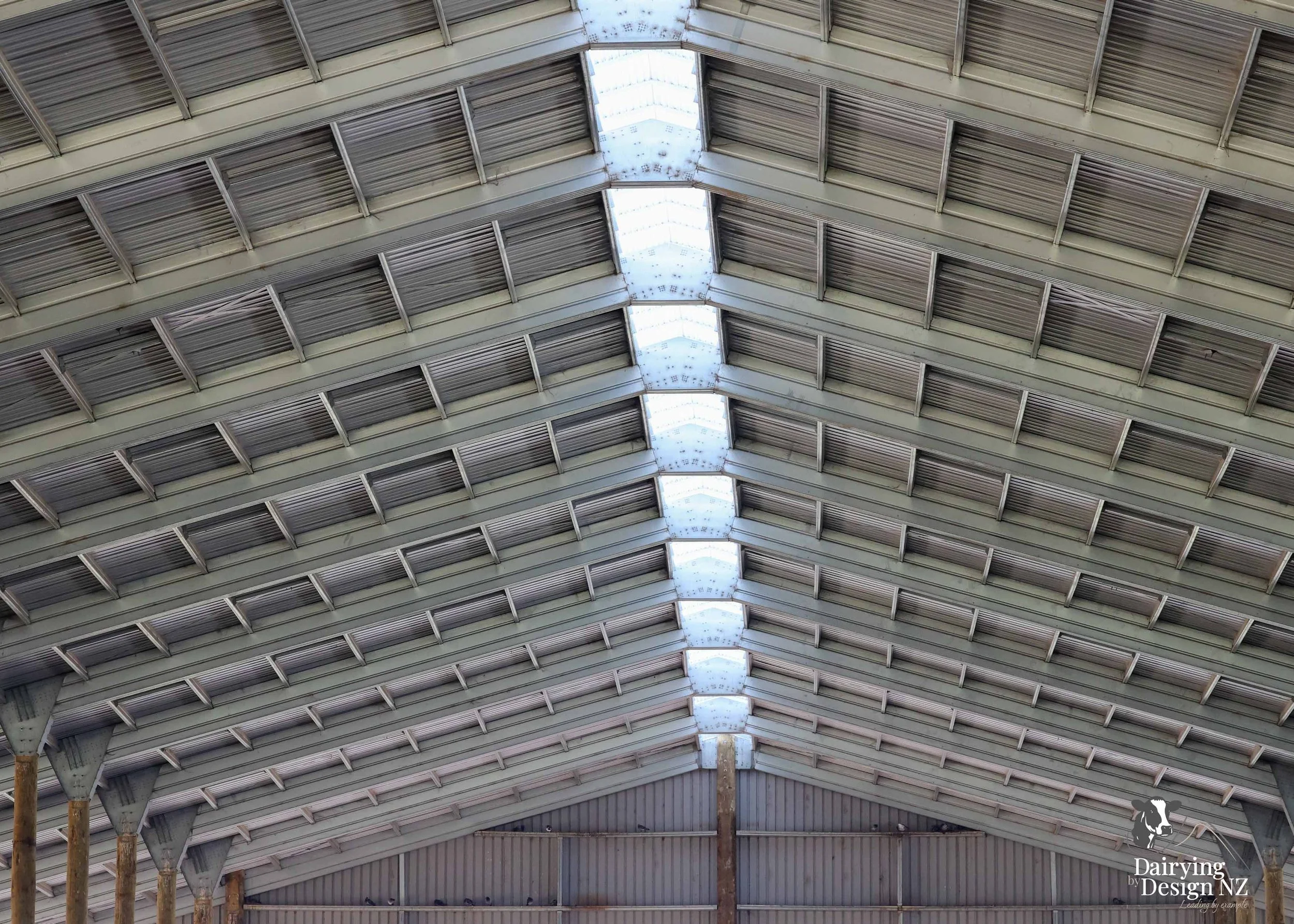
Walk into a modern Israeli dairy shed and the first thing that stands out is the attention given to cow comfort.
Large shaded areas, ventilation systems and carefully designed cooling systems are now common features of many farms.
During periods of extreme heat, cows may move through specially designed cooling areas where fans and water sprinklers work together to lower body temperature.
This is not simply about making cows more comfortable—it is about protecting productivity and supporting animal wellbeing.
Israeli farmers have demonstrated that a cow's environment has a direct influence on her ability to perform.
A comfortable cow eats better, produces more milk and is better equipped to maintain fertility and health.
The Rise of the Data-Driven Cow
Perhaps one of the most fascinating aspects of Israel's dairy industry is the role technology plays in understanding individual animals.
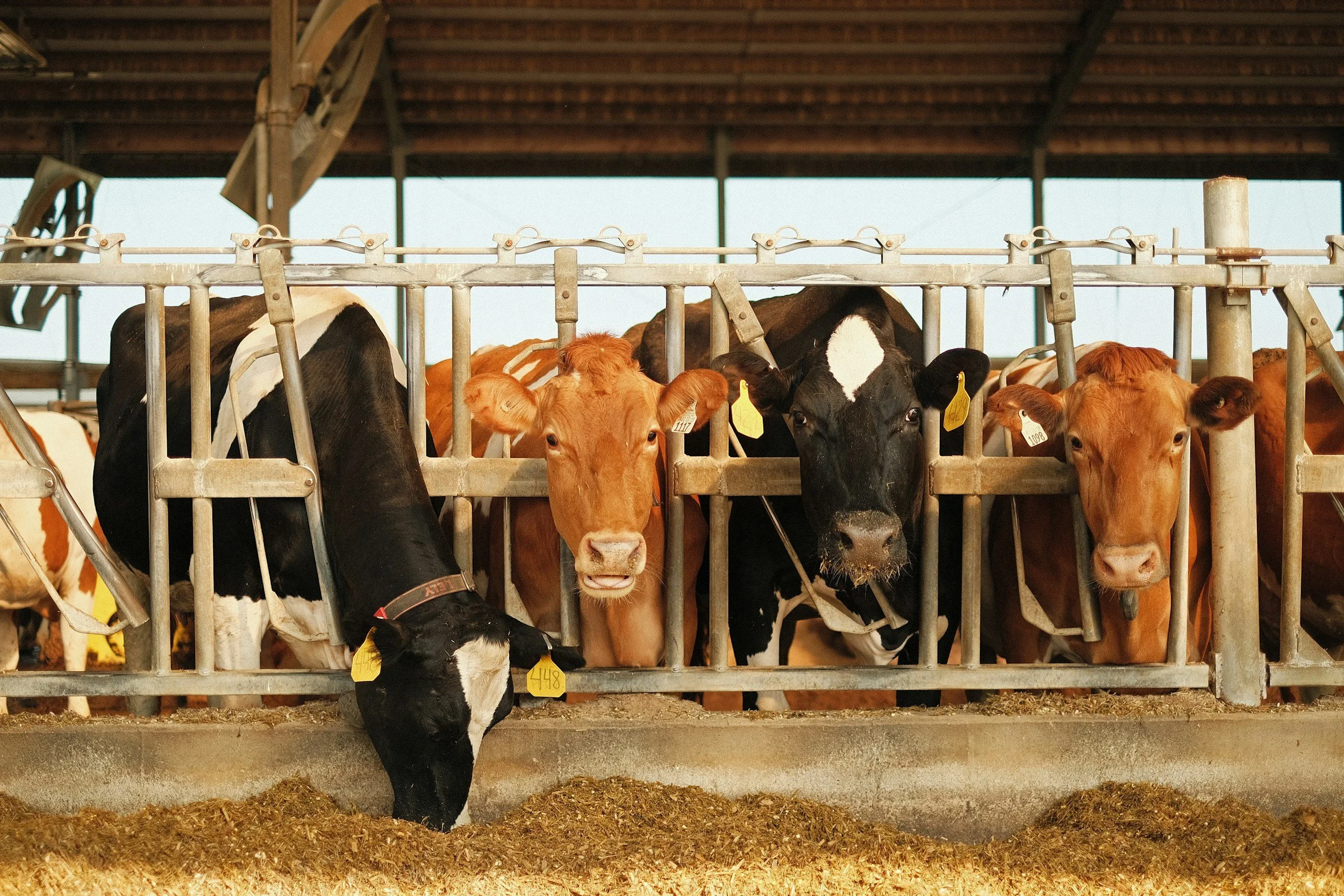
Many Israeli dairy farms use advanced monitoring systems that continuously collect information about each cow.
These technologies can track changes in movement, eating behaviour, rumination patterns and other indicators that provide valuable insight into animal health.
The benefit is that farmers can often identify problems before they become obvious.
A cow that moves differently, eats less or changes her normal behaviour may be showing the earliest signs of illness or reproductive changes.
Rather than waiting until a problem affects production, farmers can intervene earlier, improving outcomes for both the cow and the business.
Precision Feeding: Making Every Mouthful Count
Feed efficiency is critical in Israel because growing feed in a dry climate requires careful planning.
Every kilogram of feed must deliver value.
Israeli dairy farmers have become leaders in precision nutrition, using detailed information about cows to create rations that match their individual needs.
Nutrition is carefully managed according to milk production, stage of lactation, body condition and overall herd performance.
This approach reduces waste while ensuring cows receive the correct balance of energy, protein and minerals required to maintain production.
The result is a system where feeding is not based on averages—it is based on understanding the needs of the individual animal.
Artificial Intelligence Enters the Dairy Shed
Technology continues to push the boundaries of what is possible in dairy farming, and artificial intelligence is becoming an increasingly important tool.
By analysing thousands of pieces of information collected from cows, AI systems can identify patterns that may not be visible to the human eye.
These tools can assist farmers in making decisions around health, reproduction and production management.
The goal is not to replace the farmer.
Instead, technology provides farmers with more information, allowing them to combine traditional stockmanship with powerful data insights.
The best dairy farmers have always been excellent observers of animals. Technology simply gives them another set of eyes.
Every Drop of Water Matters
Water management is another area where Israel has become a global leader.
In a country where water availability is a constant challenge, farmers have developed systems to recycle and reuse water wherever possible.
From cleaning systems to wastewater management, the focus is on reducing unnecessary consumption while maintaining high standards of hygiene and animal care.
The lessons from Israel extend beyond dairy farming.
When resources are limited, innovation becomes essential.
What Can New Zealand Learn?
New Zealand and Israel represent two very different dairy systems.
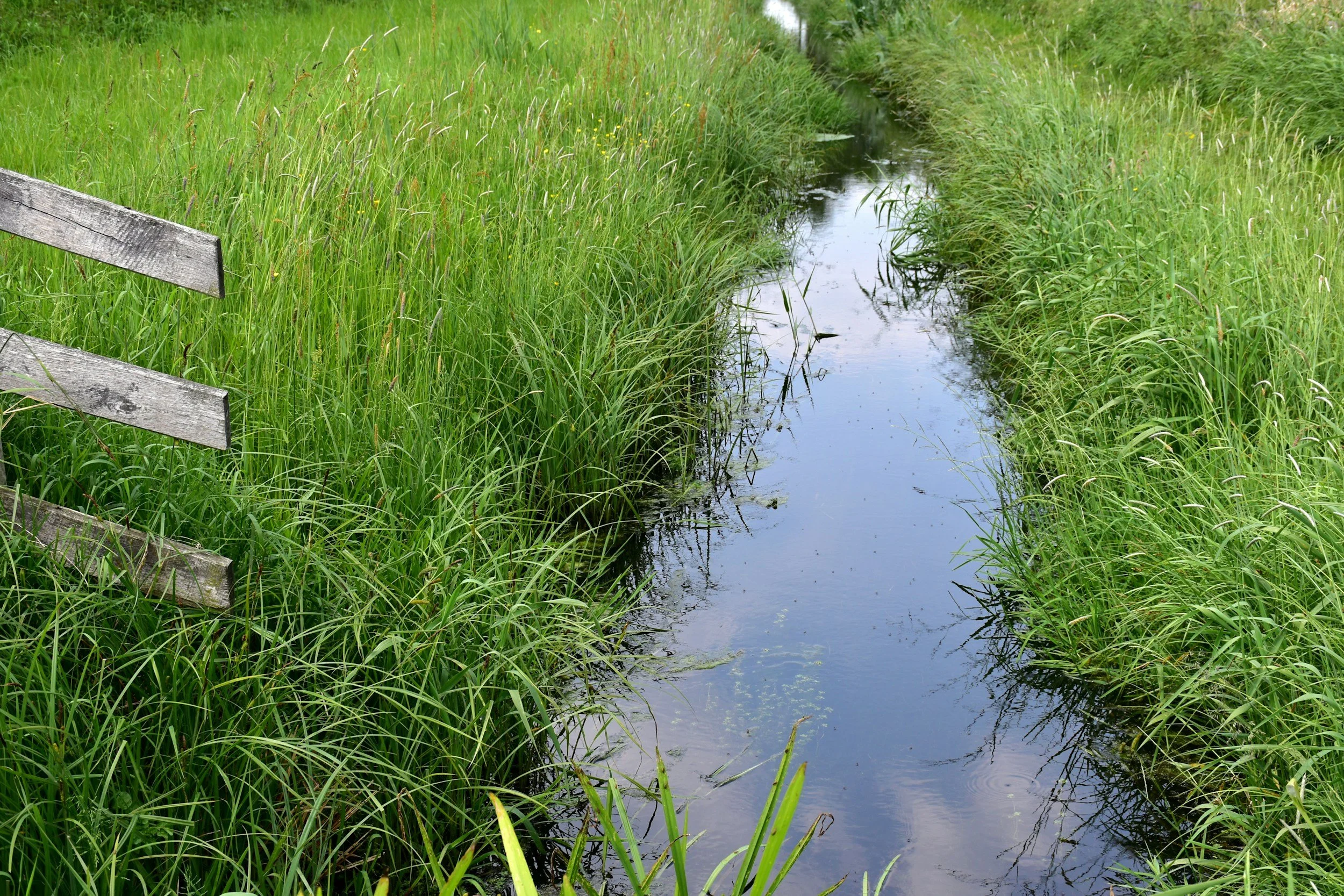
New Zealand's strength comes from pasture, rainfall and a farming environment naturally suited to grazing cows.
Israel's strength comes from technology, precision and the ability to overcome environmental limitations.
Yet the underlying principles are surprisingly similar.
Both systems rely on understanding cows, improving efficiency and making decisions that support long-term sustainability.
Israel demonstrates that innovation does not always mean replacing traditional farming—it means finding better ways to solve the challenges in front of us.
As dairy farmers around the world face increasing pressure from climate change, resource availability and consumer expectations, the ability to adapt will become one of the most valuable skills in farming.
From Egypt's camels producing milk in the desert to Israel's cows thriving through technology and precision management, our global dairy journey continues to reveal one important truth:
There is no single recipe for producing milk.
The best dairy systems are those that understand their environment, respect their animals and continue searching for better ways forward.
Coming Next: Day 6 – Ireland The Emerald Pastures of Dairy Farming
From Israel's high-tech dairy sheds, our journey moves to Ireland, where dairy farming follows a very different philosophy.
Instead of sensors, automation and controlled environments, Irish farmers have built their success around one of nature's greatest resources—grass.
In the next instalment of How the World Produces Milk, we explore how Ireland turns rainfall, pasture and grazing expertise into a globally recognised dairy industry.
From desert technology to green pastures, the world of dairy continues to show there is more than one way to produce milk.