Our Closest Cousins: How Ireland Turns Grass Into Premium Milk
"Different countries may farm differently, but the foundations of great dairy systems remain the same — healthy cows, efficient production and farmers who understand their environment."
Of all the dairy farming systems around the world, Ireland may feel the most familiar to New Zealand farmers.
The rolling green landscapes, the reliance on pasture, the importance of grass management and the focus on efficient production all create a sense of connection between the two nations.
While the scale, climate and farming structures may differ, Irish dairy farmers share many of the same philosophies that have shaped New Zealand's own dairy industry.
They understand that the cheapest and most sustainable feed source is often the one grown naturally beneath the cow's feet.
Welcome to Day 6 of our "How the World Produces Milk" series, where we leave Israel's high-tech dairy sheds behind and travel to Ireland — a country where the humble grass plant sits at the heart of one of the world's most successful dairy export industries.
A Dairy System Built Around Grass
Ireland's dairy industry has been shaped by one significant advantage: its climate.
Regular rainfall, mild temperatures and fertile soils create ideal conditions for growing pasture.
Like New Zealand, Ireland has developed a production system that maximises grass utilisation rather than relying heavily on imported feed inputs.
The principle is simple — grow high-quality grass, harvest as much of it as possible through grazing cows, and convert that pasture into milk efficiently.
This approach has helped Irish farmers build a globally recognised dairy sector based on low-cost production and strong environmental credentials.
However, achieving success from pasture is not as simple as opening a gate and letting cows eat.
It requires careful planning, exceptional pasture management and a deep understanding of how to match cow demand with grass growth.
Spring Calving: Working With Nature
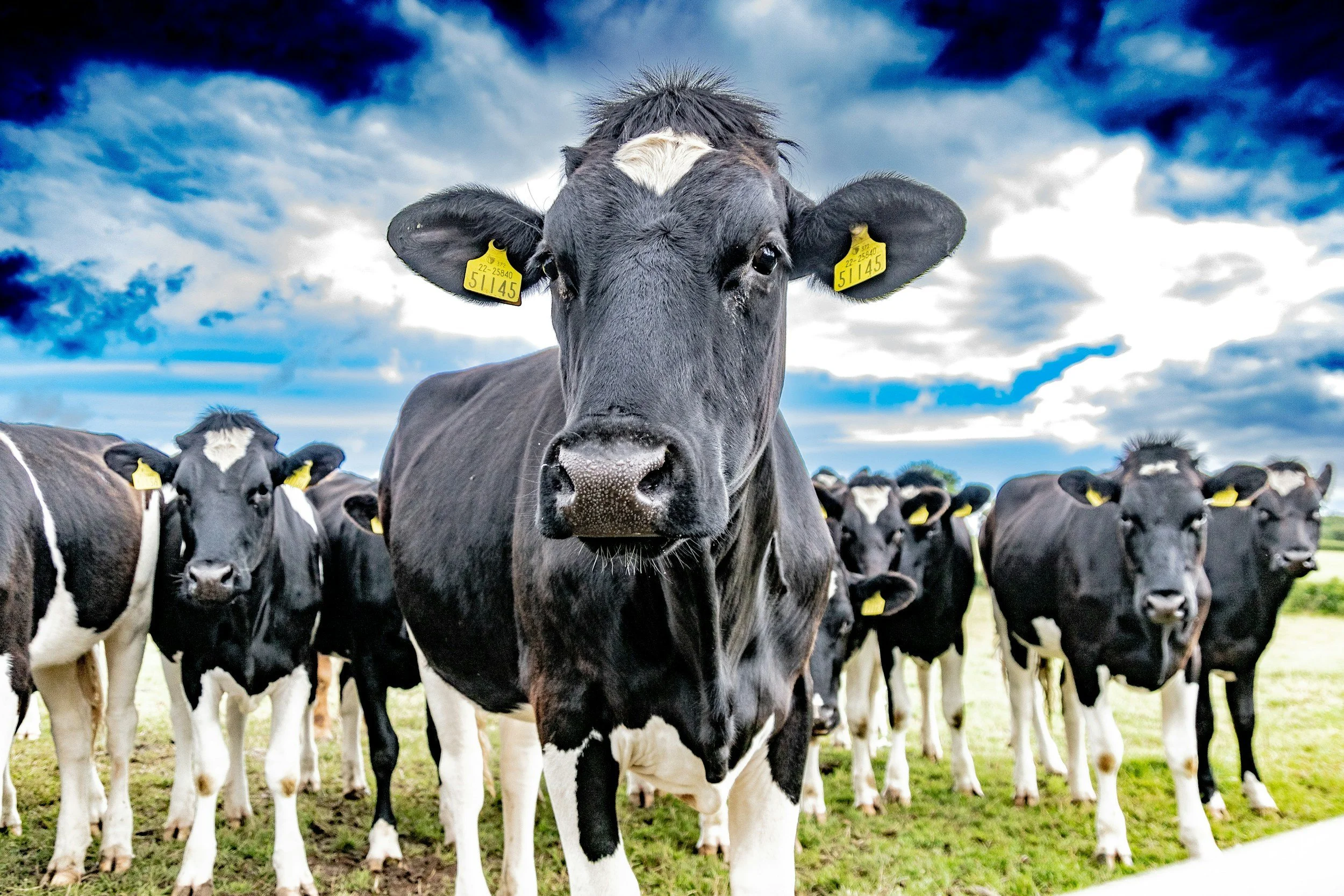
One of the defining features of Ireland's dairy system is its strong focus on spring calving.
Rather than producing milk evenly throughout the year, many Irish farmers align their calving pattern with the natural growth curve of pasture.
As cows calve in late winter and early spring, their peak milk production coincides with the period when grass growth begins to accelerate.
This allows farmers to maximise the use of fresh pasture while reducing reliance on expensive supplementary feeds.
The system requires careful management.
Farmers must ensure cows have enough feed during early lactation while also protecting pasture quality and maintaining cow condition.
It is a balancing act that requires experience, observation and excellent decision-making.
“The world’s most efficient dairy systems are not always the ones with the most inputs — they are the ones that make the most from what nature provides.”
Breeding Cows for Efficiency
Like New Zealand, Ireland has placed significant emphasis on breeding cows that suit their farming system.
The focus is not simply on producing the highest volume of milk.
Instead, Irish farmers have increasingly selected cows that can efficiently convert grass into milk while maintaining fertility, health and longevity.
A cow that produces well, gets back in calf easily and remains productive for many seasons is far more valuable than one that delivers high production for a short period.
This focus on efficiency mirrors the direction many New Zealand farmers have taken — recognising that profitable dairy cows need to perform across multiple seasons, not just one lactation.
Managing Ireland's Weather Challenges
While Ireland's climate provides excellent grass-growing conditions, it also creates challenges.
Wet weather can quickly turn productive paddocks into difficult working environments.
Soil conditions, rainfall patterns and shorter periods of dry weather can influence grazing decisions and require farmers to constantly adjust their plans.
Similar to New Zealand, Irish farmers must manage the delicate balance between protecting soils, maintaining pasture quality and keeping cows well fed.
The weather remains one of the biggest influences on day-to-day decision making.
From Family Farms to Global Markets
Ireland's dairy industry has a strong history of family farming, with many businesses passed through generations.
However, these farms are also highly connected to global markets.
Irish dairy products are exported around the world, including premium ingredients used in infant nutrition, sports products, specialised dairy ingredients and consumer foods.
This export focus has encouraged farmers to continually improve efficiency, sustainability and product quality.
Like New Zealand, Ireland relies on its reputation for producing high-quality dairy products in a way that connects with international consumers.
Lessons for New Zealand Farmers
Ireland's dairy industry provides an interesting comparison because the similarities are so strong.
Both countries have built successful dairy sectors around pasture, efficient cows and skilled farm management.
Both face challenges from changing weather patterns, environmental expectations and global market pressures.
Yet both also demonstrate the importance of working with the natural advantages available.
New Zealand farmers have access to world-class pasture systems, while Irish farmers have developed exceptional expertise in making the most of grass in a cooler climate.
The lesson is not that one system is better than the other.
Instead, it shows that successful dairy farming comes from understanding your environment and building a system that fits.
As our global journey continues, one thing becomes increasingly clear — dairy farming looks different everywhere, but the foundations remain remarkably similar.
Healthy cows, quality feed, good management and farmers willing to adapt will always be at the centre of producing great milk.
Coming Next: Day 7 – United States. The Scale of American Dairy Farming
From Ireland's pasture-based family farms, our final stop takes us to the United States, where dairy production operates on a completely different scale.
In the final article of our "How the World Produces Milk" series, we explore how American dairy farms combine technology, specialised systems and large-scale production to feed one of the world's biggest dairy markets.
From robotic milking systems to mega dairies and advanced herd management, the USA showcases another side of modern milk production.