Introducing Feed to Dairy Calves: Getting Nutrition Right from the Start

For many New Zealand dairy farmers, milk feeding receives most of the attention during calf rearing. We carefully measure colostrum, monitor milk temperatures, mix milk replacer accurately and make sure every calf drinks well. Yet one of the most important nutritional transitions happens quietly alongside milk feeding, when calves begin eating solid feed for the first time.
Introducing calf meal at the right time is about much more than encouraging a few curious mouthfuls. Early access to quality feed plays a vital role in rumen development, future growth rates and the ability to successfully wean calves without setbacks.
The question many farmers ask is not whether calves need calf meal, but when they should first receive it.
The answer is surprisingly simple.
As soon as possible.
While newborn calves survive almost entirely on milk during their first weeks of life, they should have access to fresh calf starter from just a few days of age. They may only nibble at first, but those tiny mouthfuls are laying the foundation for a fully functioning rumen.
Unlike mature cattle, calves are born with an underdeveloped rumen. At birth, milk bypasses the rumen almost completely, travelling directly into the abomasum, or true stomach, where digestion takes place. This is why milk alone cannot develop the digestive system required for grazing later in life.
That development only begins when calves consume solid feeds
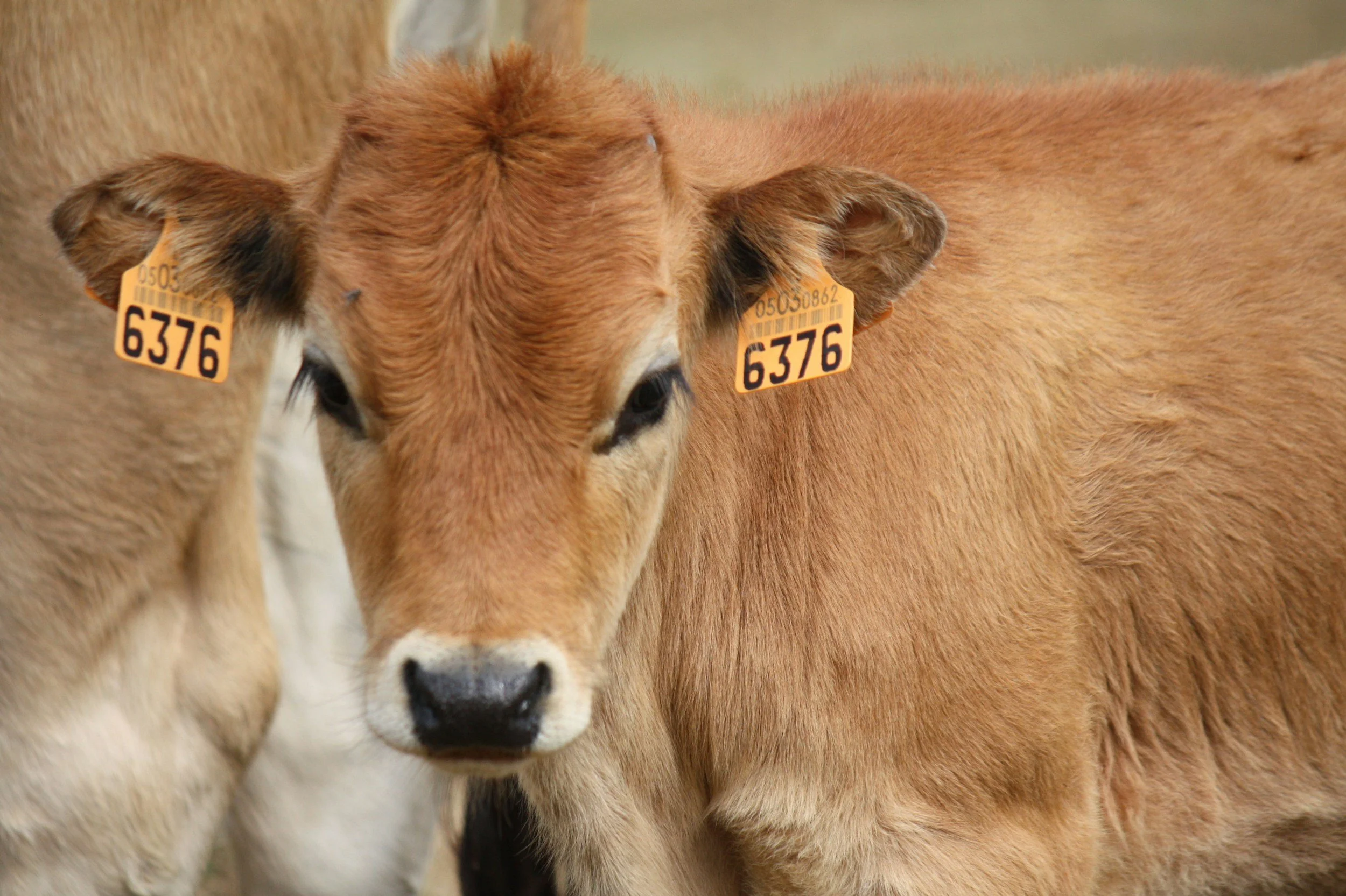
As calf starter is fermented inside the rumen, it produces volatile fatty acids that stimulate the growth of the tiny finger-like papillae lining the rumen wall. These structures dramatically increase the rumen's ability to absorb nutrients and prepare calves for a lifetime of efficiently converting pasture into milk.
Simply put, no calf meal means slower rumen development.
The earlier calves begin eating, the sooner this important process starts.
One mistake sometimes made is delaying calf meal until calves appear interested. In reality, curiosity develops through exposure. Fresh meal placed in front of calves every day encourages exploration, even if very little is eaten initially.
Quality matters just as much as timing.
A good calf starter should be highly palatable, easily digestible and specifically formulated for young calves. It should contain adequate protein to support muscle growth, energy from quality grains, essential vitamins and minerals, and enough fibre to encourage healthy rumen function without limiting intake.
Protein is particularly important during the first few months of life when calves are growing rapidly. High-quality protein sources support frame development and muscle growth, while balanced energy allows calves to utilise that protein efficiently.
Texture also plays a role.
Many nutritionists recommend coarse textured or muesli-style calf starters rather than finely ground meals. The varied texture encourages chewing and saliva production, both of which contribute to healthy rumen development. Pelleted starters also perform well, provided they are manufactured specifically for young calves and remain fresh.
Whatever product is chosen, freshness is essential.
“Those first curious mouthfuls of calf meal may seem insignificant, but they are the beginning of transforming a newborn calf into an efficient, productive dairy cow.”
Young calves have an excellent sense of smell and quickly reject stale or damp feed. Small quantities replaced daily are far more effective than filling feeders with several days' worth of meal. Any feed contaminated with manure, urine or rain should be discarded immediately.
Clean water is another often overlooked component of rumen development.
Some farmers mistakenly believe calves drinking milk do not require additional water. In reality, milk bypasses the rumen and does little to support fermentation. Fresh drinking water enters the rumen, creating the environment needed for microbes to establish and digest solid feed effectively.
Without adequate water, rumen development can be significantly delayed.
Hay is another topic that generates plenty of discussion.
Traditionally, many farmers introduced hay quite early, believing it encouraged rumination. While small amounts of clean, high-quality hay can certainly have a place, excessive fibre too early may actually reduce calf starter intake. The priority during the first few weeks should be encouraging consumption of a quality calf meal that drives rumen development.
Once calves are consistently eating solid feed, hay can become a useful addition alongside pasture.
Weaning decisions should never be based on age alone.
The best indicator is how much calf starter each calf is eating. Most nutritionists recommend calves consistently consume around one kilogram of calf starter per day for several consecutive days before milk feeding is withdrawn. This ensures the rumen has developed sufficiently to maintain growth without relying on milk.
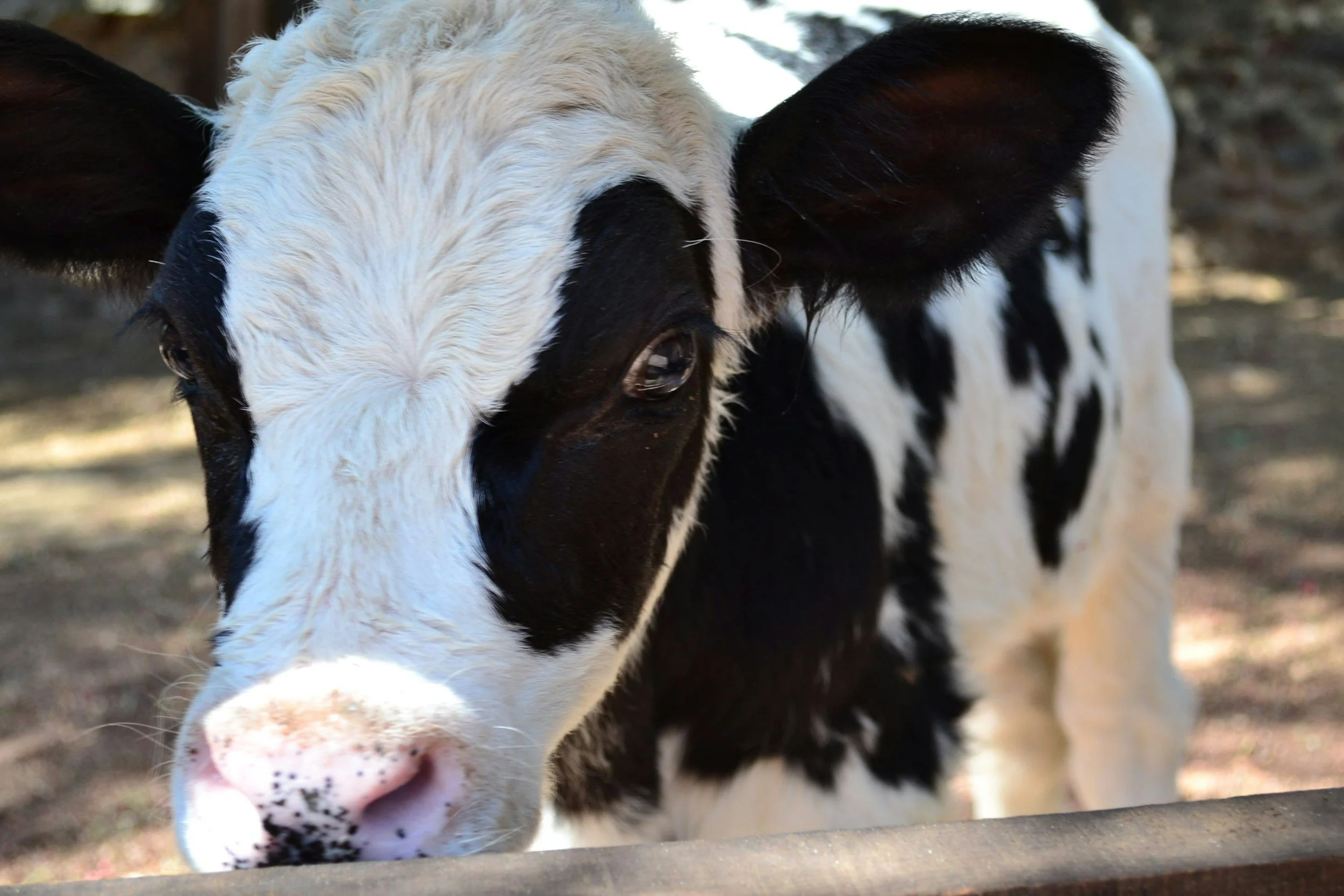
Weaning too early often results in growth checks that can take weeks to recover from. Calves may appear healthy but simply lack the digestive capacity to extract enough nutrients from solid feed.
Observation remains one of the farmer's greatest tools.
Healthy calves quickly become enthusiastic eaters. They approach feed troughs with curiosity, chew contentedly after meals and continue growing steadily. Any calf that suddenly loses interest in feed deserves closer attention, as reduced appetite is often one of the earliest signs of illness.
Like every aspect of calf rearing, introducing feed is not about following a rigid calendar. It is about understanding how calves develop and providing the nutrition they need at each stage of growth.
Milk gives calves their start in life, but calf starter builds the rumen that will sustain them for years to come. Offering high-quality meal from an early age, alongside fresh water and careful management, gives young calves the strongest possible nutritional foundation.
In the long run, those first handfuls of calf meal are not simply another feeding task. They are the beginning of turning a milk-fed newborn into an efficient grazing dairy cow capable of reaching her full genetic potential.