
When Clean Becomes Too Clean: Are We Over-Sanitising Calf Feeders?

By Lois Natta
For years, dairy farmers have been told that cleanliness is one of the most important parts of successful calf rearing. Clean sheds. Clean bedding. Clean feeding equipment. Clean everything.
It is advice that has undoubtedly saved countless calves from disease caused by poor hygiene. But like many things in farming, there is a point where good management can become over-management.
It raises an interesting question. Can calf feeders actually become too clean?
It is a subject that many experienced calf rearers quietly discuss among themselves, particularly those who have raised hundreds, or even thousands, of calves over many seasons.
“Good hygiene is essential, but healthy calves are not raised in a laboratory. They need protection from harmful pathogens while still learning to adapt to the world around them.”
When I was rearing more than 1,000 calves each year, we followed what most people would describe as best practice. Every calf feeder was scrubbed after every single feed using hot water and detergent. It was a labour-intensive job that consumed hours every day.
The feeders looked spotless. Unfortunately, along came the vet bills.
Despite all the effort, we constantly battled sick calves. Scours seemed to appear regularly, respiratory problems were common, and it often felt like we were forever treating one group while another started showing symptoms.
It was frustrating because we were doing exactly what we believed we were supposed to be doing.
A few years later I managed calf rearing on another farm, but this time I decided to try something different.
Instead of intensive scrubbing after every feed, the feeders were thoroughly rinsed immediately after use to remove all milk residue. Once a week they received a complete clean using hot water and detergent before being sanitised.
Everything else remained exactly the same. Colostrum management was good, feeding routines were consistent, calves were housed in dry, well-ventilated sheds and bedding was kept fresh.
The surprising result was that we had virtually no sick calves.
Was it purely the feeding equipment? Probably not. But it certainly made me question whether we sometimes confuse sterilisation with sensible hygiene.
The immune system is an extraordinary piece of biology. Like muscles, it develops through exposure. Calves are born with immature immune systems and rely heavily on antibodies from quality colostrum during their first weeks of life. As those maternal antibodies decline, the calf's own immune system gradually begins taking over.
During this period calves naturally encounter bacteria, viruses and other microorganisms that exist in every farming environment.
Most of these microbes are completely harmless and many are actually beneficial. They help establish the complex population of microorganisms that eventually live in the digestive tract, supporting digestion, nutrient absorption and normal immune development.
Researchers continue to study what is known as the calf microbiome, and the findings are increasingly showing that healthy microbial populations play an important role in long-term animal health.
This does not mean farmers should deliberately expose calves to disease. Far from it.
Dangerous pathogens such as Salmonella, Cryptosporidium and Rotavirus remain significant threats and should always be controlled through good hygiene, excellent colostrum management and sound biosecurity.
However, there is an important difference between removing disease-causing contamination and attempting to eliminate every microorganism from the calf's environment.
In fact, achieving complete sterility on a working dairy farm is virtually impossible anyway.
Within minutes of cleaning, feeders are exposed to airborne bacteria, dust, bedding material and normal environmental microbes. Calves themselves are constantly licking gates, nibbling straw, sniffing bedding and investigating the world around them.
Their environment is never sterile.
Perhaps our goal should not be creating a hospital operating theatre, but instead creating a clean, low-risk environment where harmful bacteria are kept under control while allowing calves to develop naturally.
That also has practical benefits.
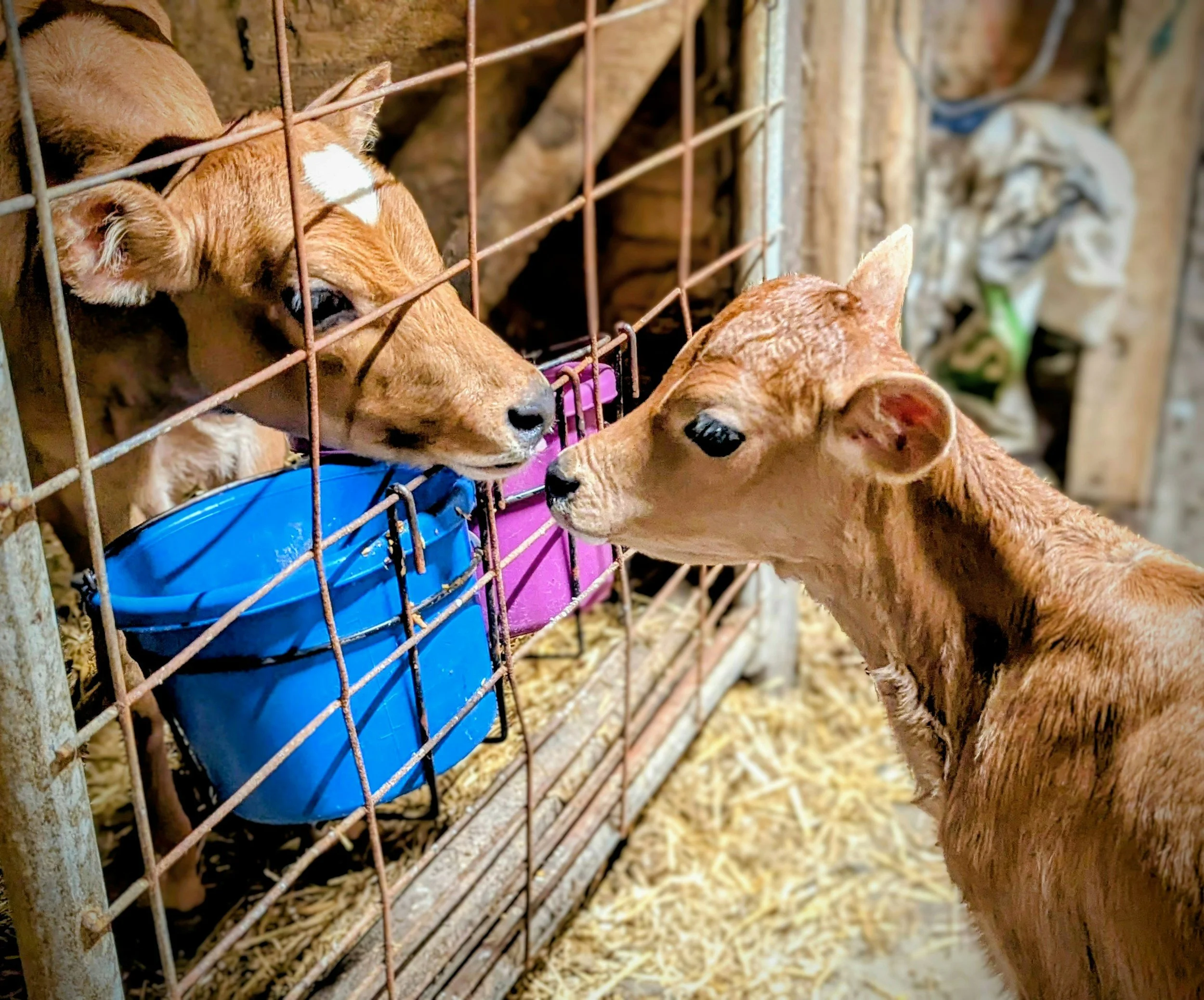
Anyone who has reared calves knows how much time is consumed by washing feeding equipment. During the busiest weeks of calving, every hour saved can be spent observing calves, checking hydration, monitoring feeding behaviour or maintaining bedding quality.
Those management practices often have a greater influence on calf health than whether a feeder has been scrubbed for the third time that day.
There is also the issue of detergent residues. While commercial cleaning products are designed to be safe when used correctly, inadequate rinsing can leave traces behind. Careful cleaning followed by thorough rinsing is essential.
The message is not to stop cleaning calf feeders.
Milk residue should never be allowed to build up as it provides an ideal breeding ground for harmful bacteria. Feeders should always be rinsed promptly after feeding and regularly inspected for cracks or rough surfaces where bacteria can hide. A scheduled deep clean remains an important part of any calf-rearing programme.
But perhaps it is time to question whether relentless scrubbing after every feed is always delivering better outcomes.
As with many aspects of farming, balance is often the key.
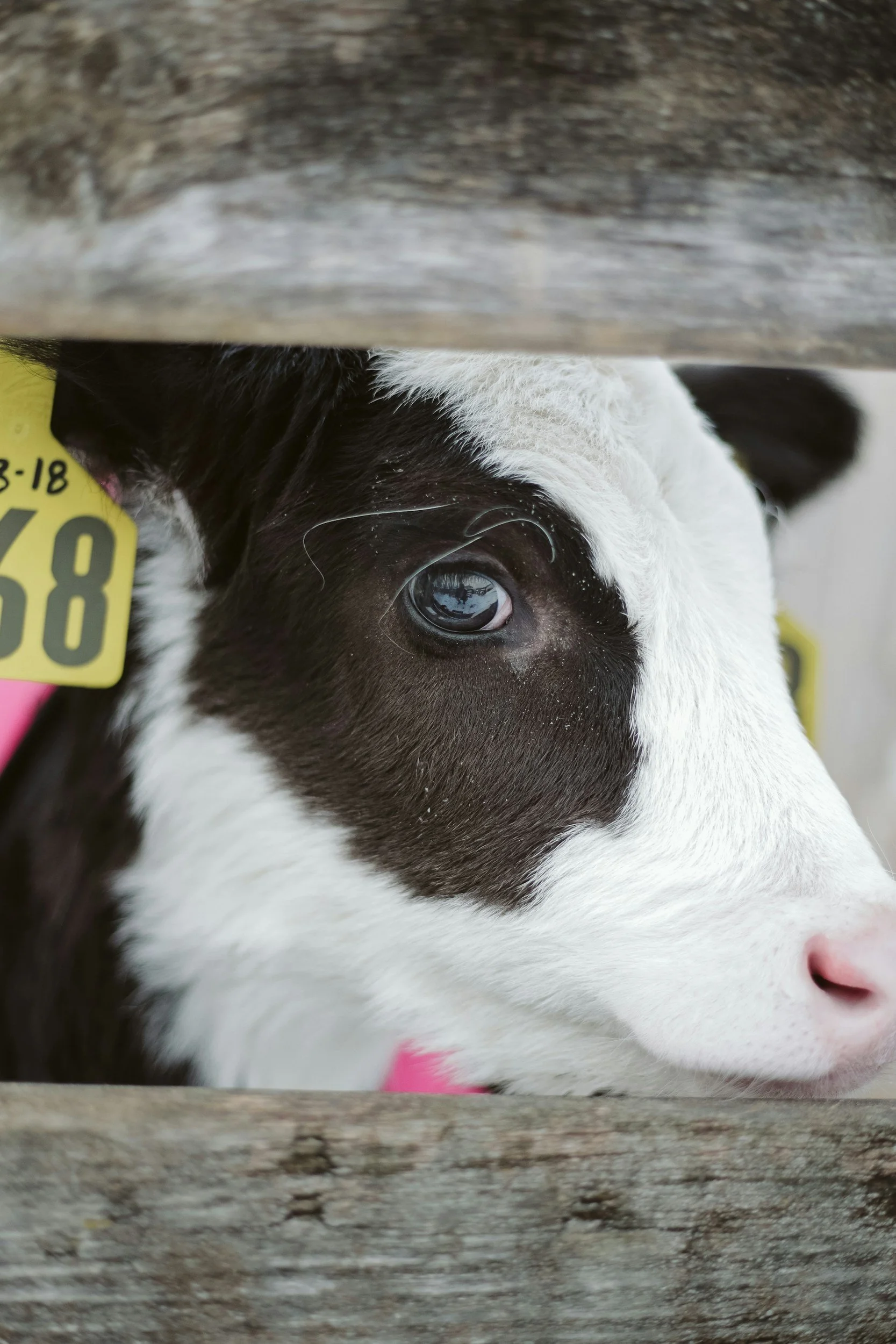
Good hygiene remains essential. Good colostrum management remains non-negotiable. Dry bedding, ventilation and careful observation will always be cornerstones of healthy calf rearing.
Yet allowing calves to grow up in a normal farming environment, rather than attempting to raise them in near-sterile conditions, may actually help them develop stronger, more resilient immune systems for the future.
Sometimes, being clean is exactly what calves need.
Sometimes, simply being sensibly clean may be even better