
Thanks for checking in for Day 3 of our 7-day series on summer feed: making every kilogram count. As summer settles in, the focus shifts from simply having enough feed on hand to getting the most possible value from every kilogram grown, conserved, allocated and eaten.
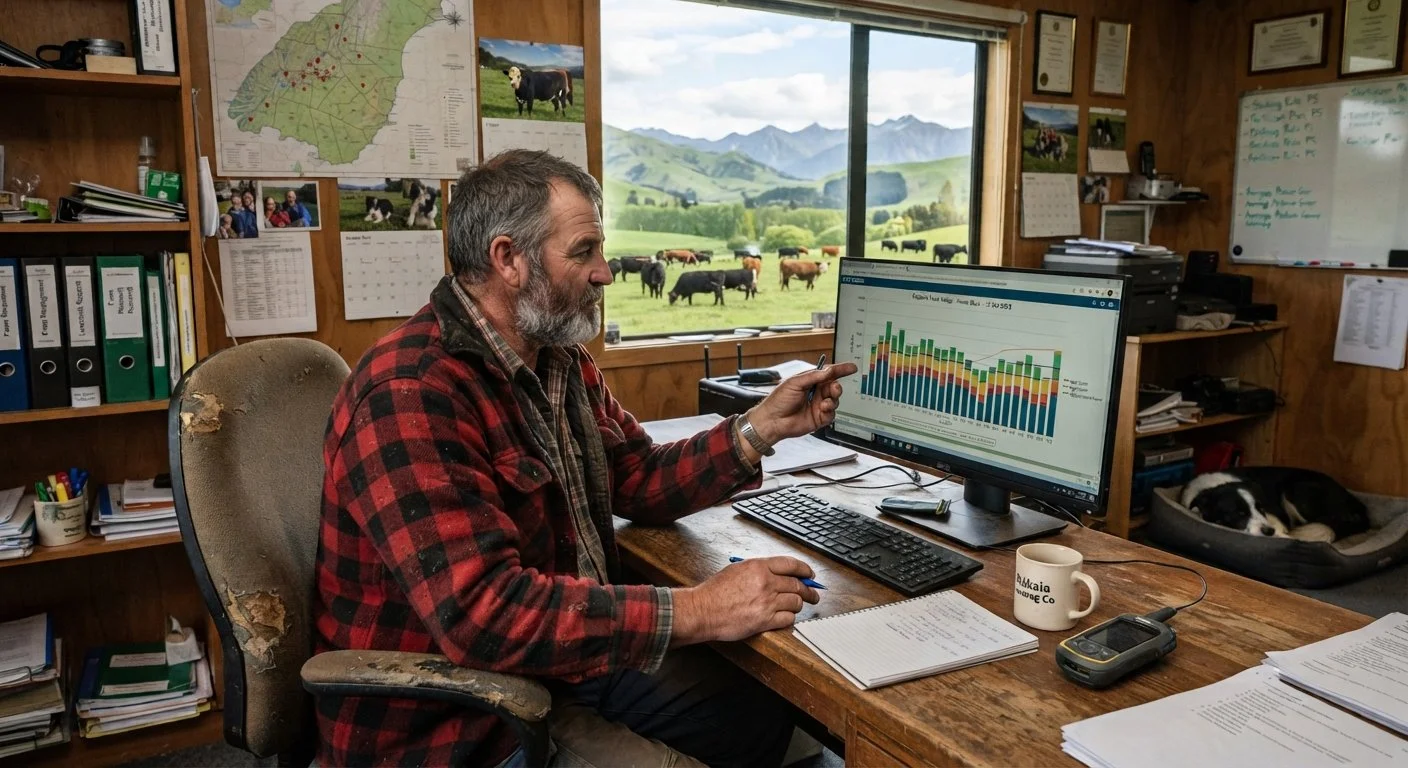
It is not just about how much feed you have
There can be a temptation during summer to look at the feed wedge and think in terms of how much grass is sitting in front of the cows. But kilograms of dry matter in the paddock are only part of the equation. What really matters is how much of that feed is available to the cows, how efficiently they harvest it, and how much of its potential ends up supporting milk production.
A paddock can look well supplied from the farm track while still delivering a disappointing result in the cowshed if utilisation is poor. Likewise, a small amount of high-quality feed can be worth considerably more than a larger quantity of mature, stemmy pasture that cows struggle to eat efficiently.
Summer therefore rewards a little more attention to what is actually happening at ground level. The aim is not necessarily to make the cows eat every last blade of grass. It is to give them the right amount of suitable-quality feed at the right time, while protecting the pasture so it can continue producing through the rest of the season.
Quality matters when the weather turns warm
As temperatures rise and pasture growth patterns change, maintaining feed quality becomes increasingly important. Summer pasture can move quickly from leafy and highly digestible to more mature and fibrous, particularly when growth gets ahead of the rotation.
The challenge is finding the balance between keeping enough pasture in front of the herd and keeping that pasture at a quality that supports the production level you are aiming for.
Cows are remarkably good at telling you when the feed in front of them is not quite what they want. Changes in grazing behaviour, residuals, cud chewing, rumen fill, milk production and body condition can all provide useful clues.
The paddock should not be judged solely by how green it looks. A lush-looking pasture is not automatically high-quality feed, and a paddock that looks less impressive may still provide valuable, leafy material if it has been managed well.
Summer is a good time to keep asking a simple question: What are the cows actually getting out of this paddock?
Watch what is happening after the cows leave
One of the simplest ways to assess whether cows are harvesting pasture effectively is to look back after the grazing has happened.
Residuals can tell you a considerable amount. If cows are consistently leaving large amounts of selected or less palatable material behind, there may be a mismatch between the quantity offered and the quality available. On the other hand, if cows are being pushed too hard and residuals are becoming excessively tight, pasture recovery can suffer.
The aim is to leave the paddock in a condition that allows the plant to recover and begin growing again, rather than repeatedly asking it to produce from a depleted base.
This becomes particularly important during dry periods. Pasture plants already under moisture stress need careful management. Grazing too aggressively can reduce their ability to recover, potentially making the next round of the rotation even more challenging.
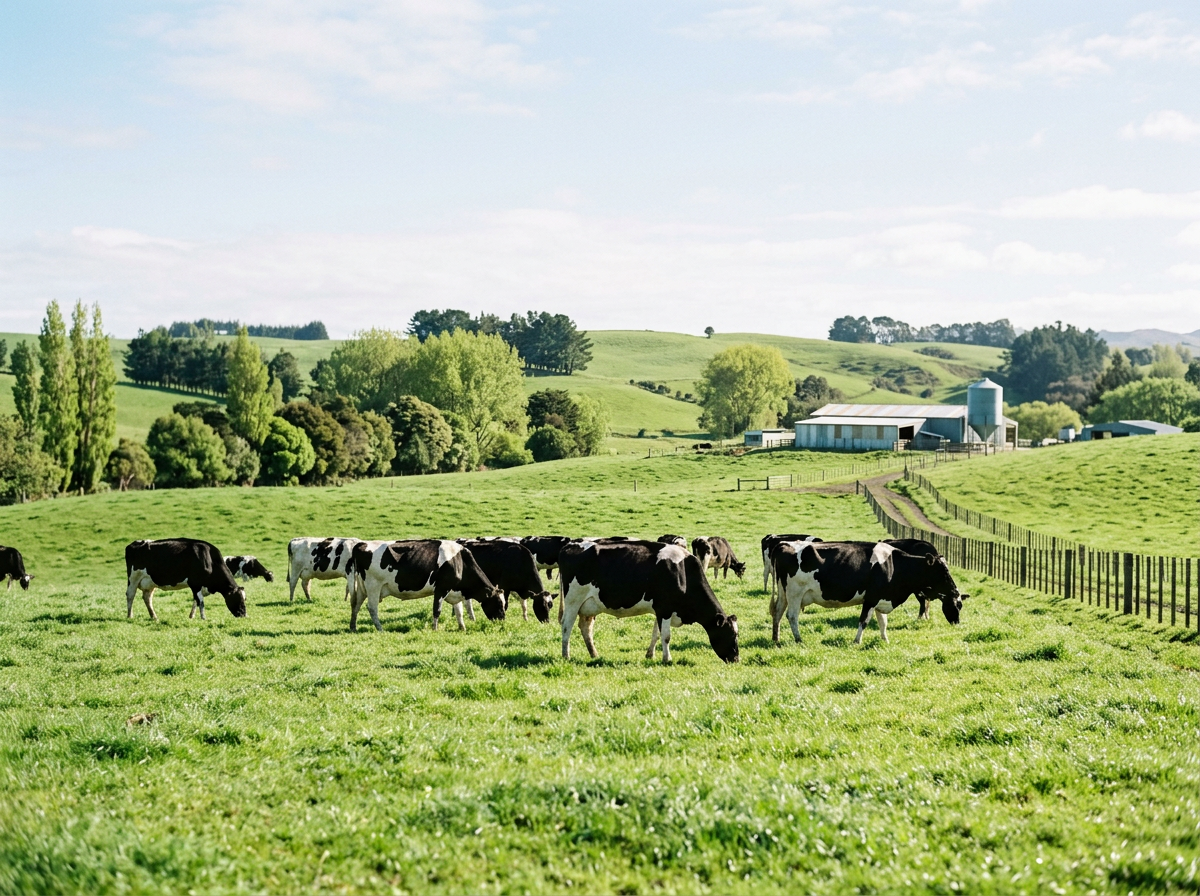
Make every grazing opportunity count
Summer feed management is often about timing. A few days can make a noticeable difference when pasture is growing quickly, and equally, a few days can make a difference when growth slows.
Keeping an eye on the rotation and adjusting it according to actual pasture growth can help prevent the system from becoming too rigid. The plan made at the beginning of summer may not be the plan that works several weeks later.
Rainfall, temperature, soil moisture, pasture growth, cow demand and supplements can all change the picture.
That is why regular observation matters. Walking paddocks, checking pasture covers and watching the cows can provide information that is difficult to pick up from a calendar alone.
A flexible approach does not mean there is no plan. It means the plan is allowed to respond to what the farm is actually doing.
Do not waste the feed you have already grown
When feed is tight, wastage becomes even more frustrating. Every kilogram that is trampled, spoiled, contaminated or left uneaten represents feed that was grown but never converted into useful production.
This does not mean grazing every paddock down to the dirt. It means thinking carefully about how cows are allocated their feed and whether the grazing area and allocation are helping them harvest pasture efficiently.
Water availability, shade, paddock layout, stock movement and weather conditions can all influence how cows use a paddock. On a hot day, cows may spend more time seeking shade or water and less time grazing. A paddock that looks adequate on paper may therefore deliver a different result in practice.
Small management changes can sometimes make a surprisingly large difference.
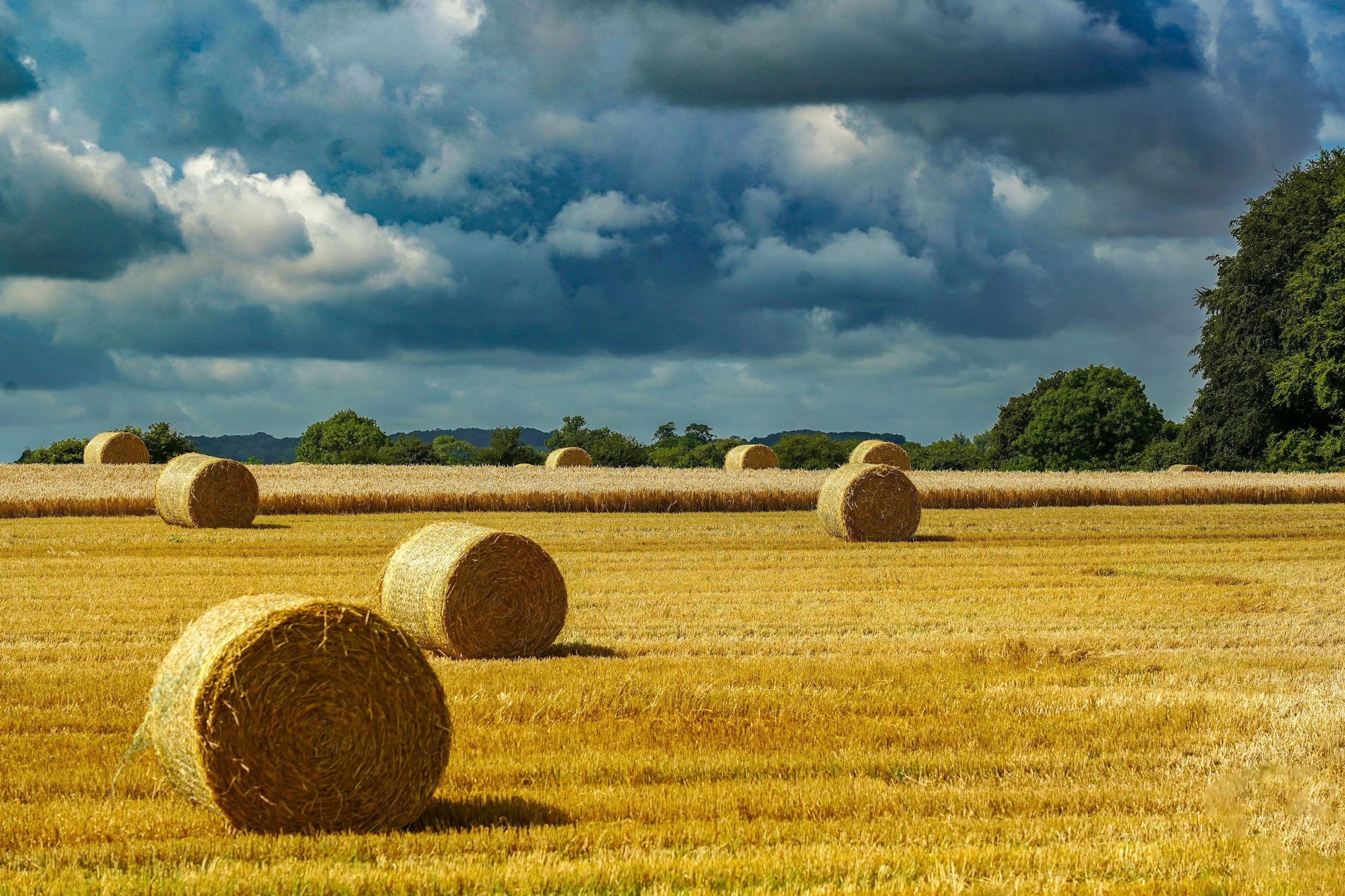
Supplements need to earn their place
Summer supplements can provide valuable insurance when pasture supply or quality falls short, but they also need to be considered as part of the overall feed system rather than simply another pile of feed.
The important question is not just how much supplement is being fed. It is what that supplement is achieving.
Is it filling a genuine feed deficit? Is it helping maintain production when pasture quality declines? Is it protecting pasture during a dry spell? Is it helping maintain cow condition? Or is it simply being fed because that is what has always been done?
There is no one answer that suits every farm. The value of a supplement depends on its cost, nutritional value, availability, storage, wastage and how effectively the cows use it.
Summer is a good time to look at the whole picture rather than judging a feed decision on kilograms alone.
Keep the cows at the centre of the decision
It is easy to become focused on pasture covers, rotation length and supplement inventories because these are things that can be measured and recorded. But the cows remain the final test of whether the feed system is working.
Are they settled? Are they grazing confidently? Are they coming into the shed with good appetite? Are milk production and components responding as expected? Are body condition and animal health tracking in the right direction?
There is a story being told by the herd every day.
Learning to read that story can be one of the most useful summer management tools available. Changes in behaviour or production do not always have a single cause, but they are worth investigating rather than ignoring.
The goal is not to chase maximum production from every kilogram at any cost. It is to use the feed available in a way that makes sense for the farm, the cows and the season ahead.
“The most valuable kilogram of feed is not necessarily the one you grow. It is the one the cow can actually use.”
Think beyond today's feed allocation
Summer feed decisions can have consequences several weeks down the track. Grazing pasture too hard today may affect what is available later. Allowing pasture to become too mature can affect quality in the next rotation. Using too much supplement early in the season can alter what is available when conditions become more difficult.
This is why a good summer feed plan needs to look forward as well as at what is happening today.
Keep an eye on the pasture wedge, but also consider what the next rotation is likely to look like. Look at the cows in front of you, but consider what their feed demand will be as the season progresses.
If the farm is heading into a period of lower growth, building a little resilience into the system before the pressure arrives can be much easier than trying to fix a feed deficit once it has developed.
Making feed count
Making every kilogram of summer feed count starts with knowing what is actually available to the cows rather than relying solely on how the paddock looks from the gate. Pay attention to pasture quality as well as quantity, watch residuals, monitor cow behaviour and production, and be prepared to adjust the grazing plan as conditions change.
Look closely at wastage and consider whether paddock allocations, stock movements, water access and hot-weather conditions are affecting how effectively cows harvest their feed. If supplements are being used, consider the job they are doing within the whole feed system rather than simply measuring how much is being fed.
Most importantly, remember that summer feed management is not a set-and-forget exercise. The farm is changing every day, and the best decisions are the ones that respond to those changes while keeping an eye on what is coming next.
See you tomorrow
That brings us to the end of day 3 in our 7-day series on summer feed: making every kilogram count. Tomorrow, we will look at another important part of the summer feed equation and how to keep making smart decisions when the season does not quite go according to plan.
See you tomorrow for day 4.