Welcome to day 3 of our seven-day series, The Future-Proof Dairy, where we explore the ideas, technology and changing approaches that could help shape the future of New Zealand dairy farming.
For generations, the dairy farm business has been built around a relatively straightforward model. Cows produce milk, milk creates income, and the success of the business is closely tied to how efficiently the farm can turn pasture, supplementary feed, labour and other inputs into a profitable product.
Milk will always remain at the heart of a dairy farm.
But as farming businesses face changing environmental expectations, rising costs, weather uncertainty and increasingly complex financial pressures, more farmers are beginning to think about whether the farm could generate income in other ways as well.
That does not mean walking away from dairying. It means looking at the farm differently.
A dairy farm is more than a milking platform. It is land, infrastructure, natural resources, skills, knowledge, experiences and, in some cases, opportunities that may not have traditionally been viewed as part of the core farming business.
The idea of diversification is not new, but the reasons for considering it are becoming increasingly relevant.
For some farmers, additional income streams could provide greater financial resilience. For others, diversification may create an opportunity for the next generation, make better use of existing assets or provide a way to reduce reliance on one source of income.
The future-proof dairy farm may still have milk as its main revenue stream. But it may not be the only one.
Why relying on one income stream can be risky
Dairy farmers are used to managing uncertainty.
Milk prices can change. Input costs can rise unexpectedly. Drought, flooding and difficult seasonal conditions can affect production. Interest rates, labour availability and compliance requirements can all influence the financial performance of a farm.
While no business can completely remove risk, relying on one primary income source can leave the business exposed when conditions change.
Diversification offers the possibility of creating additional revenue that is not directly linked to the same factors influencing milk production.
That does not mean every new opportunity will provide a stable or guaranteed income. In fact, diversification can bring its own risks, costs and challenges.
The key is to avoid seeing every new idea as an opportunity simply because it sounds different.
Successful diversification needs to work with the farm, rather than creating another complicated business that takes attention away from the core operation.
The best new income stream is not always the most exciting one. It is the one that fits the farm, the people and the long-term direction of the business.
For one farmer, that opportunity might come from land use. For another, it could be a tourism experience, a niche product or a service connected to the skills and resources already available on the property.
The possibilities will not be the same for every farm.
That is exactly why diversification needs to start with the individual business.
Could the land do more?
One of the first places to look for diversification opportunities is the land itself.
Not every part of a dairy farm necessarily has the same value or purpose.
There may be areas that are difficult to farm efficiently, land that regularly becomes wet, steep sections that are challenging to manage, sheltered areas with different potential or spaces that could support another use without affecting the main dairy operation.
As environmental requirements and land-use expectations continue to evolve, some areas may become more valuable when viewed through a different lens.
Planting programmes, alternative land uses and environmental projects may provide opportunities to create value from areas that are not contributing strongly to milk production.
There is also growing interest in the broader idea of recognising environmental outcomes as part of the value created by farmland.
Healthy soils, planted areas, biodiversity and the way land is managed may all become increasingly important as farming businesses look beyond traditional production measures.
However, farmers need to be realistic.
Not every hectare should be turned into a new project simply because diversification is fashionable. Removing productive land from the dairy platform could create more financial pressure rather than less if the alternative use does not provide sufficient value.
The opportunity is in identifying areas where a different approach makes practical and financial sense.
Sometimes, the best use of land is still to grow high-quality pasture and produce milk.
Diversification should complement the strongest parts of the business, not undermine them.
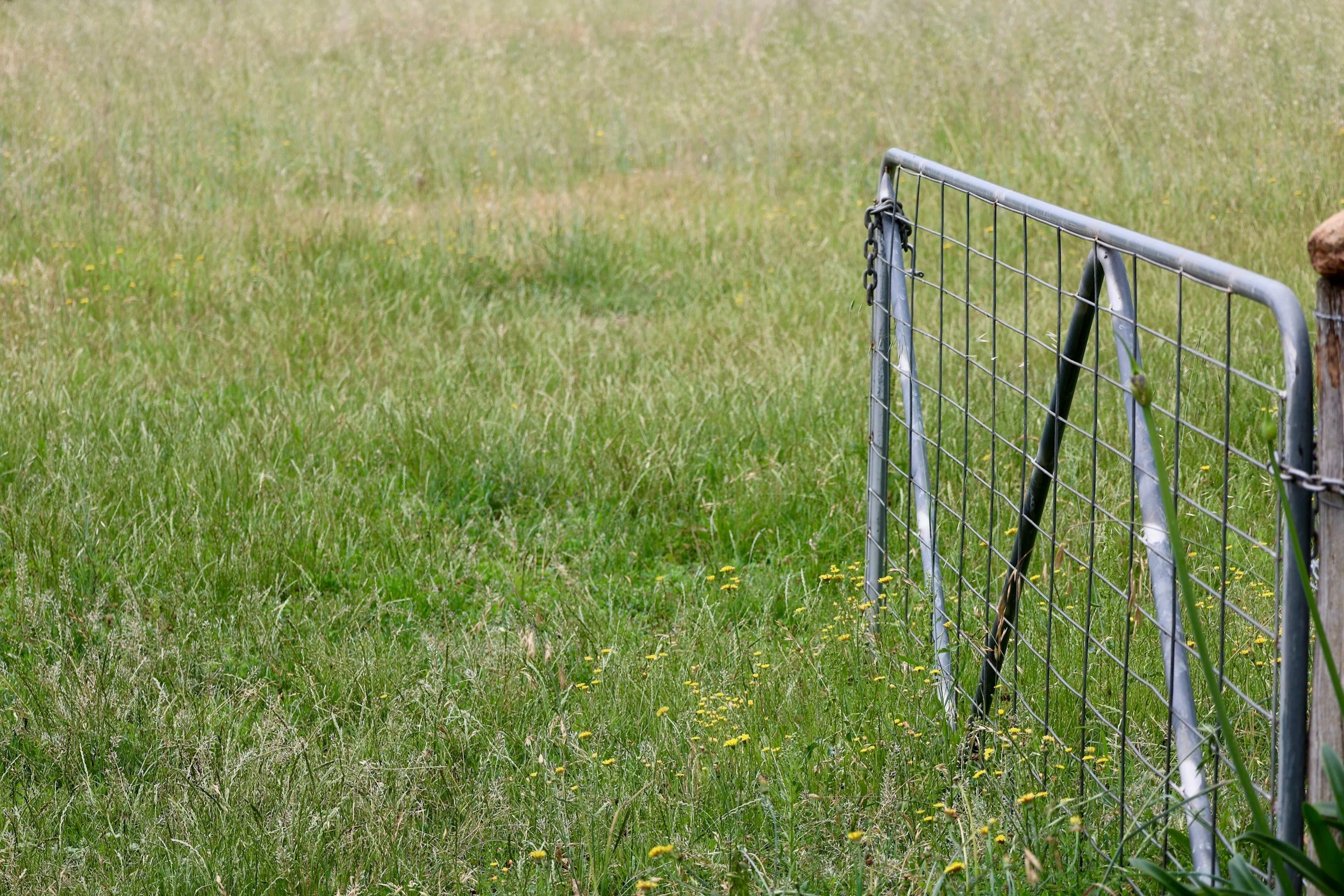
Opening the farm gate
Another potential area of diversification lies in something many farmers may take for granted: the farm itself.
For people outside the rural sector, a working dairy farm can be an unfamiliar and fascinating place.
The machinery, animals, pasture systems and everyday routines that are normal to farmers can provide an experience that visitors may never otherwise encounter.
Agri-tourism is one way farms can potentially create income by sharing part of that experience.
This could involve farm tours, educational visits, accommodation or other carefully designed experiences connected to rural life.
For the right property, location and farming family, there may be genuine potential.
But agri-tourism is not simply a matter of opening the gate and hoping visitors arrive.
It requires planning, time, infrastructure and a willingness to work with people.
A farmer who enjoys working alone may find the demands of hosting visitors less appealing than someone who enjoys meeting people and sharing their story.
Location also matters.
A spectacular rural property may have plenty to offer visitors, but if it is difficult to access or a long distance from visitor traffic, attracting enough customers could be challenging.
The experience also needs to work around the realities of a functioning dairy farm.
Milking does not stop because guests have arrived. Animal welfare, health and safety and everyday farm operations must remain the priority.
For some farming businesses, however, the opportunity to share the rural story could create a completely different income stream while helping bridge the gap between urban consumers and food production.
Could dairy become more boutique?
New Zealand is well known for producing dairy products on a large scale, but there is also room to consider the value of smaller, more specialised products.
The future consumer may increasingly want to know more about where their food comes from, how it was produced and what makes it different.
That creates opportunities for farmers and rural businesses willing to explore products with a stronger connection to place, story or production method.
Boutique dairy products could include specialised cheeses, cultured products, premium products or small-batch offerings developed around a particular story or market.
However, this is one area where farmers need to understand the difference between producing a product and building a business.
Making something unique is only the first step.
The product needs customers. It needs a market. It needs to meet regulatory requirements, maintain quality and be supported by packaging, marketing, distribution and customer service.
A successful boutique product may have little in common with the everyday management of a commercial dairy farm.
That does not mean it cannot work.
It simply means diversification can sometimes require completely new skills.
The farm may provide the raw product and the story, but turning that into a successful business requires a clear understanding of what customers actually want.
Diversification works best when the opportunity is treated as a business, not just an interesting idea.
Photo by Dianna Malcolm
Making use of existing skills
Sometimes the most valuable opportunity may not come directly from the land or the cows.
It may come from the people running the farm.
Dairy farmers develop a wide range of skills over their careers. They manage people, machinery, pasture, animals, finances, technology and complex systems.
Those skills can sometimes create opportunities beyond the traditional farm business.
Some farming families may have specialist knowledge, equipment or experience that could support another service or enterprise.
The opportunity might be seasonal, allowing it to fit around the dairy calendar. It might involve contracting, education, consulting, accommodation or another business connected to the skills already present within the family.
The key is to recognise that the assets of a farming business are not limited to physical infrastructure.
Knowledge can also have value.
In a rapidly changing industry, practical experience combined with the ability to adapt may become one of the strongest assets farmers have.
Diversification does not mean doing everything
One of the biggest mistakes a business can make is trying to chase too many opportunities at once.
A farm could theoretically have tourism, accommodation, environmental projects, alternative land use, a niche product and several other income streams.
That does not mean it should.
Every new enterprise requires time, energy and management.
The more complex the business becomes, the greater the risk of spreading people too thin.
For many dairy farmers, the most sensible approach may be to identify one opportunity that fits well with the existing business.
It could begin as something relatively small.
The idea can then be tested, refined and evaluated before significant investment is made.
The question should not simply be, “Could this make money?”
A better question might be, “Does this fit our business and can we manage it well?”
A profitable opportunity that creates stress, demands too much time or distracts from the main dairy operation may not be worth pursuing.
The best diversification strategies are likely to be those that strengthen the overall business rather than creating another source of pressure.
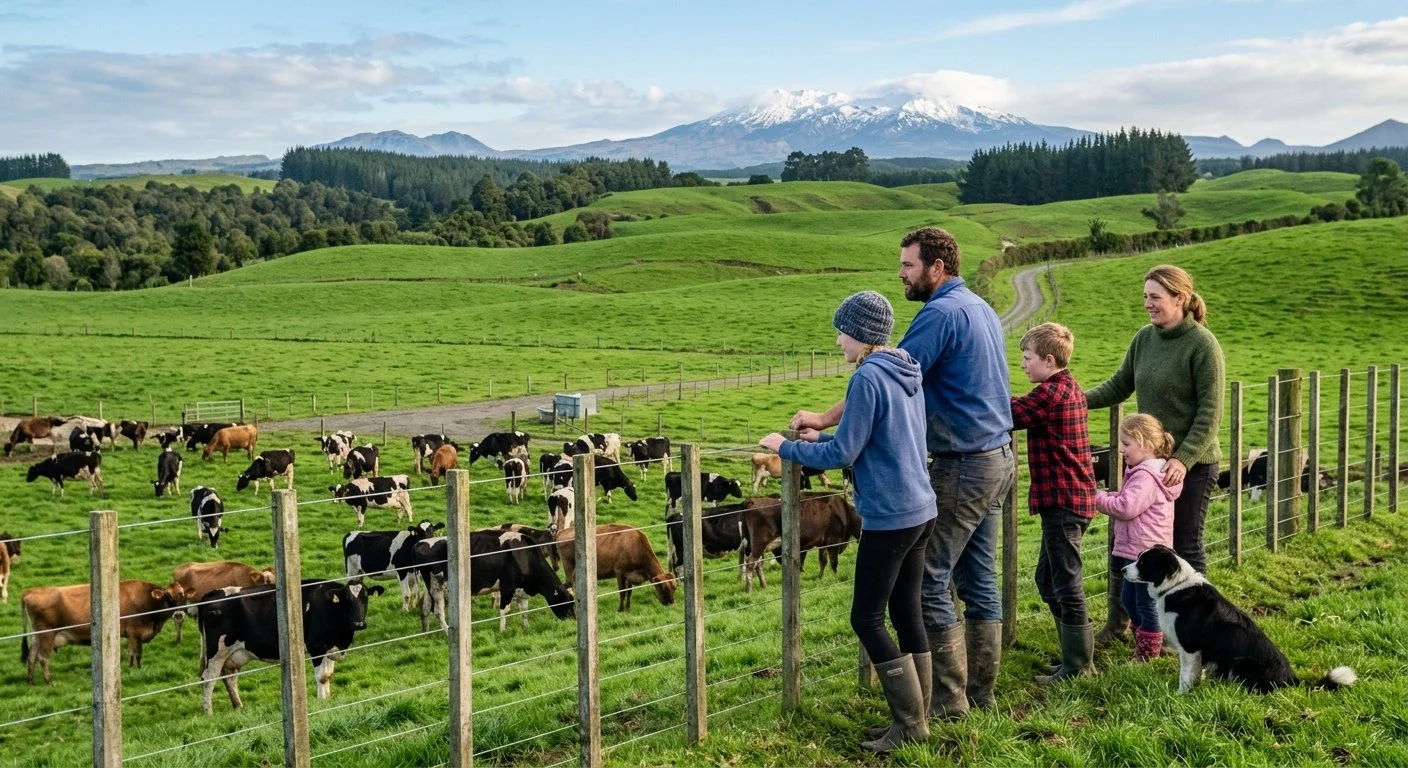
The next generation may see things differently
Diversification could also play an important role in attracting and retaining the next generation in farming.
Not every young person entering the rural sector will want exactly the same career as the generation before them.
Some may be interested in technology, marketing, food production, tourism, environmental management or creating new businesses connected to agriculture.
A diversified farming business may create room for different skills and ambitions.
One family member may focus on the dairy operation while another develops an environmental project or separate rural enterprise.
This could provide more pathways for younger people to remain connected to farming without expecting every family member to follow exactly the same role.
The farm of the future may become less defined by one job title.
Instead, it could become a platform for several connected businesses operating from the same piece of land.
Building a stronger business
Diversification is not about replacing the dairy industry.
Milk production is likely to remain the foundation of thousands of New Zealand farming businesses for many years to come.
But the future may reward businesses that are able to identify additional opportunities and adapt when circumstances change.
A diversified income stream could help provide resilience during a difficult season. It could create another role for a family member. It could make better use of land or infrastructure that is currently underutilised.
It could also open the door to an entirely different type of business that would never have existed if the farm had been viewed only as a place where milk is produced.
The important thing is to start with the business that already exists. What does the farm do well? What resources are already available?
What areas are underutilised? What skills exist within the family or team? What opportunities fit the location and the people involved?
The answers to those questions will look different on every farm. And that is the strength of diversification.
There is no single model that every dairy farmer needs to follow. The future-proof farm does not need to do everything.
It simply needs to remain open to the possibility that the next opportunity may already be sitting somewhere within the business.
Diversification is about looking beyond the traditional milk cheque and considering whether the farm has other assets capable of creating value.
That could involve alternative uses for land, environmental projects, agri-tourism, specialised dairy products or businesses built around the skills of the people running the farm.
The most successful opportunities are likely to be those that complement the core dairy operation rather than competing with it.
Before investing in a new idea, farmers should consider whether it fits their location, available time, skills, financial goals and long-term plans.
Future-proofing a dairy business is not necessarily about doing more.
Sometimes, it is about seeing more potential in what is already there.
Tomorrow in day 4 of our Future-Proof Dairy series, we head into the dairy shed to explore how artificial intelligence could help farmers identify early signs of lameness, mastitis and other animal health issues before they become obvious to the human eye.