National Pledges to Cut Solar Red Tape for Kiwi Farmers

Source: Federated Farmers
Installing solar power on New Zealand farms could soon become much easier, with the National Party announcing plans to remove much of the red tape surrounding small-scale renewable energy projects if it is returned to Government after November's election.
The announcement has been warmly welcomed by Federated Farmers, which says the proposal directly addresses one of the key recommendations outlined in its recently released 2026 Election Platform.
Federated Farmers Energy Spokesperson Mark Hooper says simplifying the consenting process is a practical step that could reduce costs and encourage more farmers to invest in renewable energy.
"Solar technology has advanced rapidly, but the planning system hasn't kept pace," says Hooper.
"Many farmers wanting to install straightforward solar systems have found themselves facing unnecessary resource consent costs, lengthy delays and inconsistent council requirements."
At present, planning rules vary significantly between local authorities, creating uncertainty for rural landowners looking to install either rooftop or ground-mounted solar systems.
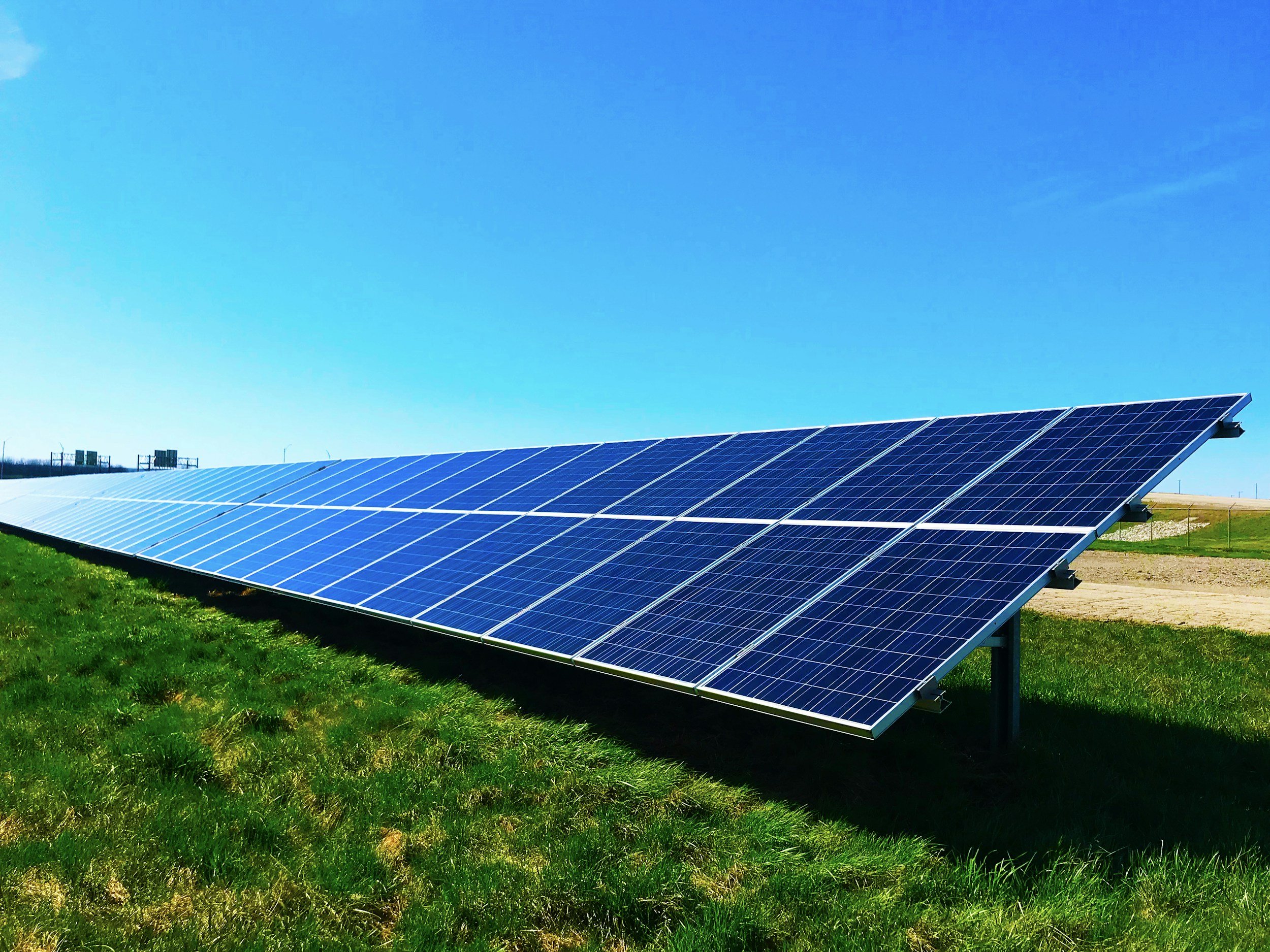
Under National's proposal, small-scale solar installations would become a permitted activity under the new Resource Management framework. This would allow homeowners and farmers to install rooftop solar without requiring resource consent, while ground-mounted farm solar systems would also become permitted, subject to sensible environmental safeguards. Small-scale battery storage systems would also be included.
According to Hooper, a consistent national approach would provide farmers with greater confidence to invest while removing unnecessary compliance costs.
"For too long every council has had different rules. A single national standard will make the process far simpler for farmers wanting to generate their own electricity."
Building More Resilient Farming Businesses
With electricity and fuel prices continuing to climb, on-farm renewable energy is becoming less of an environmental initiative and increasingly a sound business investment.
Generating electricity on-farm can help reduce operating costs, improve energy security during outages, lower emissions and, in some situations, create additional income opportunities by exporting excess power back to the grid.
"The economics of solar now stack up for many farming businesses," says Hooper.
"Removing unnecessary planning barriers will help unlock further investment and improve resilience across the rural sector."
Federated Farmers also welcomed National's proposed Home Energy Fund, which would provide low-interest, long-term loans for renewable energy investments, repaid through local authority rates.
The organisation believes improved access to affordable finance would encourage more rural property owners to invest in solar technology while supporting New Zealand's wider energy security.
"Strategic use of rooftops and smaller on-farm solar installations is an efficient way to strengthen New Zealand's electricity network while helping farming businesses become more self-sufficient," says Hooper.
As energy costs remain a significant pressure on farm profitability, proposals that reduce compliance costs while making renewable energy more accessible are likely to be welcomed across much of the rural sector.