Natural pasture health and biodiversity
Welcome to day five of our seven-day series on pasture agronomy, soil health and weed management, and today we are looking at what happens when we start thinking of a pasture as more than simply ryegrass and clover. New Zealand dairy farming has traditionally relied heavily on perennial ryegrass and white clover, and for very good reasons. Both have proven their value in pasture-based systems over many years. However, as farmers look more closely at soil health, seasonal resilience and the relationship between plants and the soil beneath them, there is increasing interest in creating pastures containing a wider range of species.
The idea is not to simply throw as many different seeds as possible into a paddock and hope they all get along. A productive diverse pasture needs a purpose, with different plants bringing different characteristics to the system. Some species develop deeper roots, some are better suited to dry conditions, some contribute nitrogen, some produce useful feed at particular times of the year, while others may occupy different layers of the soil profile. The opportunity lies in using those differences to create a pasture that is productive above ground while also supporting a healthier and more resilient soil environment below it.
Diversity has a job to do
Biodiversity can sound like a complicated environmental concept, but in a pasture it can be remarkably practical. Think about a paddock containing several plant species with different root structures. One may have a relatively shallow root system while another sends roots much deeper into the soil. One may produce strongly during spring while another maintains useful growth during a summer dry spell. Instead of every plant competing for exactly the same resources at exactly the same time, the pasture can potentially make better use of different parts of the soil profile and different growing conditions.
That does not automatically mean a diverse pasture will always produce more feed than a simpler pasture. It does, however, provide another tool for farmers considering how to make their pasture system more resilient. The key is choosing plants that complement one another rather than simply increasing the number of species in the seed mix.
Deep roots change the game
Much of the pasture plant is visible above ground, but a significant proportion of its work happens underneath it. Root systems anchor plants, take up water and nutrients and contribute organic material to the soil as roots grow, die and are replaced. A strong root system can therefore be an important part of maintaining both plant productivity and soil function.
Deep-rooted species can be particularly valuable during dry conditions because they may be able to access moisture further down the soil profile than shallower-rooted plants. This is one reason species such as chicory, plantain and lucerne have attracted interest in pasture systems where summer moisture is a limiting factor. However, deeper roots are not a magic answer to drought. If the soil profile is completely dry, there is no plant capable of producing water. What deeper-rooted species can potentially do is make better use of moisture that remains available further down the profile, which can become increasingly valuable when weather conditions are unpredictable.
The soil is alive
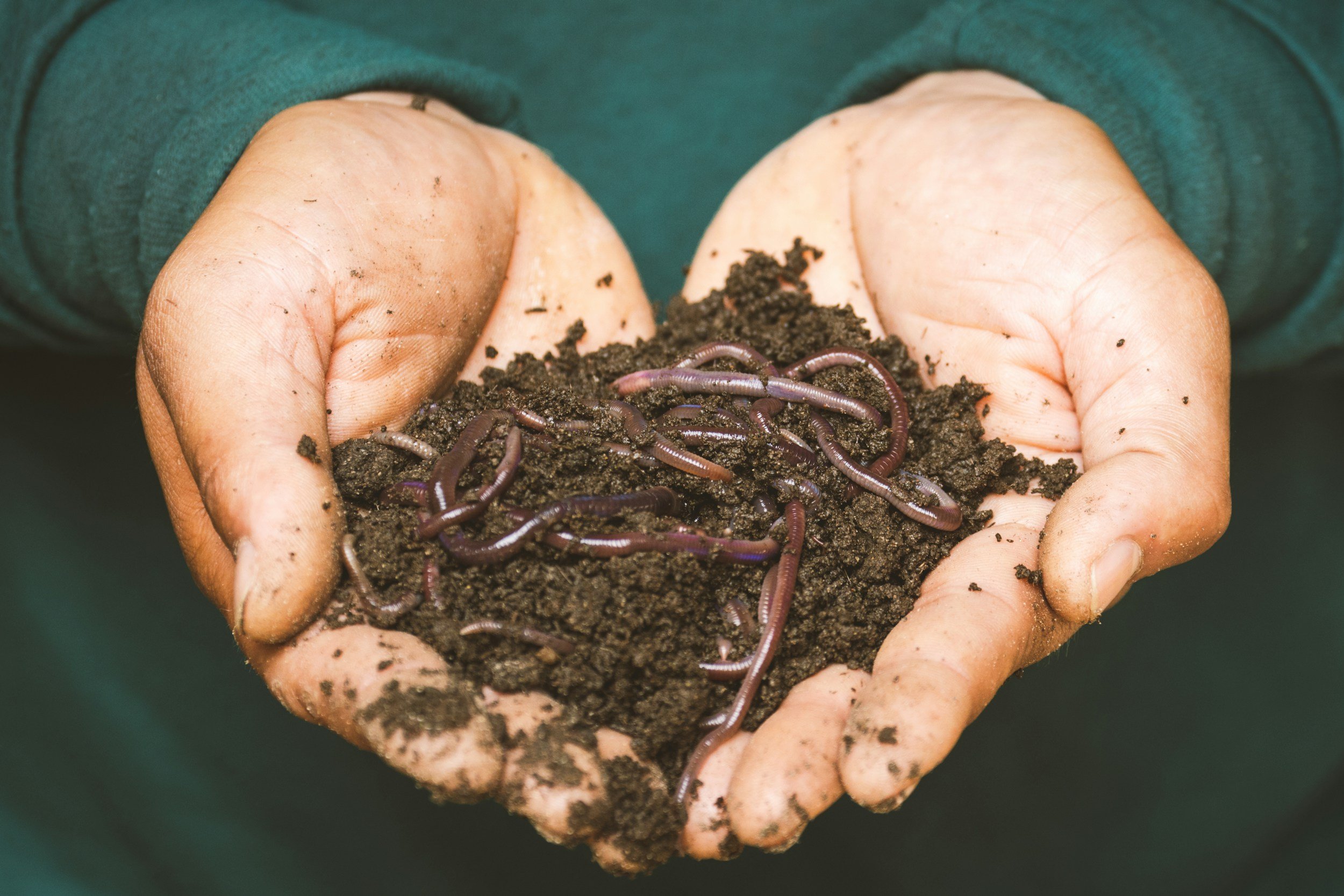
Underneath a pasture is an ecosystem that is easy to overlook because most of it cannot be seen. Bacteria, fungi, earthworms and other soil organisms are continually breaking down organic material and contributing to nutrient cycling. Plant roots interact with this biological community, releasing compounds into the soil and creating an environment around the roots where a range of biological processes occur.
The result is a constantly changing underground system rather than a static growing medium. When pasture is growing strongly and producing healthy roots, there is a continual supply of organic material entering that system. Roots naturally die and regrow, leaves and plant material are returned to the soil, and animals return nutrients through dung and urine. Soil organisms then contribute to the breakdown and cycling of that material, helping maintain the biological processes that support pasture growth.
Earthworms earn their keep
Few farm workers are as consistently underpaid as the earthworm, yet these small creatures can play an important role in the soil. Earthworms help incorporate organic material into the soil and create channels that can contribute to soil structure, aeration and water movement. Those channels can also provide pathways for roots to explore the soil profile.
A paddock with healthy earthworm activity may therefore be benefiting from a workforce that operates around the clock without needing diesel, batteries or a coffee break. However, earthworms also need suitable conditions. They require moisture, organic material and an environment that supports their activity, while soil disturbance and poor soil conditions can affect populations. Encouraging biological activity is therefore not about adding one particular organism to the soil; it is about creating conditions where the soil's existing biological community can function effectively.
Feed first, diversity second
There can be a temptation to become so focused on pasture diversity that production gets pushed into the background. For a dairy farmer, that does not make practical sense because the pasture ultimately has to feed cows. Any new species needs to justify its place by contributing something useful to the farming system, whether that is seasonal production, persistence, drought tolerance, animal nutrition, soil benefits or another characteristic that addresses a particular farm requirement.
A pasture that looks wonderfully diverse but produces insufficient quality feed when the herd needs it is not necessarily a successful pasture. The objective is to bring diversity and productivity together so that the additional species are contributing rather than simply occupying space in the paddock.
The nitrogen connection
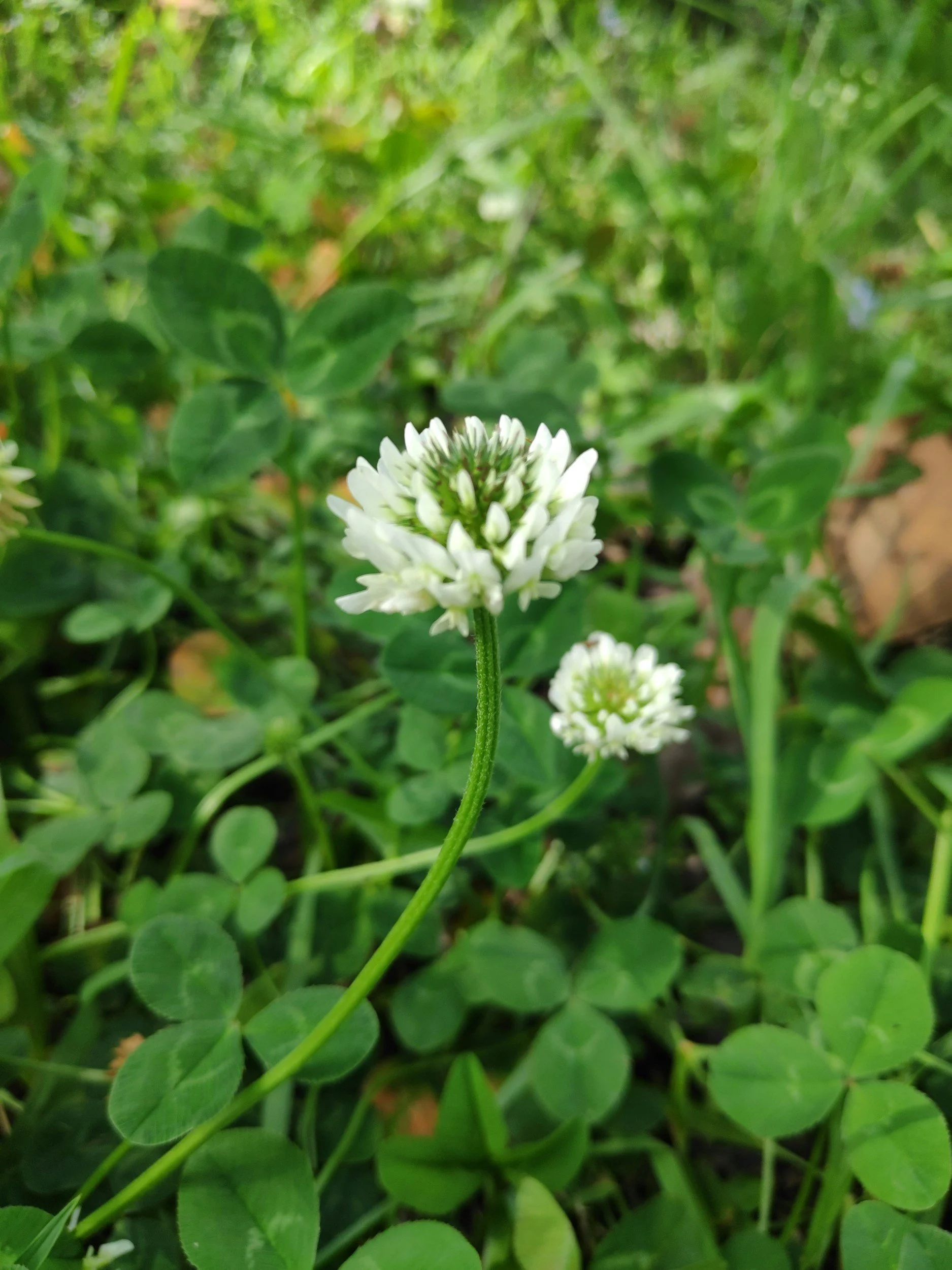
White clover has long demonstrated how plants can contribute to pasture fertility through biological nitrogen fixation. Legumes work in association with specific soil bacteria to convert atmospheric nitrogen into forms that can contribute to plant growth, which is one reason clover has such an important place in traditional New Zealand pastures.
The same principle becomes relevant when considering more diverse pasture systems. The objective is not necessarily to eliminate fertiliser altogether, but rather to understand how much nitrogen is already being supplied through biological processes and how that fits with the farm's overall nutrient requirements. Synthetic fertiliser and biological nitrogen fixation do not have to be viewed as an either-or argument; the practical question is how the whole system can be managed efficiently and sustainably.
Can diverse pastures improve soil organic matter?
Healthy plant growth means healthy root growth, and healthy root growth means more organic material entering the soil. Different plant species can contribute different types of roots, with some growing deeper and others producing more extensive root systems closer to the surface. As those roots naturally turn over, organic material is returned to the soil and contributes to the ongoing soil carbon cycle.
Over time, this can contribute to soil organic matter, although changes are generally gradual and influenced by many factors. It is important not to expect a dramatic transformation after one season or assume that one particular seed mixture will automatically increase soil organic matter. Soil is a long-term investment, and building and maintaining its organic matter requires consistent management over time.
Don't confuse diversity with a free-for-all
A diverse pasture still needs management, and different plants have different growth habits, grazing tolerances and seasonal preferences. Some species may thrive under one grazing approach while struggling under another, meaning the farmer needs to understand what is actually growing in the paddock rather than simply relying on what was originally included in the seed mix.
If one species becomes dominant while another gradually disappears, the pasture may no longer be performing as originally intended. Likewise, if a particular plant is vulnerable to hard or frequent grazing, treating the whole pasture according to the requirements of another species may eventually remove it from the mix. Diversity therefore adds another layer of management rather than eliminating the need for good grazing decisions.
Grazing shapes the pasture
The way cows graze a diverse pasture can influence which species survive and which become dominant. Frequent hard grazing may favour some plants over others, while allowing pasture to become excessively mature can create a different set of challenges. This is why regular observation becomes particularly important when managing a diverse sward.
Farmers need to know what is actually happening in the paddock. Walk the pasture and look at the species present, check the density of the sward, examine the roots where necessary and watch how different plants recover following grazing. Over time, these observations provide a much clearer picture of whether the pasture mix is actually working under the farm's grazing system.
Don't overlook the soil surface
A healthy pasture should provide good ground cover because bare soil creates opportunities for unwanted plants to establish and leaves the soil more exposed to weather. A dense pasture helps protect the soil from rainfall impact, makes better use of available sunlight and moisture and can reduce the opportunities for weeds to take hold.
This is another reason why plant diversity and pasture density need to be considered together. More species are not necessarily better if the result is a thin or unstable sward. The objective is to establish a productive pasture that keeps the soil covered while maintaining a useful supply of quality feed.
Reducing fertiliser reliance requires a whole-system approach
The idea of reducing reliance on synthetic fertiliser is attractive to many farmers, particularly where there is an opportunity to improve nutrient efficiency or reduce input costs. However, simply planting more species does not automatically mean a farm can reduce its fertiliser requirements.
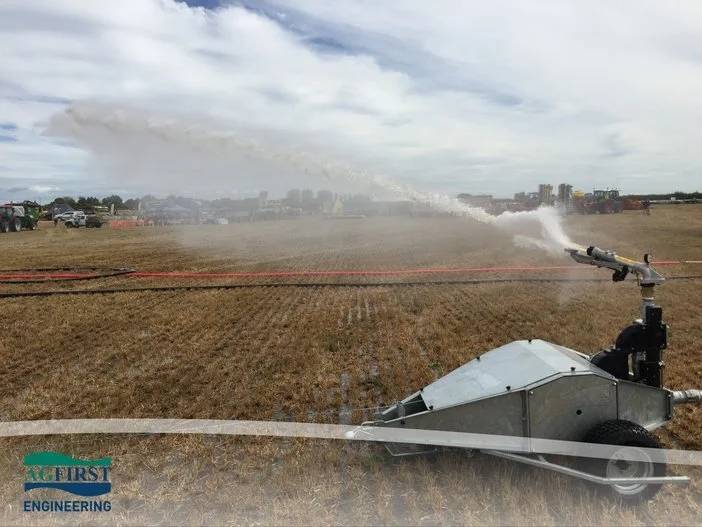
Image supplied by AgFirst Engineering
Nutrients leave the farm in milk and livestock, while nutrients can also be lost through various pathways. Pasture growth still requires an adequate supply of essential nutrients, and those nutrients have to come from somewhere. Biological nitrogen fixation, nutrient recycling through animals, soil organic matter and careful nutrient management can all contribute, but they need to work together.
The goal should therefore be nutrient efficiency rather than simply using less fertiliser for the sake of it. If an input is required to maintain productive pasture, the focus should be on applying it intelligently and getting the greatest possible return from it.
Regenerative thinking can be practical
Regenerative agriculture has generated plenty of discussion, but many of the principles behind it are simply sensible approaches to looking after the productive capacity of the soil. Keeping the soil covered, maintaining living roots, avoiding unnecessary soil disturbance, building organic matter, encouraging biological activity, managing nutrients carefully and using grazing strategically can all be considered as part of good pasture management.
Farmers do not necessarily have to completely redesign their operation to incorporate some of these principles. Sometimes the most useful changes are relatively small and practical. Improving ground cover, allowing plants adequate recovery between grazings, reducing unnecessary soil disturbance or paying closer attention to root development can all contribute to a better-functioning pasture system.
Start with one paddock
If a farmer is interested in introducing more diversity, there is no requirement to change the entire farm overnight. A trial paddock can provide useful information while limiting the financial and management risk associated with changing a large area at once.
Choose a paddock where there is a clear reason for trying something different. It might be an area that regularly struggles during summer, has poor pasture persistence or requires a different feed profile. Establish the new pasture carefully and then observe what happens over time. Look at how it grows, how it handles dry weather, how the cows utilise it, how the species balance changes and how quickly the pasture recovers after grazing.
Most importantly, ask whether it actually solves the problem it was intended to solve. That is the measure that matters.
Healthy soil supports healthy pasture
The connection between pasture diversity and soil health is ultimately about creating a system in which plants and soil support one another. Healthy plants produce roots, roots contribute organic material, organic material supports soil biology and soil biology contributes to nutrient cycling and soil structure. Better soil conditions can then support stronger plant growth, creating a cycle that can continue when the system is well managed.
It is not a perfect cycle because weather, grazing pressure, fertility, pests and management can all interrupt it. However, understanding these relationships gives farmers more opportunities to identify where a system is under pressure and make changes before a relatively small problem becomes a major pasture failure.
Biodiversity needs balance
More diversity is not automatically better, just as more fertiliser is not automatically better and more pasture is not automatically better. The question is always about balance and whether the pasture is delivering what the farming system requires.
A diverse pasture needs to remain productive, grazeable and suited to the farm. The plants need to complement one another, the soil needs to support them and the grazing system needs to allow them to persist. For some farms, that may mean a relatively conventional ryegrass and clover pasture with carefully selected additional species, while other farms may find that more diverse pastures have a useful role in particular paddocks.
There is no requirement for every farm to look the same. What matters is understanding why a particular pasture is being grown and whether it is delivering the result the farmer needs.
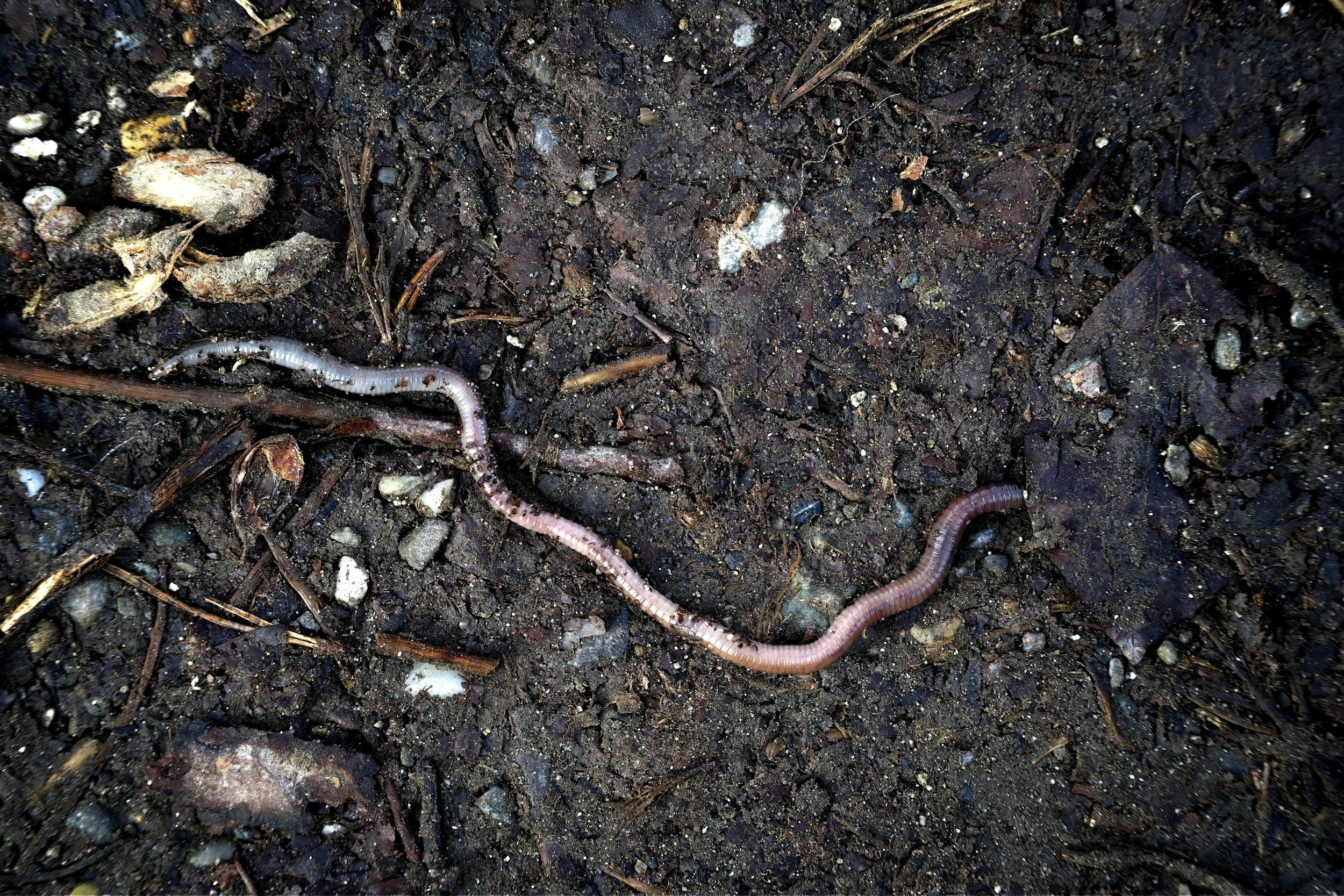
Look beyond the pasture leaves and consider what is happening below the ground. Healthy roots, good soil structure, earthworm activity, organic matter and biological nutrient cycling all contribute to a functioning pasture system, while diverse species can provide additional tools where farmers are trying to improve seasonal resilience or make better use of different parts of the soil profile.
However, diversity should always have a purpose. Choose species because they solve a particular problem or contribute something useful, then manage them carefully enough to allow them to do their job. A healthy pasture is not necessarily the one with the most species; it is the one where plants, soil, cows and management are working together to produce useful feed while maintaining the productive capacity of the land.
Tomorrow, we turn our attention to the plants nobody invited to the paddock in day six: Weed identification and integrated control. We will look at some of the more persistent pasture weeds, including dock, thistles, buttercup and gorse, and consider why an integrated approach can be more effective than relying on one control method alone.
See you tomorrow for day six: Weed identification and integrated control.