Decoding soil health and fertility
This is day four of our seven-day series on pasture agronomy, soil health and weed management, and today we are heading below the surface to look at the foundation supporting every productive pasture.
It is easy to judge a paddock by what we can see. We look at the colour of the grass, the density of the sward, the amount of clover, the presence of weeds and how quickly the pasture recovers after grazing. These observations are all valuable, but they only tell us part of the story. Underneath that pasture is a living soil system that is responsible for supporting the plants above it, storing and supplying water, holding nutrients and providing the environment for roots and soil organisms to function.
When that system is working well, pasture plants have a much better opportunity to grow strongly and consistently. When something is going wrong below the surface, the first signs may eventually appear above ground as poor growth, declining pasture persistence, bare patches or changes in pasture composition. The challenge is recognising what the pasture is telling us and then working out whether the answer lies in fertility, soil structure, moisture, compaction or a combination of factors.
Soil is more than dirt
It is easy to think of soil simply as the material that holds a plant upright, but agricultural soil is far more complicated than that. It is a combination of mineral particles, organic matter, air, water, roots and biological activity, all interacting with one another.
The balance between these components matters. Plant roots require both moisture and oxygen, while soil needs enough structure to allow roots to penetrate and water to move through the profile. Nutrients need to be present in forms that plants can access, and soil organisms contribute to the processes that break down organic material and cycle nutrients.
This means a soil can contain what appears to be an adequate supply of nutrients on a test result and still fail to produce the pasture growth expected from it if roots are restricted by compaction, poor drainage or other physical limitations. Soil fertility and soil health are closely connected, but they are not the same thing. Fertility is largely concerned with the nutrients available to plants, while soil health is a much broader measure of how effectively the soil functions as a living system.
Start with a soil test
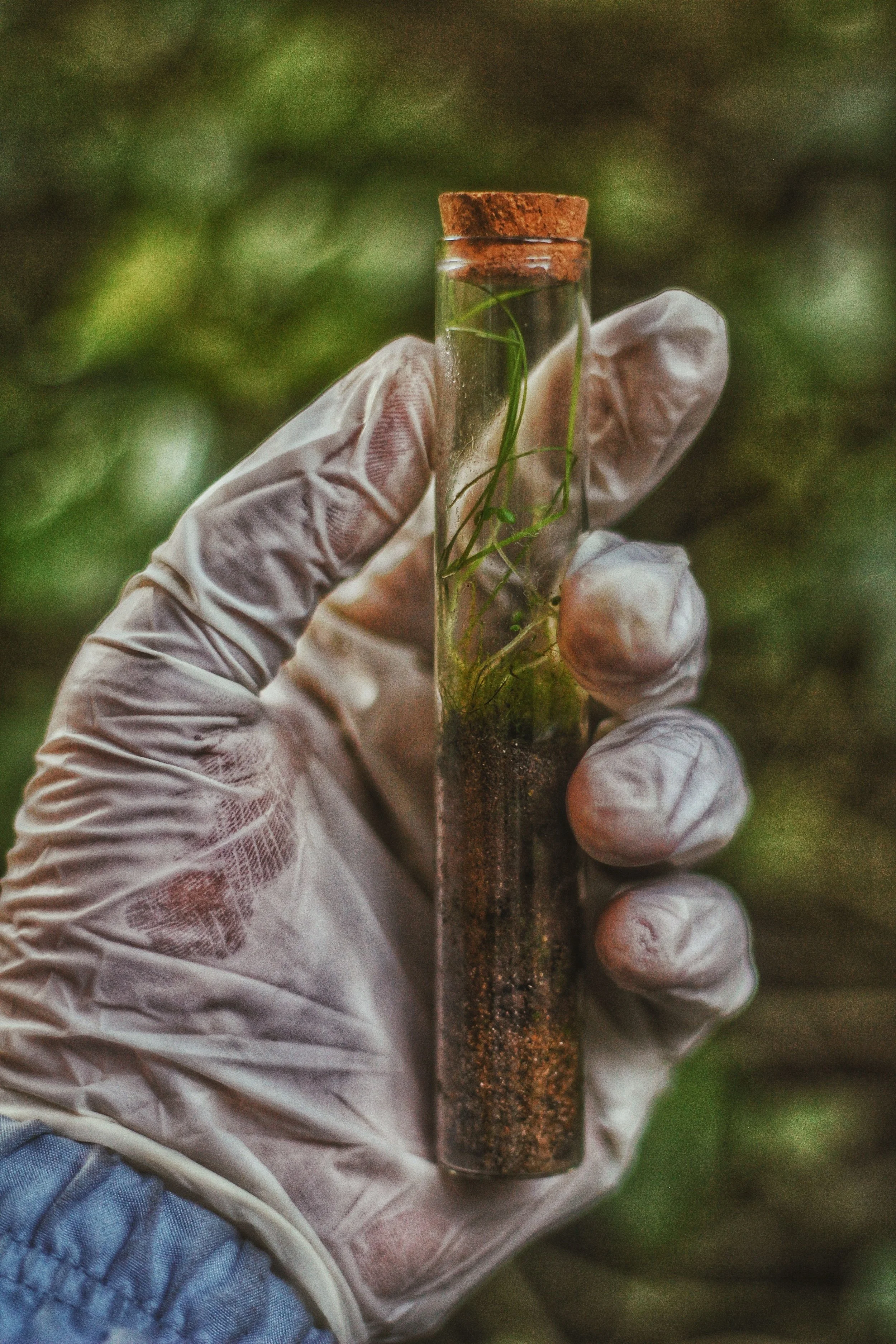
A properly collected soil test remains one of the most useful tools available to a dairy farmer. It provides information that cannot be reliably determined simply by looking across a paddock and can help identify nutrient levels and other chemical characteristics that influence pasture growth.
The important part is not simply taking the sample and receiving the results. The value comes from understanding what those results mean for the particular farm, soil type and pasture system.
A number on a soil-test report should prompt a question rather than automatically trigger an application of fertiliser. If a nutrient is below the appropriate level, there may be a good reason to correct it. If it is already adequate, increasing it further may provide little additional benefit. Soil testing is therefore about making informed decisions rather than following a standard recipe.
What does pH tell you?
Soil pH is one of the key measurements farmers will see on a soil test, and it provides an indication of how acidic or alkaline the soil is. This matters because pH influences the availability of several nutrients and the conditions in which plant roots and soil organisms operate.
Where soil becomes too acidic, the availability of some nutrients can be affected and other elements can become more problematic. Correcting soil acidity can therefore improve the environment in which pasture plants are expected to grow.
Lime can play an important role where soil acidity needs correcting, but it should not be regarded as a universal solution for poor pasture performance. The appropriate rate depends on the soil, the measured pH, the material being applied and the desired outcome. Testing the soil before making a significant lime application is a much more sensible approach than simply applying it because a paddock appears to be struggling.
Understanding Olsen P
For many New Zealand dairy farmers, Olsen phosphorus is a familiar number. Phosphorus is essential for plant growth and is particularly important for processes associated with root development and energy transfer within the plant.
An Olsen P result provides an indication of plant-available phosphorus in the soil and can be considered alongside other information when making fertiliser decisions. The important point is that the target should be appropriate for the particular soil, pasture and farming system.
More phosphorus is not automatically better. Once pasture requirements are adequately supplied, increasing soil phosphorus further does not necessarily translate into a proportional increase in pasture production. Maintaining appropriate fertility is therefore about finding the level that supports productive pasture without spending money on nutrients the paddock does not need.
Nitrogen needs a bigger conversation
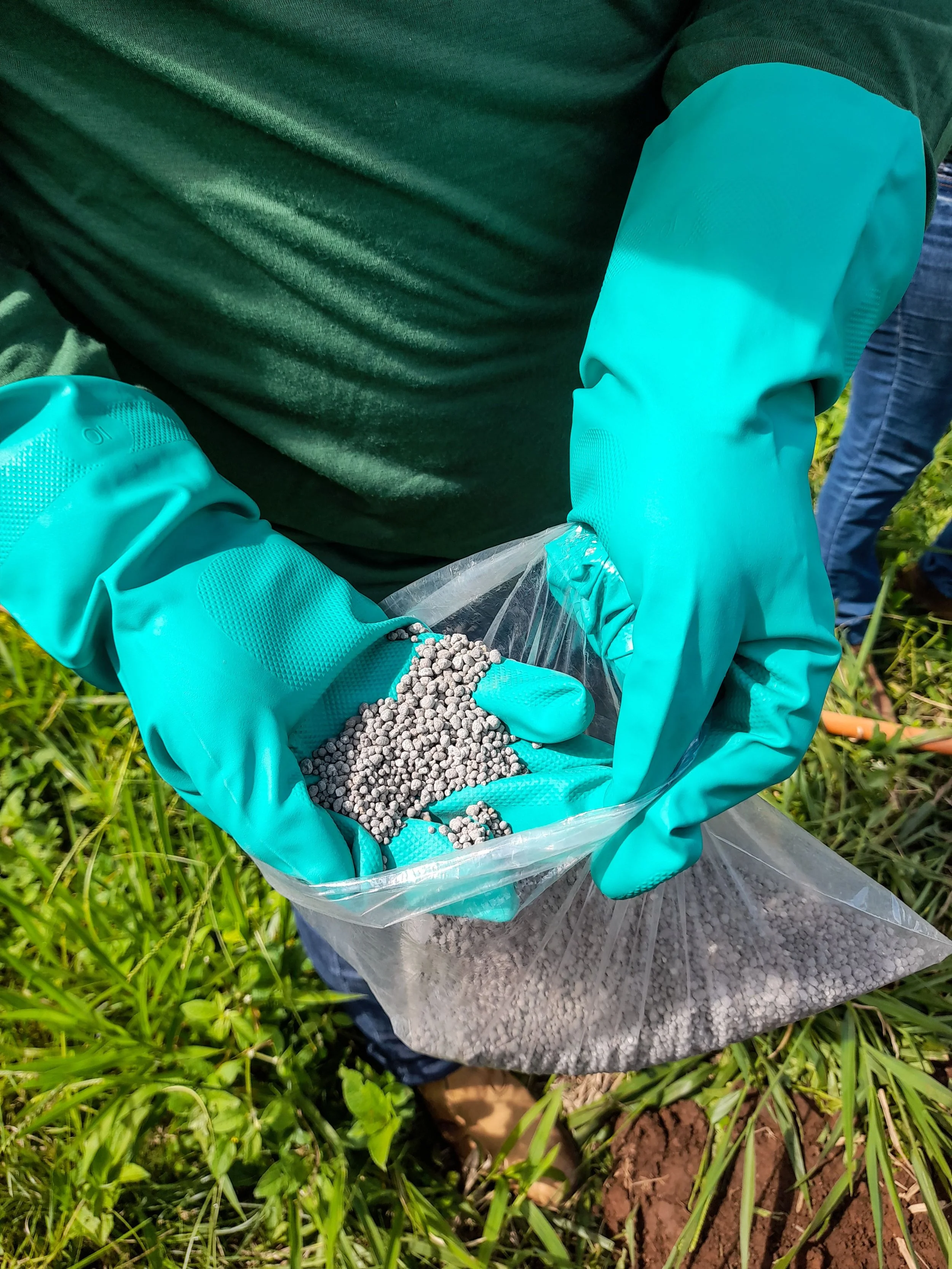
Nitrogen is a major driver of pasture growth and an important part of many dairy farming systems, but nitrogen management is considerably more complicated than simply deciding how much fertiliser to apply.
The pasture itself is continually cycling nitrogen. Cows consume plants and return nutrients to the soil through dung and urine, plants take up available nitrogen, and soil organisms contribute to the processes that make nutrients available. White clover also has an important role because of its ability to biologically fix nitrogen.
This means the nitrogen story on a dairy farm extends well beyond the fertiliser spreader. The challenge is to understand what the pasture requires, what the soil and plants can supply naturally, and when additional nitrogen is likely to provide a worthwhile response.
Look beneath the soil test
Chemical fertility is only one part of the soil story. A laboratory soil test can tell you a great deal about nutrient levels, but it cannot necessarily tell you everything about the physical condition of the soil.
Sometimes the best diagnostic tool is a spade.
Digging a small soil pit can reveal whether roots are penetrating freely or stopping at a compacted layer. It can show whether the soil is well structured and crumbly or dense and difficult to break apart. It can reveal the depth of the root system, the presence of earthworms and how moisture is moving through the soil profile.
These observations can be particularly useful when a paddock is not performing as expected despite apparently adequate fertility. If the roots cannot explore the soil properly, adding more nutrients may not address the underlying problem.
Compaction is an invisible yield thief
Compaction deserves particular attention on dairy farms because soils can be exposed to considerable traffic from both cows and machinery. The risk becomes greater when the soil is wet and unable to withstand the pressure placed upon it.
When soil becomes compacted, the spaces between soil particles can be reduced. This can restrict air movement, water infiltration and root growth. Water may sit closer to the surface because it cannot move through the soil profile as freely, while roots may struggle to penetrate deeper into the paddock.
The symptoms are not always dramatic. A compacted paddock may simply appear to recover more slowly, produce less pasture or become increasingly vulnerable during dry conditions. Comparing a struggling paddock with a nearby paddock that is performing well can sometimes provide useful clues, particularly when combined with actually digging into the soil.
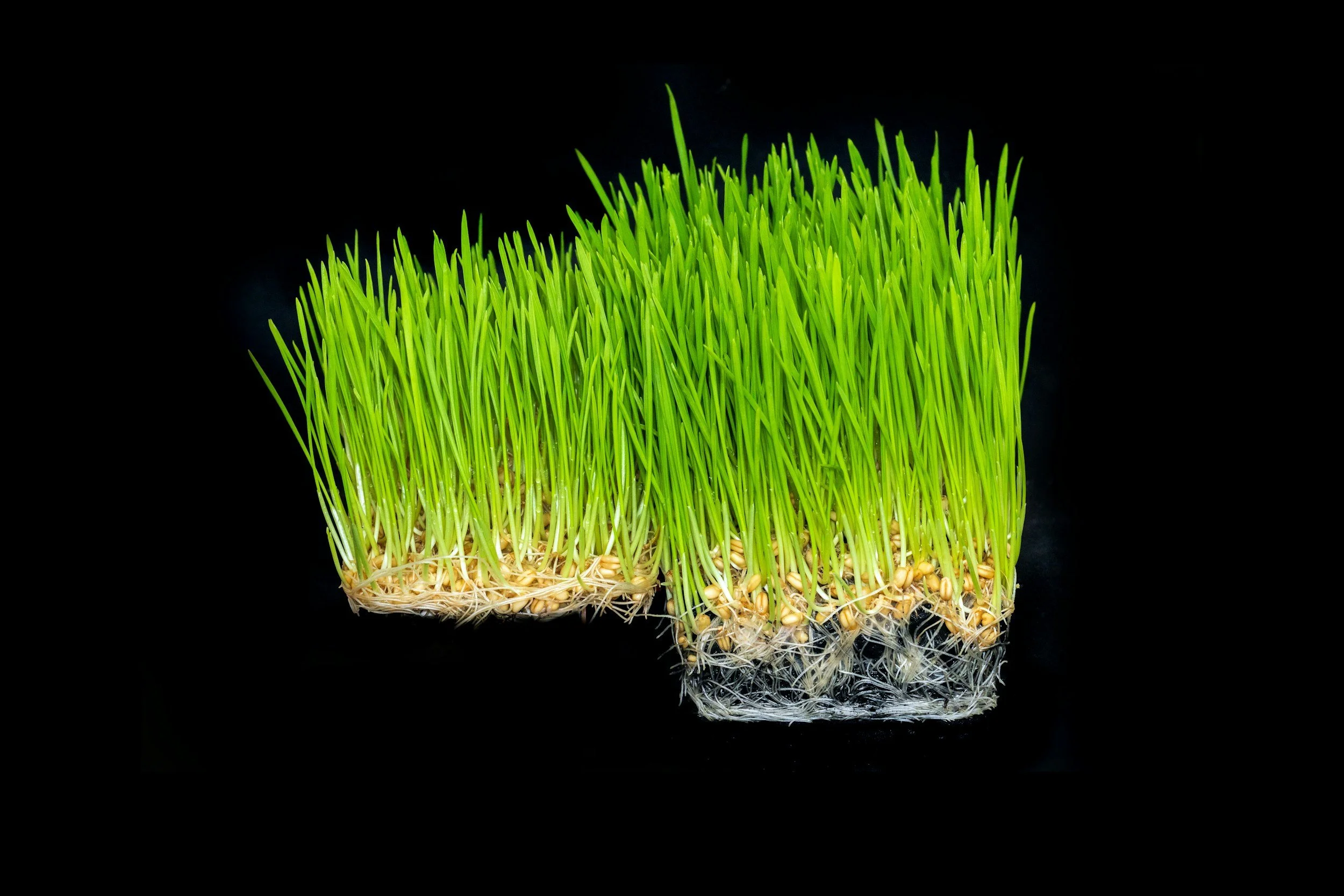
Roots tell you plenty
Farmers spend a great deal of time looking at the leaves above ground, but occasionally looking below ground can provide an entirely different perspective.
A healthy pasture with a strong root system can make better use of the soil profile. Deeper roots may be able to access moisture and nutrients that shallow roots cannot reach as effectively, which can become particularly important when rainfall is limited.
Root development is influenced by species, soil structure, fertility, moisture and grazing management. If roots repeatedly encounter a dense compacted layer, their ability to explore the soil can be restricted.
This is another reason why pasture renewal should not simply be viewed as replacing the plants. If an underlying soil problem remains unresolved, the new pasture may eventually run into exactly the same limitation as the old one.
Organic matter is part of the system
Organic matter is another important component of a functioning soil. Plant residues, dead roots, dung and other organic material all contribute to the pool of organic material within the soil.
This material can influence soil structure, water-holding capacity and biological activity. Pasture systems naturally contribute organic matter through continual root growth and turnover, but that does not mean soil organic matter will automatically increase simply because a paddock is in pasture.
Management still matters. Maintaining a healthy pasture cover, encouraging strong root systems and avoiding unnecessary soil disturbance can all contribute to maintaining the biological activity and structure that help soil function effectively.
It is also worth remembering that organic matter is not something that works in isolation. It is part of the broader soil system, interacting with minerals, water, air, plant roots and soil organisms. A soil with good biological activity and structure is better positioned to support the pasture growing above it.
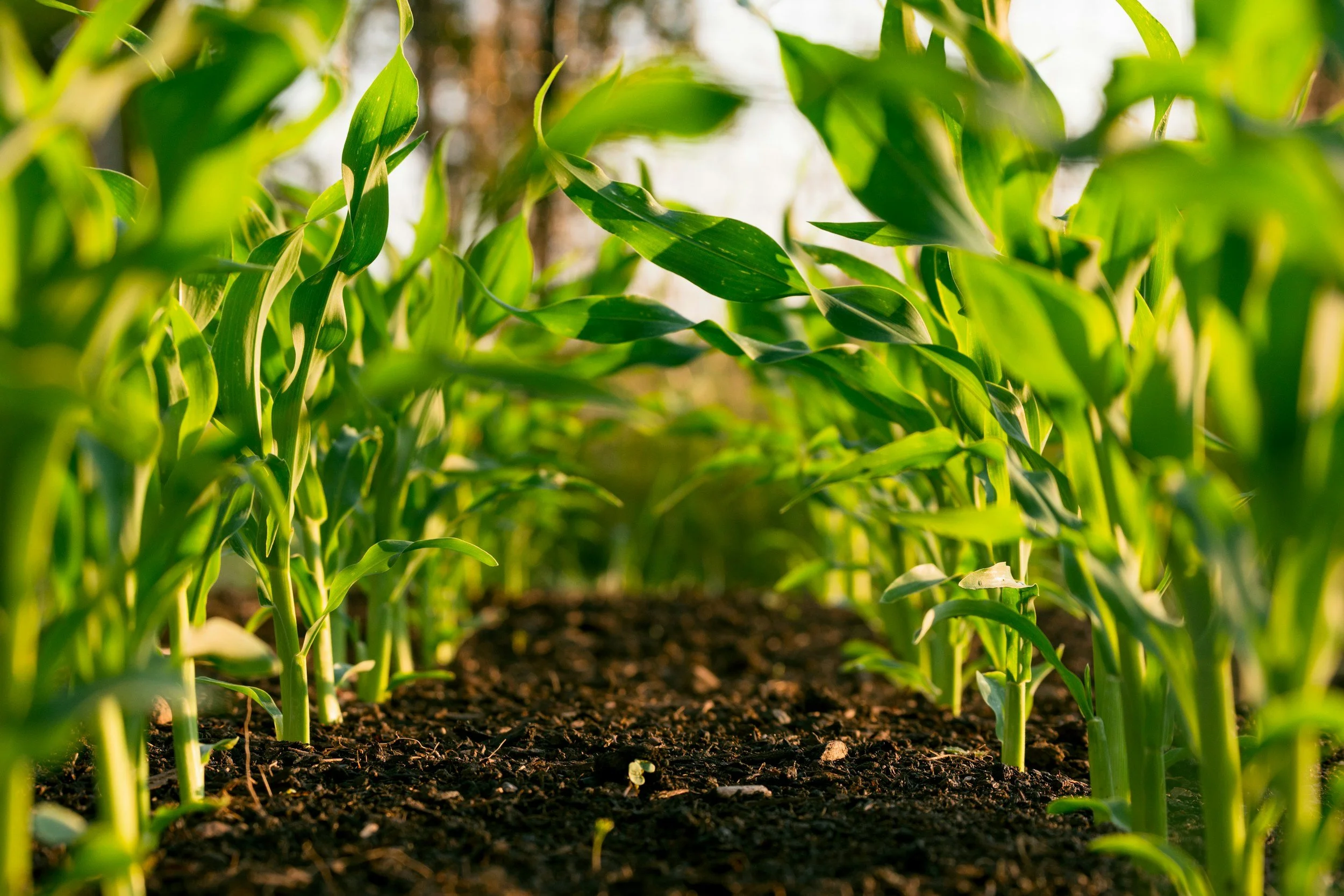
Water needs somewhere to go
Water is essential for pasture growth, but too much water sitting in the wrong place can be just as problematic as not having enough.
Good soil structure allows rainfall to infiltrate and move through the soil profile while retaining enough moisture for plants to access between rainfall events. Where soil is compacted, poorly structured or naturally prone to drainage problems, water may remain close to the surface for longer than desirable.
Wet soils can also become more vulnerable to pugging from cows and compaction from machinery. Once soil structure has been damaged, pasture recovery can become more difficult, particularly if the same conditions continue to occur.
Looking at how water behaves after rainfall can therefore provide another useful clue. Does water disappear reasonably quickly, or does it sit on the surface? Does the paddock remain wet long after surrounding areas have dried? Are there particular areas that repeatedly struggle?
These observations, combined with soil testing and digging into the profile, can help build a much clearer picture of what is happening below ground.
Healthy soil supports healthy pasture
There is no single measurement that can tell you everything about soil health. A soil test, visual assessment, spade inspection, knowledge of the soil type and an understanding of the paddock's history all contribute pieces to the puzzle.
The most useful approach is to consider the soil as a functioning system rather than simply a place to apply fertiliser.
When soil has the right balance of nutrients, moisture, air, organic matter and biological activity, pasture roots have the opportunity to explore the soil and plants can make better use of the resources available to them. When one part of the system is limiting growth, simply adding more of something else may not solve the problem.
That is why looking below the surface can be so valuable. The pasture is constantly giving us clues, but sometimes the answer is sitting a few centimetres below our boots.
A healthy paddock starts with healthy soil, and understanding what is happening beneath the pasture is an important part of making better decisions above it.
Tomorrow we move from soil to the weeds competing within the pasture, looking at why weeds appear, what they may be telling us about the paddock and why successful weed management starts with understanding the conditions that allowed them to establish in the first place.