Optimising silage quality
Welcome to Day 1 of our seven-day series looking at feed and nutrition management, along with the herd health and reproduction decisions that can have a direct impact on the performance of a dairy herd. Over the next seven days, we will look at everything from making better silage and managing transition cows through to heat detection, lameness, breeding decisions and seasonal mastitis risks.
We are starting with something that can look deceptively simple: silage. Good silage is not simply grass or another forage crop that has been cut, wrapped or stacked and stored until it is needed. The way it is grown, harvested, wilted, conserved and stored can have a major influence on what eventually ends up in front of the cows.
For a dairy farmer, that matters because the feed going into the paddock or feed bin is only part of the story. What matters is how much useful nutrition the cow actually receives from it.
It starts before the mower arrives
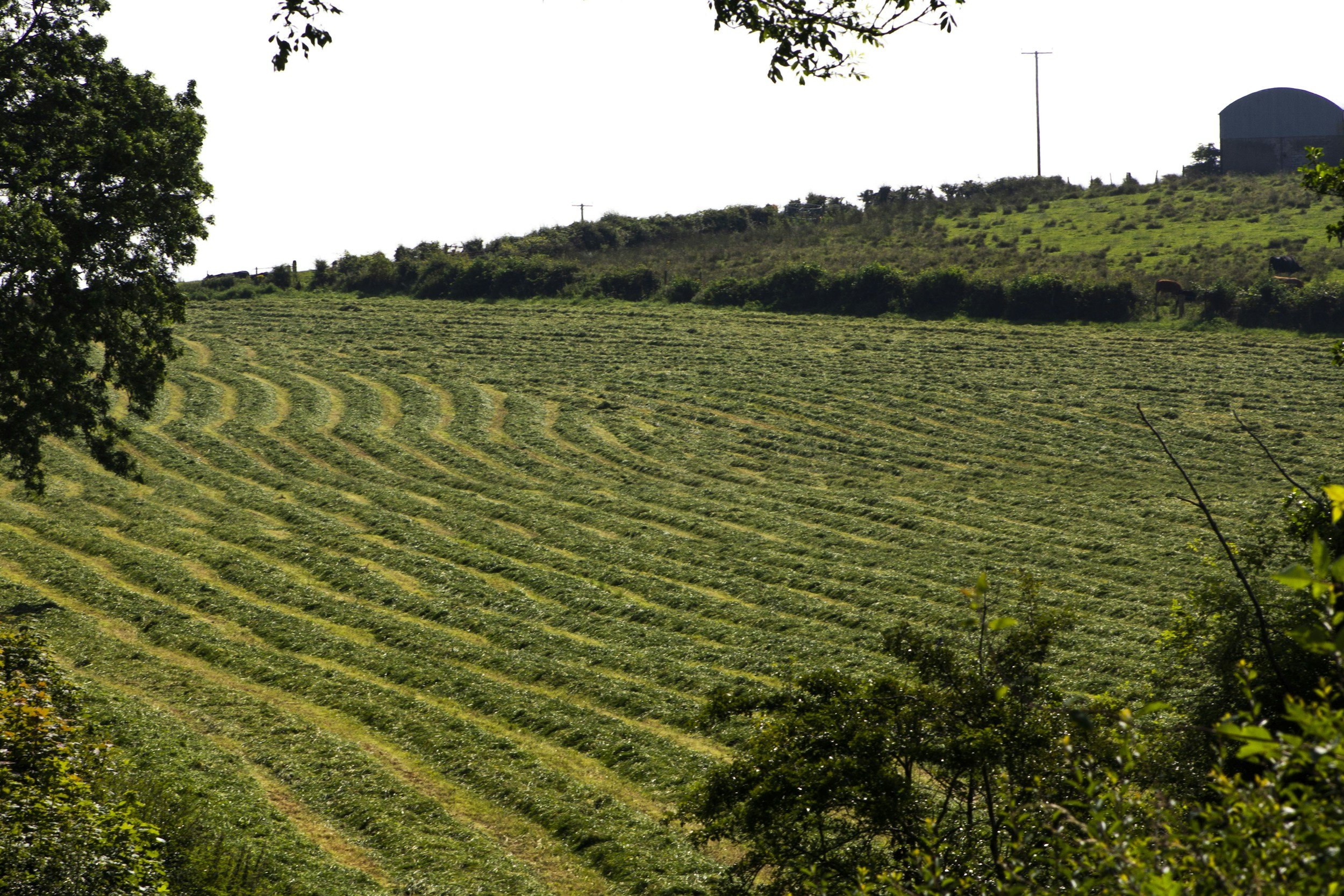
Silage quality is largely determined before the crop is ever cut. The quality of the pasture or forage crop, its stage of growth, fertiliser management, weather conditions and the amount of leaf present at harvest all influence the final feed.
Cutting at the right stage is a balancing act. Leave a crop too long and yield may increase, but the nutritional value and digestibility can decline. Cut too early and the feed may be highly nutritious, but there may not be enough dry matter to justify the harvesting cost and the crop can be more difficult to conserve properly.
This is where knowing your own farm becomes important. There is no magic calendar date that guarantees perfect silage. Weather, soil conditions, pasture growth and the intended use of the feed all need to be considered.
“Good silage starts with good decisions in the paddock. You cannot completely fix poor-quality forage once it has been harvested.”
Dry matter matters
One of the most important considerations when making silage is dry matter. Too wet and the forage can become difficult to preserve, with excessive effluent, undesirable fermentation and a greater risk of nutrient loss. Too dry and it can be difficult to consolidate properly, leaving pockets of air that increase the risk of heating, mould and spoilage.
The target will vary depending on the type of silage and the method being used, but the principle remains the same: the crop needs to be harvested and conserved at a moisture level that allows a stable fermentation and good storage.
For farmers making silage themselves, this is one area where experience is valuable, but testing can provide a much more reliable picture than simply squeezing a handful of grass and making a judgement.
A crop can look ready from the tractor seat and still contain more moisture than expected. Conversely, a warm, windy day can change the dry matter considerably during the harvesting window.
Harvest timing can make a difference
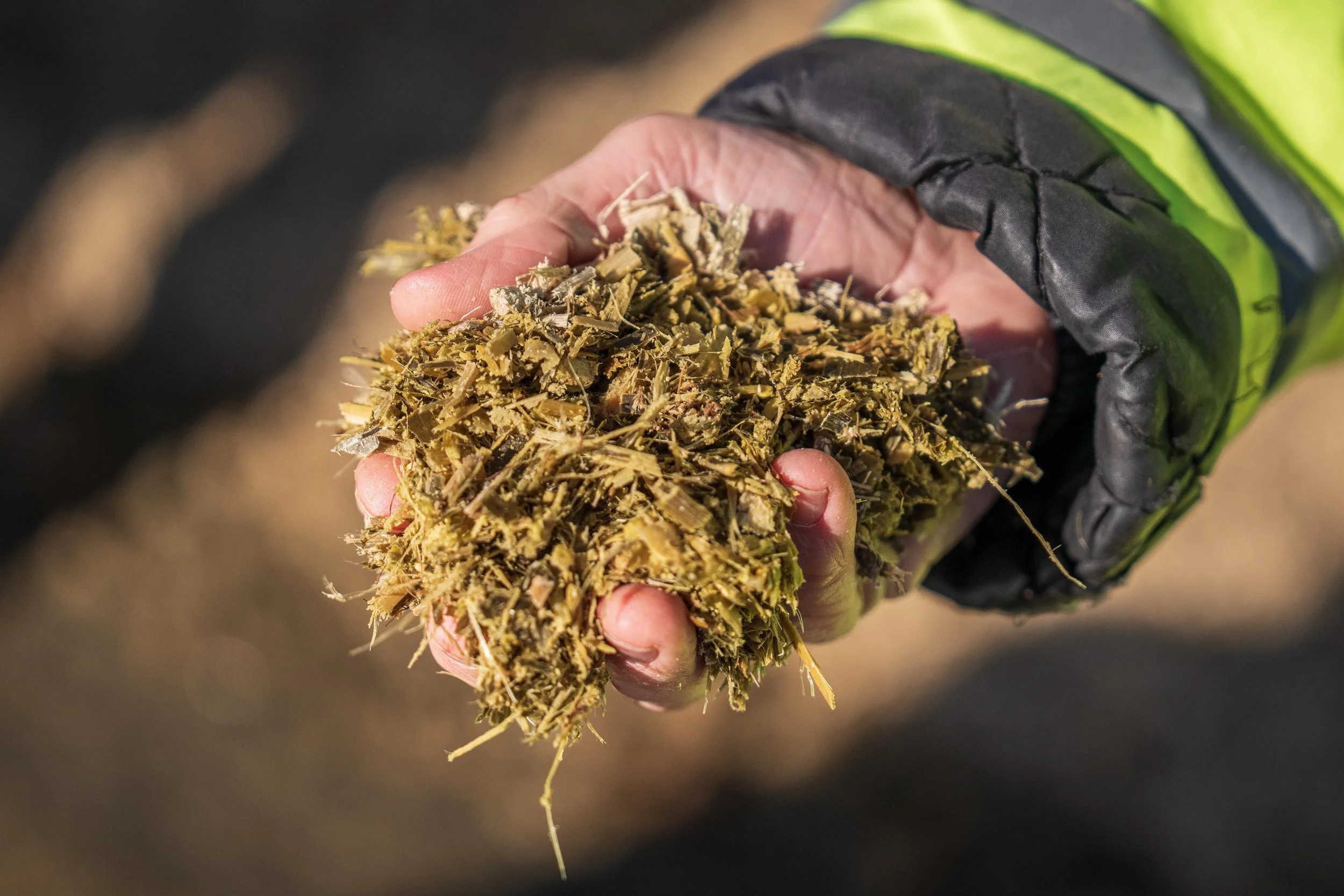
Getting the crop into the pit, stack or bale at the right stage is another part of producing good silage. Delays caused by weather are sometimes unavoidable, but unnecessary delays can allow the crop to become over-mature or lose valuable leaves.
There is also a practical balance between waiting for perfect conditions and getting the job done. Dairy farmers are often working within narrow weather windows, and sometimes the decision is not between perfect silage and average silage. It is between harvesting a crop when conditions are suitable or risking a much longer wait for another opportunity.
The important thing is to have a plan before the crop is ready. Machinery, contractors, storage areas and the required workforce all need to be organised so that once the weather window opens, the job can move quickly.
Getting the air out
Once forage is harvested, oxygen becomes the enemy. Good compaction is essential because removing as much air as possible helps create the anaerobic conditions required for the fermentation process.
This is particularly important with pit and stack silage. The way the silage is delivered, spread and compacted can influence the density achieved. Thick layers can be difficult to compact effectively, while a consistent, methodical approach gives the tractor a better chance of removing air throughout the stack.
It is tempting to focus heavily on the harvesting operation itself, but the work done after the grass leaves the paddock is just as important. A beautifully harvested crop can still become disappointing feed if it is poorly compacted or inadequately sealed.
Sealing is not an afterthought
Once the silage has been compacted, it needs to be sealed quickly and effectively. The objective is simple: keep oxygen and water out and preserve the feed underneath.
Small holes, damaged plastic and poorly sealed edges can create entry points for air and moisture. Once deterioration begins, the problem can spread beyond the original damaged area.
This is why checking the covering regularly is worthwhile. Birds, rodents, machinery and even weather can damage plastic after the stack has been covered. A small repair made promptly is very different from discovering a large area of spoiled silage months later.
For wrapped bales, storage conditions also matter. Damage to the plastic can allow air into the bale and compromise the feed inside. Handling bales carefully and checking them during storage can prevent a relatively small problem becoming a significant feed loss.
Spoilage costs more than feed
Spoiled silage is not simply a waste of the grass that was harvested. There is a cost attached to growing the crop, fertilising it, cutting it, harvesting it, transporting it and storing it.
Every kilogram of silage that cannot be fed represents more than lost forage. It represents lost nutrients and the cost of replacing those nutrients with other feed.
There can also be a less obvious cost. If cows are presented with inconsistent-quality silage, the ration being offered may not be as predictable as the farmer expects. One section of a stack might be excellent, while another may be heating or containing more spoilage.
That can make ration management more difficult and may mean the feed analysis being used no longer accurately represents what cows are actually eating.
Know what is in the stack
Good silage management does not finish when the plastic goes on. Testing the finished feed can provide valuable information about its dry matter, energy, protein and fermentation characteristics.
The value of testing is not simply knowing whether the silage is labelled 'good' or 'bad'. It gives the farmer information that can be used when deciding how that feed fits into the overall diet.
A high-quality silage may be capable of supplying a significant proportion of the herd's requirements. Another crop may need to be balanced with other feeds because of its nutritional characteristics.
This becomes particularly important when feeding different groups of cows. Freshly calved cows, high-producing cows, later-lactation cows and young stock do not necessarily have the same nutritional requirements, so the same silage may not be equally valuable in every situation.
Think beyond the feed face
When silage is being fed, management at the feed face can make a difference too. Keeping the exposed face tidy and moving through the stack at an appropriate rate helps reduce exposure to air.
The aim is to present cows with fresh, stable feed rather than allowing the exposed surface to sit open for longer than necessary. Warm weather can make this even more important because deterioration can happen surprisingly quickly.
Feed that has heated, moulded or changed in smell and appearance should not simply be mixed into the ration in the hope that cows will eat around it. The cost of wasting a portion of the feed needs to be weighed against the potential consequences of feeding poor-quality material.
The real measure of good silage
Ultimately, the success of a silage-making operation is not measured by how impressive the stack looks when the plastic goes on. It is measured months later when cows are eating it.
Good silage should provide consistent, useful nutrition and minimise waste from harvesting through to feeding. It should also give the farmer confidence that the forage component of the ration is reasonably predictable.
For dairy farms where feed costs represent a significant part of the annual budget, that consistency matters. Making the most of forage already grown on the farm can be one of the simplest ways to improve the efficiency of the overall feeding system.
The best silage is not necessarily made by the farm with the newest machinery or the biggest stack. It comes from paying attention to the fundamentals: growing a suitable crop, harvesting at the right stage, achieving the appropriate dry matter, compacting thoroughly, sealing properly and managing the feed carefully once it is opened.
Silage quality is determined by a chain of decisions rather than one particular part of the harvesting process. Start with the crop, watch the weather and dry matter, and have the harvesting operation organised so that the right decision can be made when conditions are favourable.
Once harvested, focus on rapid and effective conservation. Good compaction, reliable sealing and careful storage all help protect the nutritional value that was present when the crop came out of the paddock.
And once the silage is being fed, treat it as a valuable feed rather than something that simply happens to be available. Test it, understand its nutritional contribution, monitor its quality and keep an eye on waste.
Because when the silage stack represents months of growing, harvesting and storing feed, there is plenty of value worth protecting.
Tomorrow, Day 2 of our seven-day series will look at the protein puzzle