Happy cows, better milking
There is a lot more to a good milking than getting cows into the shed, attaching the cups and getting them back out again. The cow’s experience along the way can have a surprising influence on how smoothly the whole process runs. A calm cow is generally easier to move, easier to milk and easier to manage, while cows that are comfortable with their surroundings and familiar with the routine tend to move through the dairy in a more predictable way.
Cow comfort, good stock handling, sensible dairy design and a calm milking routine all contribute to creating an environment where cows can do what they are there to do. They walk into the dairy, settle into position, milk and leave again without unnecessary stress or disruption. For dairy farmers looking to improve milking efficiency, it is worth looking beyond the milking machine itself, because sometimes the biggest opportunities are found before the cups ever touch the cow.
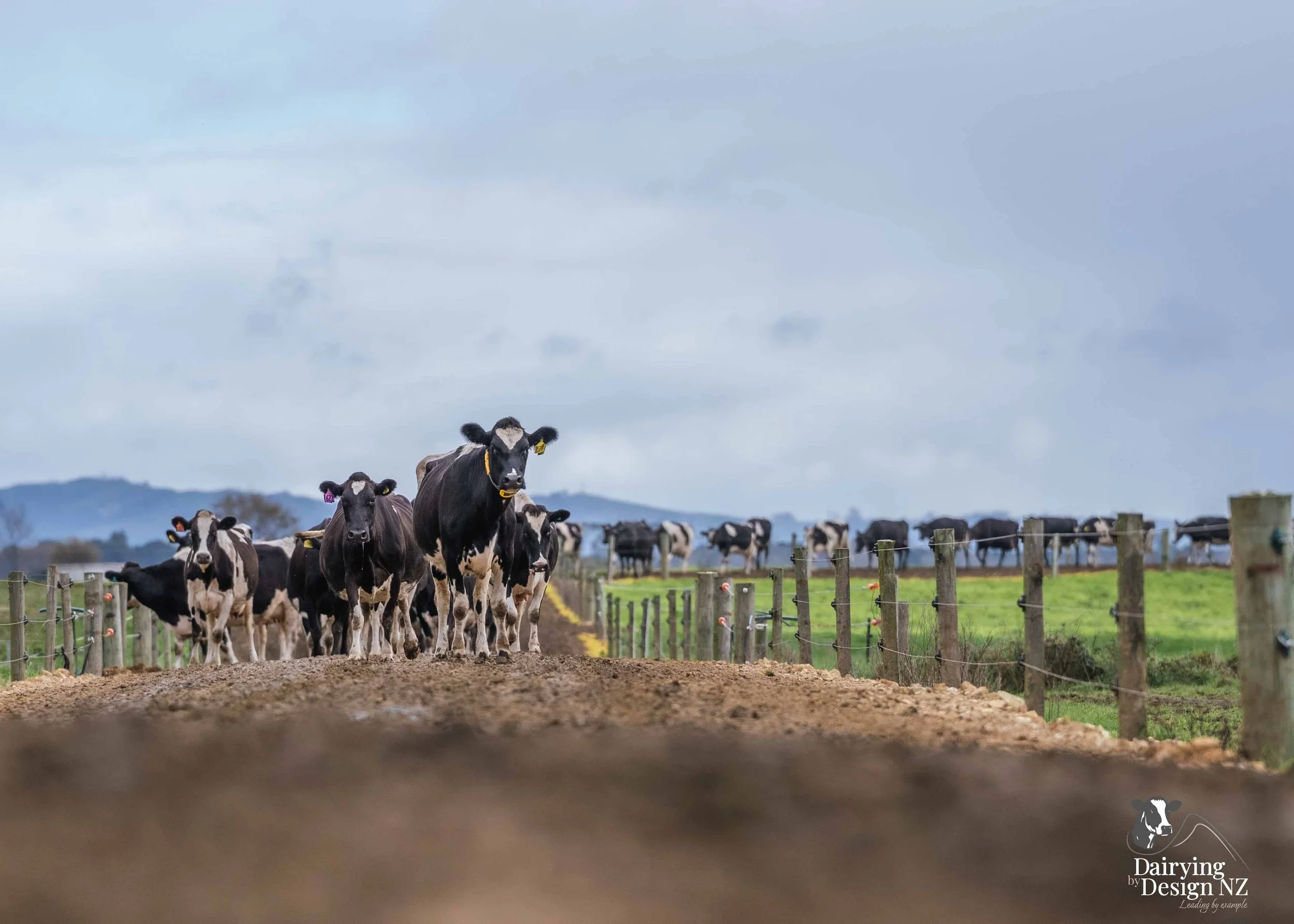
Photo by Ella Pirie Photography
Comfort starts before the shed
The milking experience begins well before a cow reaches the yard. The walk from the paddock, the condition of the track, the weather, the time spent waiting and the way the herd is brought into the dairy can all influence how settled the cows are when they arrive. Cows are creatures of habit and quickly learn routines, becoming familiar with the sequence of events surrounding milking. When that routine is consistent, they know what to expect and generally move with greater confidence.
On the other hand, rushing, shouting, dogs pushing too hard, slippery surfaces, bottlenecks or long delays can turn a normally straightforward job into a stressful experience. Good cow flow is therefore about much more than getting the maximum number of cows through the gates. It is about allowing cows to move at a steady pace without unnecessary pressure and giving them a clear route into the dairy.
A well-designed approach to the dairy should make it easy for cows to see where they are going and follow the herd ahead. Sudden changes in footing, shadows, glare, unfamiliar objects or people standing in the wrong position can cause cattle to hesitate or stop. When these interruptions happen repeatedly, they can affect the rhythm of the entire milking.
Calm handling makes a difference
Good stockmanship remains one of the simplest and most valuable tools available on a dairy farm. Cows respond to the way they are handled, and their previous experiences can influence how they behave in future situations. A cow that has regularly experienced rough or frightening handling may become more reactive, while calm and consistent handling helps create a more predictable routine.
That does not mean cows should never be encouraged to move. It means understanding how much pressure is actually required and recognising when enough is enough. A herd that is continually pushed, shouted at or hurried may arrive at the dairy already agitated. Once cows become excited, it can take considerably longer to settle them, creating more restless animals in the yard and more work for the milking team.
Quiet movement is often more effective than constant pressure. The best stock handlers can sometimes appear to be doing very little because they understand where to stand, when to apply pressure and, just as importantly, when to step back and allow the cows to move forward themselves.
The milking environment matters
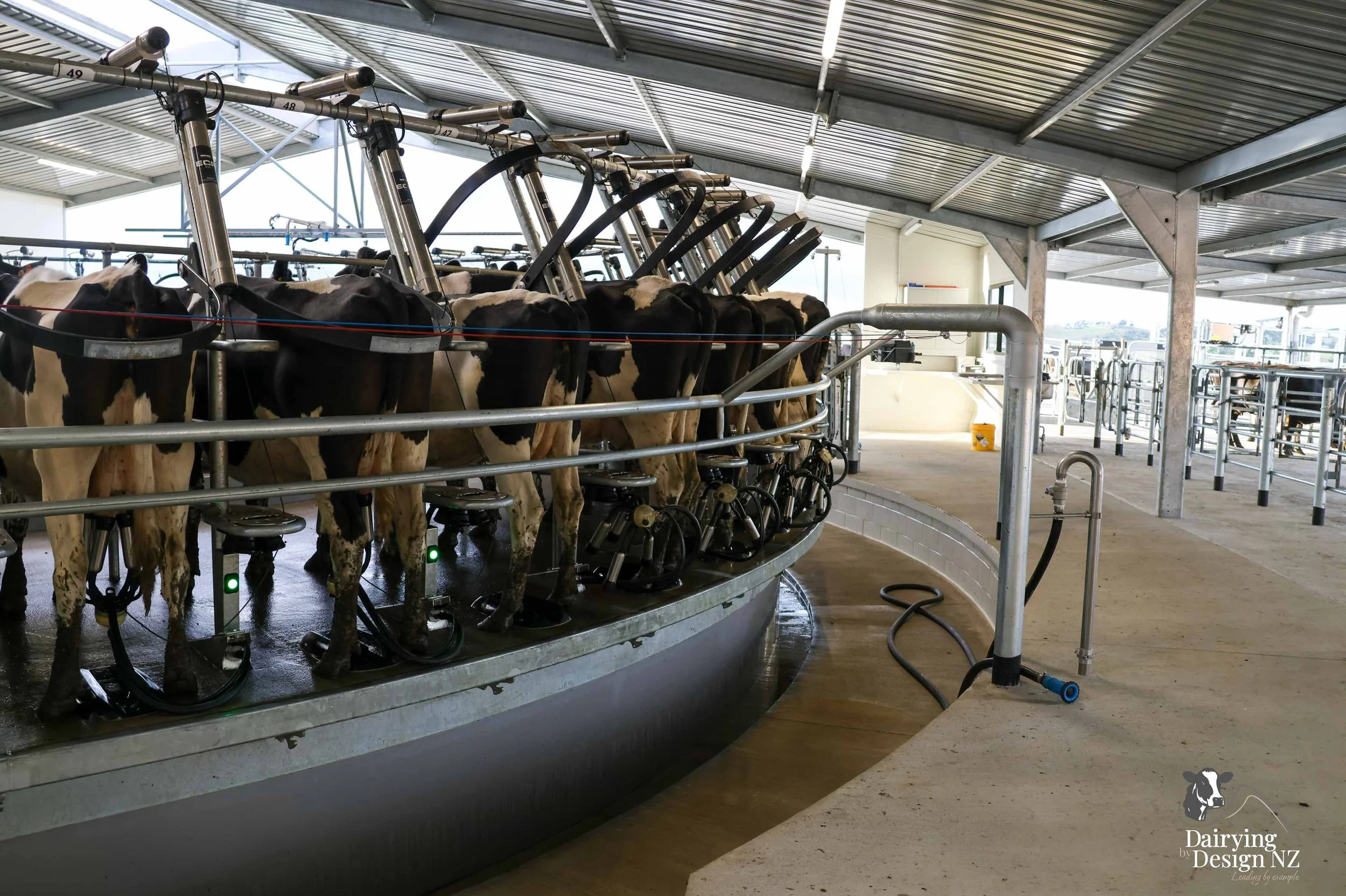
Photo by Dianna Malcolm
Once cows enter the dairy, the physical environment becomes particularly important. Lighting, noise, footing, ventilation, temperature and the general layout of the milking area can all influence how comfortable cows are during milking. A dairy does not have to be completely silent, but unnecessary noise should be avoided. Loud banging, shouting and sudden movements can unsettle cattle, particularly when they happen repeatedly throughout the milking.
Footing is another important consideration. Cows need confidence in the surface beneath them, particularly when they are moving in a group or turning in confined spaces. Slippery concrete, standing water or areas where cows regularly hesitate can interfere with smooth movement and may increase the risk of slipping.
The environment around the dairy also needs to work with the cow rather than against her. Cattle can be reluctant to move through areas where they encounter sudden shadows, dramatic changes in flooring or confusing visual distractions. Good yard and dairy design can remove many of these obstacles and encourage natural forward movement.
Heat and weather can change the picture
New Zealand dairy farmers know that weather can have a significant effect on the milking routine. On hot days, cows may be less willing to stand around waiting, particularly when temperatures are high and there is little air movement. Heat can also make long periods of standing and walking more demanding.
This is where practical attention to shade, ventilation, water access and waiting times can become important parts of cow comfort. The same principle applies in wet or cold conditions, when poorly drained areas, exposed yards and uncomfortable standing conditions can make the trip to and through the dairy less pleasant.
Cow comfort does not necessarily mean undertaking an expensive infrastructure project. Sometimes it simply means looking critically at what cows experience during an ordinary milking and identifying the small frustrations that have become so familiar that nobody notices them anymore.
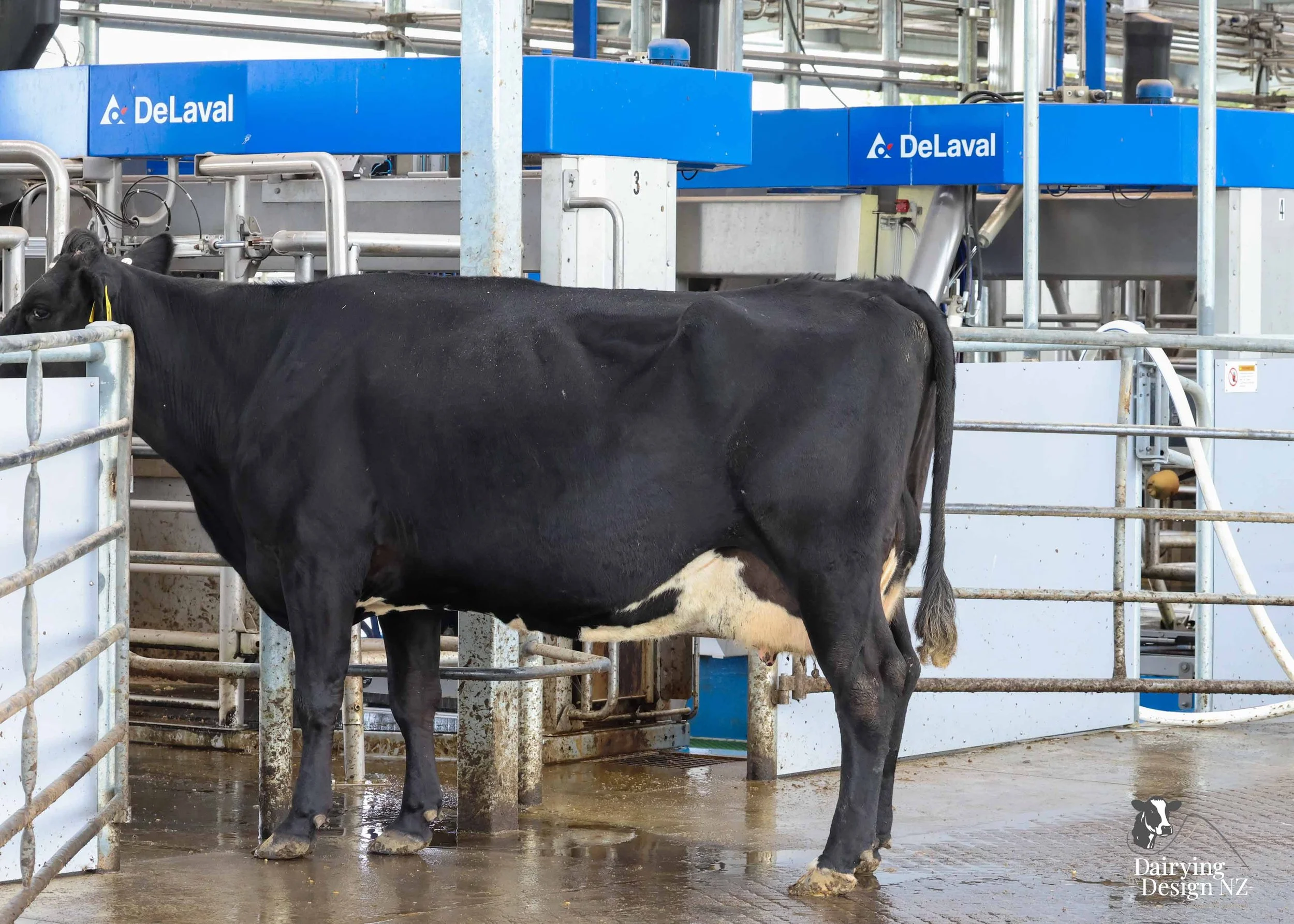
Photo by Dianna Malcolm
Good cow flow saves more than time
Cow flow is one of those phrases that can sound like dairy jargon until you spend a morning watching cows move through a dairy. When cow flow is good, the herd appears almost to move itself. Cows enter, settle into position, milk and leave without constant intervention, allowing the milking team to maintain a steady rhythm.
When cow flow is poor, everything becomes harder. Cows stop and need encouragement to move forward. Another cow may turn around, the backing gate comes forward, someone calls out and suddenly the herd is bunching up. The milking routine slows and the people working in the dairy become increasingly busy trying to solve problems that may actually be caused by the environment.
Over an individual milking, these delays might seem insignificant. Across hundreds of milkings, however, small interruptions can add up to a considerable amount of time and frustration. Good dairy design should support the natural movement of cattle rather than constantly requiring people to intervene.
Cows are social animals and generally move better when they can see other cattle moving ahead of them. They also learn familiar routes quickly, which is another reason consistency in the milking routine is so valuable. If the same gates are used, the same paths are followed and the same general sequence happens every day, cows soon understand what comes next.
“When cows are comfortable, calm and confident in their surroundings, the whole milking routine becomes easier for the cow, the farmer and the people working in the dairy.”
The cow herself is part of the equation
Not every cow will respond to the dairy in exactly the same way. Some cows are naturally calm and easy to handle, while others are more reactive or sensitive to changes in their environment. Age, previous experiences, temperament and physical comfort can all influence how an individual animal behaves.
This is why observation remains such an important part of dairy farming. A cow that suddenly becomes difficult to bring into the shed, restless during milking or reluctant to move may be telling you something. It could be the environment, the routine or the cow herself.
Pain, lameness or other physical discomfort can change behaviour considerably. A cow that is uncomfortable on her feet, for example, may be much less willing to move quickly through a yard or stand for long periods on concrete. A cow that behaves differently from the rest of the herd deserves attention rather than simply being labelled as difficult.
Good cow management therefore involves looking at behaviour alongside production, physical condition and the circumstances in which the behaviour occurs. Sometimes the cow is not being awkward at all. She may simply be responding to something that is making her uncomfortable.
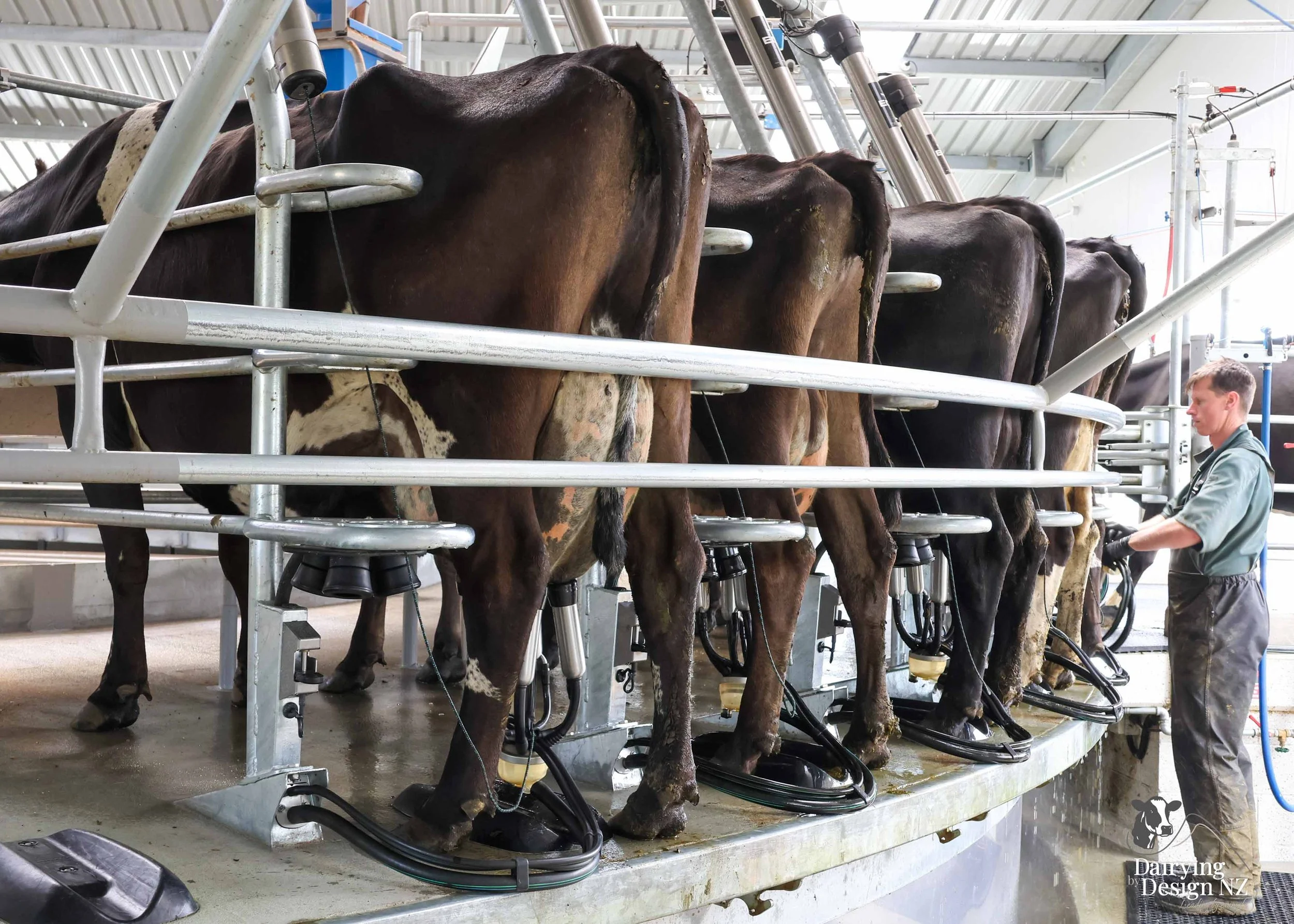
Photo by Dianna Malcolm
The milking team is part of the environment
A good milking environment is not just about concrete, steel, gates and machinery. The people working in the dairy are an important part of it too. A calm and organised milking team creates consistency, and consistency helps cows understand what is expected of them.
This becomes particularly important when several people share milking duties. Everyone may have a slightly different way of doing things, but the overall routine should remain familiar to the herd. Cows learn routines, and they can also learn how people behave around them.
Consistency does not mean every milking has to be perfect. Dairy farms are busy places and unexpected things happen. It simply means having a sensible routine that can be repeated and understood by everyone involved.
When the people are calm, the cows are generally easier to manage. When the cows are settled, the people have an easier job. The two go hand in hand, and creating a calmer environment can benefit both sides of the dairy platform.
Look at the whole milking experience
When farmers are looking for ways to improve milking efficiency, attention often goes straight to equipment, plant settings or shed capacity. Those things are important, but it is worth taking a step back and watching the entire process from the cow's point of view.
Look at what happens from the moment the herd leaves the paddock until the cows return. Are there parts of the track where cows hesitate? Do they have to wait for long periods? Can they clearly see where they are going? Are there places where cows regularly bunch up or turn around? Is the yard comfortable? Is the dairy noisy? Is the footing secure? Do cows settle quickly once they are in position? And when milking is finished, do they leave calmly?
These observations can reveal opportunities that are easily missed when the focus is solely on throughput. Sometimes a relatively small change to a gate, a troublesome section of concrete, lighting, water access, stock handling or the timing of the routine can make a noticeable difference.
The key is to look for patterns. If cows regularly hesitate in the same location, there may be something about that particular area that is affecting their movement. If cows become unsettled at the same point in every milking, it is worth investigating what is happening rather than simply working around the problem.
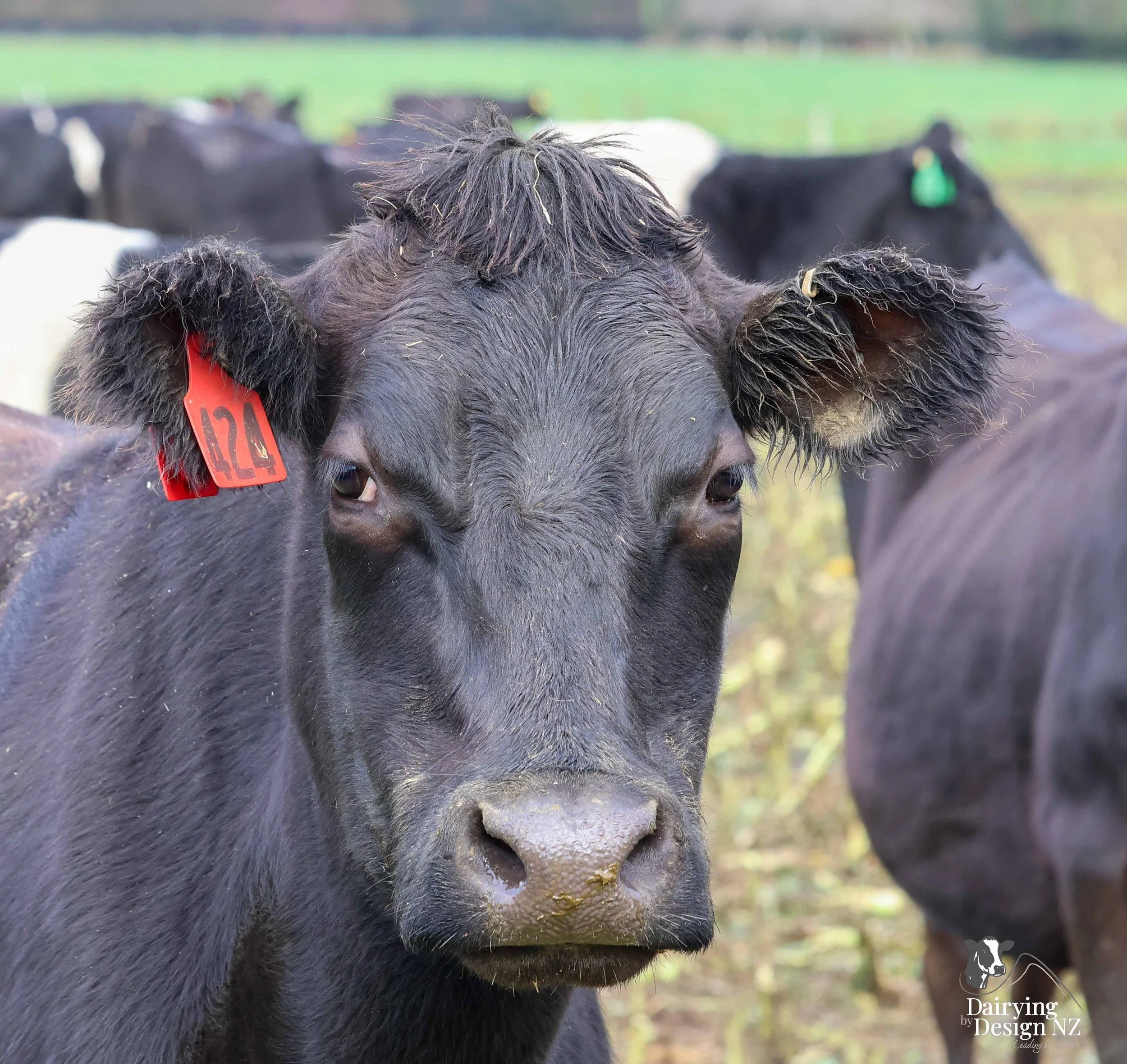
Photo by Dianna Malcolm
Happy cows are easier cows
There is no magic switch that turns a herd into perfectly behaved milking cows. What does make a difference is creating an environment where cows are comfortable, familiar with the routine and handled in a way that encourages calm movement.
For dairy farmers, that can mean better cow flow, fewer hold-ups and a milking team that spends less time fighting the herd and more time getting the job done. It is also a reminder that cow comfort and farm efficiency are not opposing ideas.
A cow that is comfortable, healthy and settled is more likely to move willingly through the dairy. A cow that knows the routine does not need to be continually pushed. A well-designed milking environment can make life easier for everyone who uses it, twice a day, every day.
The happiest dairy may not necessarily be the quietest or the newest. It is the one where the cows know where they are going, the people know what they are doing and the whole milking process feels organised and predictable.
That is good cow flow, good stockmanship and good dairy management working together. And when cows are happy to walk in, milk and walk out, everyone has a better milking experience.
Be the cow
The best place to start is by watching the milking routine from the cow's perspective rather than simply watching the clock. Look for places where cows regularly hesitate, bunch up, turn around or become unsettled, because these moments can reveal where improvements could be made.
Pay attention to the basics of cow comfort, including secure footing, sensible yard movement, ventilation, shade where required and access to water. Keep stock handling calm and consistent, and avoid unnecessary noise, rushing and excessive pressure when cows are already moving in the right direction.
It is also worth paying attention to individual cows. A cow that suddenly becomes reluctant to move or unsettled during milking may be indicating discomfort rather than simply being difficult. Changes in behaviour can provide an early reason to investigate what is happening.
Most importantly, remember that good milking efficiency is about the whole system. Cow comfort, stockmanship, dairy design, cow flow and the milking routine all work together. When the environment works for the cow, the milking experience works better for everyone.