

This is Day 3 of our seven-day series, Masterclass in pasture & feed management, and today we are heading into one of the most familiar challenges on a New Zealand dairy farm – the summer feed gap.
For a pasture-based system, summer can be a testing time. Spring has delivered plenty of growth, the cows have been milking well and the farm may have built up a comfortable feed position. Then the weather turns warmer, soil moisture starts disappearing and pasture growth begins to slow.
Suddenly, the feed wedge that looked healthy a few weeks earlier starts becoming thinner.
The temptation can be to simply chase the cows with whatever feed is available. But managing a summer feed deficit successfully is about more than finding something to put in front of the herd. It is about protecting the pasture platform, maintaining cow performance where it makes economic sense and making decisions early enough that the farm does not spend the rest of summer trying to recover from a feed shortage.
Summer feed shortages rarely arrive overnight
The summer feed gap can sometimes feel as though it has appeared suddenly, but there are usually warning signs.
Pasture growth starts slowing. Rotation length begins to contract. Average pasture cover falls. Paddocks are taking longer to recover after grazing, and the amount of grass available ahead of the cows becomes increasingly difficult to maintain.
By the time the cows are obviously short, the problem has often been developing for several weeks.
That is why the work done earlier in the season matters so much. The feed wedge, pasture measurements and regular farm walks discussed in the first two days of this series all become particularly valuable when summer approaches.
The objective is to recognise the trend early.
“The best way to manage a summer feed gap is to start managing it before the farm is actually short.”
Know what your pasture is doing”
Summer pasture growth can be extremely variable.
One rainfall event can change the appearance of a farm, but a shower does not necessarily mean the pasture has immediately returned to full production. Likewise, a paddock that looks green can still be carrying relatively little usable feed.
This is where regular pasture measurement becomes important.
Rather than relying solely on how the paddocks look, farmers can track what is actually happening to pasture cover and growth. If covers are falling consistently, it provides a clear indication that demand is beginning to exceed supply.
That information creates an opportunity to act.
The farmer can consider whether the grazing rotation needs adjusting, whether supplements need to be introduced, whether certain paddocks should be protected and whether there are other feed resources that can be brought into the system.
The earlier those decisions are made, the more choices there are.
Protect the pasture plant
When grass is becoming scarce, the natural reaction can be to graze harder.
That can be a dangerous strategy.
Repeatedly taking pasture down too far can remove the plant's ability to recover quickly. The cow may get another mouthful today, but the farm can pay for it through slower regrowth tomorrow.
Summer is therefore a time when residual management becomes particularly important.
Pasture needs enough leaf area remaining after grazing to capture sunlight and continue growing. If cows are repeatedly pushed into paddocks and encouraged to graze them excessively hard, the pasture can take longer to recover.
This creates a vicious circle. Slower regrowth means a longer wait before paddocks can be grazed again, which puts further pressure on the remaining pasture.
The objective is not to leave cows standing in front of excessive amounts of grass. It is to avoid sacrificing the future growth of the pasture in an attempt to solve today's shortage.
Make the rotation work for the season
The grazing rotation that worked beautifully in spring may not work in summer.
That is not a failure of the grazing system. It is simply a reflection of changing pasture growth.
As growth slows, the rotation generally needs to reflect the rate at which paddocks are recovering. Trying to force a spring-style rotation onto a summer pasture platform can quickly result in cows arriving at paddocks before they have recovered sufficiently.
The challenge is finding the balance between pasture availability and pasture recovery.
A longer rotation can give plants more time to rebuild leaf area, but it also means cows may require more feed from other sources if pasture alone cannot meet demand.
This is where supplementary feed can have an important role.
Supplements should have a job
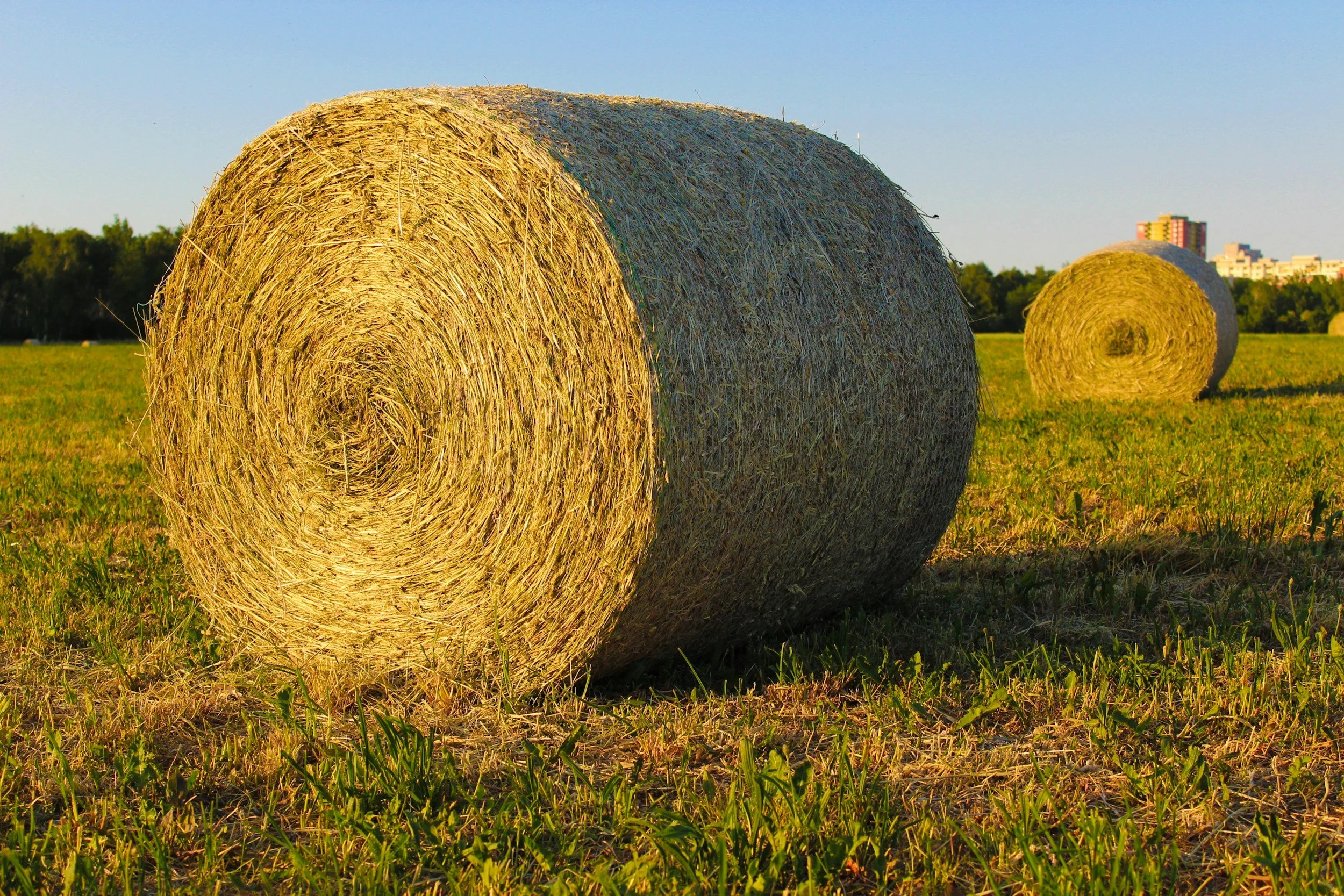
Silage, hay, baleage and other supplementary feeds can be valuable tools for managing summer pasture deficits.
But supplements work best when they are used strategically rather than simply tipped into the system whenever grass becomes tight.
The first question should be: what job is the supplement doing?
Is it filling a temporary feed shortage? Is it allowing the grazing rotation to be lengthened? Is it protecting pasture residuals? Is it maintaining cow production during a period of particularly low growth?
When the purpose is clear, it becomes easier to decide how much supplementary feed is actually required.
There is also a cost associated with every kilogram of purchased or conserved feed. That means the decision should consider not only whether the feed is available, but what it is achieving within the whole farm system.
Don't forget the next season
One of the biggest mistakes with summer feed management is thinking only about getting through the current week.
Summer management has consequences for autumn and, ultimately, the following spring.
If the pasture platform is continually over-grazed through a dry period, the farm may enter autumn with a weakened pasture base. If pasture plants are allowed to recover properly and the farm responds early to changing conditions, there is a much better opportunity to rebuild covers when rain returns.
This is particularly important because autumn pasture growth can be highly valuable. It can provide feed for the remainder of the lactation, help build covers for dry-off and contribute to the feed position heading into winter.
The summer decisions are therefore not isolated decisions.
They are part of a chain.
Use the weather forecast, but don't farm by it
Weather information can be extremely useful for summer feed planning, particularly when rainfall and temperature are likely to influence pasture growth.
However, forecasts should support farm observations rather than replace them.
A predicted rainfall event may not deliver the amount of moisture expected. Conversely, a small amount of rain can sometimes make a meaningful difference when pasture plants are already close to moisture stress.
The pasture itself remains the best indicator of what is actually happening on the farm.
Watch the growth. Watch the covers. Watch the rotation.
Then use the available weather information to help decide what might happen next.
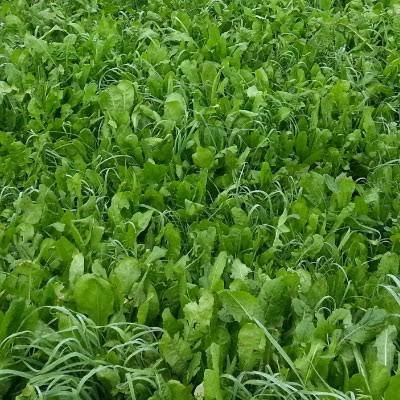
Photo supplied by Cridge Seeds
Consider demand as well as supply
Feed management is often discussed in terms of growing more grass, but the other side of the equation is feed demand.
The number of cows being milked, production levels and the length of the milking season all influence the amount of feed required.
This is why summer planning should be connected to the broader farm strategy.
If the pasture platform cannot supply the required amount of feed through a particular period, the answer may not always be to push the pasture harder. It may be appropriate to consider whether supplementary feed, stocking decisions, drying-off strategies or other changes can help bring demand and supply back into balance.
The important thing is to make those decisions deliberately rather than being forced into them when the feed has already run out.
Don't waste the feed you do have
When pasture becomes limited, every kilogram becomes more valuable.
That makes grazing efficiency particularly important.
Good allocation, appropriate paddock size and sensible residual management can all help ensure the available pasture is harvested efficiently. Wastage becomes more costly when there is very little grass available to begin with.
The aim is to give cows enough pasture to achieve the desired intake without leaving excessive amounts behind or forcing them to graze the paddock into the ground.
That balance becomes increasingly important as summer progresses.
Think in weeks, not days
A useful summer habit is to stop looking only at the feed position today.
Look ahead.
If the current rotation is maintained, what will pasture cover look like in seven days? What about two weeks? If growth slows further, where will the cows be grazing? How much supplementary feed might be required?
These questions are much easier to answer when the farmer has regular pasture measurements and a clear picture of the feed wedge.
They also encourage better decisions.
Instead of waiting until the cows are short and then trying to find feed, the farmer can plan the transition before the shortage becomes critical.
When rain finally arrives
Eventually, most summer dry spells break.
When that happens, there can be a strong temptation to immediately speed the grazing rotation back up.
But pasture needs time to respond.
Rainfall is only one part of the equation. Soil moisture, temperature and plant condition all influence how quickly growth resumes. A farm that has been under significant moisture stress may not suddenly produce large quantities of feed simply because rain has fallen.
The farmer's job is to watch the recovery and adjust the grazing plan as growth returns.
That may mean gradually changing the rotation rather than making a dramatic shift overnight.
The summer feed gap is a management challenge
There is no single solution to the summer feed gap because every farm enters summer with a different pasture base, climate, soil type, stocking rate and feed strategy.
What is consistent is the need for early decision-making.
The strongest summer strategies usually begin before the first serious shortage. They involve monitoring pasture growth, protecting residuals, planning supplementary feed, watching the rotation and understanding how today's grazing decisions will affect the farm several weeks from now.
Summer does not have to mean simply accepting that pasture will run out.
It is a period when careful management can make a considerable difference to how efficiently the farm uses the grass it has available.
The summer feed gap is easier to manage when it is treated as a planning exercise rather than an emergency.
Watch the feed wedge, measure pasture regularly and recognise when growth is beginning to fall behind demand. Protect the pasture plant by avoiding excessive grazing pressure, use supplements for a clear purpose and keep one eye firmly on the weeks ahead.
Most importantly, do not sacrifice the future pasture platform just to solve today's feed shortage.
Good summer management is about getting through the difficult period while keeping the farm in a position to respond when conditions improve.
Because when the rain finally arrives, you want your pasture ready to make the most of it.
See you tomorrow for Day 4 of our Masterclass in pasture & feed management, when we look at strategic cropping programmes and how the right crop, in the right place and at the right time, can help fill seasonal feed deficits while supporting the wider pasture system.