Probiotics and Calving: Timing Can Make All the Difference

By Lois Natta
Welcome to the first feature article in our series on calf rearing. Over the coming days, we will explore the key decisions, challenges and opportunities involved in raising healthy, resilient calves that have the best possible start in life and the potential to become productive, long-lasting members of the dairy herd.
From nutrition and immunity to housing, hygiene and early development, this series will look at the practical knowledge and proven strategies that help farmers give their calves the strongest foundation for the future.
Every calving season brings a fresh opportunity to give the next generation the best possible start in life. Nutrition, hygiene, colostrum management and housing all receive plenty of attention, yet one area attracting increasing interest among dairy farmers is the use of probiotics. The question many are asking is simple: should probiotics begin before the calf is even born, or is it better to wait until after birth?
The answer, as with many aspects of farming, isn't quite black and white.
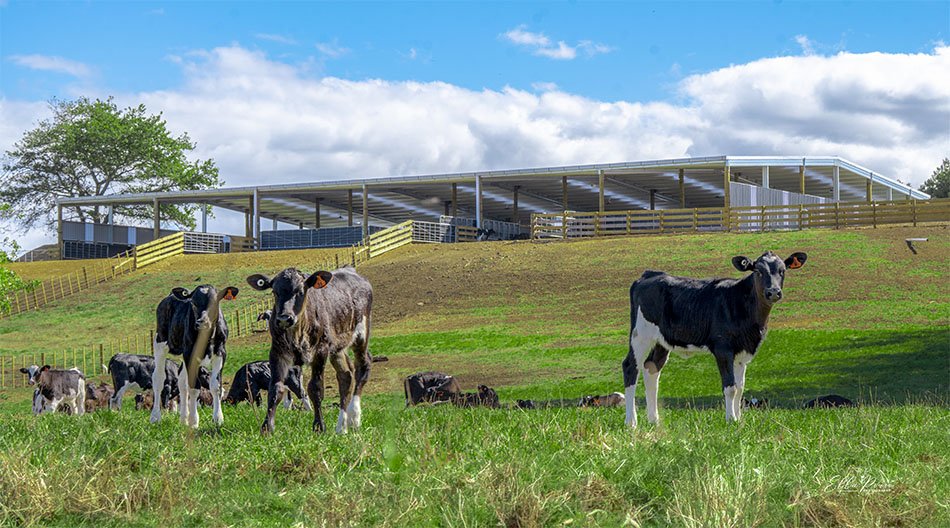
Photo by Ella Pirie Photography
“The calf’s future begins before she takes her first breath — a healthy dam provides the foundation for a stronger start in life.”
Research over the past decade has shown that the health of the dam during pregnancy has a direct influence on the calf she is carrying. While the calf develops inside what was once thought to be a completely sterile environment, scientists now understand that the mother's nutrition, immune status and gut health can all affect the developing calf. Although the calf's digestive tract is not fully colonised with beneficial bacteria until after birth, the health of the cow's own microbiome plays an important supporting role throughout pregnancy.
A healthy rumen and intestinal system in the pregnant cow allows her to digest feed more efficiently, absorb nutrients more effectively and maintain a stronger immune system. Those nutrients are then transferred to the developing calf, helping support growth before birth. Some studies also suggest that maternal probiotics may positively influence immune development in the unborn calf, although this remains an area of ongoing research.
For New Zealand dairy farmers, this means probiotics can be worthwhile during late pregnancy—not necessarily because they are directly colonising the calf's gut, but because they are supporting the health of the cow herself.
The weeks leading up to calving are among the most stressful in a dairy cow's year. Feed intake often drops while energy demands increase dramatically. Any digestive upset during this transition period can reduce body condition, increase the risk of metabolic disorders and affect colostrum quality.
High-quality probiotic supplements may help stabilise the rumen environment during this period, encouraging more consistent feed utilisation and maintaining digestive efficiency. While probiotics are certainly not a replacement for good nutrition or sound transition cow management, they can form part of an overall programme designed to keep cows healthier leading into calving.
Once the calf arrives, however, the importance of probiotics increases considerably.
Unlike many other species, calves are born with a digestive system that is largely free of established beneficial bacteria. From the moment they enter the world they begin collecting microorganisms from their mother, their environment, bedding, milk and feed. Some of these bacteria are beneficial while others are potentially harmful.
“Probiotics are not a replacement for good calf management, but when combined with quality colostrum, nutrition and care, they can help build healthier, more resilient calves.”
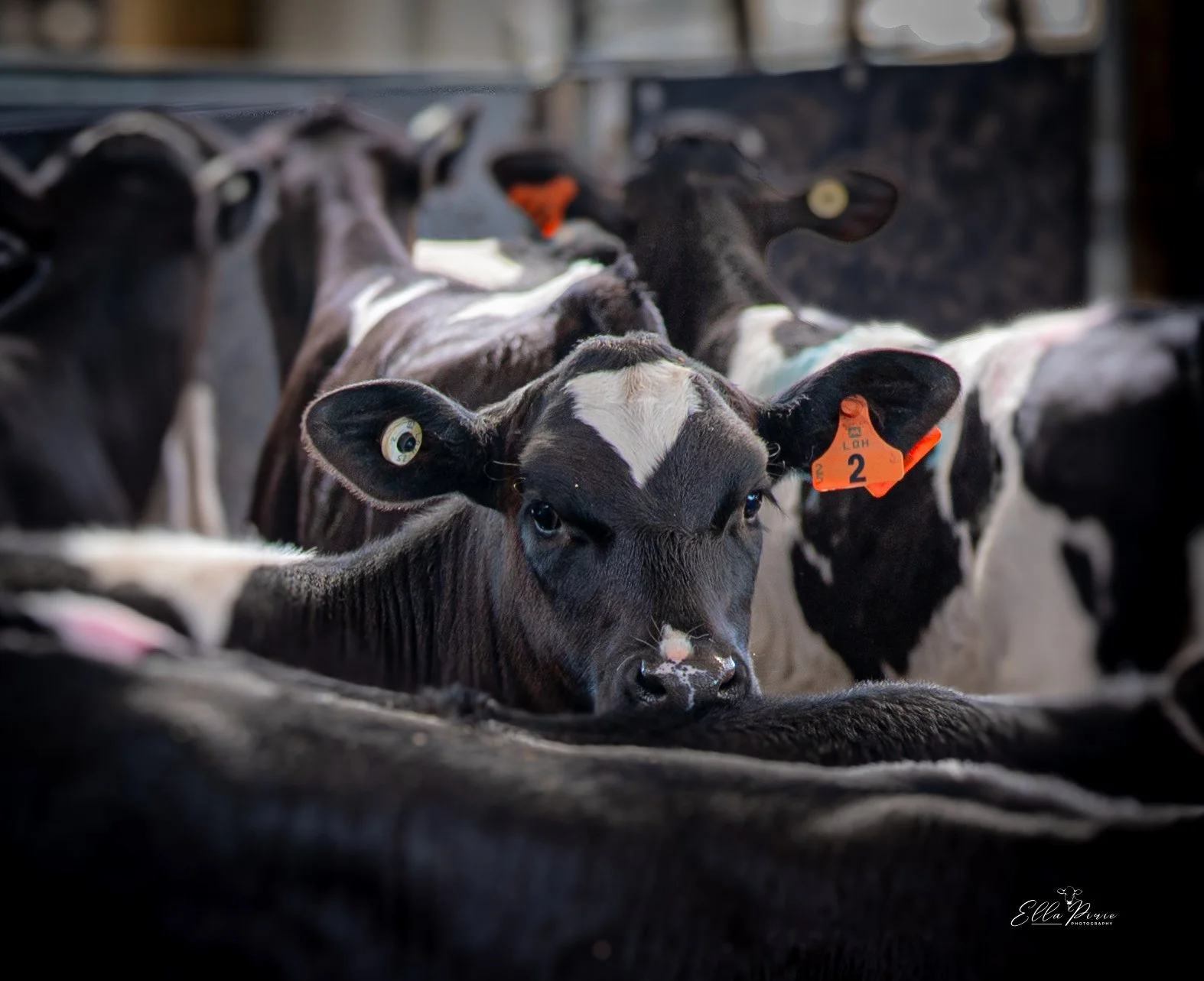
Photo by Ella Pirie Photography
This is where probiotics can make a real difference.
Introducing probiotics during the first few days of life helps establish populations of beneficial bacteria before harmful organisms have an opportunity to dominate the digestive tract. These beneficial microbes compete with disease-causing bacteria for nutrients and attachment sites within the intestine while also producing compounds that help suppress pathogens.
A balanced gut microbiome is closely linked to stronger immunity. Around seventy percent of the body's immune system is associated with the gastrointestinal tract, making gut health one of the foundations of disease resistance.
For calf rearers, this can translate into fewer digestive upsets, reduced scouring, better nutrient absorption and more consistent daily weight gains.
Of course, probiotics are not a magic bullet.
They cannot compensate for poor-quality colostrum, overcrowded pens, inconsistent milk feeding or poor hygiene. In fact, some of the greatest benefits are seen when probiotics are incorporated into already well-managed calf-rearing programmes.
Colostrum remains the single most important feed a calf will ever receive. No probiotic can replace the antibodies found in high-quality first milking colostrum given promptly after birth. Farmers should always focus first on ensuring calves receive adequate volumes of clean, high-quality colostrum within the first few hours of life.
After this critical window, probiotics can become part of the daily feeding programme.
Many calf milk replacers now include probiotic cultures, while separate powdered or liquid probiotic products can also be mixed into milk or sprinkled over starter feed. Consistency is generally more important than large doses. Daily supplementation during the first six to eight weeks of life often delivers the greatest benefit, particularly during periods of stress such as disbudding, transportation, weather changes or weaning.
Another advantage of establishing healthy gut bacteria early is improved rumen development.
As calves begin nibbling starter meal and forage, beneficial microbes assist fermentation and encourage the production of volatile fatty acids that stimulate rumen growth. A well-developed rumen allows calves to transition onto solid feed more smoothly and reduces the growth checks sometimes seen during weaning.
Choosing an appropriate probiotic product is equally important. Not all products contain the same bacterial strains, and not all have been tested under dairy farming conditions. Farmers should look for products containing well-researched microorganisms such as Lactobacillus, Bifidobacterium, Enterococcus or Bacillus species, along with clear information regarding viable bacterial counts and storage requirements. Live cultures must remain alive to provide any benefit.
New Zealand's pasture-based farming systems already expose calves to a diverse range of naturally occurring microbes compared with intensive indoor systems overseas. Even so, modern calf-rearing operations often involve larger numbers of calves housed together, increasing disease pressure and making gut health more important than ever.
Ultimately, probiotics should be viewed as another management tool rather than a cure-all. The greatest returns come when they complement excellent nutrition, careful colostrum management, clean housing, adequate ventilation and low-stress calf handling.
So should probiotics begin before birth or afterwards?
Ideally, both.
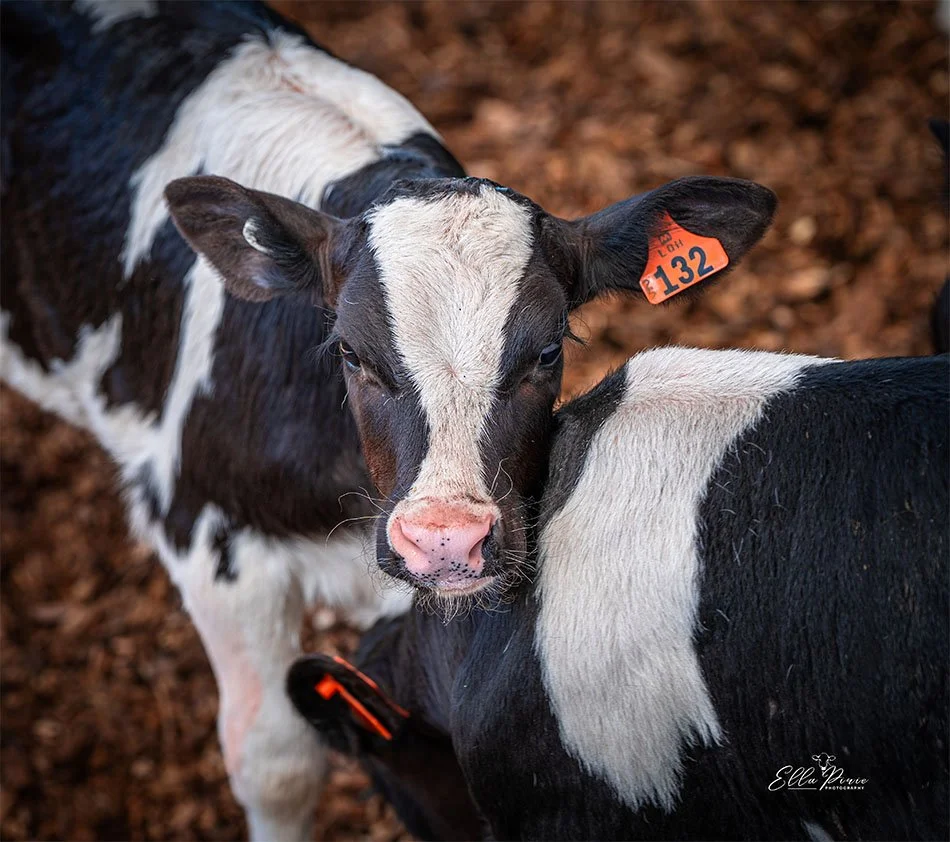
Photo by Ella Pirie Photography
Supporting the cow's digestive health during late pregnancy may contribute to better transition health and potentially benefit the developing calf indirectly. But it is after birth that probiotics truly come into their own, helping establish a healthy gut microbiome, strengthening immunity and supporting the growth of strong, resilient calves.
Like many aspects of successful calf rearing, it is not about finding a single silver bullet. It is about stacking small management advantages together. When probiotics are used alongside good farming practices, they can become one more valuable tool in raising healthy calves that go on to become productive members of the milking herd.