
The $500 Farm Mistake That Can Cost $50,000

It rarely starts with a major breakdown.
There's no dramatic machinery failure, no flashing warning light or sudden disaster that brings the farm to a standstill. More often than not, it begins with something so small it's easy to ignore. A crack in the concrete outside the dairy. A blocked culvert. A section of race that's becoming a little rougher each winter. A leaking water pipe that can wait until things quieten down.
After all, farming is busy. There are always more pressing jobs demanding attention, and when cash flow is tight, it's understandable that repairs which aren't urgent get pushed to the bottom of the list.
But here's the catch. On a farm, small problems have an unfortunate habit of becoming very expensive ones.
Some of the biggest invoices farmers receive don't arrive because of bad luck. They arrive because a relatively inexpensive repair wasn't made when it should have been.
That's not a criticism. It's simply the reality of farming.
The challenge is knowing which jobs can wait and which ones quietly grow into financial headaches.
Take a simple drainage issue, for example. Water begins pooling beside a race after heavy rain. It doesn't seem too serious. The cows still get through, and the milk tanker can still reach the dairy. Another load of gravel is spread across the surface and everything looks fine again.
Until the next winter.
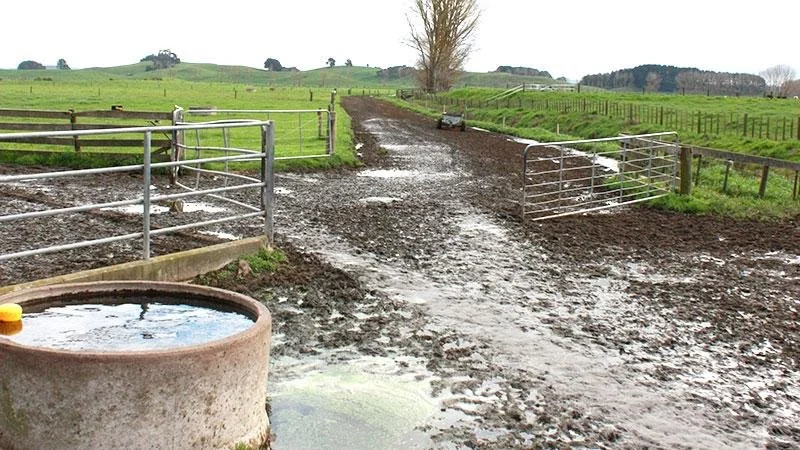
The water returns, more gravel disappears, ruts become deeper and machinery begins bouncing across uneven ground. Eventually the base underneath starts to fail and what could have been solved with better drainage now requires a complete rebuild.
What began as a repair worth a few hundred dollars has become a project costing tens of thousands.
It's a story repeated on farms throughout New Zealand.
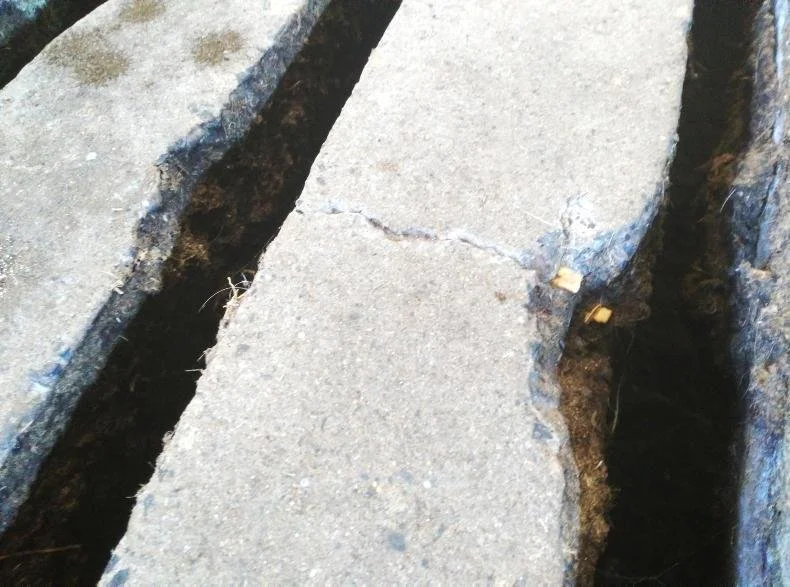
The same principle applies to concrete. A small crack allows water to seep underneath. Each season the crack widens a little more as heavy machinery and daily traffic place increasing pressure on the weakened surface. Before long, replacing an entire section becomes the only practical option.
Had it been repaired when first noticed, the outcome could have been very different.
Water infrastructure tells a similar story. A minor leak may seem insignificant when water is plentiful, but over weeks and months thousands of litres can be lost. Pumps work harder than necessary, electricity costs increase and eventually the damaged pipe gives way altogether, often at the most inconvenient time of year.
The repair bill is only part of the expense.
Lost time, reduced efficiency and disrupted routines often cost just as much.
Perhaps that's the biggest misconception about maintenance. Farmers naturally look at the invoice, but the true cost usually extends much further.
Every hour spent working around a problem is an hour not spent on something more productive. Staff lose time navigating damaged races. Vehicles experience additional wear. Animal movement slows. Jobs that should take minutes begin taking considerably longer.
Individually, these delays seem minor.
Together, they quietly reduce profitability every single day.
Experienced farmers often say that good infrastructure never attracts much attention because it simply does its job. You don't notice a well-built race, a properly designed drainage system or quality concrete until they stop performing as they should.
That's why preventative maintenance is one of the smartest investments a farming business can make.
It isn't glamorous. It won't generate exciting conversations around the sale yards or become the feature everyone admires during a farm visit.
What it does provide is reliability.
Reliable infrastructure allows everything else on the farm to operate more efficiently.
It protects machinery, improves safety, reduces stress on both livestock and staff, and often extends the life of expensive assets by many years.
Of course, no farmer has an unlimited budget.
There will always be decisions about where money is best spent, and not every repair requires immediate attention. The skill lies in recognising the difference between a cosmetic issue and one that is quietly undermining the future performance of the farm.
Sometimes spending a little more today is actually the least expensive option over the life of the asset.
That might mean investing in better drainage beneath a new race instead of simply adding another layer of gravel. It could mean choosing higher-quality materials during a concrete pour or replacing ageing water lines before they become a constant source of repairs.
Quality workmanship and good planning almost always prove cheaper than repeatedly fixing the same problem.
Looking after infrastructure is also about looking after the future of the business. Whether the farm is eventually passed on to family, sold or simply expected to continue performing for decades to come, every decision contributes to its long-term value.
Strong infrastructure doesn't just support cows and machinery.
It supports profitability.
“Sometimes spending a little more today is actually the least expensive option over the life of the asset.”
Perhaps the next time you drive through the farm, it's worth looking a little more closely.
Is there that gateway that's becoming increasingly difficult to shut? The race that seems to need fresh gravel every year? The drain that's never quite worked properly? The concrete that's beginning to show signs of wear?
They may not seem urgent today.
But neither did many of the $50,000 repairs that started life as a $500 job.
The most successful farmers understand that maintaining a profitable business isn't only about making the right investments. It's also about making them at the right time. Sometimes the smartest financial decision isn't finding the cheapest solution.
It's recognising that the smallest problems, left unattended, often become the biggest bills.
“Quality workmanship and good planning almost always prove cheaper than repeatedly fixing the same problem.”
Have your say
What's the best investment you've ever made on your farm, and what small repair do you wish you'd tackled sooner? We'd love to hear your experiences. Share your story on our Facebook or Instagram posts and help other farmers avoid making the same costly mistakes.