
This is day 4 of our 7-day series on summer feed: making every kilogram count. By now, we have looked at why every kilogram matters, how pasture quality can influence what cows actually get from the feed in front of them, and why good observation is one of the most useful tools in the summer toolbox.
Today, we are looking at a part of summer feed management that can make a significant difference to the whole system: protecting the feed you have while making sensible decisions about what comes next.
Summer can change the plan quickly
One of the great things about farming is that no two seasons are exactly the same. One week you can be looking at plenty of grass and feeling reasonably comfortable about the weeks ahead, and the next you can be wondering where it all went.
Summer has a habit of doing that.
A spell of hot, dry weather can slow pasture growth surprisingly quickly. A timely rainfall can turn things around again. A run of cloudy, cooler days can alter growth patterns, while a few weeks of strong growth can create a completely different challenge, with pasture getting away from the cows.
The important thing is not to become too attached to the plan simply because it looked good when it was written.
Good summer feed management is about having a plan, watching what is happening on the farm and being prepared to change direction when the conditions demand it.
Protect the pasture before the pressure arrives
When pasture growth starts to slow, it can be tempting to continue grazing in much the same way and hope the situation improves. Sometimes that works. Sometimes it simply means the farm runs out of options a little further down the track.
Protecting the pasture base early can give you more choices later.
If conditions are becoming dry, the aim should be to manage grazing in a way that supports pasture recovery rather than continually taking the plant down too hard. The temptation to chase today's feed allocation needs to be balanced against tomorrow's feed supply.
This is where having a clear view of the whole farm becomes important.
If some paddocks are looking vulnerable while others are carrying better covers, there may be opportunities to adjust grazing decisions rather than treating every paddock the same. The best feed management decisions are rarely about doing exactly the same thing everywhere.
Know when to slow the rotation
When pasture growth is declining, slowing the rotation can help protect the feed base and spread available pasture over a longer period. The exact approach will depend on the farm, pasture species, soil conditions, rainfall and stocking rate, but the principle is straightforward: when the grass is growing more slowly, the cows cannot keep demanding yesterday's growth rate from today's pasture.
This is where forward planning pays dividends.
Looking only at the paddock being grazed today can make the feed situation appear more comfortable than it really is. Looking across the next rotation gives a much better indication of whether the system is heading towards a feed deficit.
It is also worth remembering that pasture growth does not always stop completely during a dry spell. Even small amounts of growth add up across the farm, and protecting those plants can help the recovery process when conditions improve.
Use supplements strategically
When the pasture supply starts to tighten, supplements can become an important part of the summer feed plan.
But there is a difference between feeding more because the cows need more feed and feeding more because the pasture situation has not been properly assessed.
Supplement can be valuable when it fills a genuine gap. It can help maintain intake, support milk production, protect pasture from excessive grazing pressure or provide a useful bridge through a difficult period.
The key is knowing what job the supplement is doing.
If cows are already receiving enough high-quality feed, adding more may not necessarily produce the return expected. If pasture quality has fallen while quantity appears adequate, the right supplement may serve a very different purpose.
There is no magic feed bucket that solves every summer problem. The value comes from using the right feed for the right reason at the right time.
Watch the weather, not just the forecast
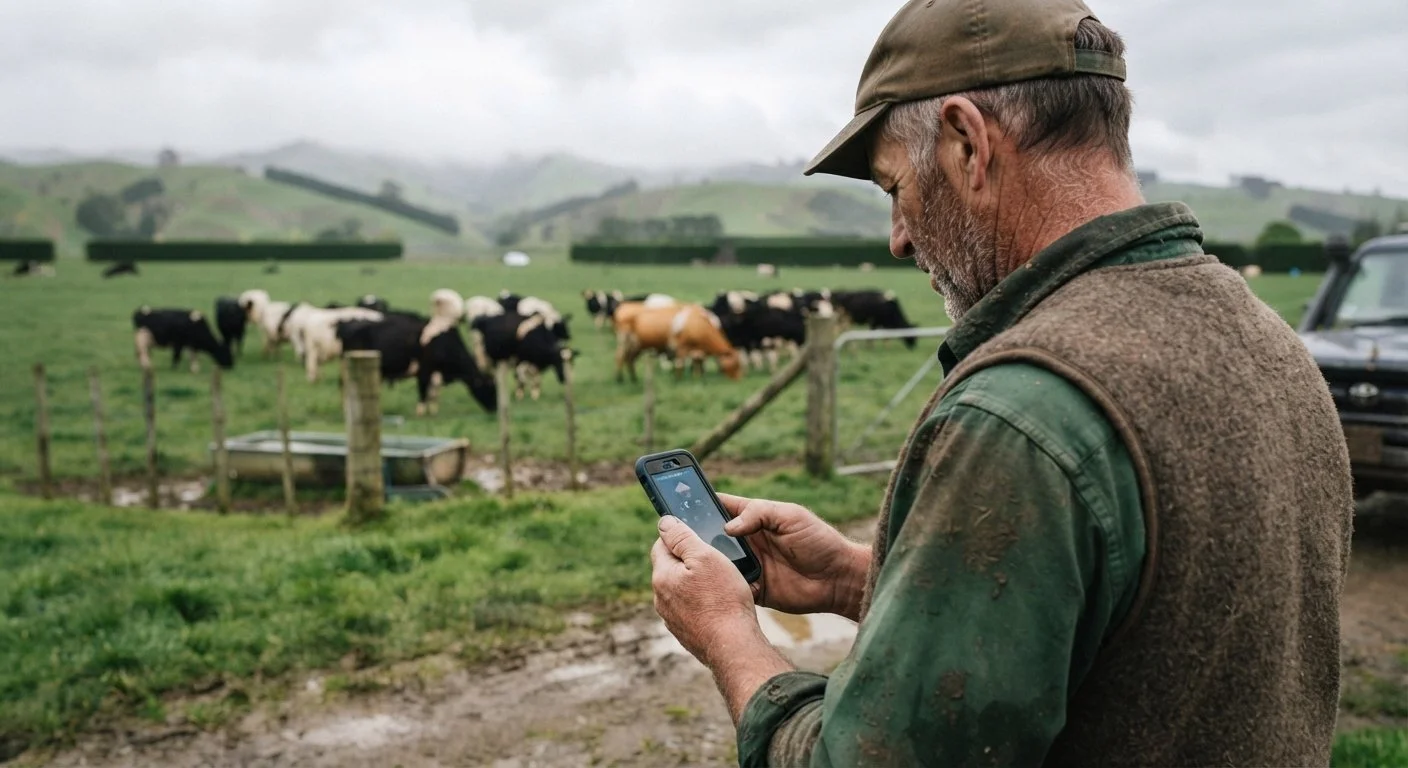
Farmers are already experts at watching the weather, but summer feed management gives even more reason to pay attention to what is happening beyond tomorrow's forecast.
Rainfall totals are useful, but where and when the rain falls can be just as important. A decent shower followed by a long hot spell may produce a very different result from regular smaller falls.
Soil moisture is another important piece of the puzzle. Two farms can receive similar rainfall and have completely different pasture responses depending on soil type, drainage and local conditions.
Walking the farm still beats relying on a weather app alone.
Look at the pasture. Look at the soil. Look at the cows. Look at the regrowth. Then compare what you are seeing with what you expected to see.
Sometimes the farm has the final say.
Avoid feeding the paddock instead of the cow
When feed is tight, grazing management becomes even more important.
The objective is not simply to put cows into a paddock and hope they find enough. Allocation needs to be considered alongside pasture quality, cow demand, weather and the likely recovery of the paddock.
If cows are spending too much time looking for the better bits, they may not be getting the intake you think they are. If they are being offered more pasture than they can efficiently utilise, valuable feed can be wasted.
The balance is about giving cows an opportunity to eat well while leaving the pasture in a condition from which it can recover.
It sounds simple. In practice, summer rarely makes anything quite that simple.

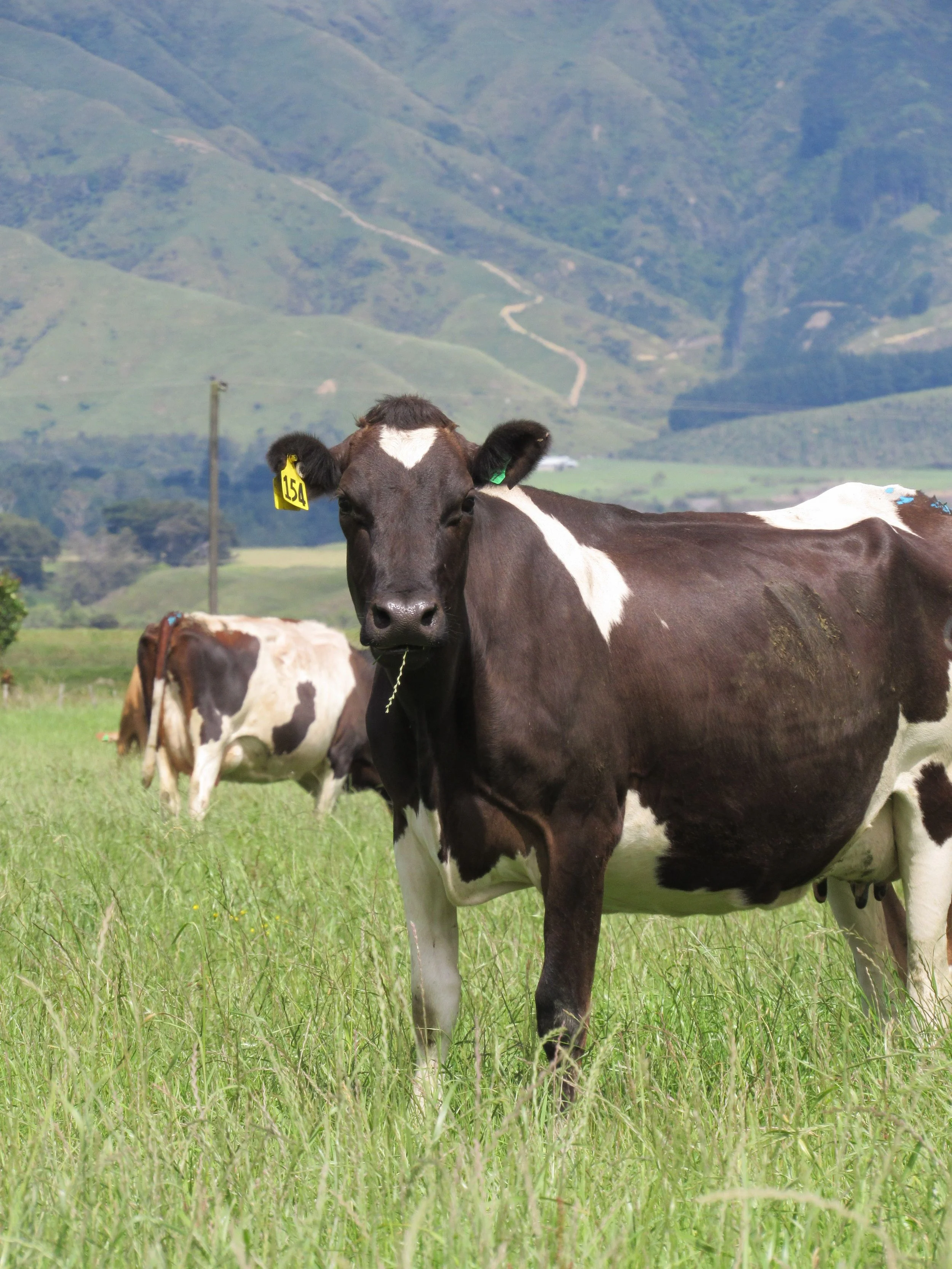
Photo by Dianna Malcolm
Keep an eye on body condition
Summer feed management is not just about milk in the vat.
Cow condition provides another important indication of whether the feed system is keeping up with demand. A herd can continue producing reasonably well for a period while body reserves are being drawn upon, but that does not necessarily mean the system is sustainable.
Keeping an eye on body condition throughout summer can help identify whether the current feed strategy is doing what you need it to do.
The aim is to avoid allowing cows to lose condition unnecessarily, particularly when there is still plenty of summer ahead. Decisions made now can influence mating performance, animal health and the way cows transition into the next stage of the season.
Feed decisions therefore need to consider both the production target and the cow standing in front of you.
“The best summer feed plan is not the one that looks perfect on paper. It is the one that keeps working when the weather changes.”
Don't forget the feed in the stack
When the paddocks are under pressure, conserved feed can suddenly look very valuable.
Before opening another bale or starting into another stack, it is worth knowing exactly what is available and how long it needs to last. Feed inventories have a nasty habit of looking much bigger at the beginning of summer than they do when the weather has been dry for several weeks.
Good storage matters too. Spoilage, contamination and poor handling can turn valuable feed into expensive waste.
The same principle applies here as it does in the paddock: the feed has already been grown. The job now is to get as much useful value from it as possible.
If conserved feed is being used, think about how it fits with the pasture available and what the cows actually need. It may be better to use it strategically during a particularly difficult period rather than simply feeding it because it is there.
Build a little breathing room
Perhaps one of the most useful summer feed strategies is creating a little breathing room before you desperately need it.
If the farm is heading towards a period of lower pasture growth, making adjustments early can be much easier than making them when the cows are already short.
That breathing room might come from protecting a paddock, adjusting the rotation, using supplements strategically, changing the area being grazed or reviewing the feed budget.
The answer will be different on every farm.
What matters is recognising the direction of travel.
If the feed wedge is steadily tightening, pretending it is not happening will not make the grass grow any faster. Taking action while there are still choices available can make the eventual decision much easier.
Make the feed budget work for you
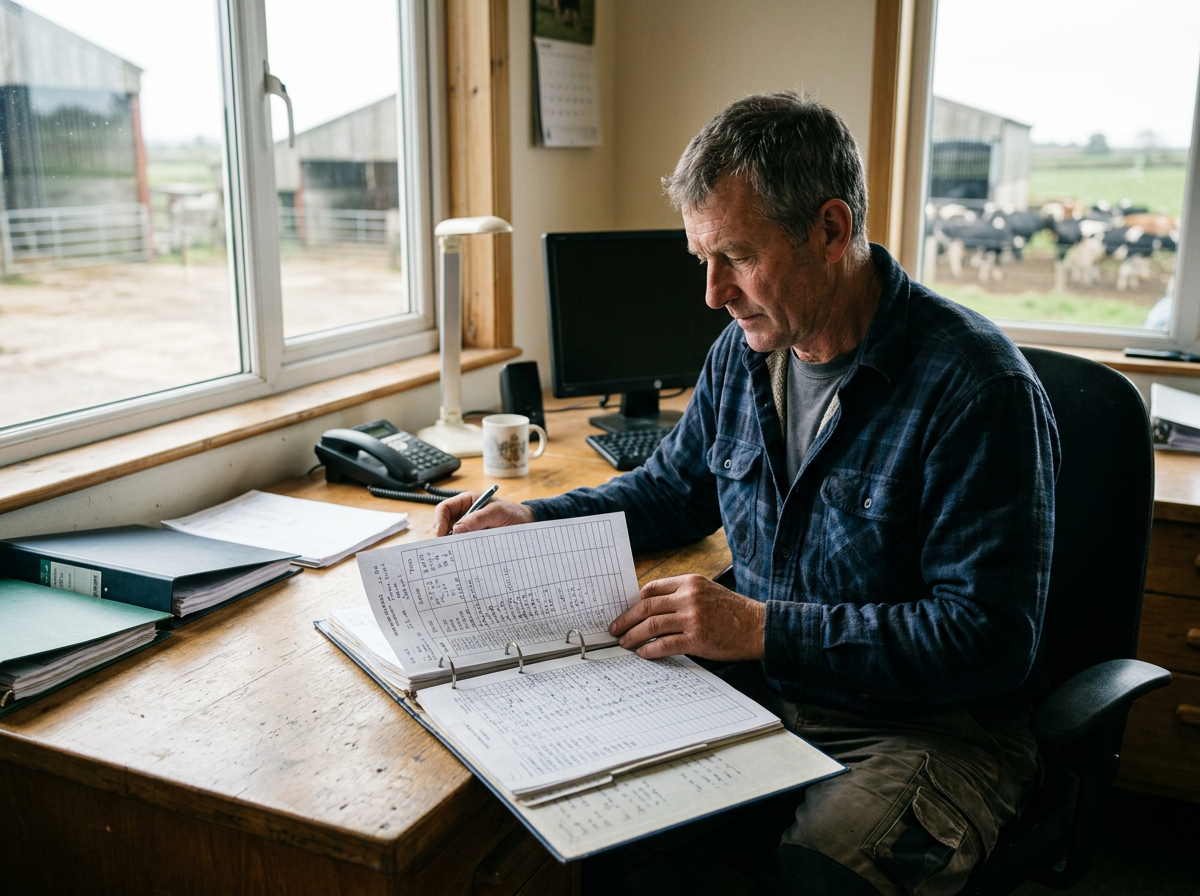
A feed budget should not be something that gets completed once, filed away and forgotten.
Summer is exactly when it earns its keep.
Regularly comparing what you expected to have with what is actually in front of you can highlight problems before they become urgent. It can also show when the situation is better than expected, which is equally useful.
If pasture growth has picked up, perhaps the supplement plan can change. If growth has fallen away, perhaps the rotation needs to be adjusted sooner.
The feed budget is there to help make decisions, not to judge whether the season is behaving itself.
And as every dairy farmer knows, the season does not always read the plan.
Protect future feed
Summer feed management is about protecting future feed while making the most of what is available today. Watch the pasture closely, particularly when weather conditions change, and avoid pushing plants harder than they can comfortably recover from.
Keep the rotation flexible and use supplements for a clear purpose rather than simply increasing feeding when things become difficult. Monitor cow condition and behaviour alongside pasture covers, because the cows provide valuable feedback about whether the feed system is actually working.
Most importantly, look ahead. If a feed deficit appears likely, acting while there are still several options available gives you far more room to manoeuvre than waiting until the cows are already short.
Every kilogram of feed has a job. The trick is making sure it is doing the right job at the right time.
See you tomorrow
That brings us to the end of day 4 in our 7-day series on summer feed: making every kilogram count. Tomorrow, we will take another look at getting the most from the feed in front of the herd, including why what happens between the paddock and the cowshed can be just as important as what is growing in the paddock.
See you tomorrow for day 5.