
An unusual visitor around farm grain storage
Grain silos are an important part of many dairy farming operations, providing a reliable way to store grain, meal and other supplementary feeds until they are required. Keeping these facilities clean, dry and in good working condition is essential for protecting feed quality. However, an unusual discovery around a grain storage area can sometimes raise questions, particularly when farmers encounter clusters of small, pale larvae with distinctive elongated tails.
These are commonly known as rat-tailed maggots, and their appearance around grain silos can be both surprising and unpleasant. While their name might suggest they are feeding on stored grain, their presence is generally associated with something quite different. They are the immature stage of a particular type of hoverfly and develop in stagnant water containing decomposing organic material.
For dairy farmers, understanding why they appear and what attracts them is important. Their presence can provide an indication that moisture, drainage or organic waste is accumulating somewhere around the storage facility. Rather than immediately assuming the grain has become infested, it is worth investigating the wider environment.
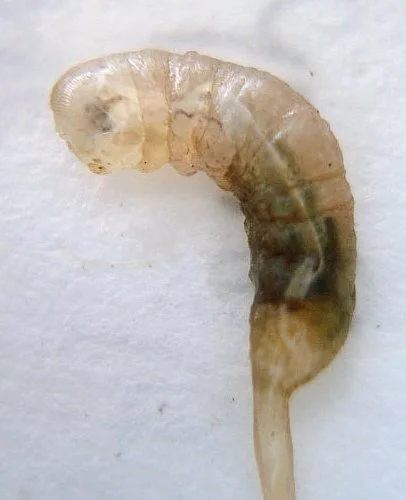
By Jsarratt at English Wikipedia, CC BY 3.0, https://commons.wikimedia.org/w/index.php?curid=40701895
Getting to know the rat-tailed maggot
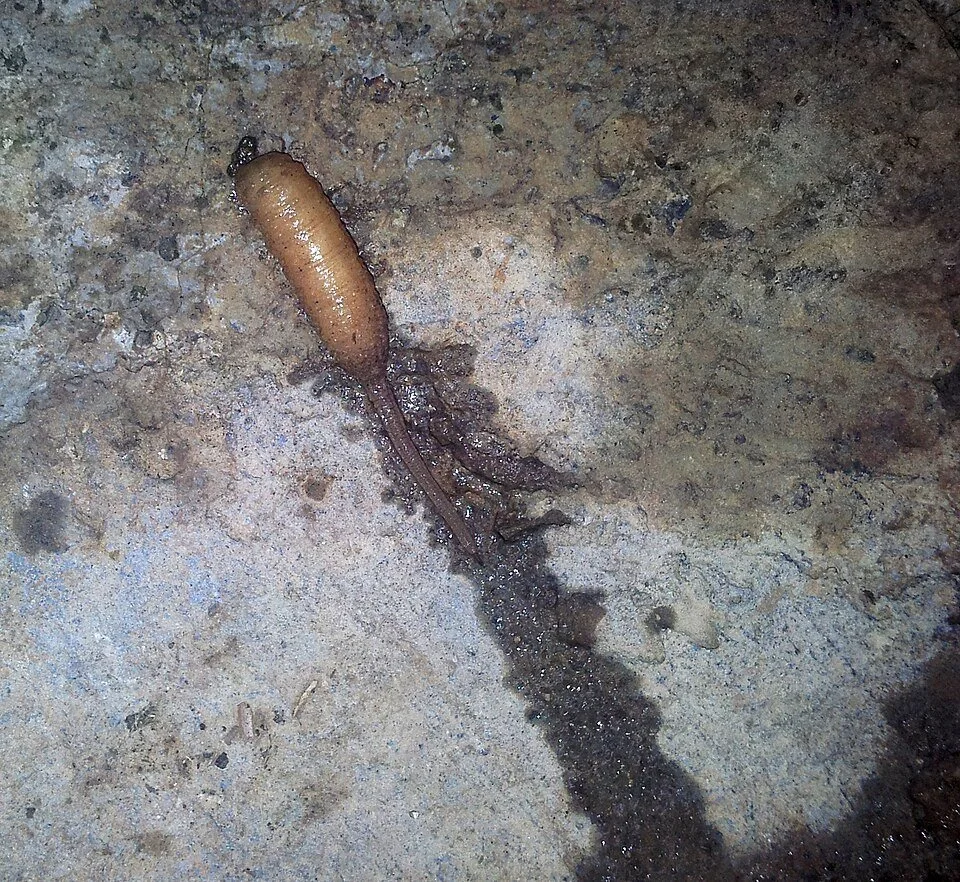
The rat-tailed maggot is the larval stage of a fly known as the drone fly. It has a soft, elongated body, usually greyish or cream in colour, with a distinctive narrow extension protruding from its rear.
This unusual extension is what gives the larva its common name. It is actually a specialised breathing tube that allows the insect to remain submerged in water while reaching the surface to obtain oxygen.
This adaptation enables rat-tailed maggots to survive in water that contains very little dissolved oxygen. They are particularly well suited to stagnant environments where decomposing organic material has accumulated and normal water conditions have deteriorated.
Unlike conventional grain pests, these larvae are not adapted to living and developing in dry stored grain. Their food source consists primarily of bacteria and decomposing organic matter within their wet surroundings.
As they develop, they pass through several larval stages before eventually leaving the water to find a suitable dry location where they can pupate. The adult fly that emerges is a hoverfly, often resembling a bee because of its colouring and body shape.
The adult stage has a different role in the farm environment, visiting flowers and feeding on nectar and pollen. It is the larval stage, rather than the adult fly, that creates the unusual sightings around wet storage areas.
Why grain silos can attract unwanted attention
A properly managed grain silo should not provide the conditions required for rat-tailed maggots to develop. Dry grain is not their natural breeding environment, and finding larvae around a silo does not automatically mean the stored feed is contaminated by them.
The surrounding infrastructure, however, can present quite different conditions.
Grain handling areas naturally experience some level of dust, broken kernels and occasional feed spillage. When these residues are left to accumulate, they can become mixed with rainwater, leaking water or moisture from cleaning activities.
Over time, this combination can form a layer of decomposing organic material. If water becomes trapped in the same location and remains stagnant, the environment may become suitable for larval development.
The areas beneath conveyors, around auger connections, beside unloading equipment and near the foundations of silos deserve particular attention. These locations can be difficult to access and may not receive the same regular cleaning as more visible parts of the facility.
A small amount of spilled grain may appear insignificant when it first accumulates. However, when repeatedly exposed to moisture, the material can deteriorate and contribute to an unpleasant, organic sludge.
It is this type of wet environment that deserves investigation when rat-tailed maggots are discovered.
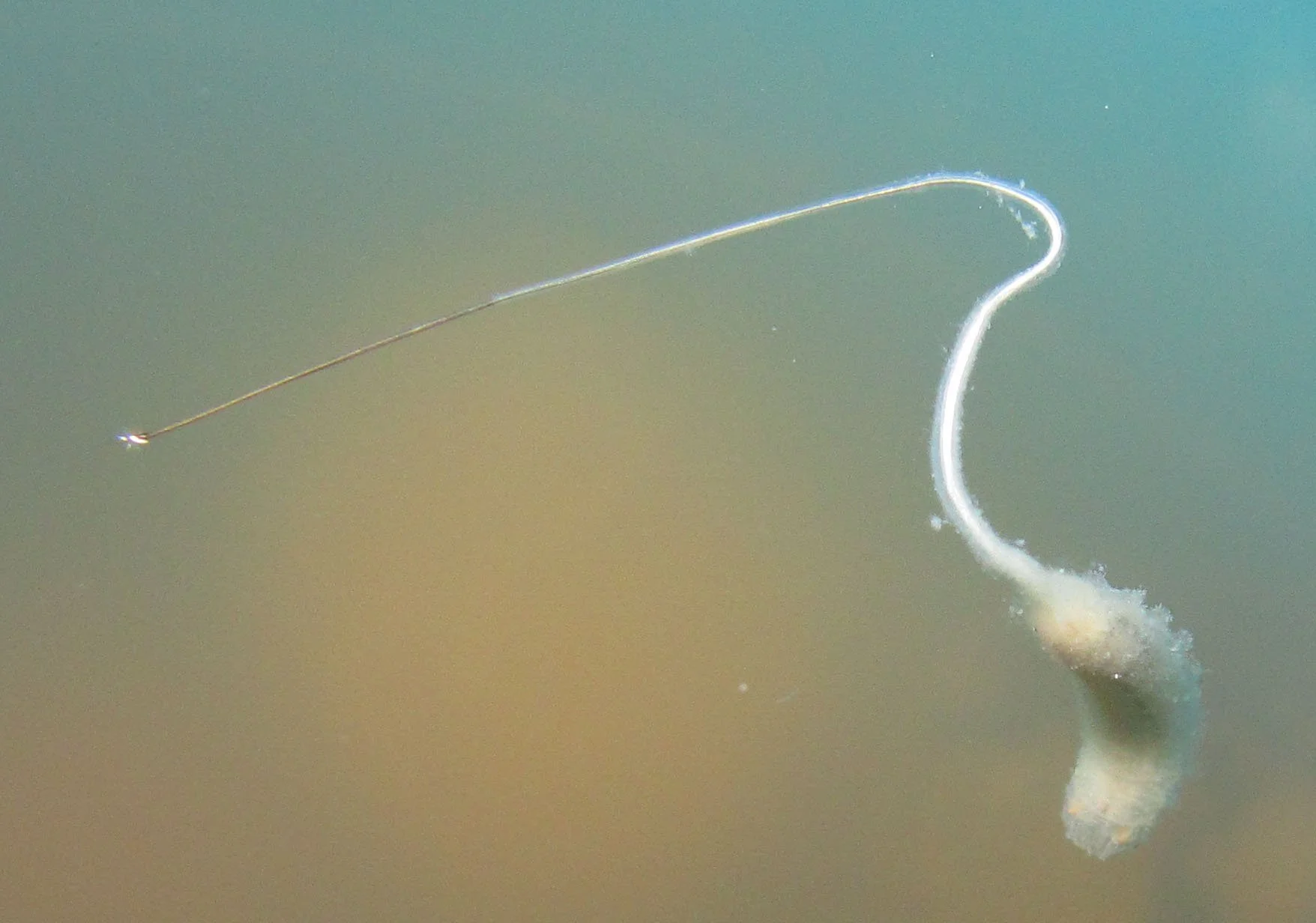
By Bipedia at English Wikipedia, CC BY 3.0, https://commons.wikimedia.org/w/index.php?curid=40701948
Moisture is the critical factor
The relationship between rat-tailed maggots and grain storage comes down largely to moisture management.
Grain storage facilities are designed to protect feed from water and maintain suitable conditions for long-term storage. When that protection is compromised, the consequences can extend beyond the grain itself.
Water entering through damaged seals, leaking fittings or poorly maintained roof connections can create damp areas around the structure. In some cases, rainwater collects around the base of the silo because the surrounding concrete does not drain effectively.
Condensation can also contribute to moisture problems within storage facilities, particularly when temperature differences develop between stored grain and the surrounding environment.
Although condensation and damp grain are important storage concerns, they should not be confused with the specific breeding requirements of rat-tailed maggots. The larvae need wet organic material and stagnant water rather than simply a damp patch of grain.
This distinction is important when investigating their presence. A farmer may spend considerable time examining the contents of a silo when the actual breeding environment is located outside the structure.
Blocked drainage channels, shallow depressions in concrete, wet feed residues and neglected collection areas can all deserve closer attention.
Why larvae may appear some distance from their breeding area
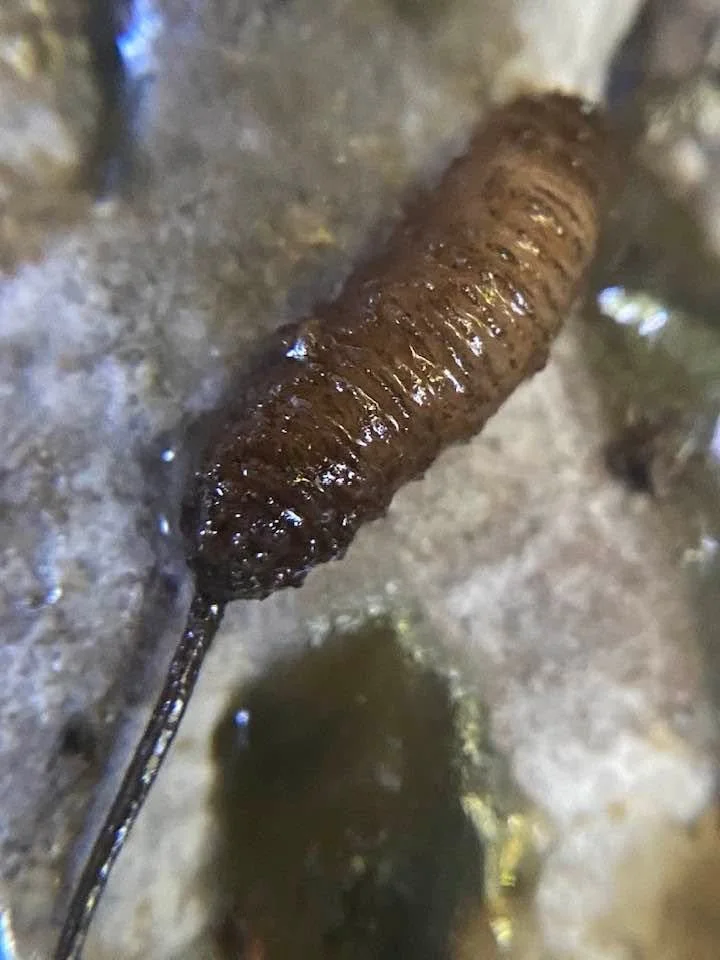
One of the more unusual characteristics of rat-tailed maggots is their ability to travel away from the water in which they have developed.
When they reach the final stage of their larval development, they leave their wet surroundings and move towards a drier location where they can complete their transformation into adult flies.
This means the larvae may be found crawling across concrete, beneath machinery, along building walls or around the base of a grain silo even though they did not develop in those locations.
For farmers, this behaviour can make identifying the original source more difficult.
A collection of larvae discovered beside a storage building may have originated in a drainage channel several metres away. Similarly, larvae found near an unloading area may have developed in a damp collection of old feed residues beneath another piece of equipment.
The location where they are discovered is therefore not necessarily the location where the problem began.
Observing where the larvae are moving can provide useful clues, particularly if several appear to be travelling away from the same wet area. However, a wider inspection is still necessary to identify the source.
Separating fly larvae from genuine grain pests
It is important not to confuse rat-tailed maggots with the insects that commonly affect stored grain.
Grain beetles, moths and other storage pests have life cycles directly associated with stored commodities. Depending on the species, they may feed on whole grain, broken kernels or processed feed materials.
Rat-tailed maggots have different requirements. They develop in stagnant water containing decomposing organic material and do not normally establish themselves within clean, dry grain.
This means the response to their discovery should also be different.
If larvae are found around a silo, the first consideration should be whether there is an accumulation of wet organic material nearby. At the same time, farmers should remain alert to any separate signs of stored-grain deterioration or insect activity.
Where there is uncertainty about the identity of the larvae, obtaining a reliable identification is worthwhile. Assuming every insect found around a silo is a grain pest can lead to the wrong problem being addressed.
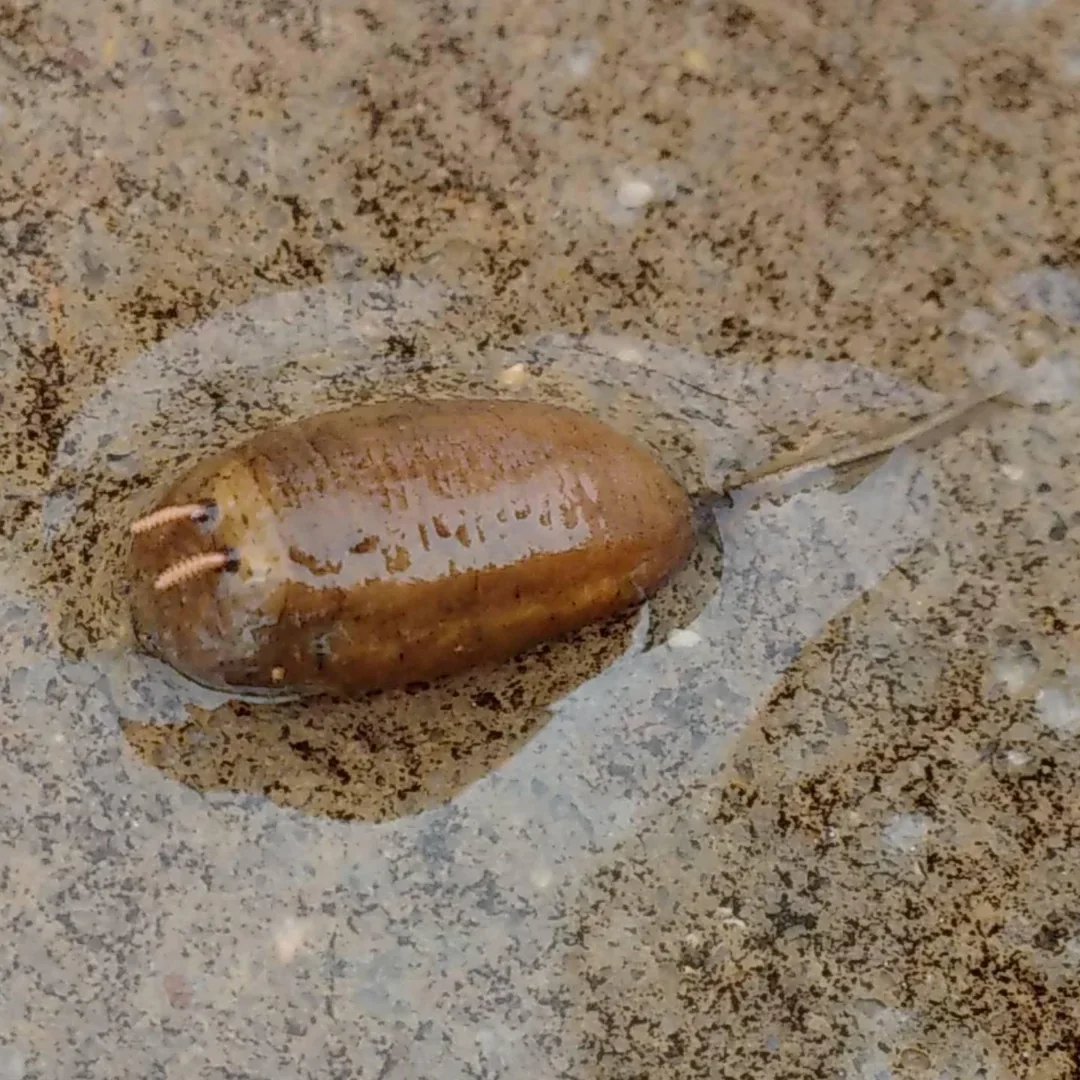
Keeping storage areas clean and well maintained
Maintaining a clean storage environment involves more than sweeping away visible grain spills.
The less accessible areas around a silo can gradually accumulate feed dust, broken grain and other organic residues. Once moisture enters these locations, cleaning becomes more difficult and the material can deteriorate.
Particular attention should be given to the base of storage structures, underneath conveyors, around augers, beneath unloading points and wherever equipment meets concrete.
These areas should be inspected regularly, especially following periods of heavy rain or when equipment has been washed down.
Drainage is equally important. Water should be able to move away from storage structures rather than collecting in shallow depressions or becoming trapped behind accumulated debris.
Where water consistently pools in the same location, simply removing it will not resolve the underlying issue. The drainage arrangement, surface levels or source of the water may need attention.
Feed spillage should also be cleaned up promptly. Allowing grain and meal to accumulate around storage equipment creates unnecessary waste and can contribute to other pest and hygiene problems.
A well-maintained storage area should have minimal organic build-up, no persistent standing water and no obvious signs of moisture entering the facility.
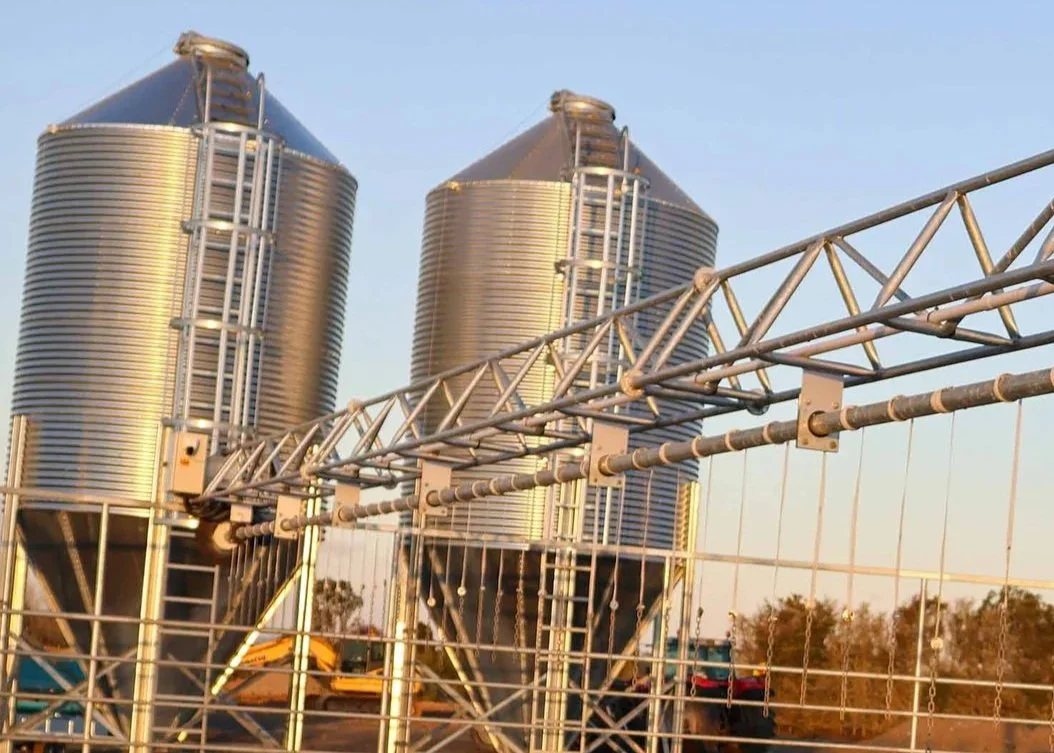
Photo by Dianna Malcolm
Protecting the quality of stored feed
While rat-tailed maggots are not conventional grain pests, their appearance around storage infrastructure should encourage farmers to take a closer look at overall storage conditions.
Moisture entering a silo can create much more significant problems than the presence of fly larvae outside the structure. Grain that becomes damp may deteriorate, heat up or develop mould, potentially affecting its suitability for feeding.
Regular monitoring of grain moisture and temperature is important, particularly where feed is being stored for extended periods. Changes in temperature, unusual smells, condensation or visible deterioration should be investigated rather than ignored.
The condition of the silo roof, walls, seals, access points and unloading equipment also deserves attention. Even relatively minor defects can allow water to enter or create locations where residues and moisture accumulate.
Cleaning and maintenance should be undertaken with appropriate care around augers, conveyors and other moving machinery. Silo entry and confined-space work also require suitable safety procedures.
Understanding the bigger picture
Rat-tailed maggots are an unusual discovery around a grain silo, but their appearance does not necessarily mean the stored grain is infested or unsuitable for feeding.
Their presence is more closely associated with stagnant water and decomposing organic material, which may be found in neglected areas surrounding storage infrastructure.
For dairy farmers, the important consideration is to identify where the larvae have developed rather than concentrating solely on where they have been discovered.
A thorough inspection of drainage, feed handling equipment, concrete surfaces and areas where moisture may be collecting can help establish the source. Addressing the conditions that allow the larvae to develop is far more effective than simply removing those that have become visible.
Grain storage is a valuable investment in the day-to-day operation of a dairy farm. Maintaining clean surroundings, preventing moisture ingress and keeping feed handling equipment free from accumulated residues all contribute to protecting that investment.
An unexpected sighting of rat-tailed maggots may be unpleasant, but it can also provide a useful reminder that good storage management extends beyond the walls of the silo. The condition of the surrounding environment matters just as much when it comes to maintaining a clean, reliable and well-managed feed storage facility.