
Here we are exploring unwanted pests on New Zealand dairy farms. Lets begin with two familiar but often underestimated visitors: rats and mice. While rodents may appear to be an unavoidable part of rural life, their presence around dairy farm buildings, feed storage areas and machinery sheds can create problems that extend well beyond a few droppings or the occasional chewed bag. Their ability to breed quickly, exploit small gaps and establish themselves in areas where food and shelter are readily available makes them particularly persistent farm residents.
For dairy farmers, rodents are not simply a nuisance to be dealt with when numbers become noticeable. They can affect feed hygiene, damage valuable equipment, create electrical hazards and establish populations in places that receive little attention during everyday farm routines. Understanding where they live, how they behave and what makes a farm attractive to them is an important part of recognising the scale of the problem.
Two rodents, different habits
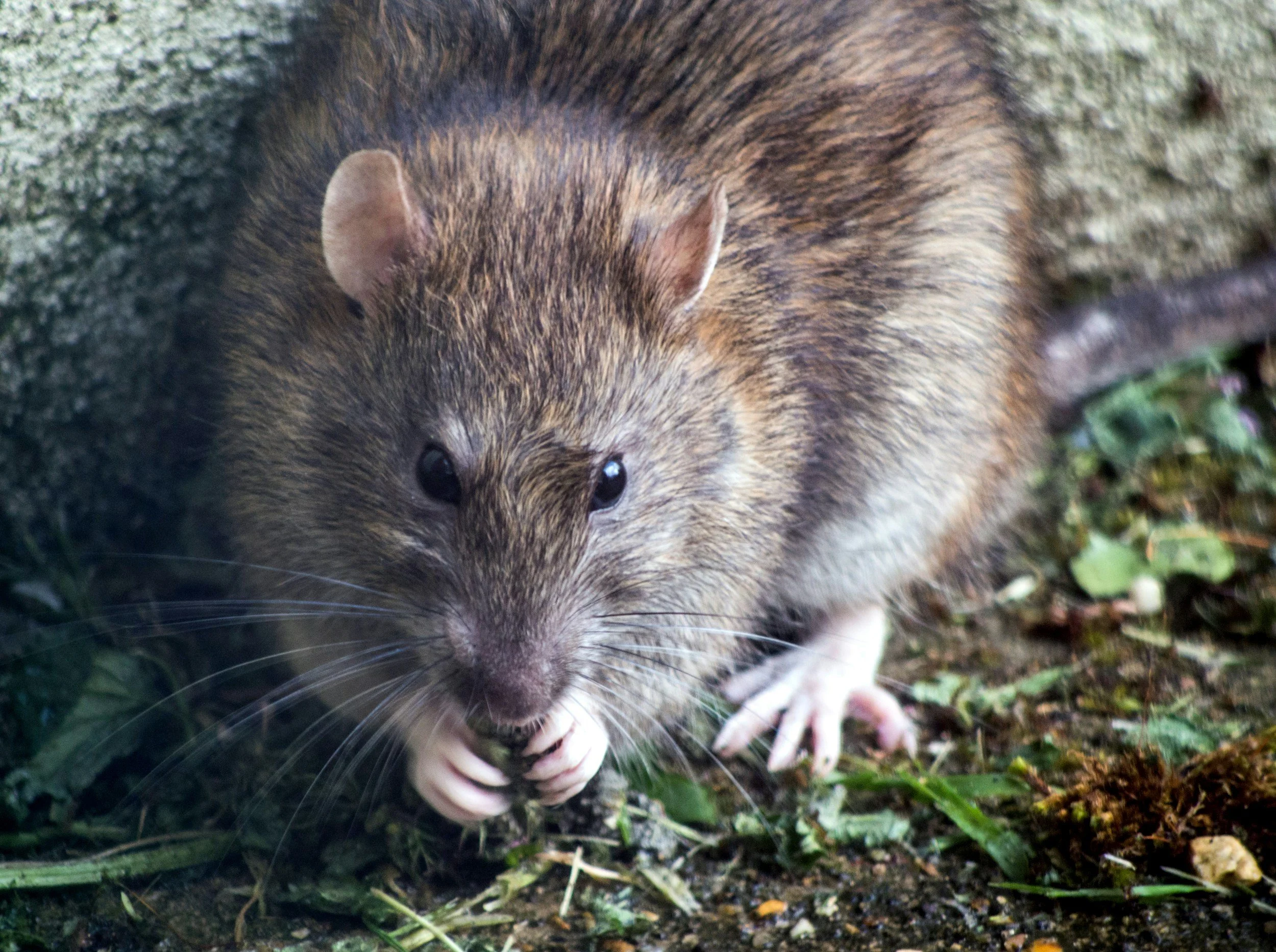
Although rats and mice are often discussed together, they have different characteristics and behaviours that influence where they establish themselves and how they move around farm properties.
The Norway rat, sometimes called the brown rat, is a common rural rodent. It is generally larger and heavier than a mouse, with a relatively blunt nose, small ears and a thick tail that is shorter than its body and head combined. Norway rats are capable burrowers and frequently establish themselves around building foundations, under concrete edges, beside feed storage areas and in sheltered ground locations.
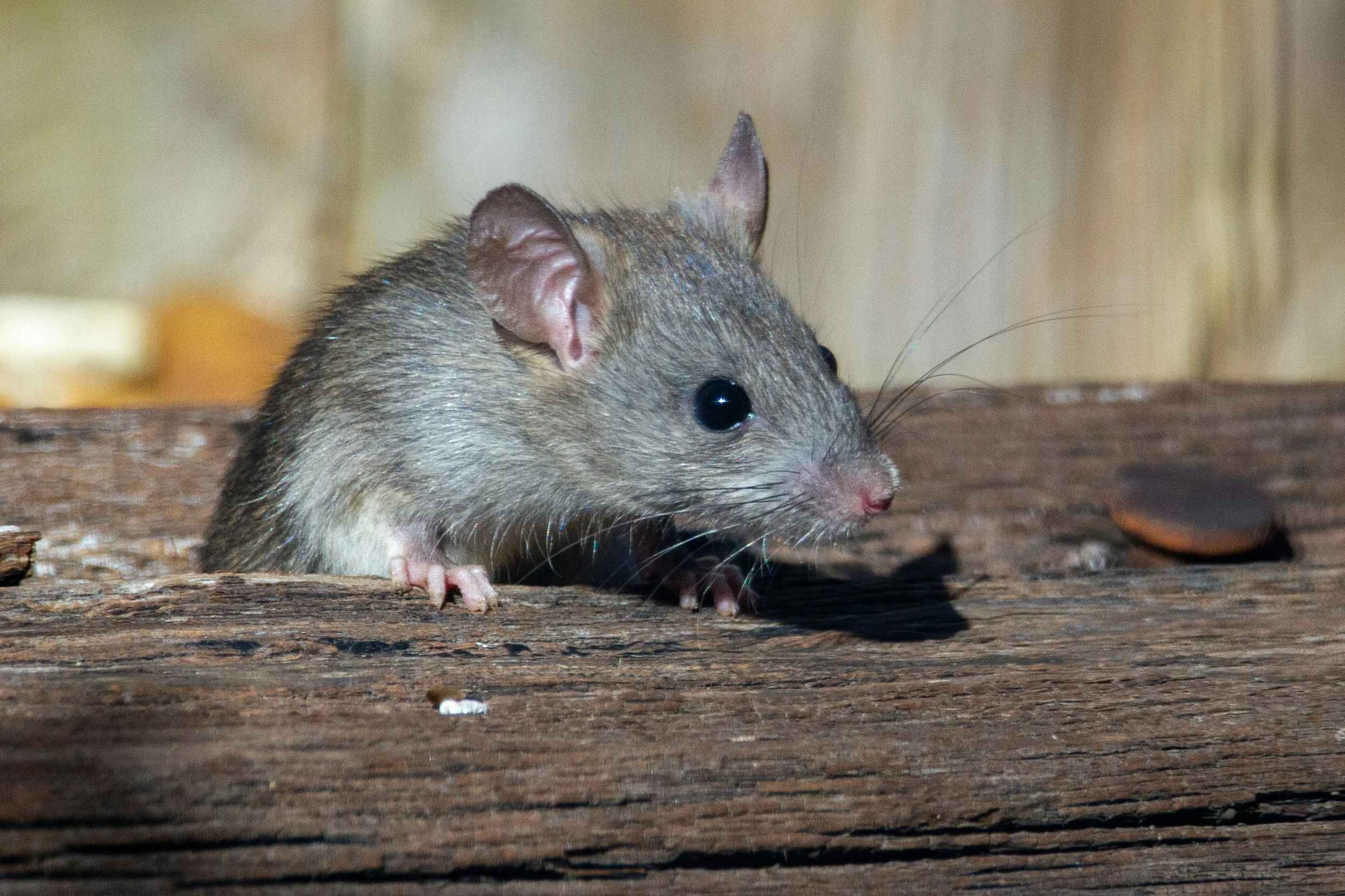
The ship rat, also known as the roof rat, is generally more agile and is an accomplished climber. It can establish itself in roof cavities, wall spaces, elevated storage areas and the upper sections of farm buildings. Its ability to move through overhead spaces means activity may be occurring above a farmer's usual line of sight, with little obvious evidence at ground level.
House mice are considerably smaller and can exploit very narrow openings to enter buildings. They are curious, adaptable and capable of establishing themselves inside machinery cupboards, storage cabinets, wall cavities and feed rooms. Their small size makes them particularly difficult to detect during the early stages of an infestation.
These differences matter because identifying the type of rodent involved can help establish where to investigate and which areas of a building are most likely to be harbouring activity.
Why dairy farms provide attractive conditions
Dairy farms offer many of the conditions rodents need to survive. Feed is stored in multiple locations, buildings provide protection from weather and predators, and machinery and equipment create countless sheltered spaces.
A feed shed can be particularly attractive because it provides both food and cover. Spilled meal, grain, calf pellets and other supplementary feeds can provide a dependable food source when access is available. Once rodents discover a reliable supply, they may continue returning to the same location and establish nesting sites nearby.
The problem is not necessarily limited to buildings used for feed storage. Workshop areas can provide warmth and shelter, while chemical and equipment storage rooms may contain undisturbed spaces suitable for nesting. Calf sheds, implement sheds and areas beneath elevated flooring can also offer opportunities for rodents to settle.
Even buildings that are not used every day can become established nesting locations. Quiet corners, stacked materials and equipment that remains stationary for extended periods create sheltered environments where rodents can live with little disturbance.
A rodent problem does not always begin with a large population. It can start with a small number of animals discovering a dependable source of food and shelter.
The hidden damage caused by rodents
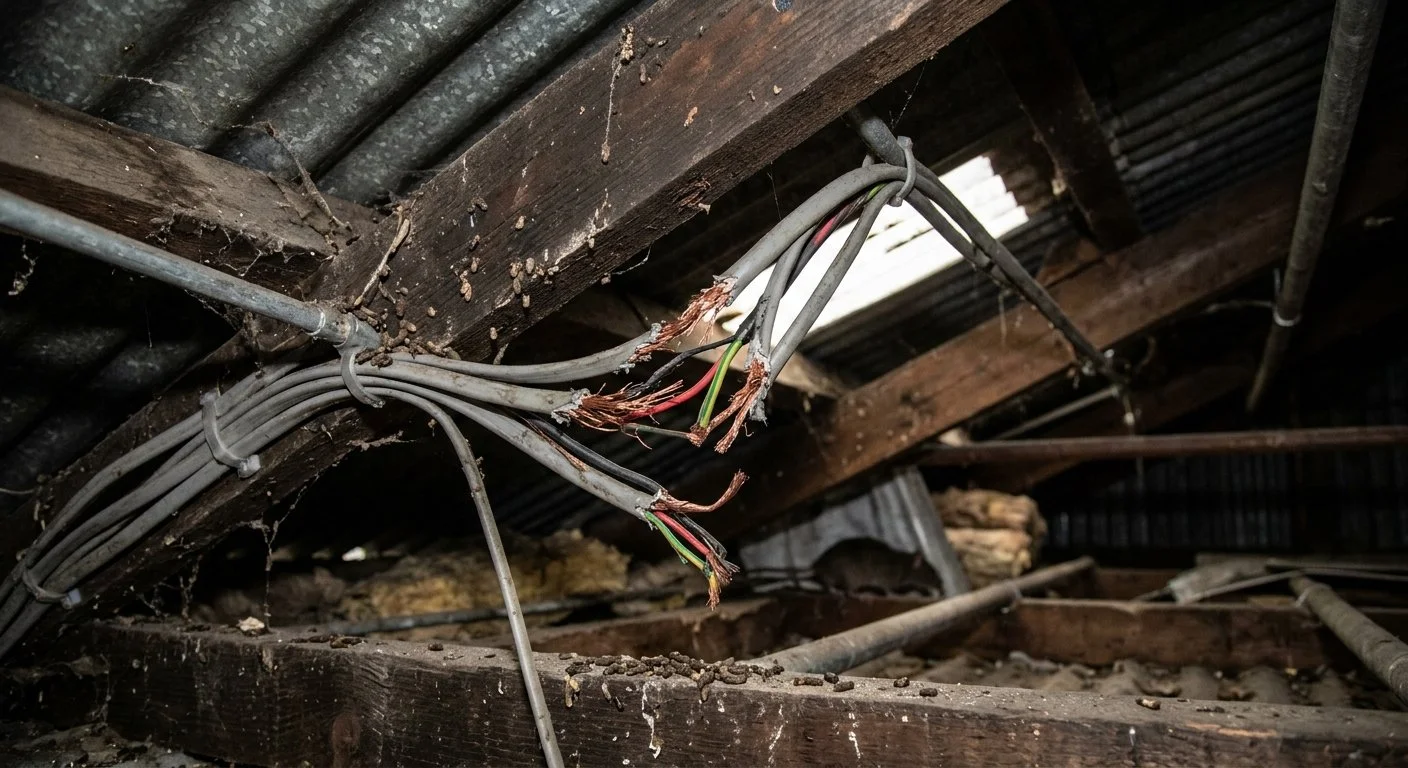
One of the more costly aspects of a rodent infestation is the damage that can occur before anyone realises how active the population has become. Rats and mice have continuously growing front teeth, which means they must gnaw regularly to keep them worn down. This natural behaviour can result in damage to a surprising range of materials found around farm buildings.
Electrical wiring is a particular concern. Rodents may chew insulation around cables, exposing electrical conductors and potentially creating short circuits or fire hazards. Wiring inside machinery, switchboards, pumps and building cavities can be affected, making the problem difficult to identify until an electrical fault develops.
Plastic pipes, rubber components, insulation materials, packaging and stored equipment can also be damaged. In workshops, rodents may chew through containers or contaminate stored materials while searching for nesting material.
Feed packaging is another common target. Bags can be gnawed open, allowing meal and grain to spill onto floors where it becomes mixed with droppings, urine and nesting debris. Even when the amount of feed lost appears relatively small, repeated damage can result in unnecessary wastage and additional cleaning.
The cost of rodents is therefore not always measured by the amount of feed they consume. Damage to infrastructure, electrical systems and equipment can create a much larger financial consequence.
Feed contamination and farm hygiene
Rodents can travel across considerable areas of a farm, moving between drains, rubbish storage, animal housing, feed sheds and surrounding ground. During these movements, they can carry dirt and microorganisms on their feet and bodies.
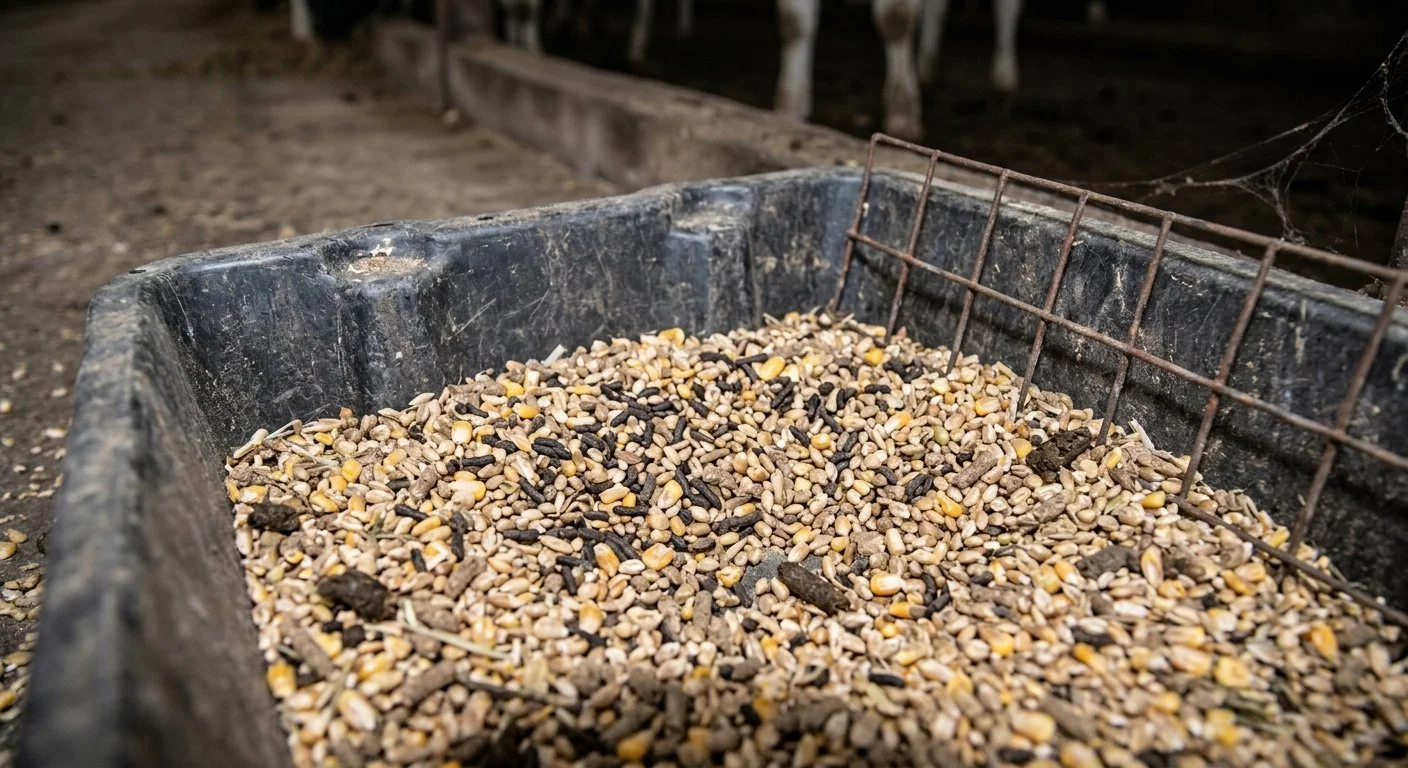
Their droppings and urine can contaminate surfaces, feed packaging, stored ingredients and equipment. This is particularly undesirable in areas where feed is handled or prepared for livestock.
A bag of meal with a small hole may not initially attract attention, especially when stored among other supplies. However, once rodents have gained access, contamination can extend beyond the visible damage. Urine can soak into packaging and surrounding materials, while droppings may be concealed beneath stored products or behind equipment.
Feed that has been exposed to rodent contamination should not simply be mixed with clean material in an attempt to avoid wastage. Its suitability for feeding needs to be assessed, and visibly contaminated material should be removed and disposed of appropriately.
There is also a broader hygiene consideration. Rodents can carry organisms capable of causing disease in animals and people. Their presence around farm buildings therefore deserves attention from both an animal health and a workplace hygiene perspective.
How quickly can a population grow?
Rodents are particularly difficult to manage once established because of their reproductive capacity.
House mice can begin breeding at a young age, and females can produce several litters during a favourable breeding period. A litter commonly contains several young, and those offspring can reach reproductive maturity within weeks.
Rats also reproduce relatively quickly. Under suitable conditions, females can produce multiple litters in a year, with several young in each litter. When food, water and nesting sites are readily available, populations can increase considerably.
This does not mean every mouse or rat sighting will develop into a major infestation. Outdoor conditions, predators, food availability and environmental pressures all influence survival and breeding success. However, buildings that provide consistent shelter and food can support populations throughout the year.
One of the reasons early detection matters is that rodents are generally more active when people are not around. A farmer may enter a feed shed during daylight hours and see very little evidence of activity, while animals are moving through the same building overnight.
By the time regular sightings occur during the day, the population may already be well established or competing for available food and shelter.
Recognising the signs of rodent activity
Seeing a rat or mouse is an obvious indication of activity, but there are other signs that can reveal their presence.
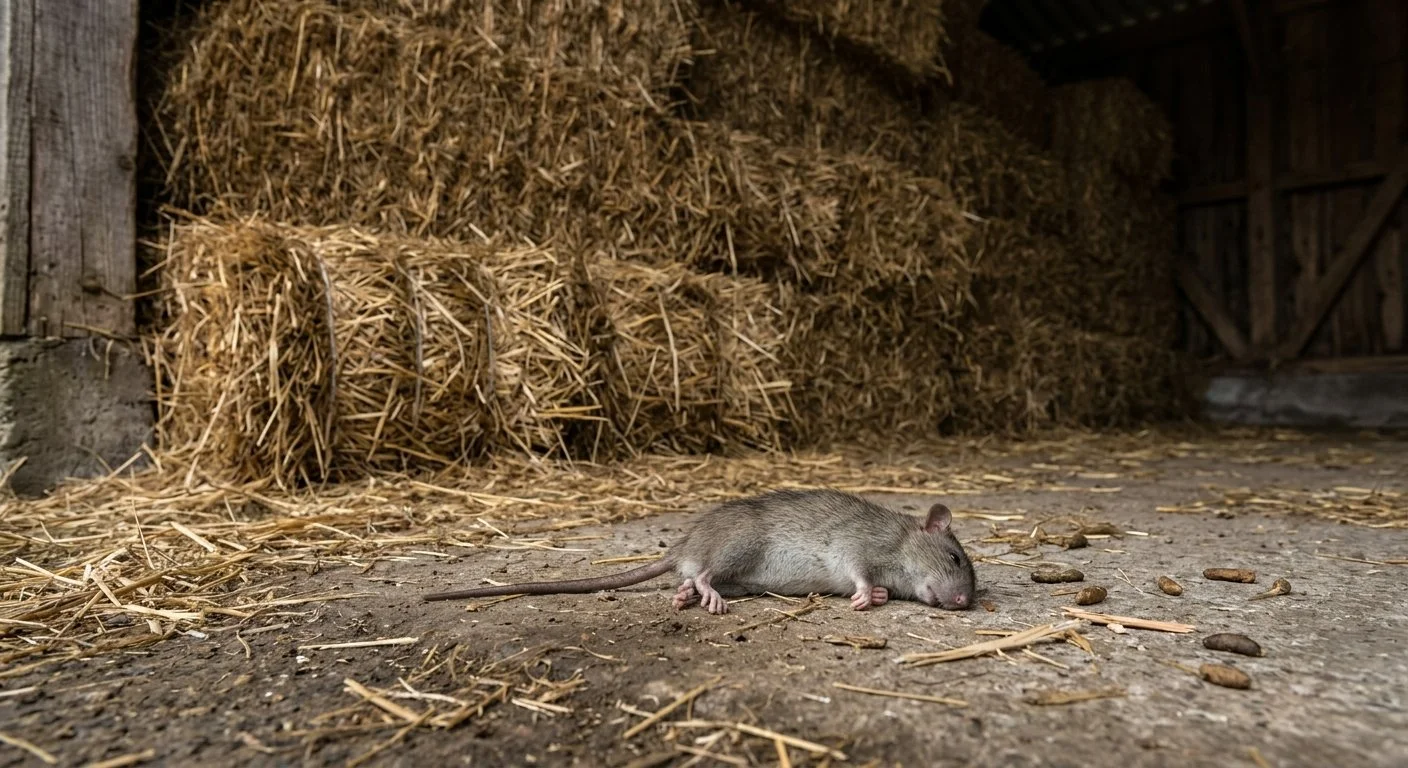
Droppings are among the most recognisable indicators. Mouse droppings are small and pointed, while rat droppings are considerably larger. Their appearance and location can help indicate which species may be present.
Gnaw marks on packaging, timber, plastic and electrical insulation are another warning sign. Fresh damage may appear lighter in colour than older marks, particularly where the underlying material has recently been exposed.
Rodents also leave greasy marks as their bodies repeatedly brush against walls, beams and other surfaces along established travel routes. These marks can become visible around openings, behind stored equipment and along the edges of buildings.
Nesting material is another clue. Shredded paper, insulation, fabric, dried vegetation and other soft materials may be gathered into sheltered locations. Nests are often found in quiet spaces where animals can remain undisturbed.
In some circumstances, a strong musty or ammonia-like smell may develop in an enclosed area where rodent activity has been concentrated. This can be particularly noticeable in cupboards, roof cavities and storage rooms.
Scratching or movement sounds within ceilings and wall cavities may also indicate activity, especially overnight. Although these sounds can have other explanations, they are worth investigating when accompanied by droppings or damage.
Why buildings can hide an established infestation
Farm buildings are often designed around practicality rather than making every space easy to inspect. Machinery, shelving, stored equipment and structural cavities can create sheltered environments that rodents readily exploit.
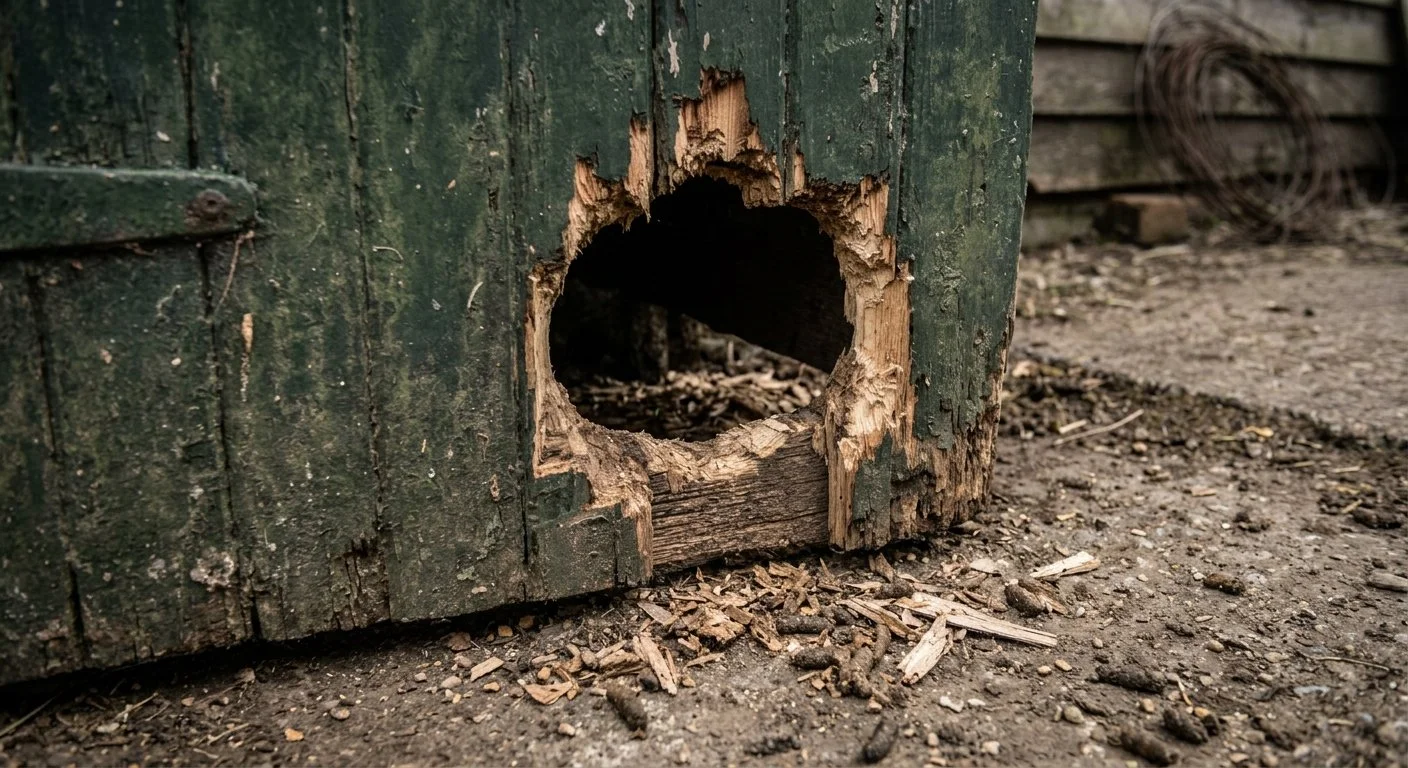
A rat may enter through a damaged section beneath a door, a gap around a pipe or an opening where building materials have deteriorated. Mice can use much smaller gaps, making it difficult to achieve effective exclusion without examining the building carefully.
Roof spaces can be particularly challenging. Ship rats are capable climbers and may travel along rafters, pipes and overhead structural members. They can move between sections of a building without ever appearing on the floor.
Stored items can also make detection difficult. Feed bags stacked directly against walls, unused machinery and piles of packaging provide cover and reduce visibility. Rodents can establish nests within these materials, leaving little indication of their presence until the area is disturbed.
This is why the general condition and organisation of farm buildings can influence how easily a rodent population establishes itself. Areas that are difficult to access and rarely disturbed can become long-term hiding places.
Managing rodents around the dairy farm
Controlling rodents requires more than placing a few traps around a building. If the conditions attracting them remain unchanged, new animals can continue moving into the same locations and the problem may persist.
The first consideration is access to food. Feed spills should be cleaned up rather than left overnight, and opened bags should be stored in suitable sealed containers. Where possible, feed should be kept off the floor and away from walls so that storage areas remain easier to inspect.
Waste management also plays a role. Rubbish, discarded packaging and old feed containers can provide both food and nesting material. Keeping these materials contained and removing unnecessary accumulations reduces the opportunities available to rodents.
Building maintenance is equally important. Damaged door seals, gaps around service pipes, broken vents and openings beneath cladding can all provide entry points. Sealing suitable openings with durable rodent-resistant materials can make buildings considerably less accessible.
It is worth remembering that expanding foam alone is not a reliable barrier against determined rodents, as they can gnaw through many softer materials. Repairs need to be appropriate for the size of the opening and the structure involved.
Where rodent activity has become established, a planned control programme may be necessary. Trapping and appropriately selected rodenticides can form part of that approach, but placement and management need careful consideration.
Rodent baits must be used in accordance with their approved instructions and secured in suitable tamper-resistant bait stations. This is particularly important on dairy farms where cattle, dogs, cats, wildlife and children may have access to buildings and surrounding areas. Carcasses should also be located and removed where practical to reduce the risk of secondary exposure to other animals.
Traps and bait stations should be checked regularly, and activity should be recorded so that farmers can determine whether control measures are working. Where infestations are extensive or difficult to locate, professional pest management assistance may be appropriate.
The importance of staying ahead of the problem
Rodents are adaptable animals, and their ability to exploit small opportunities makes them particularly challenging around busy farming operations. A building does not need to be neglected or poorly maintained to attract them. Sometimes a small opening, an overlooked feed spill or an undisturbed storage corner is enough to provide the beginning of an infestation.
The challenge for dairy farmers is that rodent activity can develop quietly. By the time damage becomes obvious, the animals may have established several nesting locations and regular travel routes throughout a building.
Treating rodent management as part of general farm maintenance rather than an occasional response to sightings can make a considerable difference. Paying attention to changes in feed storage, building condition and signs of activity helps identify problems before they become more difficult and expensive to resolve.
Rats and mice may be familiar visitors in rural environments, but that does not mean their presence should be accepted around feed stores, machinery sheds and dairy farm buildings. Their ability to contaminate supplies, damage equipment and create health and safety concerns makes them pests worth taking seriously.