
This is Day 7, the final day of our seven-day series, Masterclass in pasture & feed management, and today we are looking at something that is already being produced on every dairy farm – effluent.
Slurry, dairy shed effluent and other forms of farm effluent are often thought of primarily as something that needs to be contained, managed and disposed of appropriately.
But there is another way to look at it.
Effluent contains nutrients that have come from the farm's feed and fertiliser inputs. When those nutrients are captured, stored and applied appropriately, they can contribute to pasture fertility and help return some of those nutrients to the land.
That does not mean effluent is a substitute for a complete fertiliser programme, nor does it mean more effluent automatically equals more grass. The value comes from managing it carefully and understanding what the farm already has.
In a feed system where every kilogram of pasture matters, making better use of nutrients already on the farm makes good sense.
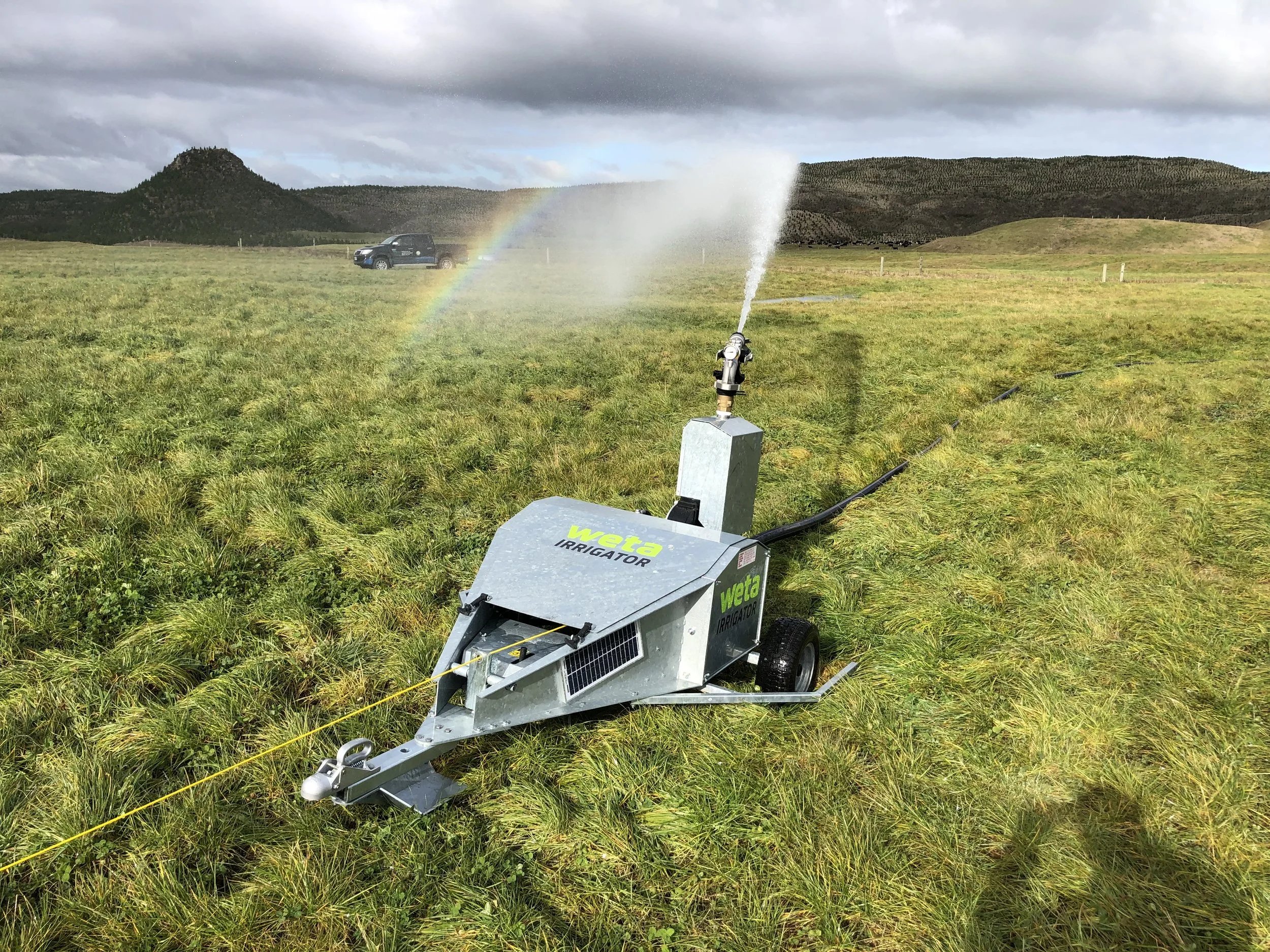
Image supplied by AgFirst Engineering
From waste product to farm resource
The word “waste” can sometimes make effluent sound as though it has no value.
Yet what leaves the dairy shed or enters the effluent system has originated largely from the cows and the feed they have consumed. It contains nutrients that can potentially be recycled back into the pasture system.
The challenge is getting those nutrients from the effluent storage system to the paddock in a way that benefits the pasture and minimises losses.
That requires planning.
Storage capacity, soil conditions, weather, application method, application rate and paddock selection all influence the outcome.
The goal is not simply to get the effluent out of the pond.
The goal is to put the nutrients where they can be used.
“Effluent is not just something to get rid of. Managed well, it is part of the farm’s nutrient cycle. Know what you are applying”
Not all effluent is the same.
Its nutrient content can vary depending on what is entering the system, how much water is involved, the type of effluent storage and how the material has been managed.
That means farmers should avoid assuming that every application contains the same amount of useful nutrient.
Where testing is available and practical, knowing the nutrient content can help make more informed decisions about how effluent fits into the overall fertiliser programme.
This becomes particularly important when trying to reduce unnecessary fertiliser expenditure.
If the farm already has nutrients available through effluent, those nutrients should be considered when planning other fertiliser applications.
It is about managing the total nutrient budget rather than treating each input as a completely separate exercise.
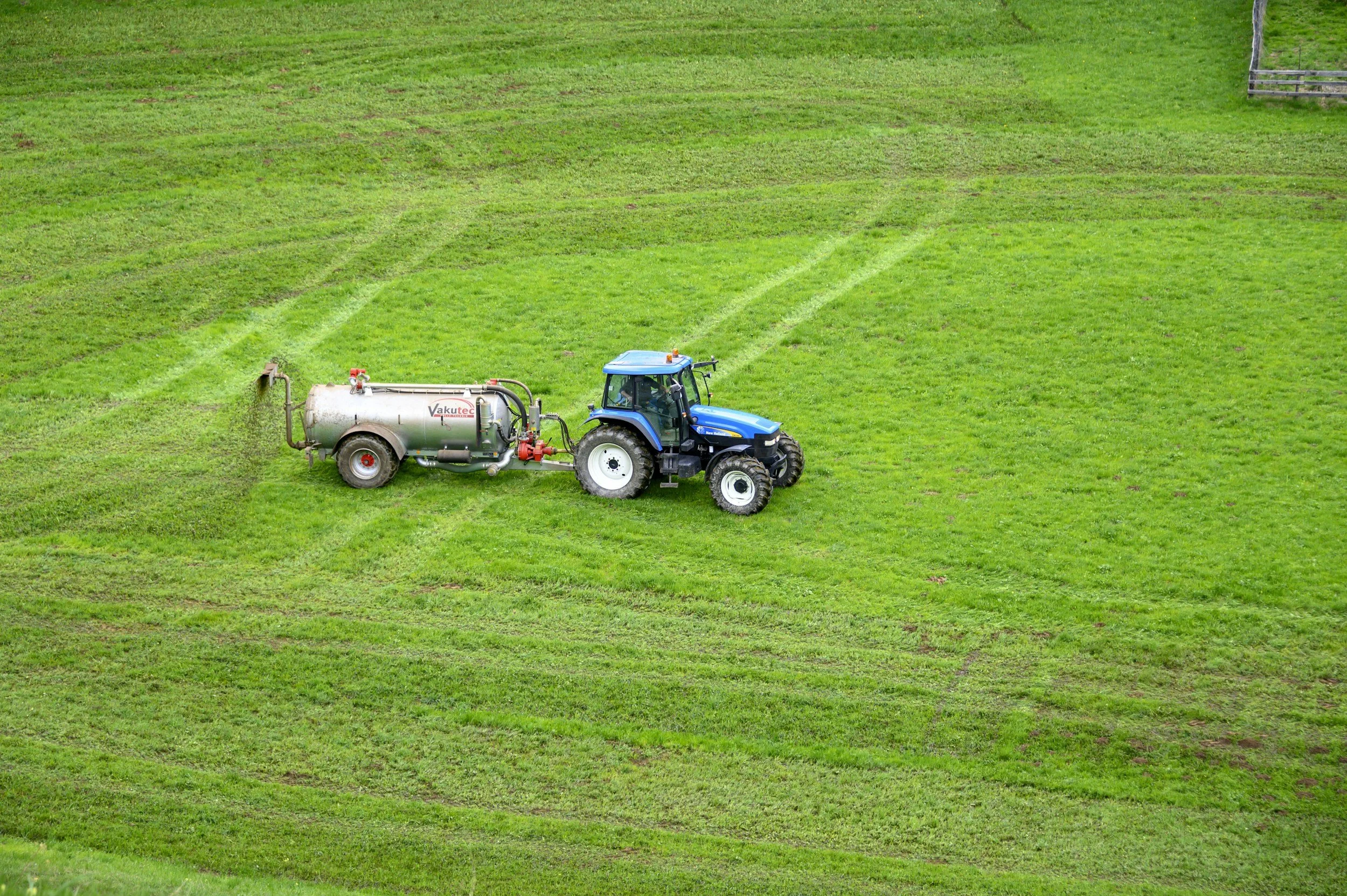
Apply when the paddock can use it
Timing matters.
Applying effluent when soil conditions are suitable gives the pasture a better opportunity to make use of the nutrients.
Wet soils can create problems with runoff, ponding and soil damage, while applying nutrients immediately before heavy rainfall can increase the risk of nutrients moving away from where they were intended to go.
At the other end of the scale, very dry conditions may limit immediate pasture response.
The farmer therefore needs to consider the soil, the weather and the condition of the paddock before application.
This is where having sufficient storage becomes more than an environmental requirement.
Storage provides flexibility.
Instead of being forced to apply effluent simply because the storage system is approaching capacity, the farmer has more opportunity to wait for suitable conditions.
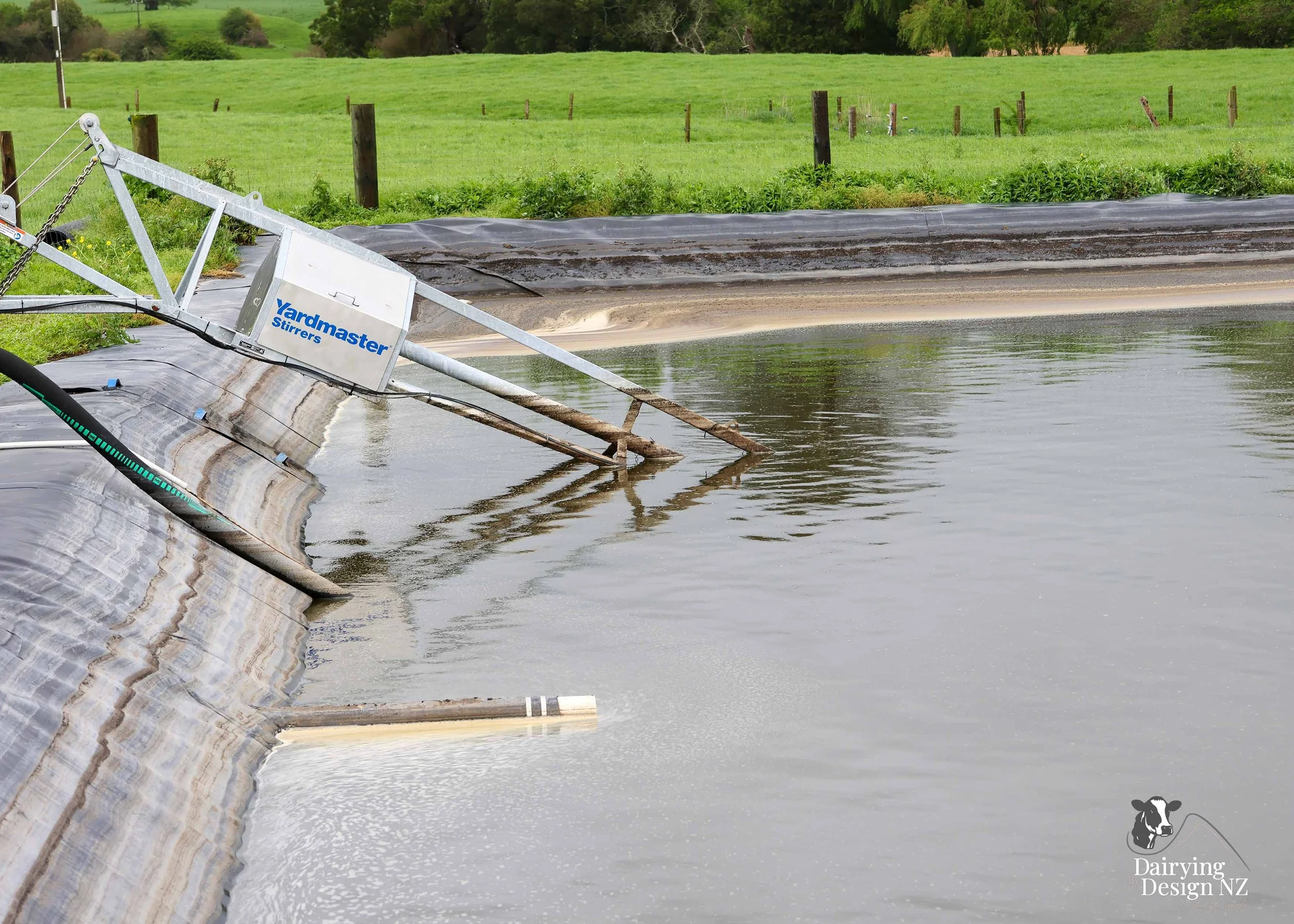
Photo by Dianna Malcolm
Storage is part of the feed system
Effluent storage might seem a long way removed from pasture management.
It is not.
If storage capacity is inadequate, the farmer can lose flexibility over when effluent can be applied. That can lead to applications being driven by storage requirements rather than pasture and soil conditions.
Adequate storage can provide a buffer.
It allows effluent to be held until the paddock and weather conditions are more suitable, making the nutrient resource more useful.
This is another example of infrastructure influencing the efficiency of the wider farming system.
Good storage is not simply about containing effluent.
It can help farmers manage nutrients more strategically.
Think about where the nutrients are going
A dairy farm does not necessarily need the same nutrient inputs on every paddock.
Some areas may be carrying higher pasture covers and receiving regular grazing. Other paddocks may have different soil fertility levels, different production histories or different nutrient requirements.
This creates an opportunity to think strategically about where effluent is applied.
Rather than treating the whole farm as one uniform block, consider which areas could make the best use of the available nutrients.
Effluent application should still be managed within the farm's overall nutrient and regulatory requirements, but the basic principle is straightforward: put the resource where it has a useful job to do.
Effluent and pasture growth
When conditions are suitable, nutrients supplied through effluent can contribute to pasture growth.
That response will depend on what nutrients are present, what the soil already contains, the condition of the pasture and the environmental conditions at the time.
This is why effluent should not be viewed as a guaranteed short-term grass booster.
The value can be both immediate and longer term.
Some nutrients can contribute to current pasture growth, while others become part of the wider nutrient cycle within the soil.
The important thing is to understand what the farm needs and how effluent fits into the overall fertility strategy.
Don't apply more than the paddock needs
More is not necessarily better.
Applying excessive nutrients does not automatically result in more useful pasture. There can be diminishing returns, and inappropriate application can increase the risk of nutrient losses.
This is particularly important when farmers are looking at effluent as a way to reduce fertiliser expenditure.
The objective is not to replace one blanket application with another.
It is to use the nutrients already available as efficiently as possible.
That means considering application rates, paddock requirements, soil fertility and the wider nutrient budget.
Distribution matters
Getting effluent from the storage system to the paddock is only part of the job.
It also needs to be distributed reasonably evenly.
Uneven application can mean one area receives more nutrients than intended while another receives very little. That reduces the efficiency of the resource and can create unnecessary variation in pasture growth.
Application equipment therefore matters.
Whether effluent is being spread through irrigation, travelling systems or other suitable application methods, the system should be capable of delivering a consistent application at an appropriate rate.
This is one area where infrastructure investment can have a practical payback.
A well-designed system can make nutrient recycling easier, more controlled and less labour-intensive.

Don't forget the soil
Effluent management is ultimately soil management.
The soil is the storage bank for many of the nutrients being returned to the farm, and its condition influences how effectively those nutrients are retained and used.
Soil structure, drainage and moisture all matter.
Applying effluent to a paddock that is already saturated is very different from applying it when the soil has enough capacity to accept the liquid without runoff or ponding.
That means farmers need to look at the paddock rather than simply the calendar.
A date on the wall does not tell you whether the soil is ready.
The soil itself does.
Make effluent part of the fertiliser plan
One of the biggest opportunities for better effluent management is treating it as part of the farm's fertiliser programme.
Instead of deciding how much fertiliser to apply and then separately deciding where the effluent needs to go, bring the two decisions together.
What nutrients are already being returned through effluent? Which paddocks are receiving those nutrients? What does the rest of the farm require? Where are the gaps?
This approach can reduce duplication.
It can also provide a clearer picture of the farm's overall nutrient flows.
When nutrient inputs are considered together, the farmer is better positioned to identify opportunities to reduce unnecessary applications while still maintaining productive pasture.
Fertiliser savings need to be real
There is understandable interest in reducing fertiliser costs, particularly when input prices are high.
Effluent can contribute to that goal, but the saving needs to be based on what nutrients are actually being supplied.
Simply cutting fertiliser because effluent has been applied is not necessarily a saving if the pasture subsequently becomes deficient and production suffers.
The objective is to substitute appropriately where the nutrient supply allows it, not to under-fertilise the farm.
Good nutrient management is therefore about efficiency rather than simply reducing the fertiliser bill.
Labour matters too
Effluent systems can also influence the amount of labour required to manage nutrients.
Older or labour-intensive systems may require significant time and machinery to move effluent around the farm. Modern infrastructure can potentially make the process more automated and consistent.
This is particularly relevant when farmers are looking at infrastructure investment.
The question should not only be, “What does this system cost?”
It should also be, “What does it save in labour, flexibility, nutrient losses and input efficiency over its working life?”
A system that makes good effluent management easier can provide value well beyond the effluent itself.
Keep the system working properly
An effluent system is only as useful as its maintenance.
Pumps, lines, storage facilities, irrigators and other components all need to be monitored and maintained. A small fault can quickly become a significant problem if it results in poor application, unexpected downtime or storage pressure.
Regular checks can help identify problems before they become emergencies.
This is particularly important during periods when effluent application opportunities are limited.
A system that works reliably gives the farmer greater flexibility to take advantage of suitable conditions when they arrive.
The bigger picture
There is a common thread running through all seven days of this series.
Good feed management is not about one isolated practice.
The feed wedge tells you what is coming. Regular pasture walks tell you what is happening. Summer planning protects the feed base. Cropping can fill strategic gaps. Feed push-ups help cows access available feed. Residual management protects future pasture growth.
Effluent management then closes another part of the loop by returning nutrients to the land.
The farm becomes a connected system.
Grass is grown. Cows harvest it. Nutrients leave the paddock in milk and manure. Some nutrients are captured through the effluent system and returned to the soil. Pasture grows again.
The more efficiently that cycle operates, the less the farm needs to rely on inputs that have to be purchased and brought onto the property.
Every nutrient has a journey
It can be useful to think about nutrients as having a journey rather than simply appearing and disappearing.
Feed brings nutrients onto the farm. Cows consume that feed. Some nutrients leave in milk and animals, while others return through dung and urine. Dairy shed effluent captures another portion of those nutrients.
The farmer's job is to manage that journey.
The better the system captures, stores and redistributes nutrients, the greater the opportunity to retain value within the farm.
That is not just an environmental consideration.
It is an efficiency consideration.
Good management adds up
None of the practices covered during this seven-day series is a magic solution.
A feed wedge does not grow grass by itself. A crop does not automatically solve a feed deficit. A feed push-up does not guarantee more milk. Leaving a particular residual does not make every paddock perfect. Effluent does not replace every fertiliser input.
But together, good decisions across the whole feed system can make a significant difference.
The common theme is efficiency.
Grow the grass well. Harvest it effectively. Protect the plant. Fill genuine seasonal gaps. Make feed accessible. Recycle nutrients where appropriate. Then start the process again.
That is the real masterclass.
Effluent should be considered as part of the farm's nutrient resource rather than simply something that needs to be disposed of.
Understand what your effluent contains, maintain adequate storage and apply it when soil and weather conditions are suitable. Consider where the nutrients are most useful and bring effluent applications into the wider fertiliser and nutrient-management plan.
The goal is not simply to reduce fertiliser use. It is to make better use of every nutrient already moving through the farm.
When the infrastructure is right and the management is right, effluent can become another tool for supporting productive pasture and improving input efficiency.
And that brings us back to where this series began: grazed grass.
It may be the cheapest feed source on the farm, but getting the most from it takes far more than simply opening a gate.
It takes observation, planning, timing and a whole-farm approach to managing the resources that make that grass grow.
And that brings us to the end of our seven-day Masterclass in pasture & feed management. Thanks for coming along for the ride, and we hope the series has given you a few ideas to take back out onto the farm and look at your own grass, feed and nutrient systems with fresh eyes. Until the next Dairying by Design series, keep watching the grass – it is always telling you something.