

Join us for Day 4 of our seven-day series, Masterclass in pasture & feed management, and today we are looking at where strategic cropping fits into a well-managed dairy feed system.
A crop can be a valuable tool on a dairy farm, but the best cropping programmes are not necessarily about growing the biggest crop or putting as many hectares as possible into cultivation. They are about identifying where the farm is likely to run short of feed, then using cropping strategically to help fill that gap.
The key word is strategic.
A crop should have a job to do.
It might provide additional summer feed when pasture growth is restricted, help bridge a winter shortage, support pasture renovation, provide an opportunity to control weeds or give a particular paddock a chance to be reset and brought back into the grazing platform.
When cropping is planned as part of the whole farm feed system, it becomes much more than simply growing another feed source.
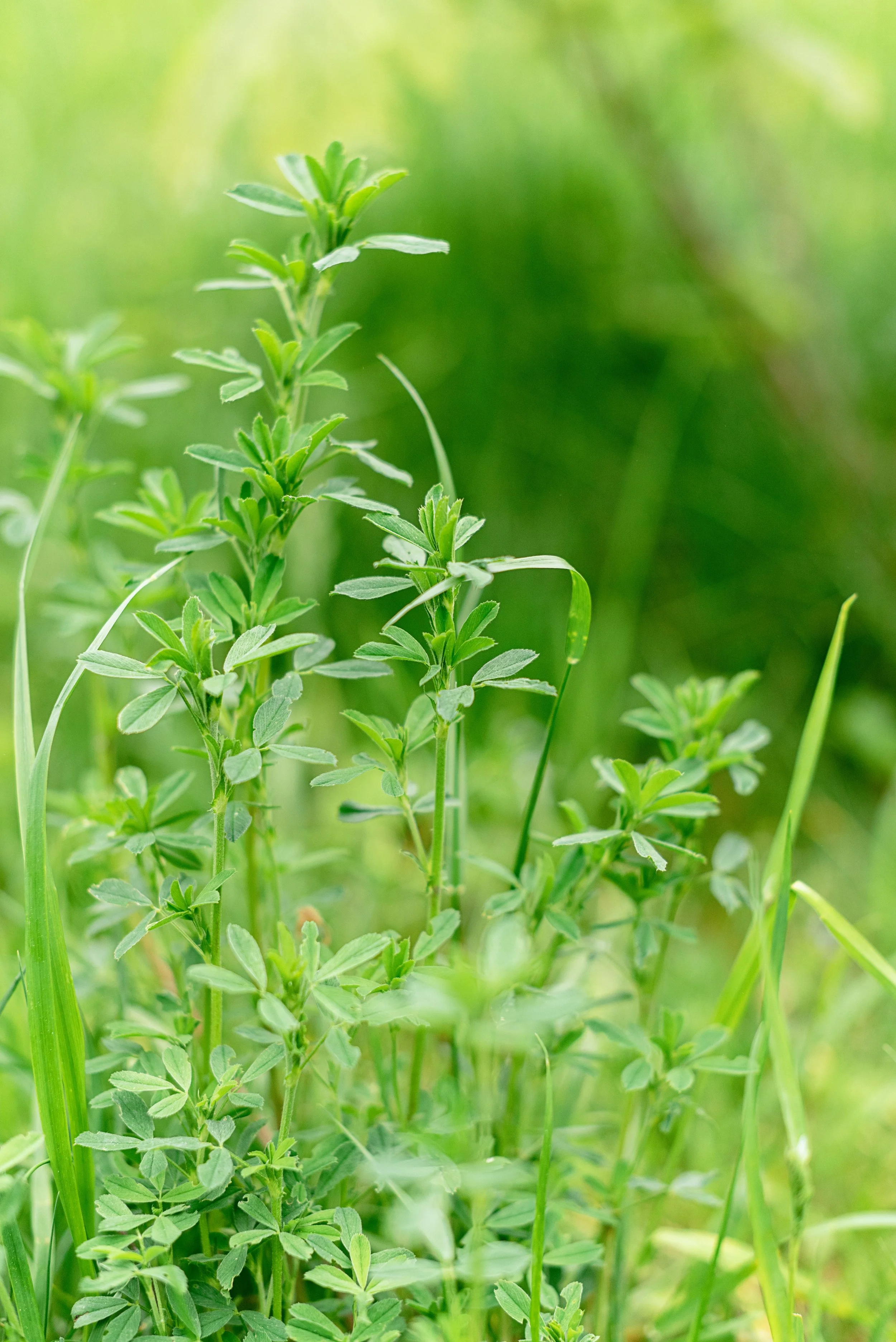
Start with the feed deficit
The starting point for a cropping programme should not be the crop catalogue.
It should be the feed budget.
Before deciding what to plant, it is worth asking where the farm's feed shortages actually occur. Is there a predictable summer deficit when rainfall becomes unreliable? Is winter the pressure point? Does early spring create a shortage before pasture growth gets going? Or is the farm generally well supplied except for a short period that could be filled with a carefully selected crop?
Once the deficit is identified, the crop has a purpose.
That makes the decision much easier.
A crop that is excellent for one farm may be poorly suited to another simply because the timing does not match the farm's feed requirements. The important consideration is not just how much dry matter the crop can produce, but when that feed will be available and how it will fit into the grazing system.
“The best crop is not necessarily the one that grows the most. It is the one that solves the feed problem you actually have. Timing is everything”
A crop only becomes useful when its production lines up with demand.
This is particularly important in a pasture-based dairy system where the seasonal pattern of grass growth is constantly changing.
If the farm regularly experiences a summer feed pinch, a crop intended for winter may do little to solve that particular problem. Likewise, a crop that produces excellent spring feed may have limited value if the farm's main challenge occurs several months later.
This is why cropping decisions should begin with the calendar.
Look at the farm's historical feed position and identify the periods when pasture supply has struggled to keep pace with demand. Then consider whether a crop can provide useful feed during that period.
This approach also helps determine when the crop needs to be planted, how long it will occupy the paddock and when it needs to be ready.
The crop becomes part of the grazing plan rather than something happening alongside it.
Choose the crop for the job
Different crops bring different characteristics to a farm system.
Some can provide high yields over a relatively short period. Others are useful because they fit a particular grazing window. Some can provide valuable feed when pasture growth is naturally low, while others can form part of a pasture-renewal programme.
There is no universal crop that will suit every dairy farm.
The decision needs to take account of soil type, climate, rainfall patterns, paddock history, establishment conditions, grazing management and the requirements of the herd.
A crop that looks impressive on paper can become an expensive exercise if it struggles to establish, cannot be grazed efficiently or produces feed at the wrong time.
The crop needs to work in the real farm environment.
Don't forget the paddock
Cropping is not just a feed decision. It is also a pasture-management decision.
Taking a paddock out of the grazing rotation creates an opportunity to address problems that may have developed over time.
Pasture may have become thin. Undesirable species may have increased. Weeds may have become established. Soil fertility may need attention. The paddock may simply have reached a point where starting again is more practical than trying to repair it through grazing management alone.
A cropping phase can provide an opportunity to reset that paddock before returning it to pasture.
However, this only works if the paddock is managed with that purpose in mind.
If the crop is established successfully but the subsequent pasture is poorly established or the paddock is returned to grazing before it has developed adequately, much of the potential benefit can be lost.
Cropping and pasture renewal therefore need to be considered as one programme.
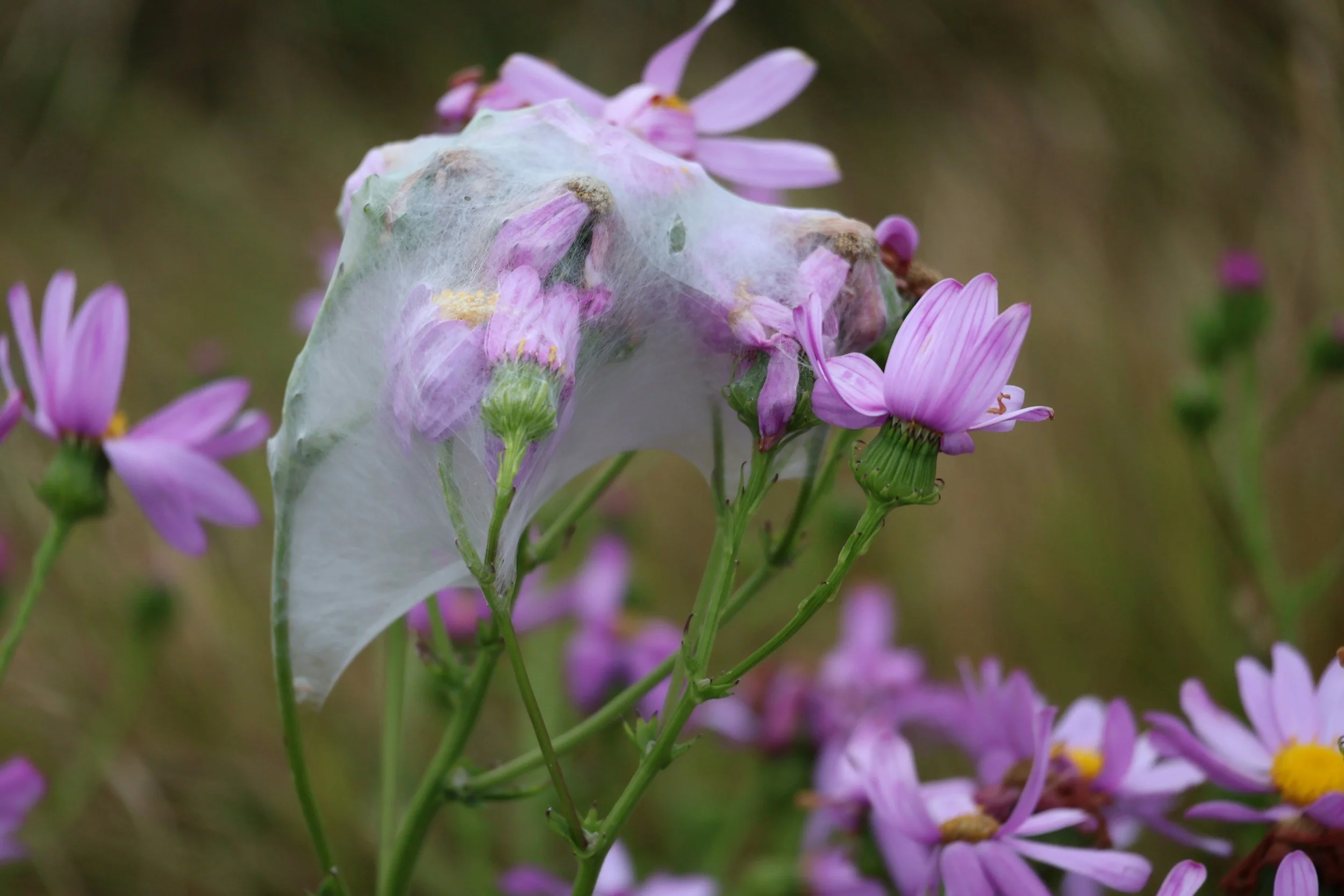
Weeds are part of the equation
Weed control is another reason some farmers include cropping within their wider pasture-renovation strategy.
A paddock with an increasing weed burden can become less productive over time, particularly when desirable pasture species are struggling to compete.
A cropping phase can provide an opportunity to address weeds and establish a cleaner pasture base.
But weed management should be planned carefully.
The history of the paddock, the weeds present, the crop being established and the subsequent pasture all influence what management approach is appropriate. Simply putting a crop into a paddock does not automatically solve a weed problem.
The objective should be to come out the other side with a productive paddock that contributes positively to the grazing platform.
Soil health matters
There is another side to strategic cropping that should never be overlooked: the soil.
A productive crop requires a suitable seedbed, appropriate fertility and good establishment conditions. Cropping can also change the physical condition of the soil, particularly if cultivation or machinery traffic occurs when conditions are too wet.
That means the timing of paddock preparation matters.
There is little value in trying to force a crop into poor conditions simply because the calendar says it is time to plant. The cost of seed, fertiliser, cultivation, weed control and labour can quickly add up, and a poor establishment can compromise the entire programme.
Good cropping starts with good paddock selection and preparation.
Calculate the real cost
A crop can look attractive when its yield is considered in isolation.
The more useful calculation is what that feed actually costs to produce and how much useful feed the cows ultimately receive.
Seed is a cost. Fertiliser is a cost. Cultivation, drilling, spraying, labour, machinery, fencing and grazing management can all add to the total.
There may also be an opportunity cost associated with taking a productive paddock out of pasture.
That does not mean cropping is uneconomic. Far from it. A well-planned crop can provide valuable feed exactly when it is needed and can help protect the wider pasture system.
But the economics need to be considered across the whole programme.
The question is not simply, “How much did the crop grow?”
It is, “What did this crop contribute to the farm's feed supply and overall system?”
Don't crop simply because you can
There can be a tendency to think that more crop automatically means more feed security.
That is not necessarily the case.
Every hectare put into crop is a hectare temporarily removed from pasture. If the crop is not solving a genuine feed or pasture-renewal problem, the farm may simply be adding cost and complexity without gaining much in return.
Strategic cropping is about being selective.
Some farms may benefit from a relatively small cropping area that targets a specific feed deficit. Others may require a more significant cropping programme because of their climate, soil type or farming system.
The right amount is the amount that serves a purpose.
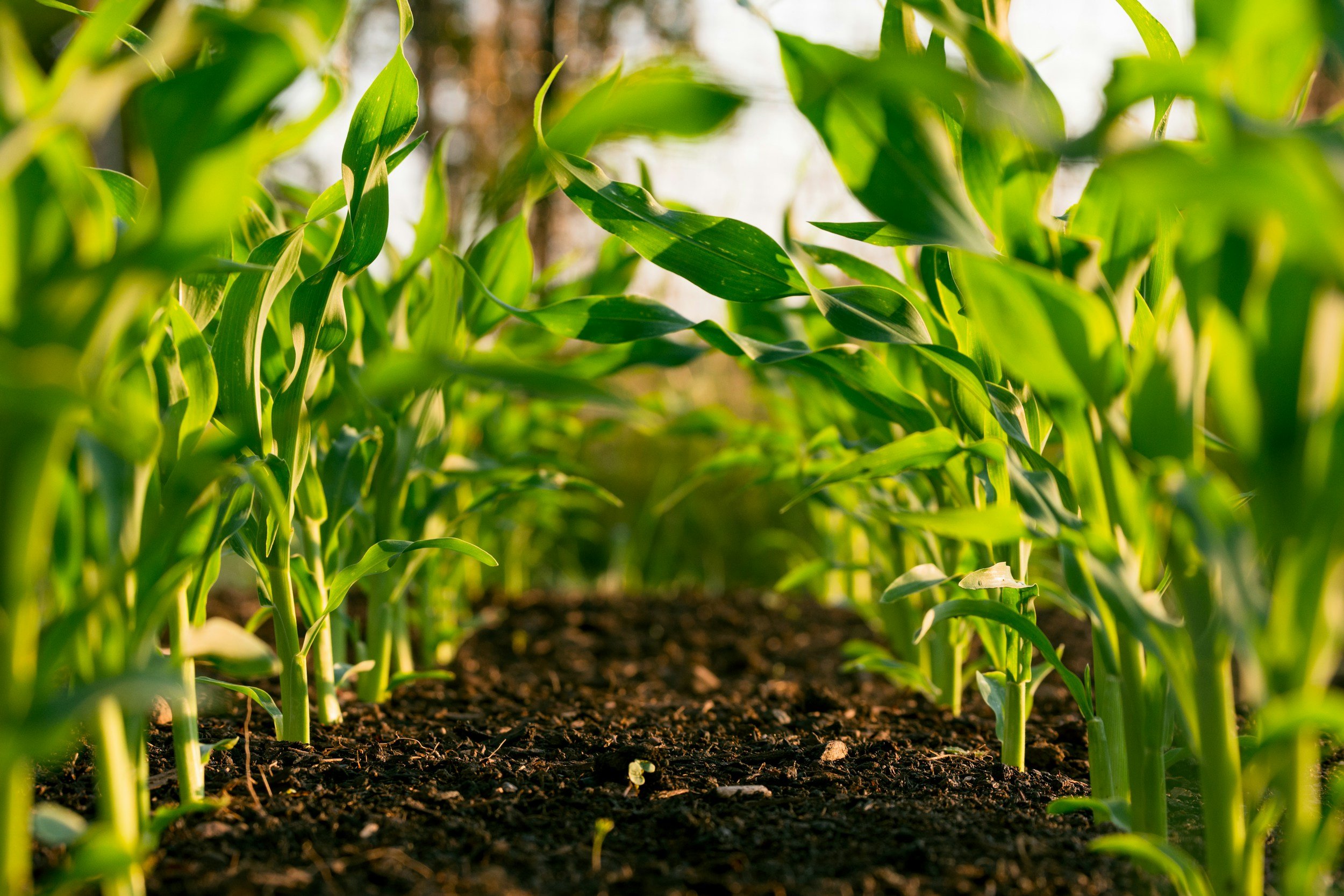
Build the crop into the grazing plan
One of the most important questions to answer before planting is how the cows are actually going to use the crop.
Will it be strip grazed? Will it be break fed? Will access need to be carefully managed? How will the crop fit alongside pasture? What supplementary feed will be available? How will the transition onto and off the crop be managed?
These decisions should be made before the crop is ready.
Waiting until the day the cows are due to enter the paddock can create unnecessary pressure.
Infrastructure also matters. Water access, stock movement, fencing and paddock layout can all influence how efficiently a crop can be harvested by the herd.
A high-yielding crop is of limited value if the cows cannot access it efficiently.
Cropping can protect the pasture platform
One of the less obvious benefits of a strategic crop is that it can take pressure off the rest of the farm.
Consider a summer when pasture growth has slowed significantly. If there is a suitable crop available, the farmer may be able to use that feed to maintain the grazing rotation rather than forcing cows to graze pasture too hard.
That can help protect residuals and give pasture plants more time to recover.
The same principle applies to other seasonal feed deficits.
A crop can provide a planned source of feed that reduces pressure on the pasture platform at a time when the grass is struggling to keep up.
This is where cropping becomes part of pasture management rather than an alternative to it.
Plan the return to pasture
The crop is only one stage of the programme.
Eventually, that paddock needs to return to the grazing system, and the transition deserves just as much thought as the initial establishment.
The timing of pasture establishment, species selection, soil preparation and early grazing management can all influence how quickly the paddock becomes a productive part of the farm again.
There is little benefit in successfully producing a crop if the following pasture struggles for its first season.
The ultimate objective is a productive grazing paddock that contributes to the farm for years afterwards.
Think several seasons ahead
Good cropping decisions are rarely made in isolation.
A farmer who knows that a particular part of the farm consistently struggles during summer can begin planning well before the next dry period. Likewise, a paddock due for pasture renewal can be incorporated into the cropping programme rather than treated as a completely separate decision.
This longer-term approach helps avoid the frantic “what can we plant?” question when a feed shortage is already developing.
Instead, the crop becomes part of a planned rotation.
The farmer knows why it is there, what feed deficit it is intended to address, when it should be ready and what needs to happen afterwards.
That is strategic cropping.
The crop should serve the farm
There is nothing wrong with growing crops. The mistake is growing them without being clear about what they are supposed to achieve.
A good cropping programme begins with the farm's feed requirements, identifies the seasonal deficits and then considers whether a crop can fill those gaps efficiently.
It also looks beyond the crop itself, considering the paddock, the soil, weed management, establishment, grazing access, economics and the pasture that follows.
When all those pieces are considered together, cropping can become a useful part of a resilient dairy feed system.
The goal is not to replace grazed grass.
It is to support it.
Before putting a crop in the ground, identify the problem you are trying to solve. Work out when the feed deficit occurs, what quantity of additional feed is required and whether the proposed crop will produce that feed at the right time.
Then consider the paddock itself. Is it due for pasture renewal? Are weeds becoming an issue? Is the soil suitable? Can the crop be established successfully? How will the cows harvest it? What will follow it?
The strongest cropping programmes are planned backwards from the farm's feed requirements rather than forwards from the crop.
A crop with a clear job can be a valuable asset. A crop without a purpose can simply become another bill.
See you tomorrow for Day 5 of our Masterclass in pasture & feed management, when we look at something that happens every day on many dairy farms but is often given surprisingly little thought – the timing of feed push-ups and how cow behaviour can influence feed intake.