The 12-month feed budget and rotation roadmap
Welcome to day seven, the final day of our series on pasture agronomy, soil health and weed management, and today we are bringing all the pieces together. Good pasture management is not simply about growing as much grass as possible, nor is it about making decisions one paddock at a time without considering what the rest of the farm is doing. The real skill lies in looking ahead, understanding how much feed the farm is likely to produce, knowing what the herd is going to require and adjusting the grazing plan before a shortage or surplus becomes obvious.
New Zealand dairy farming is built around the pasture plant, but pasture growth is rarely predictable enough to follow a plan written once at the beginning of the season. Weather changes, growth rates change, cow numbers and production requirements change, and even individual paddocks can behave differently from one year to the next. A useful feed budget and rotation roadmap therefore needs to be treated as a living management tool rather than a document that gets put in a drawer and forgotten.
Start with the annual picture
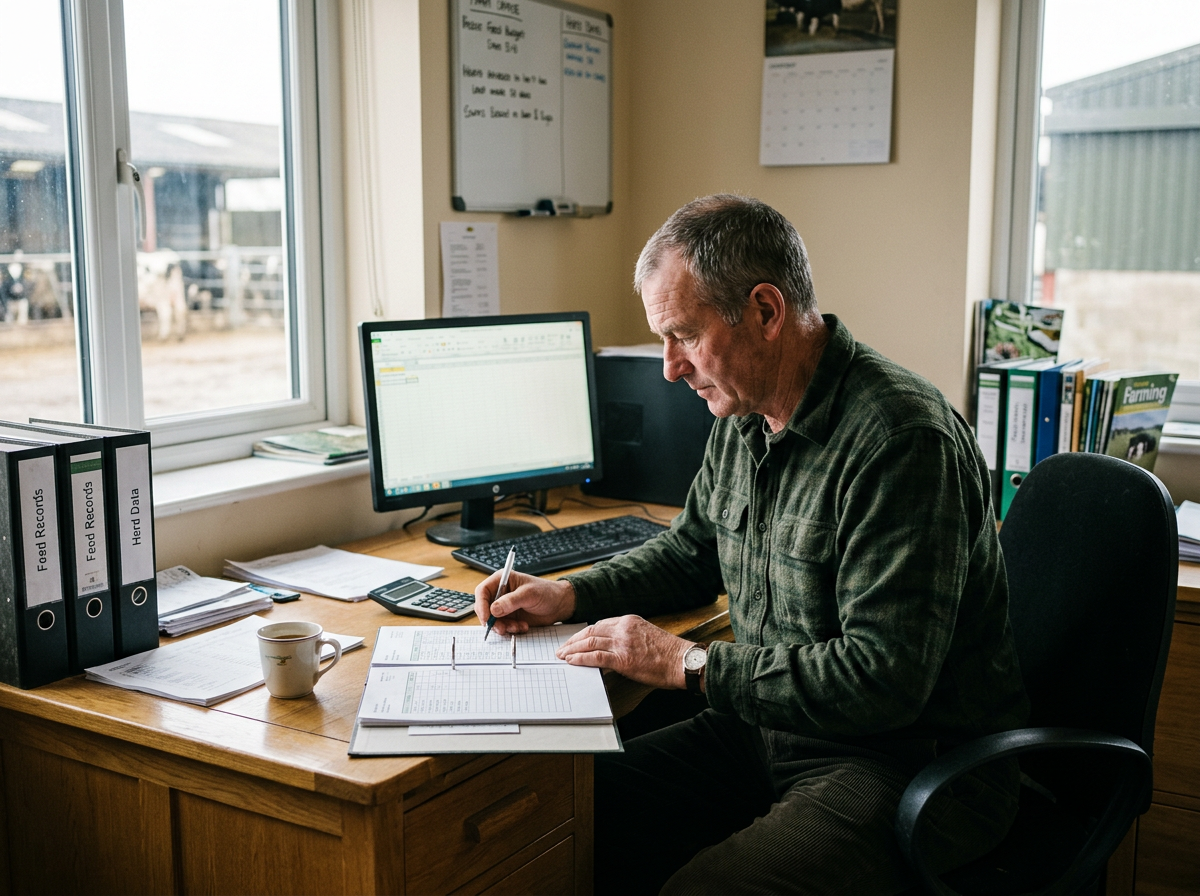
A 12-month feed budget begins by looking at the whole year rather than focusing only on the next grazing. The farmer needs to consider the expected pasture growth pattern, the number and type of stock being carried, likely feed demand and the periods when the farm is most vulnerable to a feed deficit.
Spring often brings the challenge of rapidly increasing pasture growth, while summer can bring a completely different picture if rainfall becomes limited. Autumn may provide an opportunity to rebuild covers before winter, while winter brings the need to protect pasture and ensure enough feed is available to carry the herd through a slower-growth period. The exact timing varies between regions and seasons, but the principle remains the same: know when the farm is likely to produce feed and when demand is likely to exceed growth.
Know what the cows need
Feed budgeting is ultimately about matching pasture supply with animal demand. A paddock can look impressive, but what matters is how much usable dry matter is actually available and how much of that feed the cows can consume.
Herd size, cow liveweight, stage of lactation, production level and reproductive status can all influence demand. A milking herd at peak production has a very different feed requirement from a dry herd, and replacement stock have their own requirements. Looking at demand across the year gives the farmer a much clearer understanding of when pasture supply needs to be protected, supplemented or deliberately increased.
Walk the farm regularly
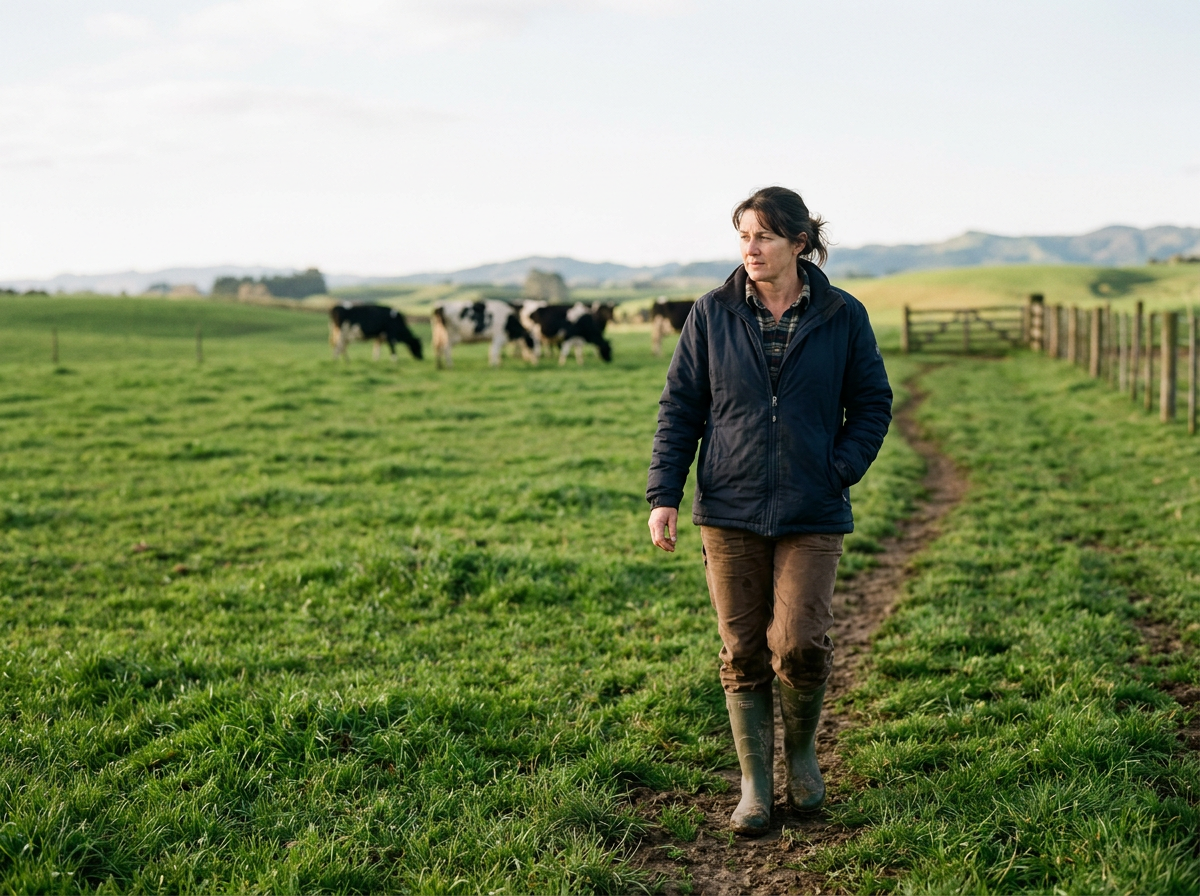
The pasture walk remains one of the most useful tools available to a pasture-based dairy farmer. Technology can provide valuable measurements, but there is still a great deal that can be learned by physically looking at the paddocks.
A pasture walk can reveal whether the sward is dense or thin, whether the pasture is reaching the desired stage of growth, whether weeds are appearing, whether clover and other species are contributing as expected and whether paddocks are recovering evenly after grazing. It also provides an opportunity to notice soil damage, pugging, waterlogging or areas where the pasture is beginning to deteriorate.
The more regularly the farm is walked, the easier it becomes to recognise what is normal for each paddock. That familiarity can make changes in pasture growth much easier to identify.
Use the plate meter as another set of eyes
A plate meter can add useful information to the pasture walk by providing an estimate of pasture cover and helping farmers quantify what is available across the farm. Rather than relying solely on how tall or visually impressive the grass looks, measurements can help build a more consistent picture of dry matter.
The real value comes from using the information to make decisions. Measurements can help determine which paddocks are ready to graze, which need more time, where the rotation needs to speed up and where pasture is building beyond what the herd can use. It turns the pasture walk from simply looking at grass into a more informed assessment of the feed wedge.
Build a feed wedge
The feed wedge is essentially a picture of where the farm's pasture covers are sitting and how those paddocks fit into the grazing rotation. Ideally, there is a sequence of paddocks moving towards the desired pre-grazing cover, rather than a collection of paddocks all sitting at the same stage.
This is where forward planning becomes particularly valuable. If the next paddocks in the rotation are looking short, the farmer has time to make a change before the cows arrive there. If too many paddocks are racing ahead, there is an opportunity to consider how that surplus can be managed rather than allowing pasture to become over-mature and lose quality.
The feed wedge is therefore not simply a measurement of what is in the paddock today. It is a tool for looking forward.
Protect the winter pasture
Winter management begins well before winter arrives. Autumn is the time to consider whether sufficient pasture cover is being built to carry the herd through the slower-growing months, while also avoiding excessive grazing that compromises the plant's ability to recover.
Winter overgrazing can place considerable pressure on pasture plants because growth and recovery are slower. Continually taking the plant down too hard can weaken the sward and leave more opportunities for weeds and less desirable species to establish later.
The objective is not simply to have grass in the paddock. It is to protect the pasture plant so it can continue producing when conditions improve.
Don't waste the spring surplus
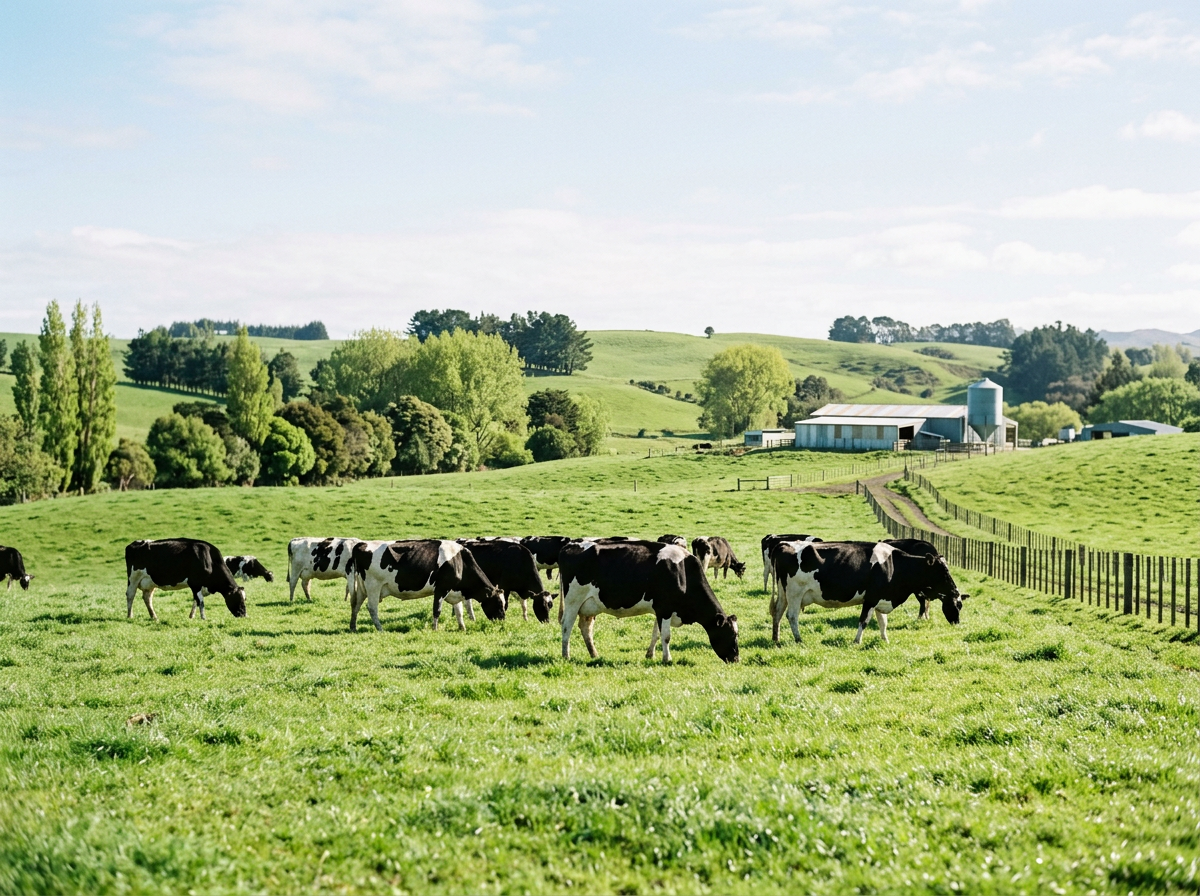
Spring creates a very different management challenge. Pasture growth can increase rapidly, sometimes faster than the herd can consume it. If the farmer simply follows the same rotation regardless of growth rate, covers can quickly become excessive.
This is where the feed budget and feed wedge become particularly useful. A surplus can be identified before the pasture becomes too mature, allowing decisions to be made about conserving feed or otherwise adjusting the rotation. The objective is to keep pasture moving through the system at a quality and quantity that works for the herd rather than allowing the spring flush to get away.
A spring surplus is a valuable resource, but only if it is managed before its quality declines.
Summer requires flexibility
Summer is where a rigid grazing plan can quickly fall apart. One good rainfall event can change growth rates, while an extended dry period can slow pasture growth dramatically. The farm needs a plan, but it also needs the ability to change that plan.
This is where the previous six days of this series come together. Species selection, soil health, pasture density, root development and weed control all influence how the pasture responds when conditions become difficult. A farm with strong pasture and good information still has to deal with the weather, but it has more tools available when conditions change.
The important thing is to recognise the change early. Waiting until the rotation is already in trouble leaves fewer options.
Match grazing pressure to growth
The rotation length should respond to pasture growth rather than being treated as a number that never changes. When pasture is growing rapidly, paddocks may be ready sooner. When growth slows, the rotation needs to lengthen to give plants enough time to recover.
This does not mean constantly changing the grazing plan every day. It means understanding what the pasture is telling you and making deliberate adjustments when the trend changes. The aim is to keep the plant in a productive growth pattern while providing cows with the feed they require.
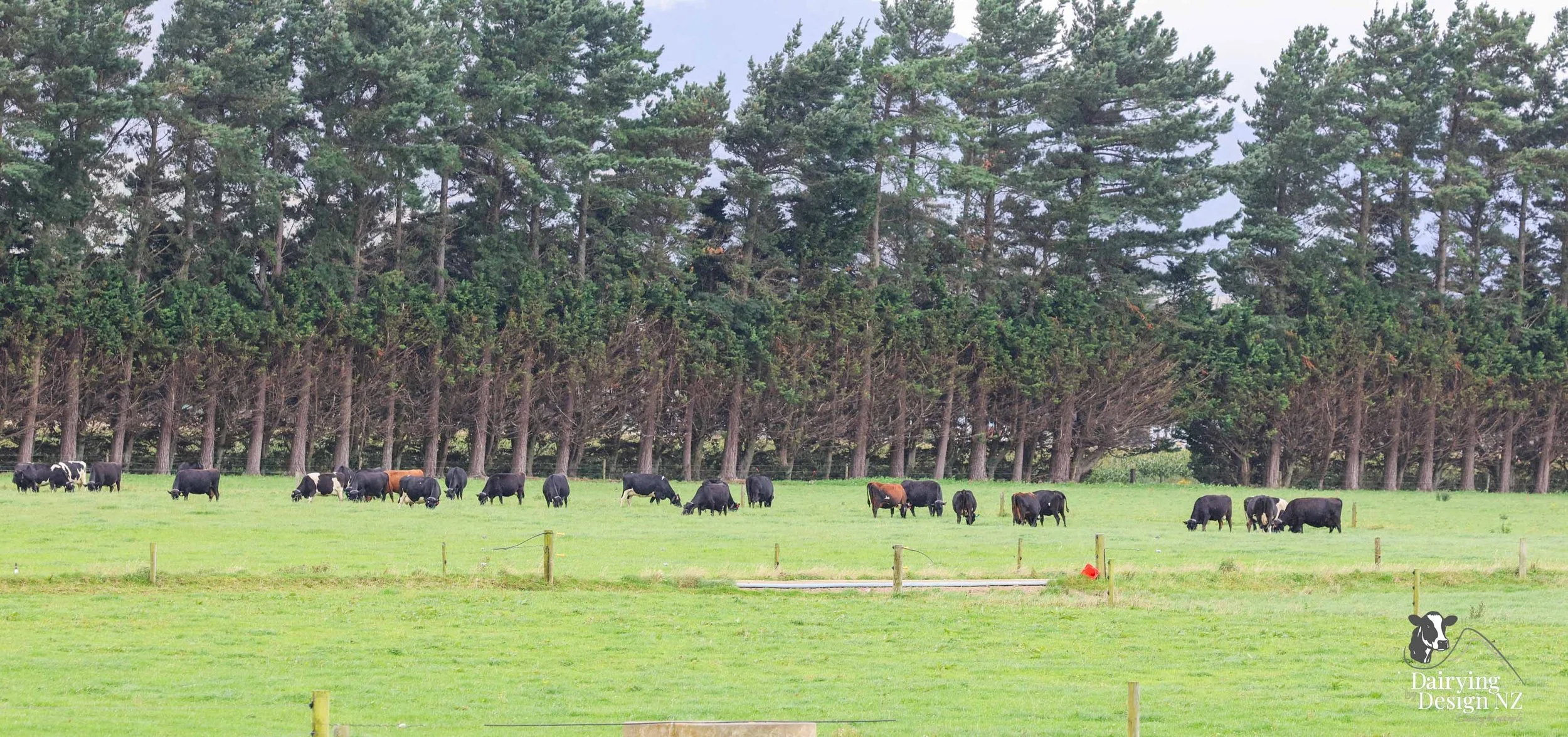
Photo by Dianna Malcolm
Don't forget the paddocks behind the cows
It is easy to concentrate on the paddock the cows are about to enter, but the paddocks they have just left deserve attention too. Post-grazing covers, pasture recovery and the condition of the sward provide useful information about whether the grazing system is working as intended.
If paddocks repeatedly struggle to recover, that may point towards a range of possible issues. Soil fertility, compaction, moisture, pasture species, grazing pressure and environmental conditions can all play a role. This is where the observations from earlier in the series become valuable because the feed budget is not operating independently of soil and pasture health.
Use records to improve the next season
A 12-month roadmap should not be thrown away when the season finishes. The information gathered throughout the year can become the starting point for the next one.
Which paddocks consistently performed well? Which ones struggled? When did the summer dry period begin? How quickly did pasture recover after rainfall? Where did weeds appear? Did the spring surplus arrive earlier or later than expected? Were there periods when supplementary feed was required, and could those periods have been anticipated?
These questions turn a season of grazing into useful farm knowledge. Over several years, the farmer can build a much clearer understanding of how the farm responds to different weather patterns and management decisions.
Make the plan visible
The best feed budget in the world is not much use if nobody on the farm knows what it says. A practical rotation plan should be easy to understand and accessible to the people making day-to-day grazing decisions.
Whether it is recorded digitally, on a whiteboard, in a notebook or through another farm-management system, the important thing is that the information can be updated as conditions change. The plan should guide decisions rather than becoming another administrative task that takes time without influencing what happens in the paddock.
Watch the whole farm, not one paddock
One of the biggest advantages of a 12-month approach is that it encourages farmers to think beyond individual paddocks. A paddock may be performing perfectly today, but the question is whether its performance fits into the overall feed supply for the farm.
A strong paddock may need to be allowed to build cover because another area is struggling. Another paddock may need attention because it is becoming too mature. A third may need reseeding because its productivity has declined. When viewed together, these paddocks form one feed system rather than a collection of independent blocks.
Plan for the unexpected
No feed budget survives a New Zealand farming year without some modification. Drought, excessive rainfall, cold conditions, floods, storms and unexpected pasture failures can all change the original plan.
Planning for uncertainty does not mean trying to predict exactly what the weather will do. It means identifying the points at which action will be required. If pasture growth falls below expectations, what happens next? If the rotation becomes too long, what is the response? If spring pasture gets ahead of the cows, when is the decision made to conserve surplus? Having those decisions considered in advance can reduce the pressure of making them when the farm is already under stress.
The 12-month roadmap is a cycle
The beauty of pasture farming is that the year does not really have a beginning and an end. Decisions made in one season influence the next. How pasture is grazed in winter affects spring recovery. How the spring surplus is managed affects summer feed availability. Summer pasture condition influences autumn covers, while autumn management sets up the winter rotation.
That means the 12-month feed budget should keep moving. As one season finishes, the information gathered becomes part of the plan for the next season. The roadmap is continually adjusted rather than rewritten from scratch.
Bring the seven days together
Over the past seven days, we have looked at the pasture plant, the pasture mix, reseeding, soil fertility, biodiversity and weed management. Each subject can be considered individually, but the real value comes from understanding how they connect.
The right pasture species cannot overcome badly managed soil indefinitely. Good soil fertility cannot compensate for poor grazing management. A diverse pasture still needs careful grazing, while excellent pasture management becomes harder when weeds are allowed to take over. Finally, all of these factors have to fit within a feed budget that matches pasture supply with the needs of the herd.
That is the real role of the 12-month roadmap. It brings the science, observation and practical decision-making together so that pasture management becomes proactive rather than reactive.
Photo by Dianna Malcolm
Keep looking forward
Perhaps the most useful habit a pasture-based farmer can develop is to keep looking one step ahead. Do not wait until the cows are running short before checking the next paddocks. Do not wait until a paddock is full of weeds before investigating why they have appeared. Do not wait until winter arrives to discover there is not enough pasture cover.
Walk the farm, measure where useful, watch the plants, understand the soil and keep the feed demand in view. Then use that information to make small adjustments before the problem becomes a large one.
A productive pasture system is built over twelve months, not twelve days. The most useful feed budget is one that is regularly updated using pasture observations, dry matter estimates, herd demand and an understanding of seasonal growth patterns. It should show not only what feed is available today, but what is likely to be available several weeks from now and where the pressure points may develop.
The pasture walk and plate meter can provide the information, but it is the farmer's interpretation and timely decision-making that turns information into action. Protect pasture through difficult periods, take advantage of surplus growth when it arrives, maintain a strong and diverse sward where appropriate, address weeds before they become established and keep the soil in good condition.
Ultimately, pasture management is about staying ahead of the herd. The cows tell you what they need, the pasture tells you what it can provide, and the job of the farmer is to bring those two things together as efficiently as possible.
That brings us to the end of our seven-day series on pasture agronomy, soil health and weed management. From the three-leaf plant in day one to the 12-month feed budget in day seven, the common thread has been simple: understand what is happening in the paddock, look beneath the surface, and make decisions early enough to influence the outcome.
Good pasture does not happen by accident. It is grown, grazed, observed and managed all year round.