
Weed identification and integrated control
Welcome to day six of our seven-day series on pasture agronomy, soil health and weed management, and today we are turning our attention to some of the least welcome plants on the farm. Weeds are rarely invited into a pasture, yet somehow they have an impressive ability to find their way into bare patches, along gateways, around troughs and through pastures that have been weakened by weather, grazing pressure or poor establishment.
Dock, thistles, buttercup and gorse are familiar names to many New Zealand farmers, but controlling them effectively is about more than reaching for a spray when they become obvious. Good weed management starts with identification, followed by understanding why the weed has established, what stage of growth it is at and which combination of control methods is likely to provide the most lasting result.
The aim is not necessarily to create a paddock containing absolutely nothing other than the desired pasture species. The aim is to maintain a dense, productive pasture where weeds have as little opportunity as possible to establish, and then deal with problem weeds early and strategically when they do appear.
Know what you are looking at
The first step in weed control is surprisingly simple: identify the plant correctly. Different weeds have different growth habits, life cycles and responses to grazing, topping and herbicide treatment, so treating an unknown plant without understanding what it is can waste both time and money.
Walking paddocks regularly makes identification easier because weeds can be spotted while they are still small. It is also useful to notice where they are appearing. If weeds are concentrated around gateways, stock camps, wet areas or places where pasture has been damaged, their location may provide just as much information as the weed itself. A recurring weed problem is often telling the farmer something about the conditions in that particular part of the paddock.
A weed is often a symptom
It is tempting to think of weeds as the problem rather than the symptom, but pasture gaps are often what give weeds their opportunity. When desirable pasture plants are growing strongly and occupying available space, there is less room for unwanted species to establish. When pasture becomes thin, damaged or slow to recover, the situation changes.
Bare soil can appear following pugging, drought, overgrazing, poor establishment, excessive pasture damage or repeated traffic. Once that space becomes available, weeds can take advantage of light, moisture and nutrients that would otherwise be captured by the pasture. This is why simply killing the weed without addressing the underlying reason for the gap may provide only a temporary solution.
Dock likes an opportunity
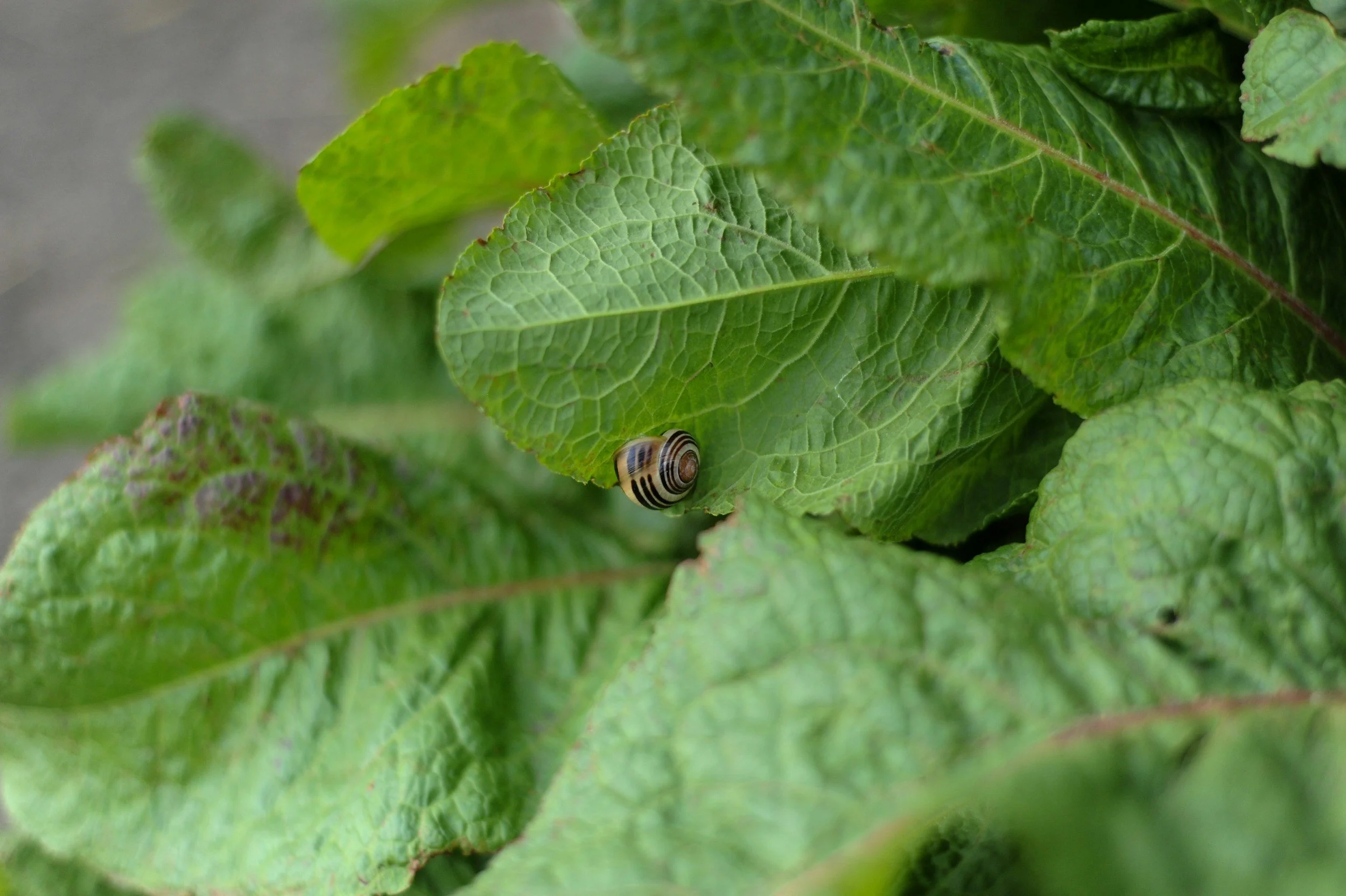
Dock is a persistent pasture weed and can be particularly frustrating because it can establish where pasture is struggling. Its broad leaves make it relatively easy to identify once established, but by then the plant may already have developed a substantial root system and become difficult to ignore.
Rather than viewing dock as an isolated spraying problem, consider what is happening in the paddock where it is appearing. Wet or poorly drained areas, disturbed soil and pasture gaps can all create opportunities for dock to establish. Improving pasture density and addressing the conditions that favour the weed can therefore form an important part of the longer-term control strategy.
Thistles need an early response
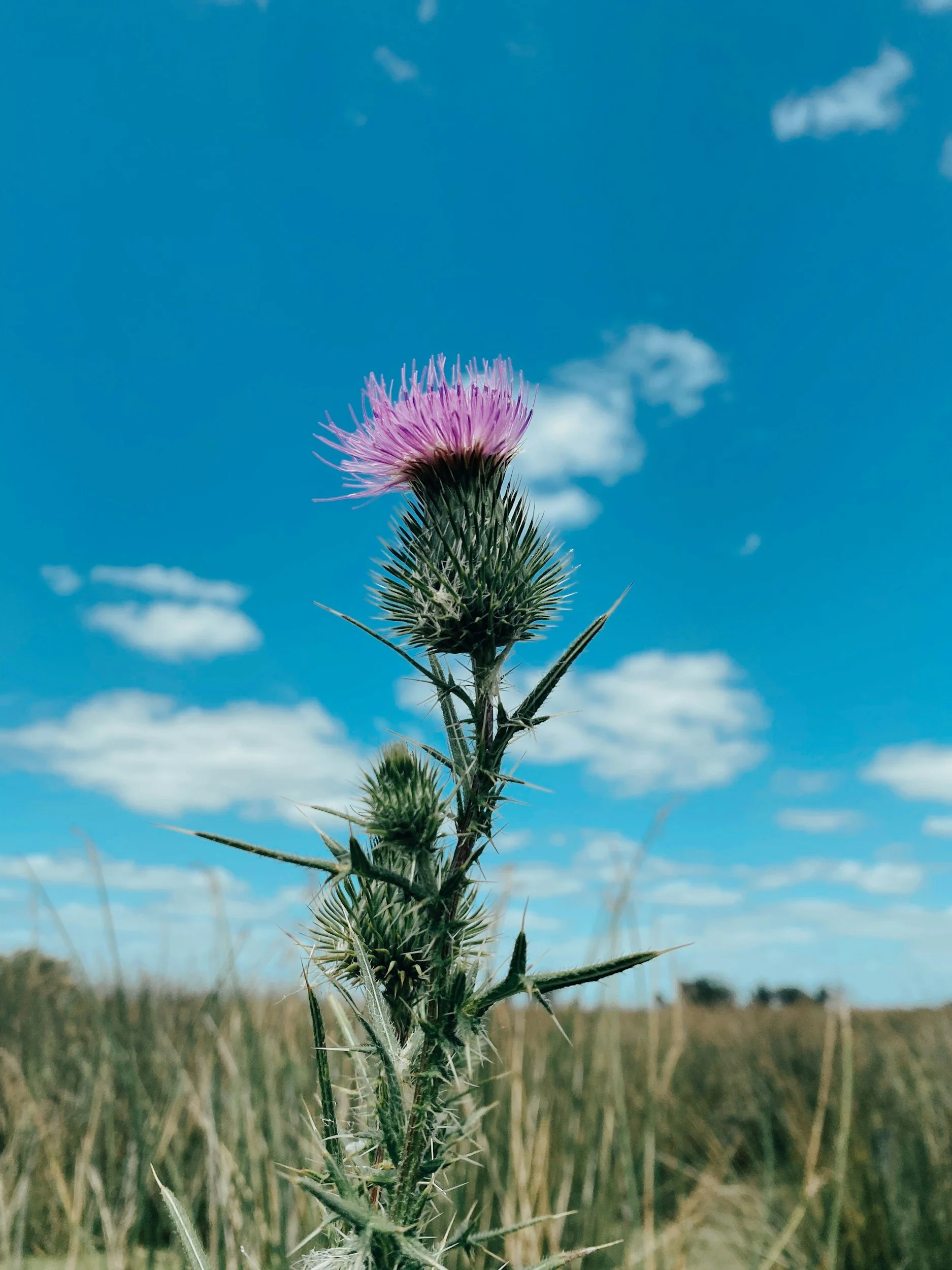
Thistles are another group of weeds that farmers would generally prefer to see disappear rather than become permanent residents. Their prickly growth makes them unpopular with livestock and farmers alike, and established plants can occupy valuable pasture space while producing seed that helps spread the problem.
The earlier thistles are noticed, the more manageable the situation can be. Regular pasture walks allow isolated plants or small patches to be identified before they become widespread. Depending on the species and situation, grazing management, mechanical control and targeted herbicide use can all have a role, but preventing plants from reaching maturity and setting seed is an important part of reducing future pressure.
Buttercup tells its own story
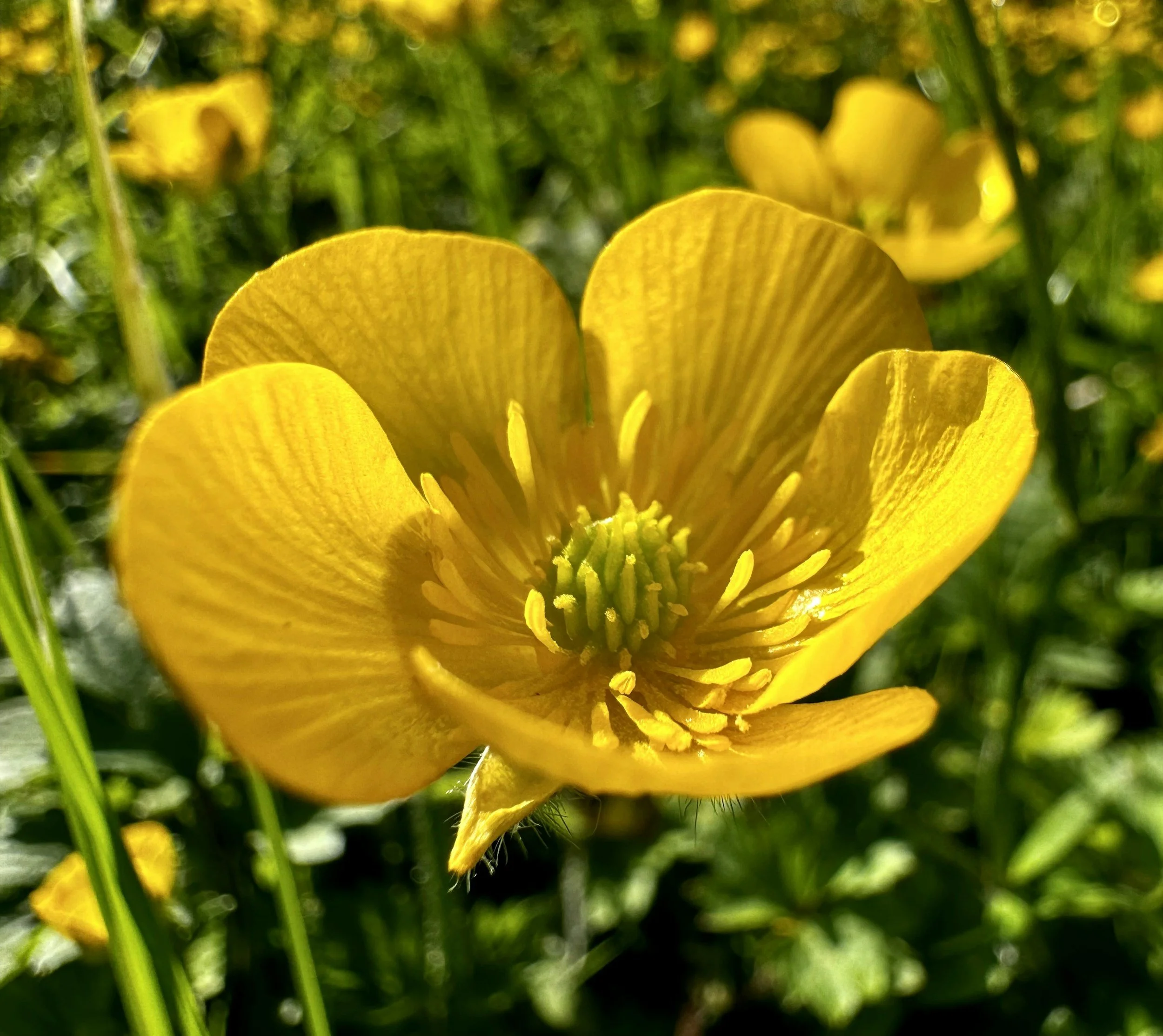
Buttercup can become particularly noticeable in damp areas and during certain seasonal conditions. It is not necessarily a sign that an entire farm has a weed problem, but a concentration of buttercup in a particular paddock or area can prompt a useful investigation into soil conditions, drainage, pasture density and grazing pressure.
As with other weeds, the answer is rarely as simple as treating the visible plant. If a wet, open area repeatedly provides the conditions buttercup prefers, the farmer may find that the weed returns unless the underlying pasture and soil conditions are also considered. Weed control works best when the immediate problem and the conditions that allowed it to establish are addressed together.
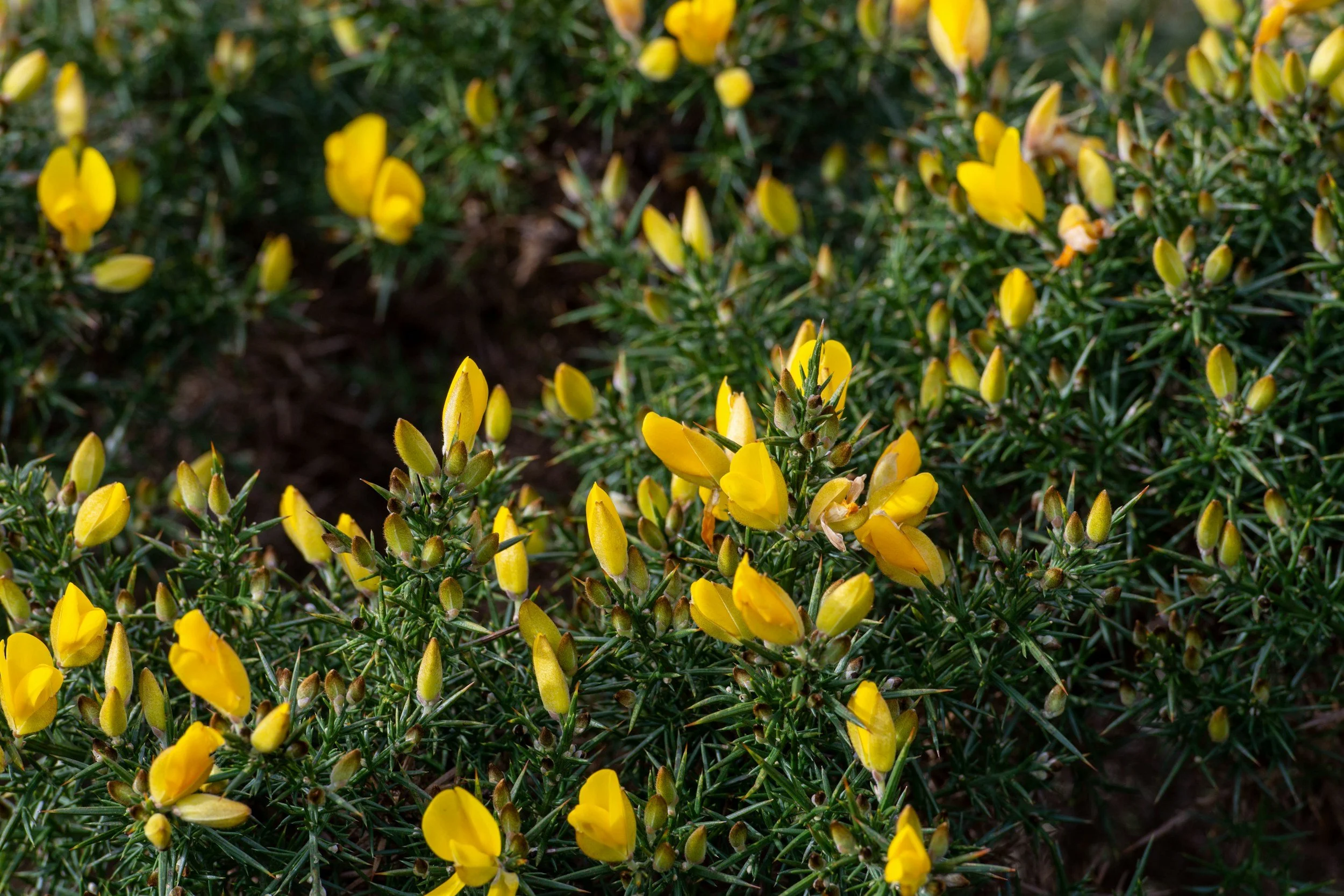
Gorse requires a longer view
Gorse is different from many of the weeds found within productive pasture because it is a woody, persistent plant capable of becoming a much larger management issue if left unchecked. Small plants appearing along boundaries or in rough areas are considerably easier to deal with than established stands that have been allowed to mature and spread.
Gorse control therefore needs to be viewed as a longer-term programme rather than a one-off job. Removing established plants does not necessarily mean the problem has disappeared, because seeds can remain in the soil and new plants can emerge. Follow-up monitoring is essential, particularly in areas where gorse has previously been established.
Healthy pasture is the first defence
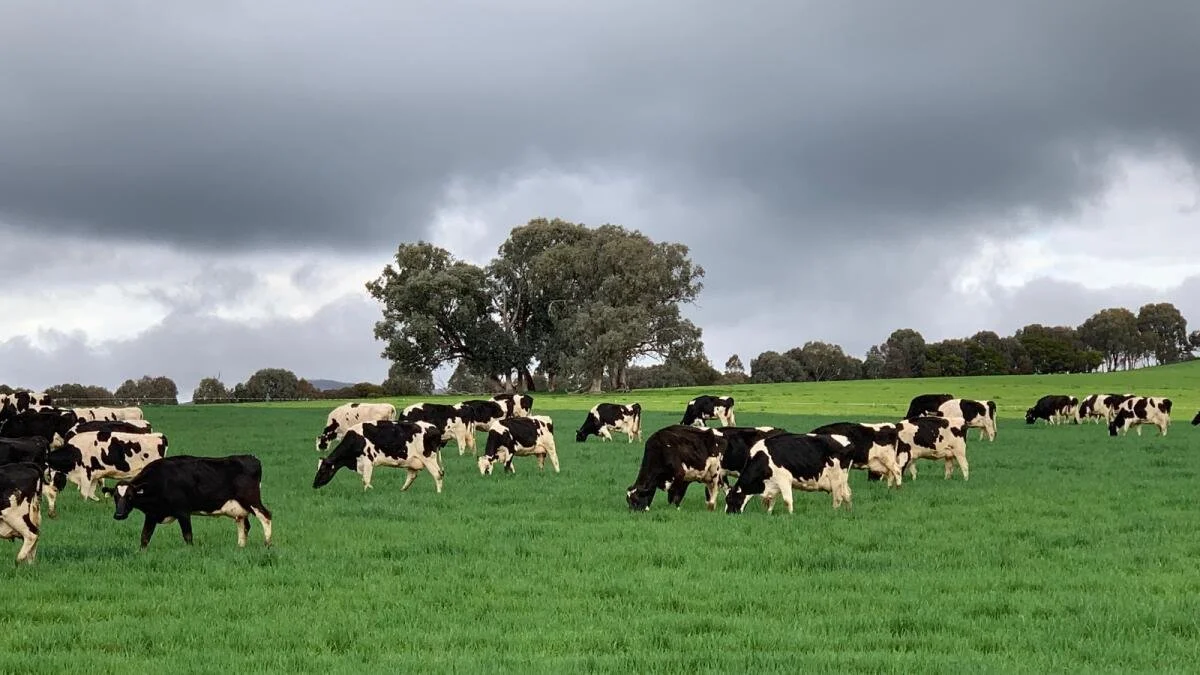
One of the most effective weed-control strategies begins before the weed appears. A dense, vigorous pasture leaves fewer gaps for unwanted plants to occupy, making pasture establishment, grazing management and plant recovery important parts of an integrated weed programme.
This brings the discussion back to the earlier days of this series. Soil fertility, pasture species selection, reseeding, grazing timing and soil health are not separate topics sitting in different boxes. They all influence whether a pasture is strong enough to compete with weeds. A paddock that repeatedly develops bare areas deserves investigation rather than simply repeated treatment of whatever grows in those spaces.
Grazing can be part of the solution
Grazing management has an important role to play, although it is not a universal weed-control method. Strategic grazing can influence the competition between desirable pasture plants and unwanted species, particularly where pasture growth and recovery are being managed carefully.
The objective is not to assume that cows will solve every weed problem. Livestock may graze some weeds readily while avoiding others, and repeated grazing of certain plants can sometimes produce a different response from what was intended. The important point is that grazing forms part of the wider management picture. Maintaining appropriate pasture covers and allowing desirable plants enough opportunity to recover can help strengthen the pasture's competitive position.
Don't underestimate mechanical control
Sometimes the most straightforward tool is a mechanical one. Topping can prevent certain weeds from reaching maturity and setting seed, particularly where isolated patches or taller plants have appeared above the pasture.
Mechanical control can also be useful when the objective is to stop a weed from completing its reproductive cycle rather than trying to eliminate every plant immediately. However, timing matters, and topping does not necessarily kill the underlying plant. It should therefore be viewed as one tool within an integrated programme rather than a complete solution.
Target the problem rather than the paddock
There is an important difference between controlling a weed and simply treating an entire paddock. Where weed populations are limited or concentrated in particular areas, targeted control can reduce unnecessary treatment of desirable pasture.
Targeted herbicide use can have a valuable place in integrated weed management when the correct product and application approach are selected for the weed and pasture situation. Product labels and current approved guidance should always be followed, including requirements around application, withholding periods and environmental considerations. The objective should be to use chemical control carefully and deliberately rather than treating it as the first and only response.
Integrated control is about combining tools
Integrated weed management sounds complicated, but the principle is straightforward. Instead of asking which single method will kill the weed, ask which combination of methods will reduce the problem and make it less likely to return.
A farmer might identify the weed, improve pasture density, adjust grazing management, mechanically control plants before seed set and use targeted herbicide treatment where appropriate. Once the initial control has been completed, monitoring can determine whether follow-up action is required. Each method contributes something different, and together they can provide a more durable approach than relying on one intervention.
Timing can make a big difference
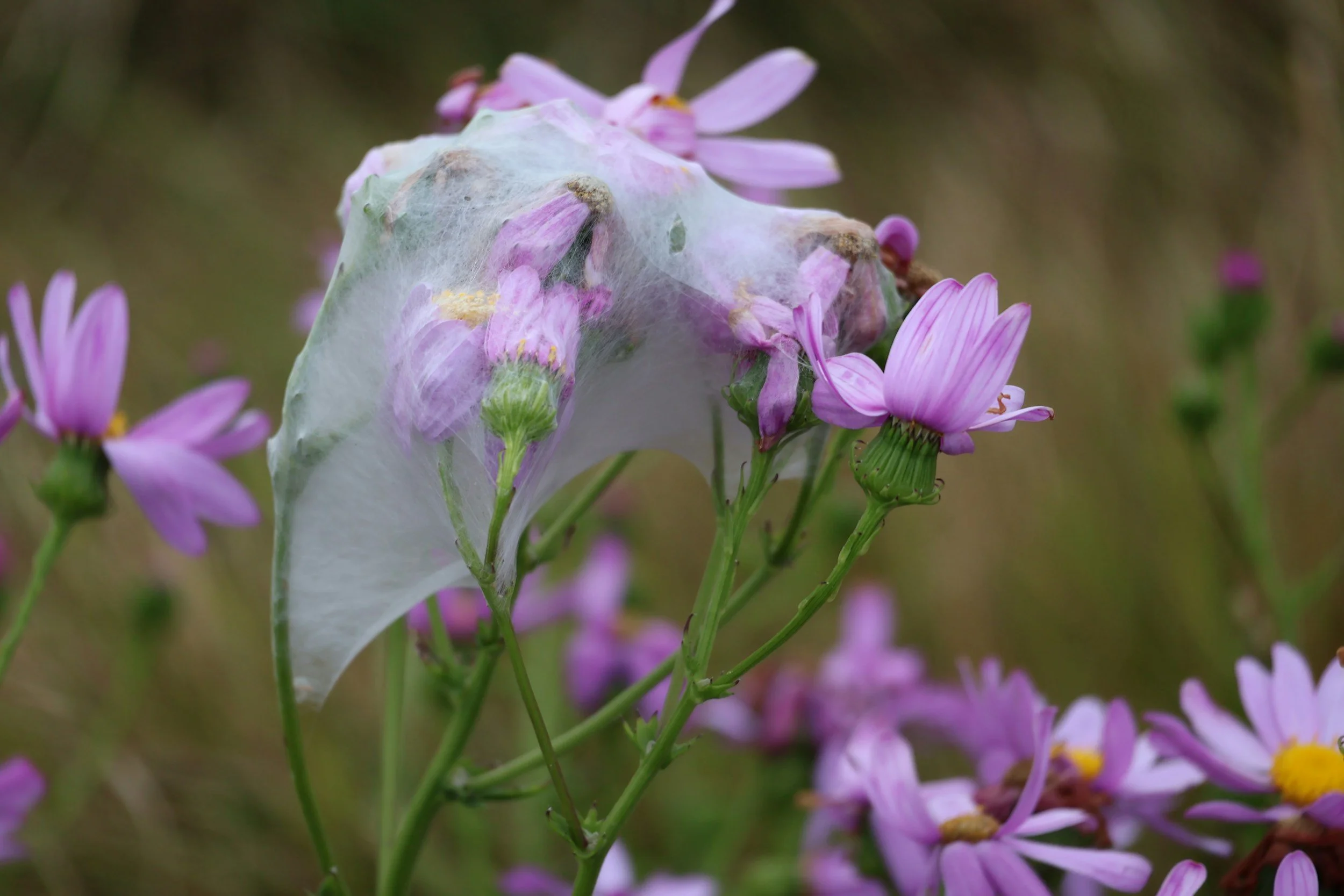
Weeds are not equally vulnerable at every stage of their life cycle. A young plant may be easier to control than a mature plant, while a plant that is preparing to flower or set seed may require a different approach from one that has only recently emerged.
This is where regular pasture observation pays dividends. If weed control only begins once a paddock looks obviously weedy, the farmer may already be dealing with a much larger problem than was present several weeks earlier. A quick look during a routine pasture walk can identify small problems before they become expensive ones.
Keep an eye on the edges
Farmers often concentrate weed-control efforts inside the paddock, but boundaries and transition areas deserve attention too. Gateways, races, shelterbelts, drains, fence lines, stock camps and areas around troughs can experience more disturbance than the rest of the paddock, making them potential starting points for weed establishment.
These areas can also be more difficult to manage because grazing pressure and traffic are often concentrated there. Keeping them under observation and dealing with emerging weeds early can help prevent problems from spreading into productive pasture.
Record what happens
Weed control becomes much easier when the farmer can remember what happened last time. Recording where a weed was found, what treatment was used and whether the problem returned can turn individual weed-control jobs into useful farm information.
Over several seasons, patterns may become obvious. Perhaps one paddock repeatedly develops buttercup after a particularly wet winter, or a gateway consistently develops thistles because pasture cover is damaged by traffic. That information can help shift the focus from repeatedly treating the symptom to managing the conditions that allow the weed to establish.
Prevention is cheaper than recovery
It is generally easier to maintain a strong pasture than to bring a heavily infested paddock back into good condition. Preventing weeds from setting seed, maintaining pasture cover and dealing with small infestations before they spread can all reduce the amount of work required later.
This does not mean every weed needs immediate action the moment it appears. Farmers still need to consider the size of the problem, the species involved, its potential impact and the most appropriate response. Good weed management is about making informed decisions rather than automatically treating every plant that does not belong in the pasture.
Think beyond the spray tank
A spray can be an effective tool, but it should not become the entire weed-management plan. If a paddock is repeatedly being sprayed for the same problem, it is worth asking why the weed continues to find an opportunity to establish.
Perhaps the pasture is being grazed too hard, perhaps establishment has failed, perhaps drainage needs attention, perhaps the soil fertility is limiting plant growth or perhaps the pasture species are simply not suited to the conditions. Finding the reason can take more thought than reaching for the spray unit, but it can also provide the more lasting answer.
Effective weed management begins with observation. Know what the weed is, understand where it is growing and consider what has allowed it to establish before deciding how to control it. Dock, thistles, buttercup and gorse all present different challenges, which means the same approach should not automatically be applied to every weed.
The strongest strategy is usually an integrated one that combines healthy pasture establishment, sensible grazing management, mechanical control where appropriate, prevention of seed set and targeted herbicide use when required. Regular monitoring then closes the loop, allowing farmers to see whether the treatment worked and whether the underlying conditions have changed.
A good pasture should not need to be constantly rescued from weeds. When soil health, pasture selection, grazing management and weed control are working together, the desirable plants have a much better chance of occupying the space and resources that weeds would otherwise take.
Tomorrow is the final day of our series, and we bring everything together in day seven: The 12-month feed budget and rotation roadmap. We will look at turning pasture observations into a practical year-round grazing plan, including pasture walks, plate-meter information, winter management, spring surpluses and allocating the feed grown to the cows that need it.
See you tomorrow for day seven: The 12-month feed budget and rotation roadmap.