
This is the first article of our 7-Day Fertility Series
Why Are We Losing Too Many Cows Before They Reach Their Potential?
Walk through almost any dairy farm after mating, and one question hangs in the air.
"How many empties will we end up with this year?"
For many farmers, fertility is measured once pregnancy testing begins. Yet by then, the outcome has largely been decided.
The cows that fail to get back in calf are rarely simply "unlucky". More often than not, poor fertility is the end result of hundreds of small management decisions that began long before mating—and in many cases, long before those cows entered the milking herd.
Fertility isn't just a reproductive issue.
It's a whole-herd management issue.
And when the pieces of the puzzle don't quite fit together, the cost reaches far beyond an empty uterus.
Fertility Begins Long Before Mating
It's easy to focus on mating as the make-or-break period, but reproduction is really the reward for everything that has happened beforehand.
A cow needs to calve well, recover quickly, cycle normally, maintain adequate energy reserves and remain healthy enough to conceive again within a relatively short timeframe.
Every stage matters.
Nutrition, mineral balance, transition management, calving, lameness, metabolic disease, stress and even housing conditions all influence how quickly a cow returns to normal reproductive function.
By the time mating starts, you're not creating fertility—you are revealing it.
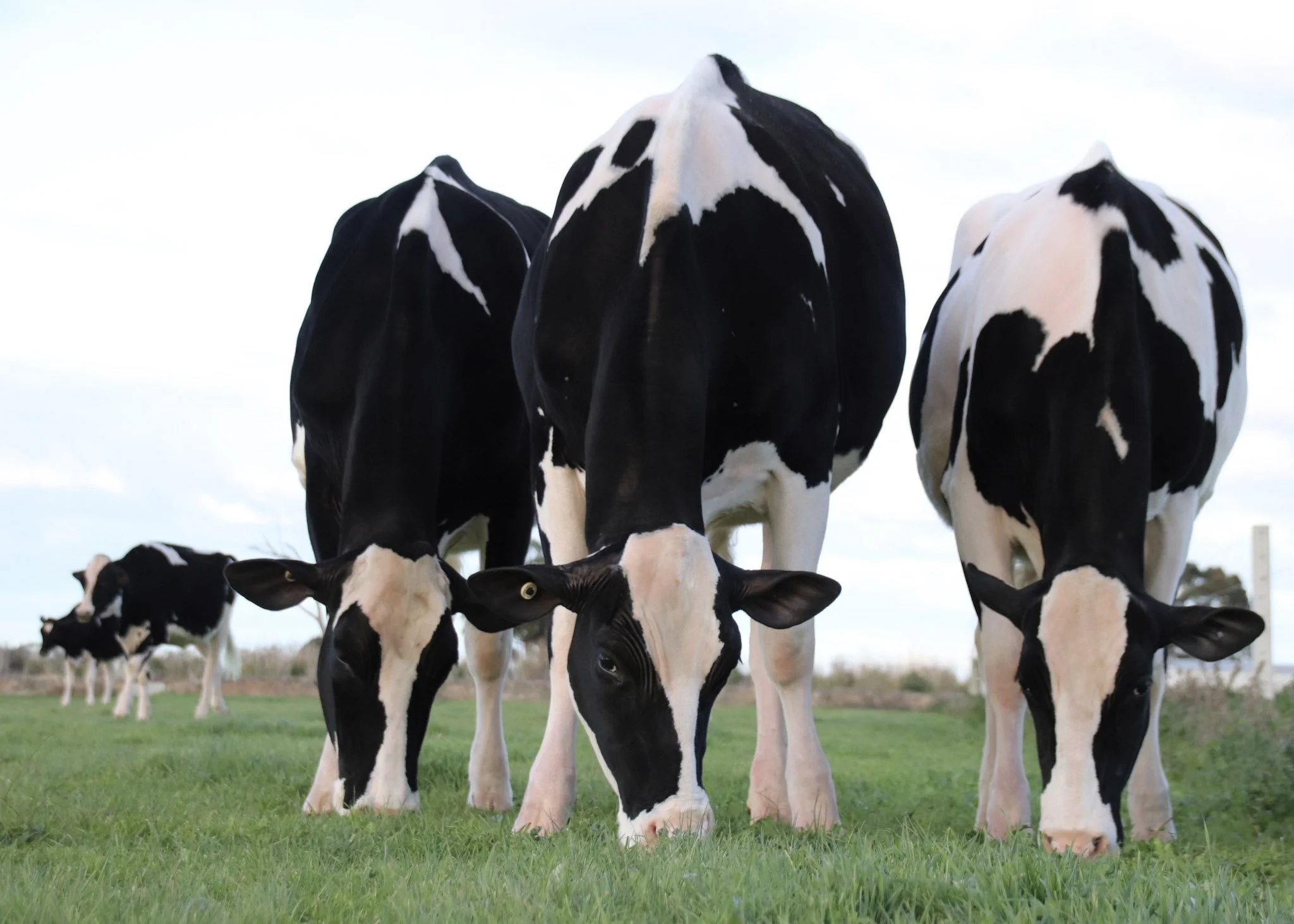
Photo by Dianna Malcolm
Body Condition Is One of the Biggest Clues
Few measurements tell a story quite like body condition score.
Cows that calve too light often struggle to meet the enormous energy demands of early lactation. They lose more condition, take longer to resume cycling and frequently have lower conception rates.
On the other hand, cows that calve carrying excessive condition aren't necessarily in a better position. Over-conditioned cows can experience calving difficulties and metabolic disorders that also delay reproductive recovery.
The goal isn't simply heavier cows.
It's consistent cows.
Achieving target body condition at calving provides the foundation for milk production, animal health and reproductive performance throughout the season.
Rather than scrambling to improve condition just before dry-off, many successful farmers are now managing body condition right across the season, making smaller adjustments before problems develop.
Future Fertility Starts as a Calf
One of the biggest misconceptions in dairy farming is that fertility only becomes important once a heifer approaches mating age.
In reality, reproductive success starts much earlier.
Calves that receive excellent colostrum, consistent nutrition and steady growth are far more likely to reach target weights on time. Well-grown heifers generally reach puberty earlier, cycle more consistently and enter their first mating season in better condition.
Every growth check, illness or nutritional setback has the potential to delay development.
Those lost weeks during calfhood can quietly become lost opportunities two years later.
Young stock management is often viewed as a cost centre.
In reality, it's an investment in the future fertility of the herd.
“By the time mating begins, your fertility results have largely been determined by the management decisions made months—sometimes years—earlier.”
Empty Cows Are Expensive in More Ways Than One
The financial impact of an empty cow extends well beyond replacing her.
By the time pregnancy testing identifies an empty animal, significant investment has already been made in rearing, feeding, breeding and milking that cow.
When she leaves the herd prematurely, she often departs before reaching her most productive years.
Replacement heifers carry substantial rearing costs, while experienced mature cows are usually the most efficient producers in the herd. Every unnecessary replacement increases costs and reduces the return on that earlier investment.
The hidden losses don't always appear in a budget line.
They show up through reduced lifetime production, slower genetic gain, increased replacement rates and ongoing pressure on young stock systems.
Looking Beyond the Reproductive Tract
When fertility declines, it's tempting to focus solely on reproductive treatments or mating programmes.
Yet reproduction is rarely the only factor involved.
Many fertility challenges trace back to nutrition, transition management, mineral balance, cow comfort, disease prevention or growth rates achieved months earlier.
A herd may appear healthy while still carrying enough nutritional or management pressure to quietly reduce conception rates.
The most successful fertility programmes tend to involve a team approach.
Veterinarians, nutritionists, herd improvement specialists, reproduction advisers and farm managers each contribute valuable pieces of information that, when combined, help identify where performance can improve.
Rather than asking, "Why didn't this cow get pregnant?" the better question may be, "What prevented her from being ready to conceive?"
The answer often lies well outside the mating shed.
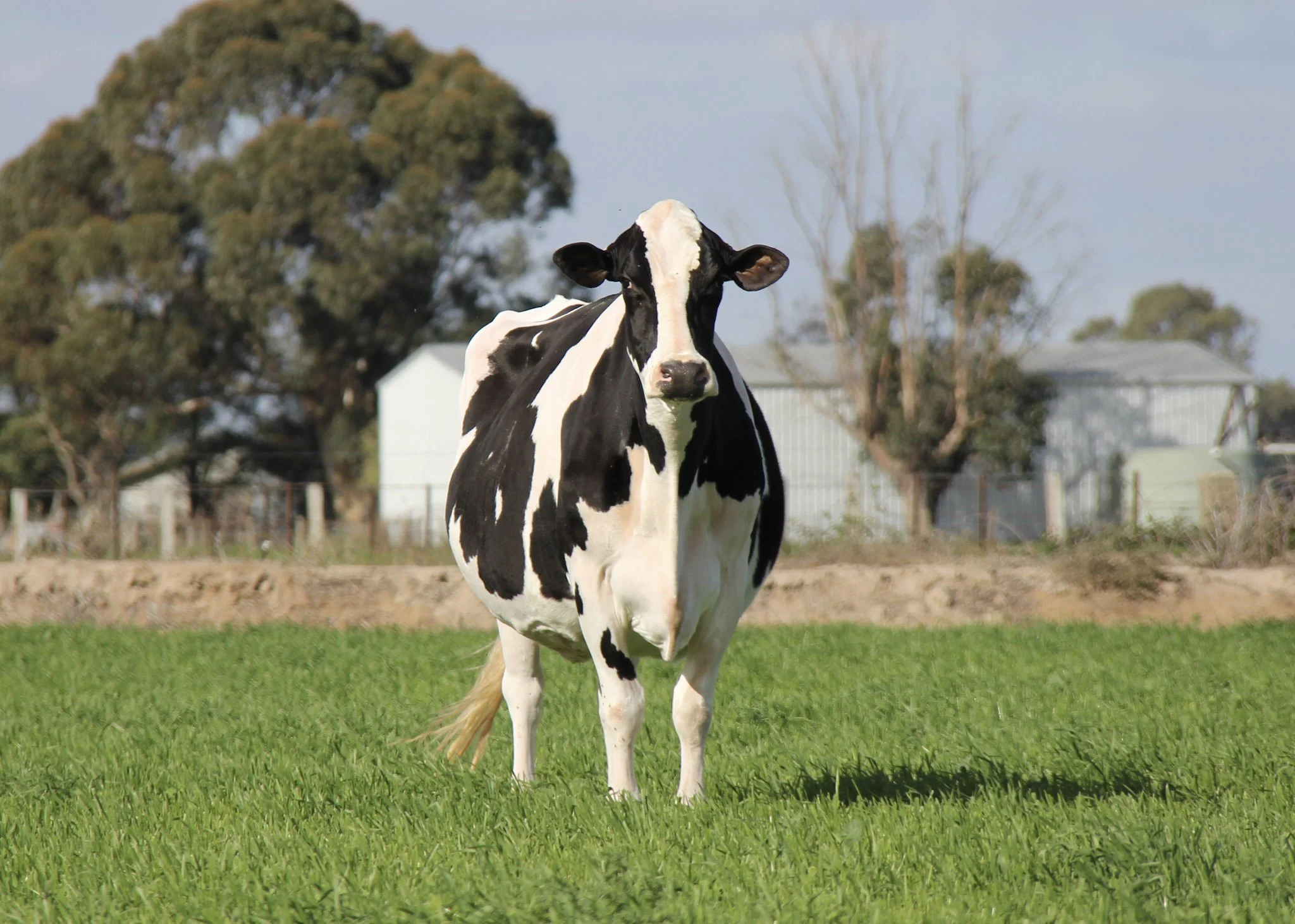
Photo by Simon Tognola
Building Fertility From the Ground Up
There is no single product, programme or silver bullet that guarantees excellent fertility.
Instead, strong reproductive performance is usually the outcome of consistent management throughout the entire production cycle.
Healthy calves become well-grown heifers.
Well-grown heifers become productive cows.
Productive cows that calve in good condition, transition smoothly and receive balanced nutrition are far more likely to return in calf and remain profitable members of the herd for years to come.
When viewed this way, fertility stops being a six-week mating challenge.
It becomes a year-round management strategy.
Because every empty cow tells a story.
The goal is making sure that story starts well before mating—and ends with another successful calving.