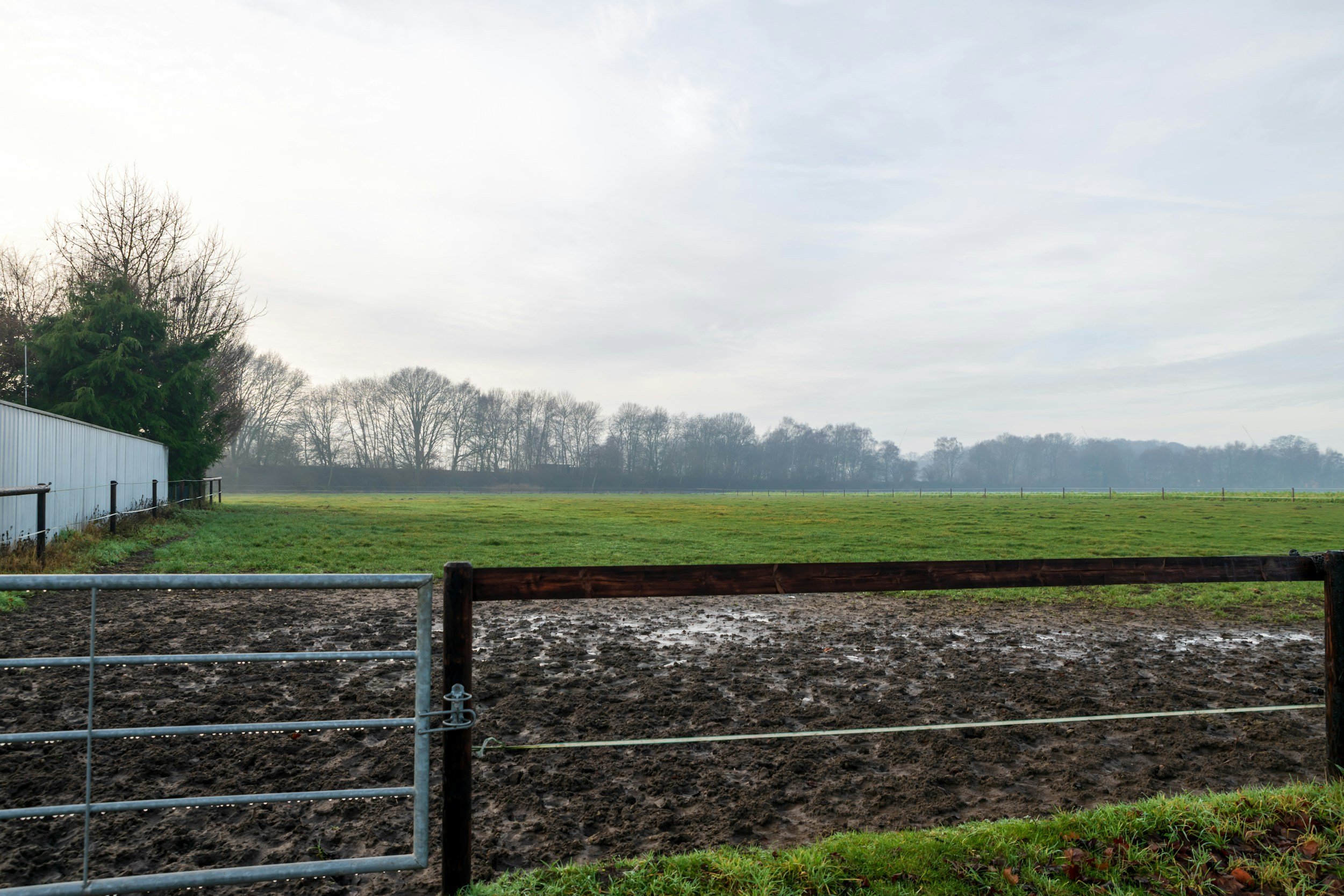
There are few sights more frustrating for dairy farmers than looking across a paddock that's been transformed into a sea of hoof prints and mud. After weeks of relentless rain, every grazing decision becomes a balancing act between feeding cows today and protecting the pasture that will feed them tomorrow.
While no one can control the weather, farmers can control how they respond to it. Those decisions made during prolonged wet periods often determine how quickly a farm recovers once conditions improve.
For many regions around New Zealand, heavy rainfall has become less of an occasional event and more of a recurring challenge. The ability to adapt quickly has become just another part of modern dairy farming.
Why Pugging Matters
Pasture pugging occurs when saturated soils can no longer support the weight of grazing animals. Every hoof sinks deeper into the softened ground, damaging plant crowns, reducing soil pore space and compacting valuable topsoil.
The consequences extend well beyond untidy paddocks.
Damaged soils struggle to drain effectively, roots have less oxygen available, and new pasture growth slows considerably. In severe cases, pasture production can be reduced for months, affecting feed supply well into the following season.
Compacted soils also become harder for earthworms and beneficial soil organisms to thrive, limiting the natural processes that keep healthy pasture systems functioning.
The financial cost can quickly add up through reduced pasture utilisation, regrassing costs and increased supplementary feed requirements.
Planning Before the Ground Gives Way
Preparation begins long before the forecast turns wet.
Identifying paddocks that are naturally free-draining allows farmers to prioritise where cows should graze first. Conversely, heavier clay soils and lower-lying paddocks may be better left untouched until conditions improve.
Having a wet weather plan that everyone on the farm understands removes much of the pressure when rain arrives.
This includes identifying sacrifice paddocks, organising supplementary feed, ensuring races remain accessible and reviewing contingency grazing plans.
Flexibility often proves more valuable than trying to stick rigidly to a planned grazing rotation.
“The paddocks you protect during winter and wet weather are often the ones that repay you with stronger pasture growth when spring arrives.”
Protecting Soil Structure
When soils reach saturation point, reducing the amount of time cows spend standing on pasture can significantly limit damage.
Many farmers now make greater use of stand-off areas, feed pads, loafing barns or sacrifice paddocks during extended rainfall events. Although these systems involve additional management, they can save substantial pasture repair costs later.
Back fencing also plays an important role by preventing cows from repeatedly walking over recently grazed ground.
Even something as simple as providing multiple access points to paddocks or shifting breaks more frequently can reduce concentrated areas of damage.
Every unnecessary hoofprint avoided today contributes to faster pasture recovery tomorrow.
Looking After the Herd
Wet conditions don't just affect paddocks.
Standing in mud for extended periods increases the risk of lameness, hoof problems and mastitis, particularly when cows struggle to find clean, dry areas to lie down.
Providing comfortable resting areas becomes increasingly important during prolonged wet spells.
Good race maintenance also reduces unnecessary stress on feet and legs. Well-maintained tracks with adequate drainage help cows move more comfortably between the dairy and paddocks while reducing further pasture damage around gateways.
Nutrition also deserves close attention.
Waterlogged pastures often have lower dry matter percentages, meaning cows may physically consume less feed despite appearing to have plenty available. Monitoring body condition and supplementing where necessary helps maintain production while protecting animal health.
Recovery Starts Early
Once the rain finally eases, the temptation is to resume normal grazing immediately.
However, patience often delivers better long-term results.
Allowing damaged paddocks additional recovery time enables plants to rebuild root systems before being grazed again.
Walking affected areas helps assess whether soils remain soft beneath the surface, even when they appear dry from above.
Some severely pugged paddocks may benefit from light rolling or aeration where appropriate, while others may require partial or complete regrassing depending on the level of damage.
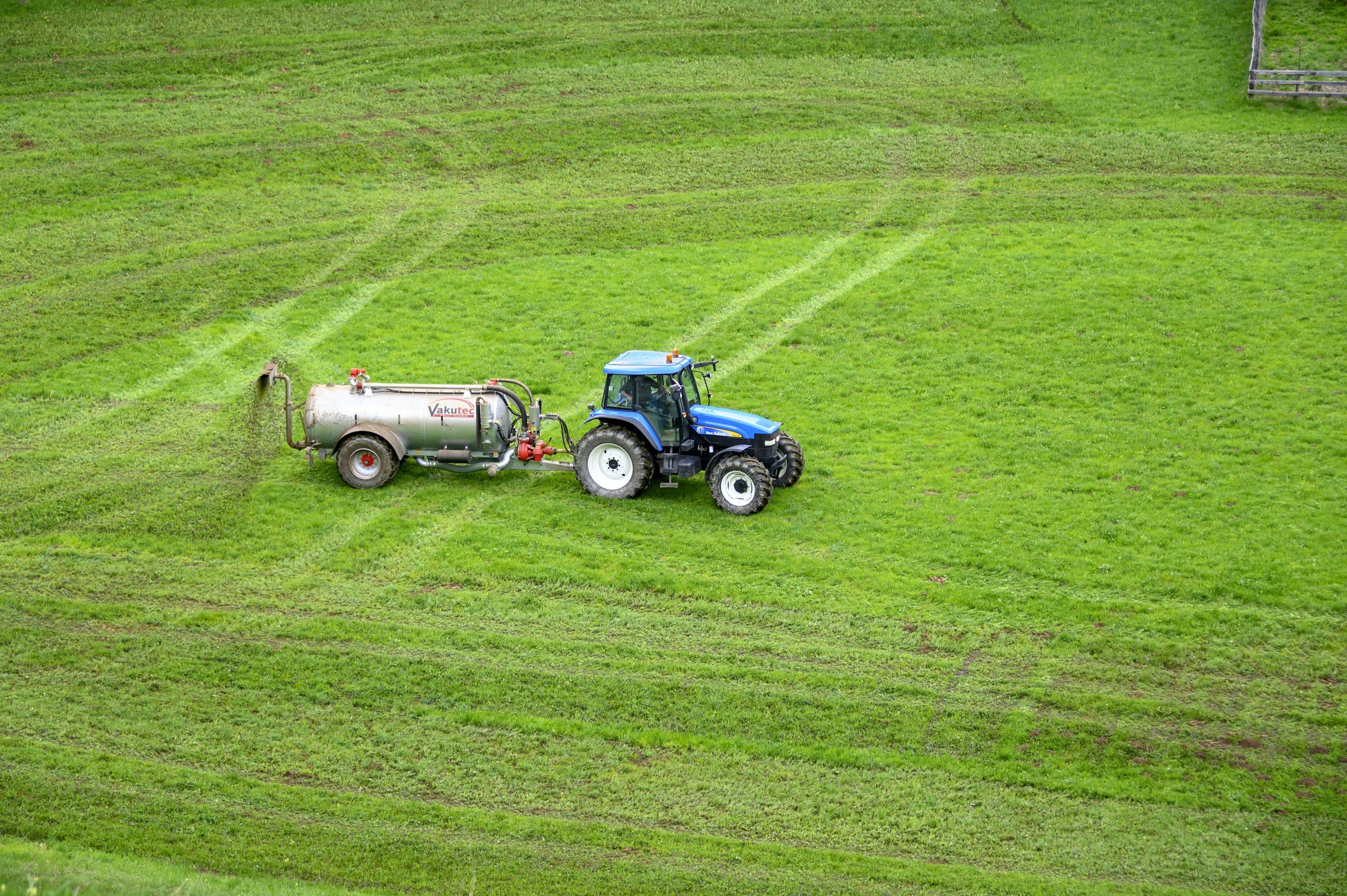
Good fertility management also assists recovery by ensuring recovering plants have the nutrients required to establish new growth.
Building More Resilient Farms
No farm can completely avoid the effects of prolonged rainfall.
However, resilient farming systems recognise that wet weather is inevitable and build flexibility into everyday management.
Investing in infrastructure such as improved drainage, reliable stand-off facilities, well-maintained races and strategic water management often delivers returns over many seasons—not just during exceptionally wet years.
Equally important is maintaining healthy soils throughout the year. Well-structured soils with good organic matter naturally drain better, support stronger root systems and recover more quickly following adverse weather.
Ultimately, successful wet weather management isn't about eliminating damage altogether. It's about making practical decisions that reduce its impact, protect valuable pasture and position the farm for a stronger recovery when conditions finally dry out.
Because while the rain will always stop eventually, the decisions made during the storm often determine how productive the next season will be.