

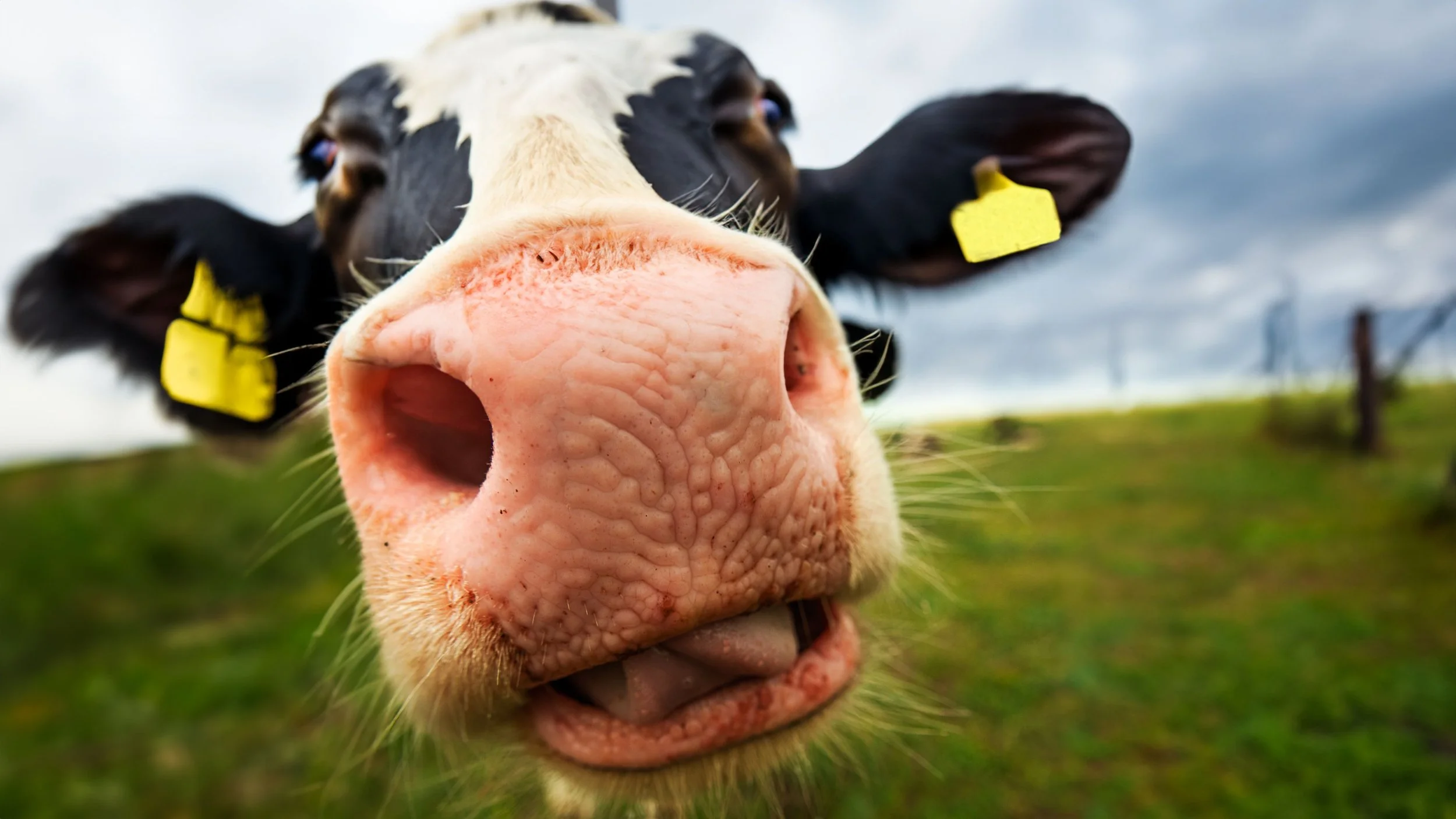
It might look like little more than a damp muzzle attached to a rather large animal, but a cow's nose is a remarkable piece of biological engineering. Hidden behind those nostrils is a maze of finely structured passages, specialised tissues and microscopic sensors that help the animal breathe, filter the air and detect the chemical signals carried by it.
More than a muzzle and two nostrils
A cow's nose rarely gets the attention it deserves. Farmers spend plenty of time looking at cows, but the muzzle tends to be noticed for its wet surface, its impressive ability to find feed and the occasional enthusiastic nudge delivered to a pocket containing something edible.
Yet the visible part is only the entrance to a much more complicated system.
Inside the head, the nasal cavity extends backwards through a network of passages separated by a central wall. Rather than being a simple hollow tube, each side contains intricate structures that guide incoming air through different routes. The arrangement allows the nose to perform several jobs at once, including conditioning the air before it reaches the lower respiratory tract and providing the specialised surfaces needed for the sense of smell.
It is an impressive design considering that the cow has no need to think about any of it. Every breath involves a working system that has developed to perform its tasks automatically, whether the animal is resting in the paddock or standing in the collecting yard waiting for milking.
The outside may look straightforward, but the internal architecture is anything but simple.
A maze built for airflow
One of the most fascinating features inside a cow's nose is the presence of structures called nasal conchae, commonly known as turbinates. These are delicate, scroll-like structures formed around thin supporting bone and covered with specialised tissue.
Imagine taking a flat sheet and rolling it into a series of intricate curves. The sheet would occupy more surface area than a simple flat panel could fit into the same space. That is the basic engineering principle at work inside the nasal cavity.
The turbinates create narrow channels and winding passages through which air can travel. Their complex arrangement provides a much larger internal surface area than a straightforward, empty tube would offer.
This matters because the nose is not merely a passage for air. The incoming air needs to be prepared for the respiratory system, and the lining of the nasal cavity plays an important role in that process.
The extra surface area gives the nasal tissues more opportunity to interact with the air moving through them. Blood vessels beneath the lining help warm incoming air, while moisture from the nasal lining helps humidify it. Mucus also traps many particles before they travel deeper into the respiratory tract.
In engineering terms, the cow has a compact air-conditioning and filtration system built into its head. There are no electrical controls, replaceable filter cartridges or instruction manuals tucked behind the ears. The structure itself does much of the work.
The nose has its own cleaning system
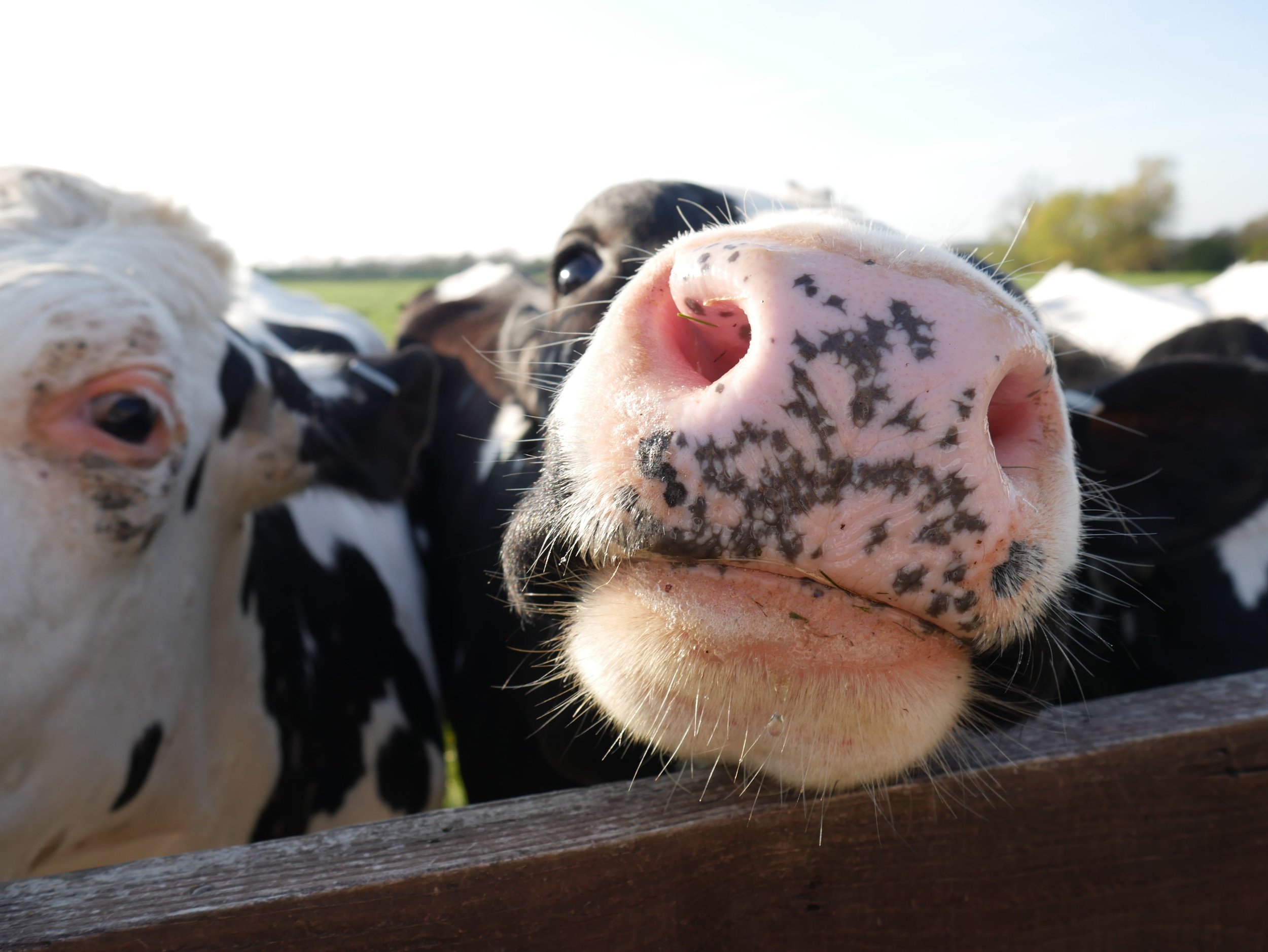
Farmers know that dust is an unavoidable part of agricultural life. Dry races, dusty feed, bedding, hay and other materials can all put particles into the air around livestock.
The nasal passages provide an important first line of defence against some of that material.
Much of the respiratory lining produces mucus, a sticky substance that helps trap particles. Microscopic hair-like structures called cilia project from the surface of certain cells. These move in coordinated waves, helping transport mucus and the material caught in it towards the back of the nasal passages, where it can be swallowed or otherwise cleared.
It is a continuous maintenance system, operating without the cow needing to stop what she is doing.
The mucus also helps keep the lining moist, which is important for the tissues to function properly. Meanwhile, the rich blood supply beneath much of the nasal lining helps regulate the temperature of incoming air.
This combination of moisture, microscopic movement and blood flow is a useful example of how biological systems solve several problems with one arrangement. The same passages that conduct air also help condition it and remove some unwanted material.
Of course, the system has limits. Heavy dust exposure, irritants and respiratory disease can still affect cattle. The nose is a protective structure, not an impenetrable filter that makes air quality irrelevant.
Nevertheless, it is a remarkably efficient piece of natural design.
The smell-detecting region is tucked further inside
The cow's nose has another specialised area that is particularly interesting from an anatomical perspective. Deeper within the nasal cavity are complex structures associated with the olfactory region, where specialised tissue contains the receptors responsible for detecting airborne odour molecules.
This region is not simply a patch of ordinary skin inside the nose. It contains specialised sensory cells that respond to chemical substances and convert those interactions into electrical signals.
The signals travel along the olfactory nerves towards the brain, where they contribute to the perception of smell.
The arrangement is more involved than simply having a large nose to draw air through. The sensory tissue must be exposed to suitable molecules, the receptors must respond to them, and the nervous system must process the resulting information.
The intricate folds of the internal nasal structures provide room for specialised tissues within a relatively compact space. It is another example of biological engineering making efficient use of the available area.
The fascinating part is that the respiratory and sensory functions share the same general structure, yet the tissues involved are adapted to different jobs. Some areas concentrate on conditioning the air, while others are specialised for chemical detection.
One entrance, several different functions, and a considerable amount of internal organisation.
Microscopic sensors with a direct line to the brain
The sensory cells involved in smell are remarkable because they are specialised nerve cells. At their exposed ends, they have tiny projections that interact with chemicals reaching the olfactory surface.
When an appropriate molecule activates a receptor, the cell generates a signal that can travel along its nerve fibre. These fibres pass through small openings in a perforated region of the skull called the cribriform plate before reaching the olfactory bulb in the brain.
The olfactory bulb is an important early processing centre for information arriving from the nose. From there, signals travel through neural pathways that contribute to how odours are recognised and interpreted.
It is a physical connection between the outside environment and the nervous system, made possible by an extraordinary arrangement of specialised cells, nerve fibres and brain tissue.
There is no need for the cow to consciously analyse each stage. The detection and processing occur automatically, allowing sensory information to become part of the animal's response to its surroundings.
What looks like a simple sniff from the outside involves a coordinated chain of biological events on the inside.
Why the damp muzzle is not an engineering failure
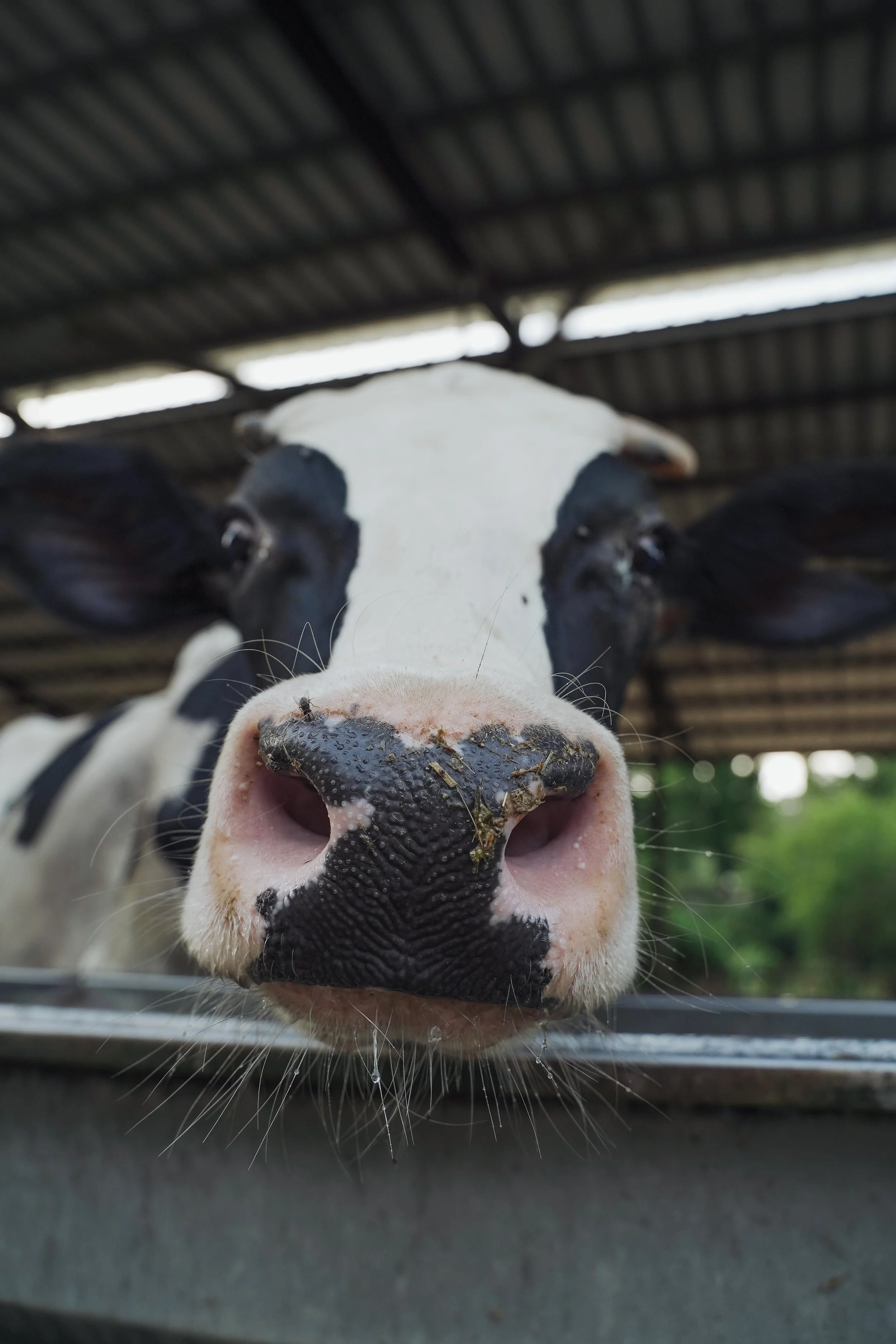
The cow's muzzle has a distinctive appearance because the skin around the nostrils is modified and largely hairless. In cattle, this region is commonly called the nasolabial plate.
It is normally moist, and specialised glands in the underlying tissue contribute to that moisture. The surface is therefore quite different from the furry skin covering much of the animal's face.
That dampness is a normal feature of cattle anatomy, rather than evidence that the nose is permanently wet because it cannot manage its own secretions.
The muzzle also has a substantial sensory role. Its skin is supplied with nerves that help the animal detect contact and other physical stimuli. This is particularly useful for an animal that investigates its surroundings at close range, with its head lowered towards objects, surfaces and feed.
The muzzle's external structure and the complex nasal passages behind it are different parts of the same broader arrangement, but they perform distinct functions.
The outer surface provides a specialised contact area around the nostrils, while the internal cavity manages airflow and contains the tissues involved in smell. Both have developed to suit the requirements of a large grazing animal.
And, as any farmer who has been investigated by a curious cow knows, that muzzle can be remarkably determined when it decides something deserves a closer inspection.
There is more inside the head than the nose itself
The nasal cavity does not sit in isolation. It is surrounded by bones and connected with a wider arrangement of air-filled spaces known as the paranasal sinuses.
These cavities occupy parts of the skull and communicate with the nasal region through openings. Their size, shape and development vary between the different sinus groups, and their anatomy changes as cattle grow.
The spaces are lined with respiratory-type mucous membrane, rather than being simply empty chambers without a lining. Their relationship with the surrounding bones makes them relevant to veterinary examinations and the investigation of certain head and respiratory conditions.
The frontal sinus is a particularly notable example in cattle because it occupies part of the frontal region of the skull. Its extent and arrangement are important considerations in veterinary procedures involving the head.
The presence of these spaces also demonstrates how complex the internal anatomy becomes when viewed beyond the visible muzzle. The head is not a solid block of bone with a nose attached. It is a carefully arranged collection of cavities, passages, sensory structures and supporting tissues.
Modern imaging can reveal just how complicated that arrangement is, with computed tomography providing detailed views of the nasal cavities, turbinates and sinuses that are difficult to appreciate from the outside.
It is a reminder that even familiar farm animals can have surprisingly intricate internal architecture.
A design that balances several competing demands
The remarkable thing about the cow's nose is not that it performs one extraordinary task. It is that it must perform several jobs within the same compact space.
Air needs to pass through efficiently enough to support breathing. The nasal lining must help warm and humidify that air. Mucus and cilia must work together to clear many inhaled particles. At the same time, specialised sensory tissue must remain capable of detecting chemical signals.
These functions are related, but they do not all require identical conditions or identical tissue structures. The internal anatomy therefore has to accommodate different needs without preventing the overall system from working.
The scroll-like turbinates increase the available surface area. The mucous lining and its blood supply help condition incoming air. The cilia contribute to the movement of trapped material, while specialised olfactory tissue provides the cellular machinery required for smell.
Each part contributes something different, yet none operates completely independently of the rest.
This is what makes the cow's nose such an interesting example of biological engineering. It is not a collection of separate devices bolted together. It is living tissue, with each structure shaped by its role and connected to the others through shared passages, blood supply and nerves.
And unlike a piece of farm machinery, it does not arrive with a parts catalogue showing how everything fits together.
The cleverest equipment on the farm may be standing in the paddock
Farmers are accustomed to appreciating engineering. A well-designed milking plant, a reliable pump or a cleverly arranged feed system can make a substantial difference to everyday farm work.
Yet some of the most intricate engineering on a dairy farm is already present in the animals themselves.
A cow's nose contains specialised structures for moving and conditioning air, protecting the respiratory tract and detecting chemical signals. It combines physical architecture, moisture management, microscopic cleaning mechanisms and a direct sensory connection with the brain.
Much of this happens without any visible sign that the system is working. The cow breathes, moves around the paddock and gets on with being a cow, while an intricate biological arrangement operates quietly behind the muzzle.
It is easy to overlook because the outside gives so little away. Two nostrils, a damp surface and a broad muzzle do not exactly advertise the complexity hidden within.
But look at the anatomy more closely and the ordinary becomes extraordinary. The cow is carrying a highly organised system that manages incoming air and supports an important sense, all within the structure of her head.
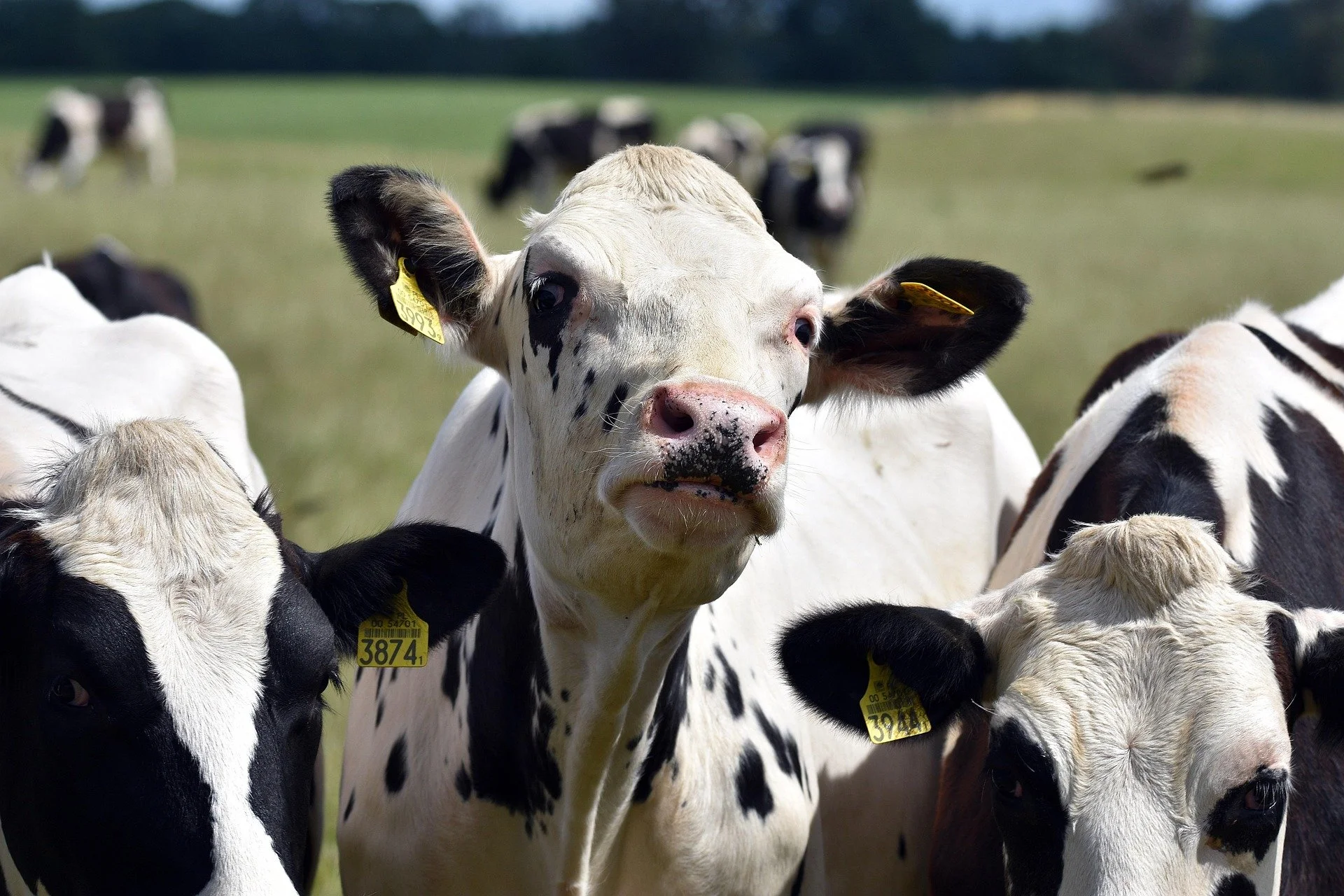
So the next time a cow gives you a curious sniff, remember that there is a great deal more involved than a quick breath through a pair of nostrils.
Behind that familiar muzzle is one of nature's more impressive pieces of engineering, quietly doing its job every minute of every day.