The protein puzzle – getting the balance right

Protein is one of those things that can look deceptively simple on a feed analysis. There is a number on the report, a requirement from the cow, and a feed sitting in front of her. But getting the balance right is about considerably more than simply chasing a higher protein percentage.
For the milking herd, dietary protein needs to work alongside energy, pasture quality and cow demand. Get that balance right and the feed being grown, conserved or purchased has a much better chance of turning into milk rather than becoming an expensive exercise in moving nitrogen through the cow.
Protein starts in the paddock
New Zealand dairy systems have a major advantage in the form of high-quality pasture, particularly when ryegrass and clover are growing strongly. Good pasture can supply substantial amounts of both energy and protein, which is one reason grazing remains such an important part of the system.
The challenge is that pasture does not stand still. Its nutritional value changes with maturity, weather, soil fertility, grazing management and the proportion of different plants in the sward. A paddock that looks excellent from the tractor seat can still have a very different feed value from another paddock a few days later.
That means protein decisions should start with understanding what the cows are already eating rather than automatically adding more protein to the diet.
More protein is not automatically better
It is easy to assume that if protein is good, more protein must be better. Cows, unfortunately, did not read that particular rulebook.
The cow needs enough usable protein to support milk production, maintenance and body functions, but protein does not operate independently of energy. The rumen microbes need a suitable supply of both energy and nitrogen to do their job effectively.
When there is plenty of dietary protein but not enough available energy to utilise it efficiently, the additional nitrogen does not necessarily translate into additional milk. The cow still has to process and excrete the excess, while the farmer has paid for the feed.
This is where feed analysis and a good understanding of the whole diet become much more useful than looking at one number in isolation.
The energy-protein relationship
The rumen is effectively a fermentation factory, and the microbes doing the work need the right ingredients. Fermentable energy and nitrogen need to be available in a useful balance so that microbial protein can be produced efficiently.
This is one reason a feed that looks impressive for protein can still fail to deliver the expected production response if the overall diet is short of energy.
The same principle works in reverse. Adding an energy-rich supplement to a diet that already contains plenty of available protein may produce a different response from adding more protein.
The question therefore becomes less about “How much protein can I feed?” and more about “What is limiting this diet right now?”
That is a much more useful question.
Don't overlook pasture quality
Pasture management can have a major influence on the protein profile of the diet. Young, leafy pasture generally contains more crude protein than mature pasture, while the overall energy content and digestibility also change as plants mature.
Clover can contribute significant nitrogen to the pasture system and can be an important source of dietary protein. However, the proportion of clover in the sward, grazing conditions and what the cow actually selects all influence what ends up in the diet.
This is where pasture observation and feed testing can work together. What appears to be a good-looking pasture may not necessarily be providing the same nutritional profile as another paddock, particularly when seasonal conditions have pushed growth in one direction or another.
Where supplements fit
Supplements can be extremely useful when they address a genuine nutritional gap. The trick is identifying the gap before reaching for the feed bin.
A supplement that provides additional protein can have a useful role where the base diet is short of available protein. In another situation, the greater limitation may be energy, fibre or simply the amount of dry matter being consumed.
There is little value in paying for a nutrient the cows already have in abundance.
This is particularly important when feed prices are high. The cheapest feed is not necessarily the feed with the lowest price per kilogram. What matters is what that feed contributes to the total diet and, ultimately, what the cow does with it.
Look beyond the feed label
Feed labels and laboratory analyses provide valuable information, but they are only part of the picture. Crude protein is not the same thing as milk production potential, and two feeds with similar protein percentages can behave quite differently within the overall diet.
Digestibility, energy content, fibre, dry matter intake and the availability of nutrients within the rumen all matter.
For that reason, it is worth looking at feeds as part of a system rather than judging them on a single headline figure.
The same applies when comparing supplements. A feed that appears expensive on a tonne-for-tonne basis may still make sense if it fills a specific nutritional gap efficiently, while a cheaper feed can become expensive if much of what is being purchased is not addressing what the cows actually need.
What is the cow telling you?
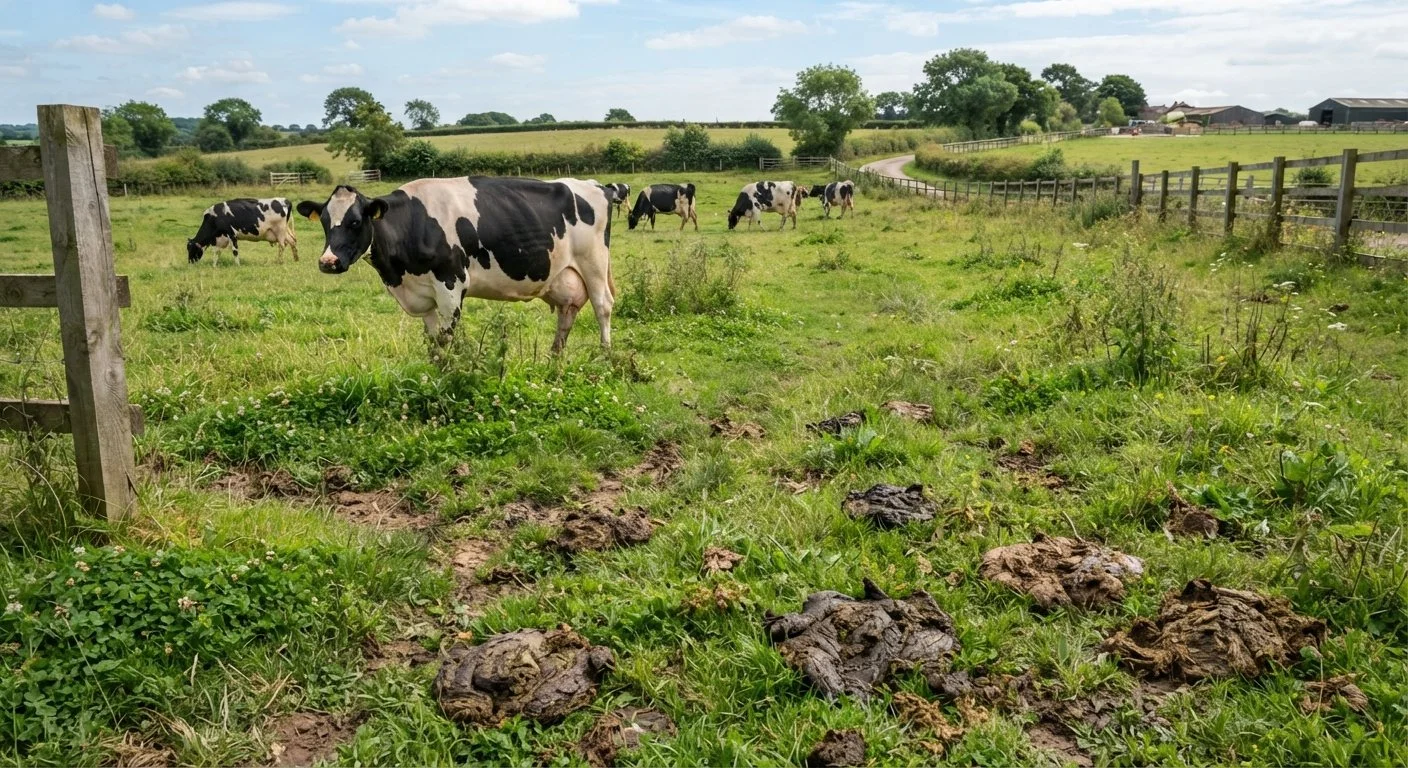
Milk production, body condition, pasture residuals, dung consistency and general cow performance can all provide useful clues about how the diet is working.
None of these observations should replace proper feed analysis or professional ration formulation where required, but together they can help identify when something is worth investigating.
If cows are not responding to additional feed as expected, simply increasing the amount may not be the answer. It is worth stepping back and asking whether the limiting factor is energy, protein, dry matter intake, pasture allocation, feed quality or something else entirely.
Sometimes the answer is not another feed truck. It is a better-balanced diet.
Making protein pay its way
Protein is too valuable to waste, particularly when it is being purchased. The objective should be to provide cows with the nutrients they need in a form they can utilise effectively, while making the most of the feed already being grown on the farm.
That means understanding pasture first, testing conserved feeds where appropriate, considering the whole diet and matching supplements to an identified need.
The protein puzzle is therefore not about feeding more protein. It is about feeding the right amount, in the right balance, at the right time.
When the pieces fit together, the result is not simply a higher number on a feed analysis. It is a diet that works harder for the cow and for the farm business.
Before adding another protein source to the ration, look at the whole diet. What are the cows already getting from pasture and conserved feeds? Is energy limiting utilisation? Is dry matter intake adequate? Is the supplement addressing a genuine gap?
The most valuable nutrient is not necessarily the one you are currently buying. It is the one that is actually limiting the cow's ability to turn feed into milk.