
This is day 6 of our seven-day series, The Future-Proof Dairy, where we have been exploring the ideas, technology and changing approaches that could shape the next generation of New Zealand dairy farming.
So far, we have looked at breeding cows for a changing climate, virtual fencing, new sources of farm income, artificial intelligence and more diverse pasture systems.
Today, we turn our attention to something every dairy farm has to deal with, but which could increasingly be viewed in a very different way.
Effluent.
For many years, effluent management has largely been about storage, application and compliance. It is an essential part of operating a dairy farm responsibly, but the conversation is beginning to move towards something broader.
What if effluent was not simply something that needed to be managed?
What if it was also a source of energy and nutrients that could be recovered and put back to work?
That is the thinking behind the circular farm.
Rather than treating farm resources as something that flows in one direction, a circular approach looks at how nutrients, energy, water and organic material can be captured, reused and kept within the farming system wherever practical.
For dairy farmers, that could eventually mean turning some of the outputs of the farm into useful inputs.
The idea is not about creating a futuristic farm where nothing is ever wasted.
It is about looking more carefully at what is already there.
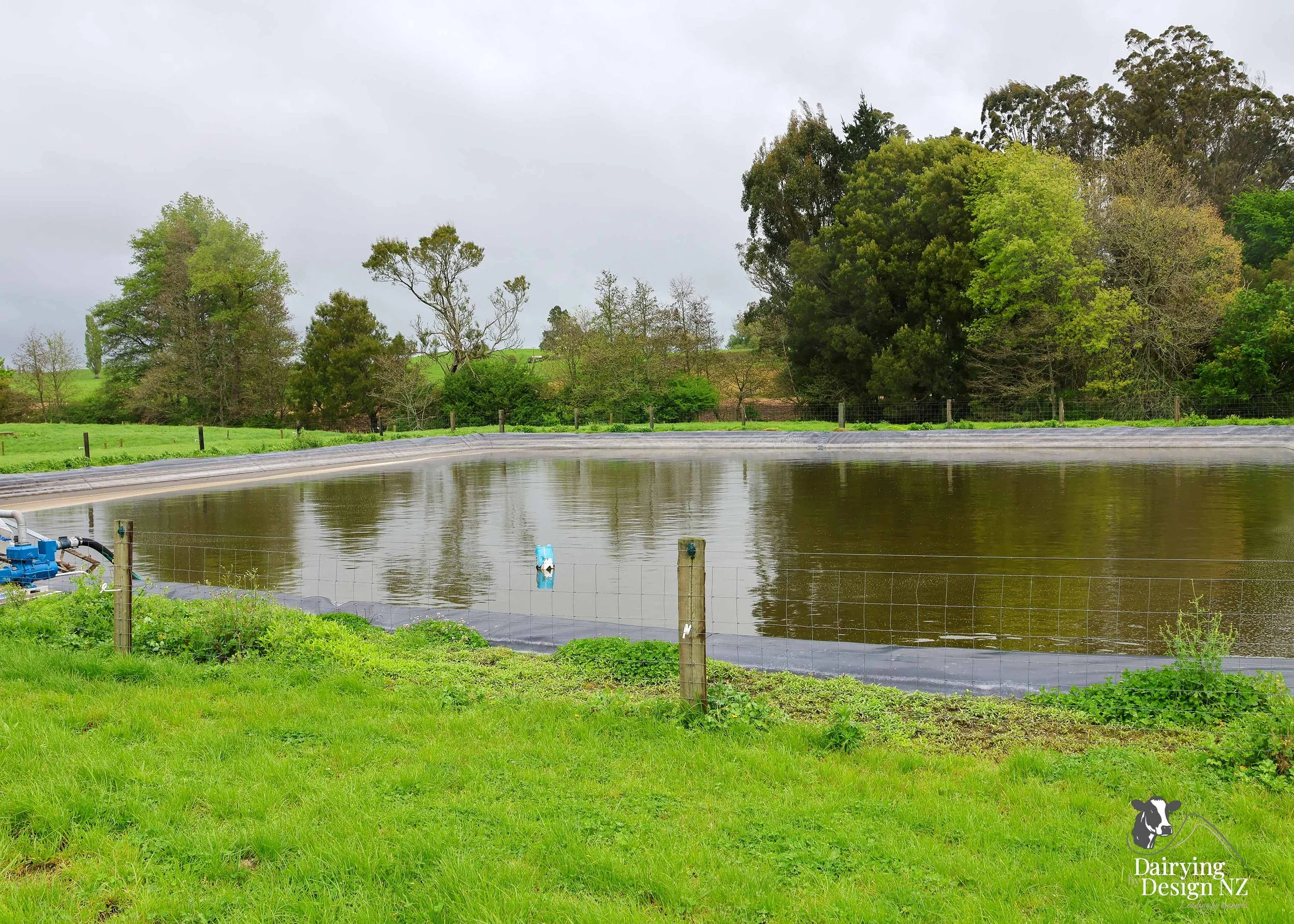
Photo by Dianna Malcolm
From waste to resource
Every dairy farm produces effluent.
It contains water, organic matter and nutrients, including nitrogen, phosphorus and potassium. These nutrients originated within the farm system through pasture, supplements and other inputs, and much of their value can potentially be retained and reused.
The challenge is managing those nutrients safely and effectively.
Traditionally, effluent has been collected, stored and applied to land according to the farm's management system and environmental requirements.
That remains an important part of responsible dairy farming.
But technology is creating other possibilities.
Instead of simply applying effluent to land, some systems can separate, process or treat components of the effluent stream. The aim can be to recover useful nutrients, reduce environmental risk or generate energy from the organic material.
This is where the circular farm concept becomes particularly interesting.
The farm is no longer viewed as a place where resources are continually brought in and waste is continually sent out.
Instead, the goal is to keep more of those resources circulating within the system.
The most valuable resource on a dairy farm may sometimes be the one farmers have traditionally thought of as waste.
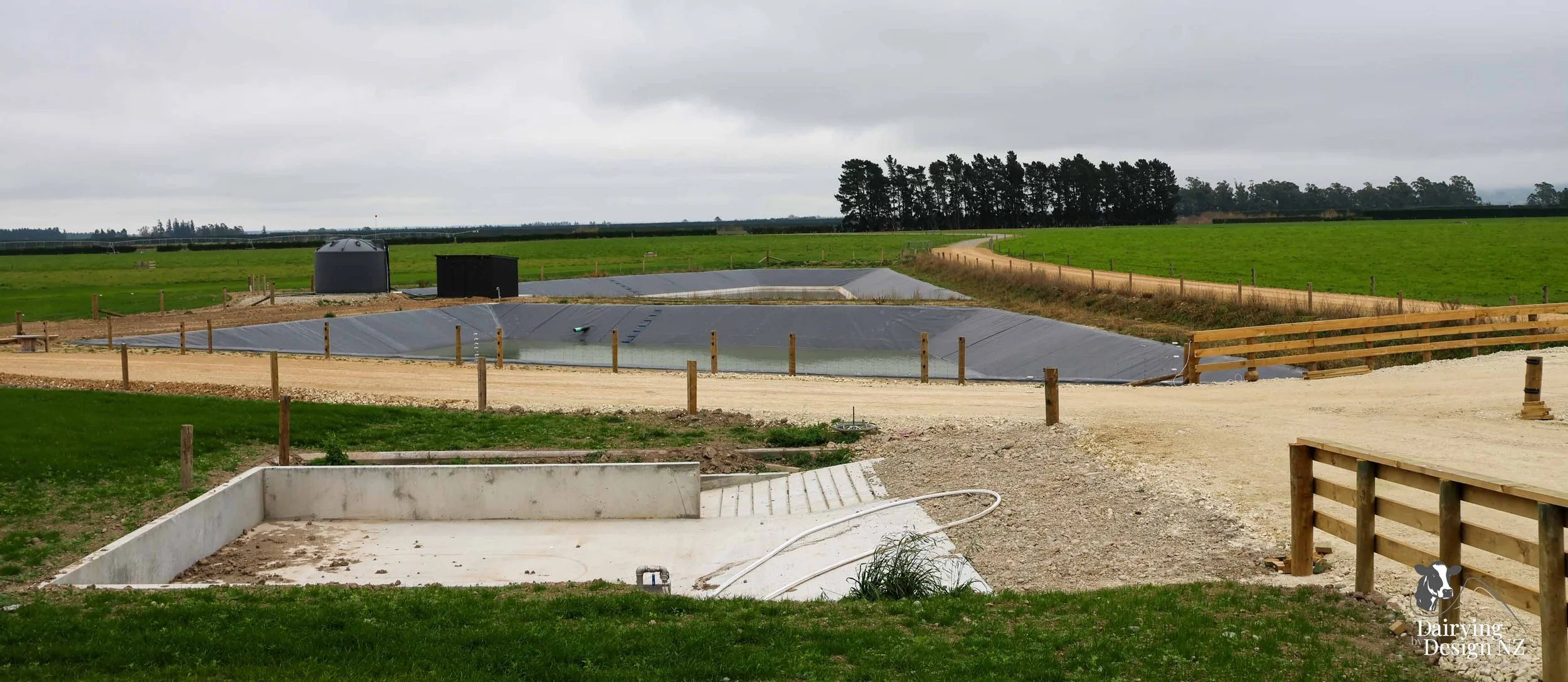
Photo by Dianna Malcolm
The energy potential of effluent
One of the most intriguing possibilities is biogas.
Organic material contains energy. When manure and other organic matter break down under controlled conditions without oxygen, a process known as anaerobic digestion, they can produce biogas.
That gas contains methane and can potentially be captured and used as an energy source.
The concept is already well established in other parts of the world, although the economics and practical application in New Zealand dairy farming need to be considered carefully.
For a dairy farm, the attraction is relatively straightforward.
The farm is already producing organic material.
Instead of allowing all of that material to break down naturally and releasing gases into the atmosphere, a controlled digestion system can capture some of the energy contained within it.
That biogas could potentially be used for heat, electricity or other energy requirements, depending on the technology and scale of the system.
The resulting material can also retain nutrients, which may then be managed separately.
In theory, the farm could therefore take one output and create two useful resources: energy and nutrient-rich material.
That is the circular concept in action.
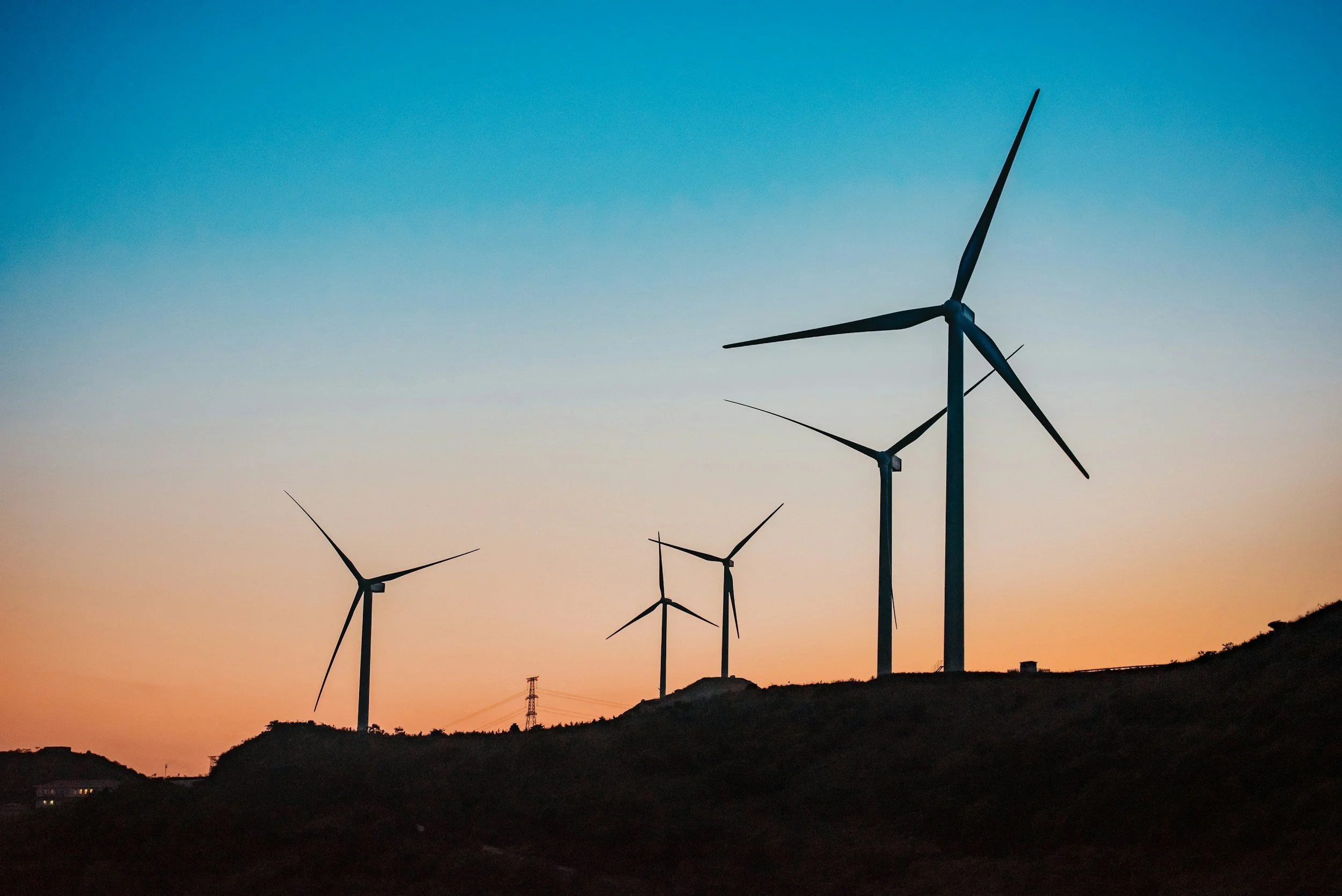
Could dairy farms generate their own energy?
Energy is a significant consideration for modern dairy farming.
Milking systems, refrigeration, water pumps, heating, lighting and other infrastructure all require energy.
Electricity costs can therefore become a meaningful part of farm expenditure.
The possibility of producing some energy on-farm is attractive because it could reduce reliance on external energy sources.
Biogas is not the only option.
Solar generation, energy-efficient equipment and other technologies can all play a role in reducing energy demand or generating energy.
The interesting possibility is what happens when these approaches are combined.
A future dairy farm could potentially use a mixture of renewable energy sources, with energy generation matched to the farm's requirements.
Biogas could provide an energy source from organic material, while solar generation could contribute electricity during daylight hours.
Energy storage and smarter energy management could then help balance supply and demand.
The result could be a farm that is not completely independent from the grid, but is less reliant on a single source of external energy.
That could become increasingly valuable as energy costs and environmental expectations continue to influence farm businesses.

Nutrients are too valuable to waste
Energy is only half of the circular farm story.
The other half is nutrients.
Every year, farmers spend money bringing nutrients onto their farms through fertiliser and supplementary inputs.
At the same time, nutrients leave the system in milk, animals and other outputs.
Some are also present in effluent.
If those nutrients can be captured and applied back to the farm in the right place and at the right rate, they become part of a more circular nutrient cycle.
This is not a new concept.
Dairy farmers have been using effluent as a fertiliser source for generations.
The difference is that future technology may allow farmers to become more precise about what is contained within that effluent and how different components can be managed.
Separation technologies can potentially divide solids and liquids, allowing different materials to be treated or used in different ways.
More advanced systems may eventually allow particular nutrients to be recovered in forms that are easier to store, transport or apply.
The benefit is not simply reducing waste.
It is making better use of something the farm has already produced.
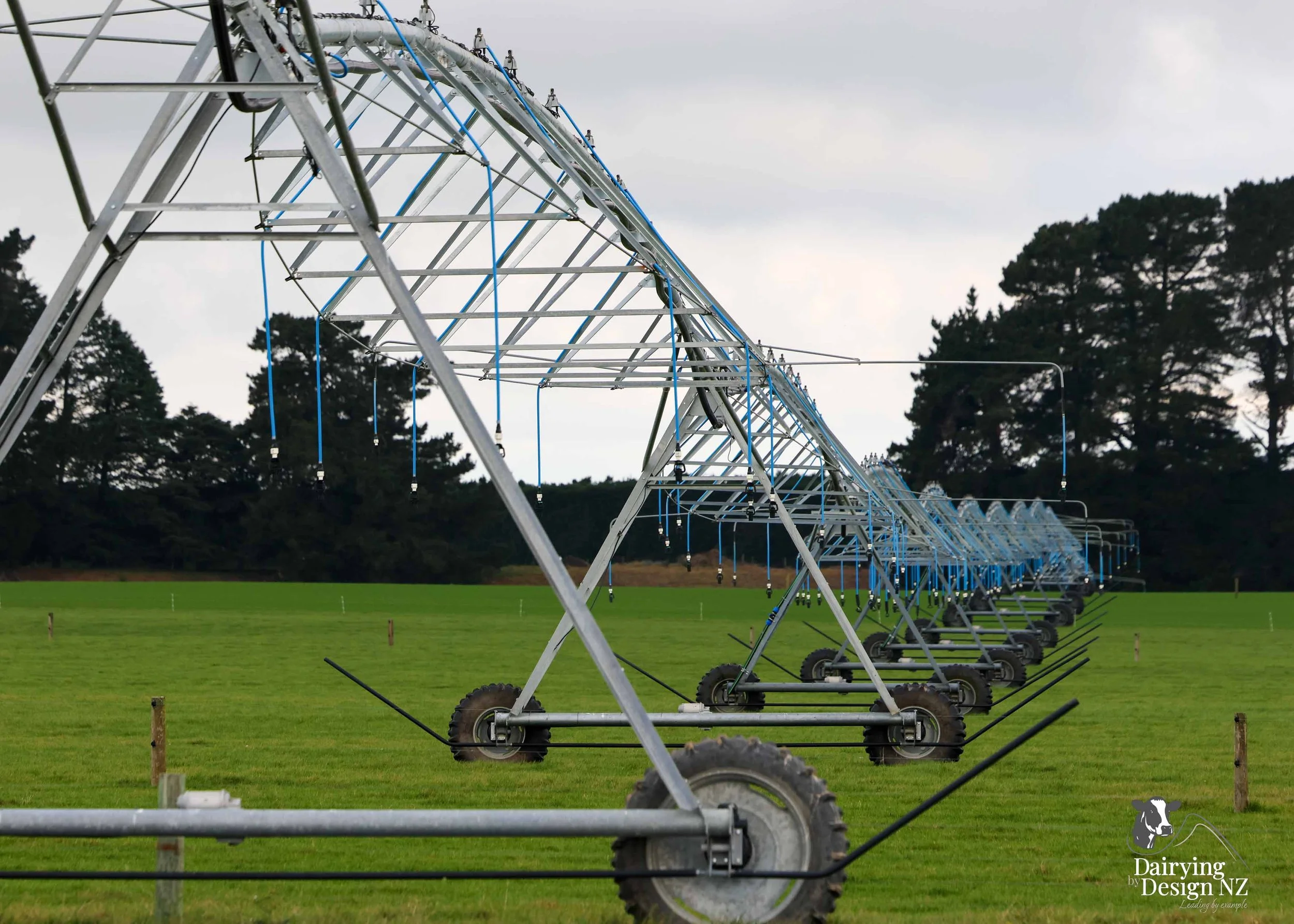
Photo by Dianna Malcolm
Water is another part of the cycle
Effluent management is also closely connected to water.
A significant proportion of dairy effluent is water, which means farms are effectively moving large volumes of water through their infrastructure every day.
Cleaning the dairy, yards and equipment requires water, and managing that water safely is essential.
Future systems may increasingly focus on recovering and reusing water where appropriate.
The potential benefits include reducing freshwater demand and lowering the volume of material that needs to be stored or transported.
However, water reuse needs to be approached carefully.
Not every type of farm water is suitable for every purpose, and maintaining hygiene and animal health must remain paramount.
The point is not that every litre of water needs to be recycled.
It is that the farm should increasingly ask whether water is being used once and discarded when it could safely be used again.
A circular farm still needs good management
It is easy to make circular farming sound simple.
Capture the effluent, generate the biogas, recover the nutrients and put everything back into the farm.
In reality, there are considerable practical considerations.
Infrastructure costs can be substantial. Systems require maintenance, monitoring and skilled management. The technology needs to be suited to the scale of the farm, and the benefits need to justify the investment.
There are also regulatory and environmental considerations.
Effluent systems must be designed and operated properly. Nutrients still need to be managed carefully, and any recovered products need to be used in a way that protects soil, waterways, animals and people.
This is why the circular farm is unlikely to be one piece of technology installed overnight.
It will probably be a gradual process.
Farmers may start by improving effluent storage, then introduce better separation, water management or energy efficiency. Larger operations may eventually consider anaerobic digestion or nutrient recovery where the economics make sense.
Different farms will have different opportunities.
Scale could be the deciding factor
One of the biggest questions around biogas and advanced effluent processing is scale.
A technology that makes sense for a large dairy operation may not be economically viable for a smaller farm.
That does not mean smaller farms will be excluded from the circular economy.
It may simply mean that different models are required.
Shared infrastructure could eventually become an option in some rural areas. Several farms could potentially contribute material to a central processing facility, creating enough scale to make certain technologies more practical.
Alternatively, smaller farms may focus on technologies that provide direct benefits within their own operation.
The important point is that circular farming does not need to look the same everywhere.
The objective is to find practical ways of keeping more resources in productive use.
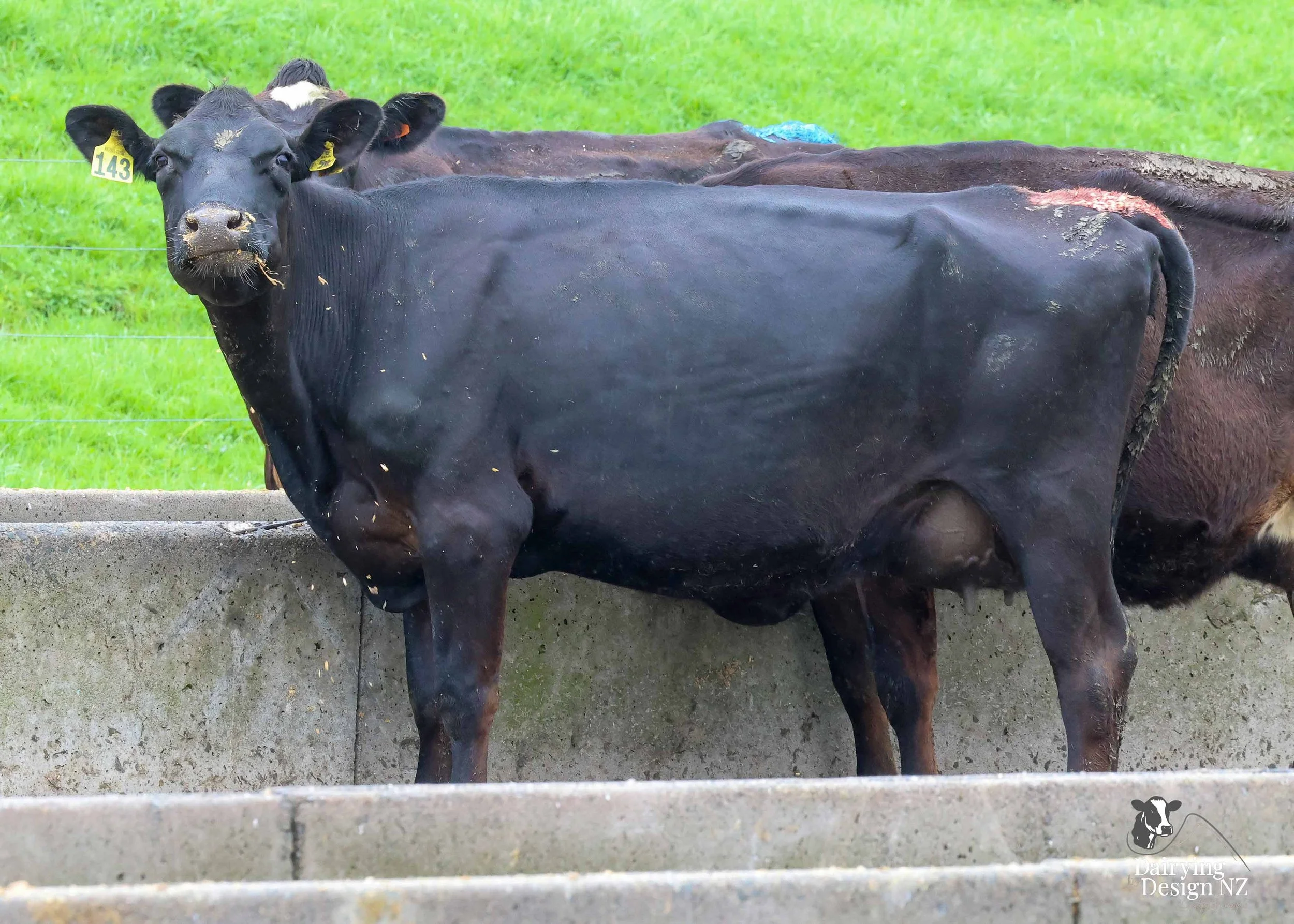
Photo by Dianna Malcolm
What could the farm of the future look like?
Imagine a dairy farm where the story of a nutrient begins in the paddock.
The cow eats pasture.
She produces milk, but she also produces manure. That manure is collected and processed. Some of its organic material produces biogas, which helps power the farm. Nutrients are recovered and returned to the land. Water is treated and, where appropriate, reused.
Pasture grows using nutrients that have remained within the farm system. The cow eats the pasture again. It is not a perfect closed loop, because no farm can completely eliminate inputs and outputs. Milk leaves the farm. Animals leave the farm. Fertiliser and other inputs may still come in. But the loop becomes tighter. More of the farm's resources remain useful for longer. That could reduce waste, improve resource efficiency and potentially create new value. The circular farm is not about achieving zero waste. It is about getting more value from the resources already moving through the farm.
The financial question matters
Environmental benefits alone will not be enough to drive widespread adoption.
Dairy farming is a business, and any major investment needs to stack up financially.
A farmer considering an anaerobic digester, nutrient recovery system or other processing technology needs to understand the capital cost, operating costs, expected savings and potential income.
There may be benefits that are difficult to put into a simple dollar figure, such as greater energy resilience or improved nutrient control.
There may also be future value associated with environmental performance.
But farmers need confidence that the technology works and that it can be maintained.
The economics will probably improve as technologies become more efficient, systems are scaled appropriately and the industry gains more experience.
As with many emerging technologies, early adopters may help demonstrate what works and what does not.
That knowledge could eventually make the pathway easier for other farmers.
Starting with the basics
Farmers do not need to wait for a futuristic system to start thinking more circularly.
The first step may simply be understanding what is already entering and leaving the farm.
How much energy is being used? Where are nutrients coming from? Where are they going? How much water is being used?
What organic material is currently treated as waste? Where could losses be reduced?
These questions can reveal opportunities before any major technology is purchased.
Improving effluent infrastructure, reducing water use, maintaining equipment properly and applying nutrients accurately may not sound revolutionary.
But future-proofing is often about getting the fundamentals right first. Technology can then build on that foundation.

Photo by Dianna Malcolm
The opportunity ahead
The circular farm concept fits naturally with the broader direction of agriculture.
Farmers are increasingly being asked to produce more efficiently, reduce environmental impacts and demonstrate responsible resource use.
A circular approach offers a way to think about those challenges without viewing them entirely as additional costs.
Effluent can contain energy. Nutrients can be recovered. Water can potentially be reused.
Organic material can become an input rather than simply an output.
The opportunity is to find where those possibilities make sense economically and practically.
Not every dairy farm will install a biogas plant.
Not every farm will recover nutrients using advanced technology.
But the principle of looking at farm resources differently is likely to become increasingly important.
The dairy farm of the future may be judged not only by how much it produces, but by how efficiently it uses everything required to produce it.
A circular dairy farm looks beyond the traditional idea of waste and asks whether resources such as effluent, nutrients, water and organic matter can be captured and used again.
Biogas generation could potentially turn organic material into useful energy, while nutrient recovery and improved effluent management could help keep valuable nutrients circulating through the farm system.
The technology will need to make financial and practical sense, and it will not be suitable for every farm.
But the underlying principle is worth considering now.
Before asking what new technology the farm needs, farmers can start by asking what resources are already being produced and whether more value can be extracted from them.
Future-proofing may sometimes mean looking at something familiar in an entirely new way.
Tomorrow is day 7, the final instalment of our Future-Proof Dairy series, where we look at the people behind the industry and explore how creative equity models and new sharemilking structures could help bring the next generation into New Zealand dairy farming.